

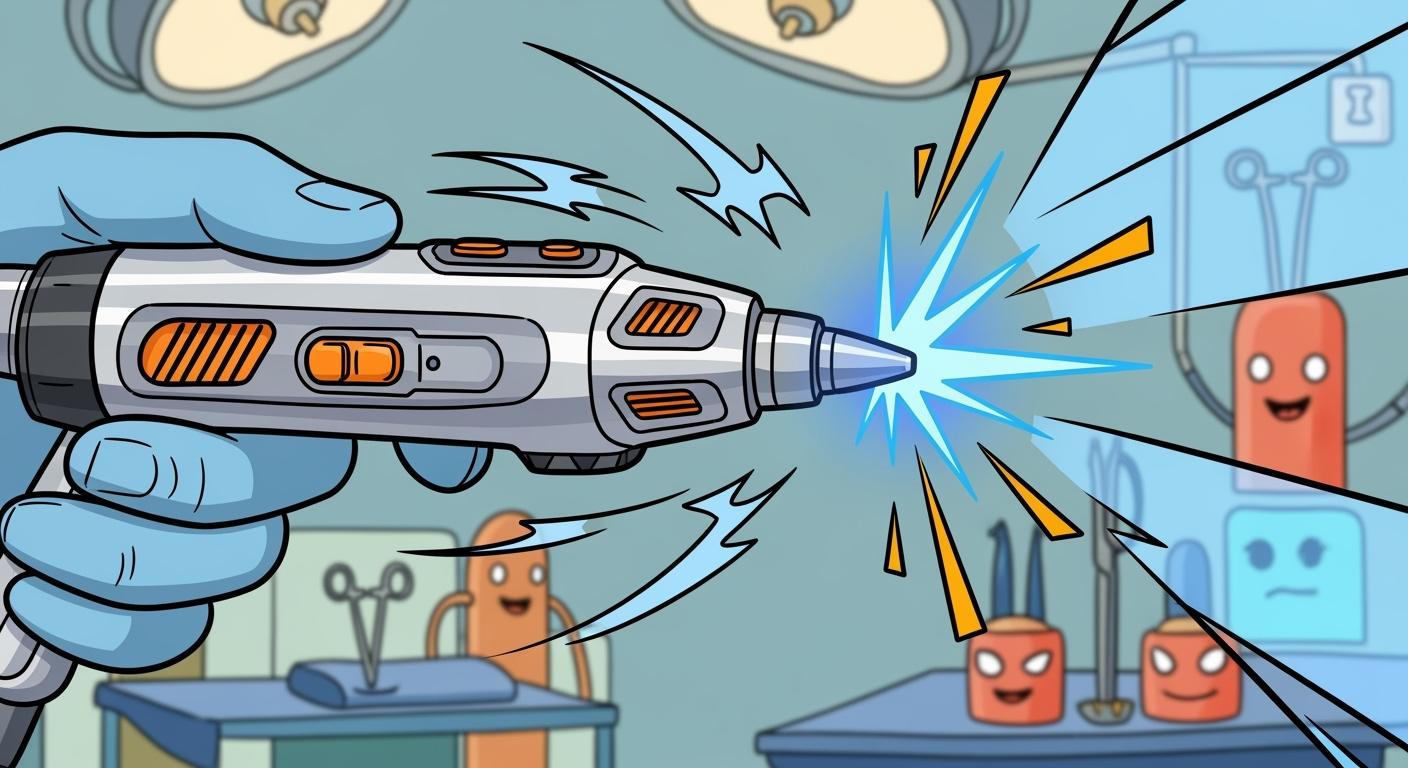
You deliver peak power in surgical power tools using advanced lithium battery technology, high power density motors, and intelligent control systems. This combination helps you achieve greater precision during surgery and supports minimally invasive techniques. Surgeons rely on efficient energy devices to reduce bleeding and improve patient safety. Electrosurgery produces heat in tissue, so proper device operation and regular verification help protect the patient. Innovations in battery and motor technology allow you to maintain stable torque and longer operating times, which are critical for precision and safety.
Key Takeaways
Understand peak power to enhance surgical precision. It allows for better control during electrosurgery, leading to cleaner cuts and effective coagulation.
Choose lithium manganese oxide (LMO) batteries for surgical tools. They provide high energy density and stable performance, essential for demanding surgical procedures.
Utilize high power density motors in surgical tools. These motors improve efficiency and response time, crucial for precise tissue manipulation during surgery.
Implement intelligent electronic controls for consistent performance. These systems monitor power delivery and prevent overheating, ensuring patient safety during procedures.
Prioritize maintenance and training for surgical tools. Regular inspections and staff training reduce errors and improve outcomes in minimally invasive surgeries.
Part 1: Peak Power and Surgical Precision

1.1 Defining Peak Power in Surgery
You need to understand peak power when you work with surgical power tools. Peak power describes the highest level of power a device can deliver in a short burst. In surgical applications, peak power often refers to the maximum optical power of a pulse, especially in tools that use laser technology. This high power output allows you to perform electrosurgical cutting and coagulation with greater control. Electrosurgical units use peak power to generate precise energy pulses. These pulses interact with tissue, producing specific tissue effects such as cutting or coagulation. You rely on peak power to achieve enhanced precision during procedures. Electrosurgical cutting requires rapid bursts of energy to separate tissue cleanly. Electrosurgical coagulation uses controlled pulses to stop bleeding and seal tissue. Surgical robotics also depend on peak power for consistent performance and reliable tissue effects.
Tip: When you select electrosurgical units, check the peak power rating. Higher peak power supports better cutting and coagulation, especially in demanding surgical environments.
1.2 Impact on Accuracy and Minimally Invasive Procedures
Peak power directly affects your ability to perform minimally invasive surgery. You need precise control over electrosurgical cutting and coagulation to minimize damage to surrounding tissue. Electrosurgical units deliver targeted energy, allowing you to achieve clean cuts and effective coagulation. This precision leads to improved outcomes for patients. Surgical robotics use peak power to enhance performance and maintain accuracy during complex procedures. Robots equipped with advanced electrosurgical units can perform delicate tissue manipulation, reducing the risk of unintended tissue effects. You see the benefits of peak power in reduced bleeding, faster recovery, and lower complication rates. Electrosurgical cutting and coagulation play a vital role in tissue management. You must monitor power settings and tissue effects to ensure optimal performance. Surgeons rely on electrosurgical units and surgical robotics to deliver consistent peak power, supporting both cutting and coagulation tasks.
Application Scenario | Role of Peak Power | Benefit for Surgical Precision |
|---|---|---|
Electrosurgery | Drives cutting and coagulation | Clean cuts, effective sealing |
Powers tissue manipulation | Enhanced precision, accuracy | |
Medical infrastructure | Supports advanced procedures | Reliable outcomes |
Part 2: Power Sources and Motor Design
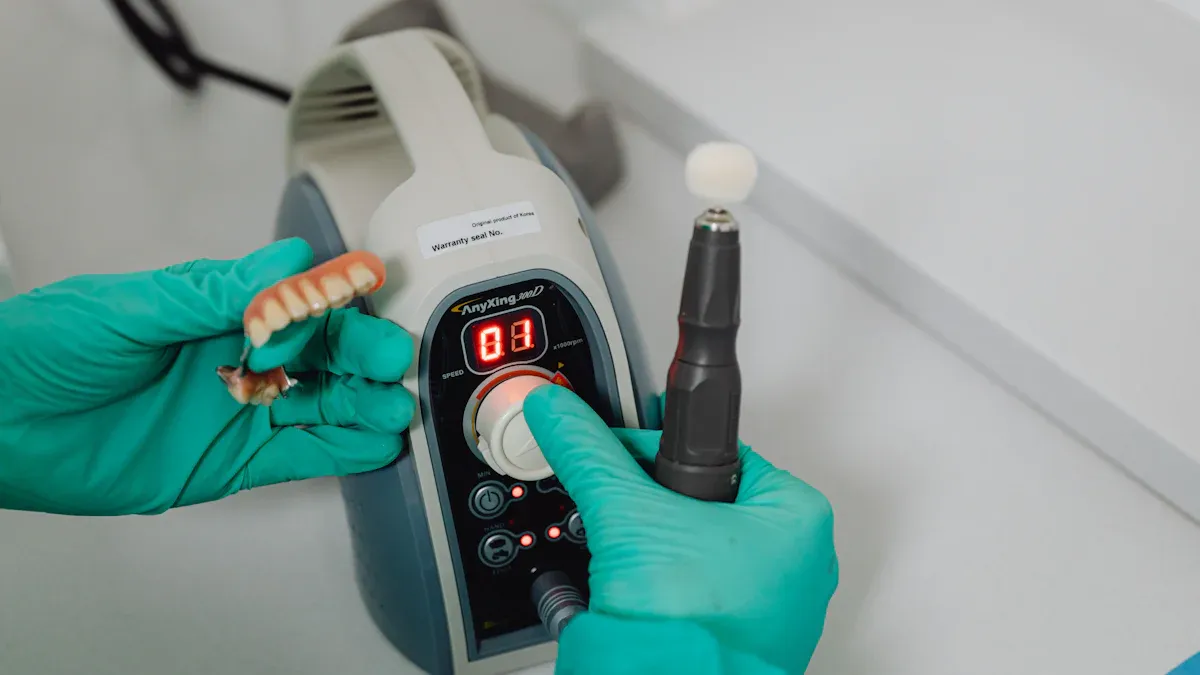
2.1 Lithium Battery Technology for Peak Power
You depend on lithium battery packs to deliver a reliable power source for surgical power tools. In modern electrosurgery, you need high performance power solutions that can support rapid cutting and coagulation of tissue. LMO (Lithium Manganese Oxide) batteries stand out because they provide high platform voltage, strong energy density, and stable cycle life. These features help you achieve peak power during demanding surgical procedures.
When you compare different lithium battery chemistries, you see clear differences in their suitability for medical, robotics, security systems, infrastructure, consumer electronics, and industrial applications. The table below summarizes key characteristics:
Chemistry | Platform Voltage (V) | Energy Density (Wh/kg) | Cycle Life (cycles) | Typical Applications |
|---|---|---|---|---|
LiFePO4 | 3.2 | 90-120 | 2000+ | Medical, infrastructure, industrial |
NMC | 3.7 | 150-220 | 1000-2000 | Robotics, security systems, medical |
LCO | 3.7 | 150-200 | 500-1000 | Consumer electronics, medical |
LMO | 3.7 | 100-150 | 700-1500 | Surgical, robotics, security systems |
You choose LMO batteries for surgical power tools because they deliver high bursts of power, which is essential for electrosurgical cutting and coagulation. These batteries also support the rapid energy demands of robots in medical and industrial settings. You benefit from a tailored power solution that matches the unique needs of electrosurgery, where tissue effects depend on precise energy delivery.
Note: For advanced battery management and electrosurgical safety, you should explore Battery Management Systems (BMS). BMS technology helps you monitor battery health, prevent overload, and maintain safety during surgery.
2.2 High Power Density Motors in Surgical Tools
You rely on high power density motors to achieve the torque and speed needed for surgical cutting and coagulation. These motors use high-performance materials such as High Permeability 49 and HyMu 80. These materials improve efficiency by providing superior permeability and low core loss. You see the benefits in high operating speeds, which are crucial for electrosurgery and robotics.
Key motor design features that support high torque and power density include:
High-performance materials that reduce heat and extend operational life.
Soft magnetic alloys that lower core loss and improve efficiency.
Compact designs that make surgical tools lighter and easier to maneuver.
High operating speeds that enable precise tissue effects during cutting and coagulation.
You notice that these features help you maintain consistent performance in both medical and industrial robots. You achieve better outcomes because your tools respond quickly and accurately to your commands. In electrosurgery, you need motors that can handle rapid changes in load as you move between cutting and coagulation tasks. This flexibility supports a wide range of tissue effects and improves surgical precision.
2.3 Electronic Controls for Consistent Performance
You depend on intelligent electronic controls to ensure consistent performance and safety in surgical power tools. These systems monitor power delivery, adjust output in real time, and protect against overload. You see the value of electronic controls in both electrosurgery and robotic applications, where precise energy management is critical for tissue safety.
Electronic controls help you:
Maintain stable power during cutting and coagulation.
Prevent overheating and protect sensitive tissue from unintended effects.
Support electrosurgical safety by monitoring current, voltage, and temperature.
Adapt to different tissue types and surgical scenarios for optimal outcomes.
You use these controls in medical, robotics, security systems, and industrial sectors. You achieve reliable power source management, which is essential for high performance power solutions. You also reduce the risk of complications by ensuring that tissue effects of electrosurgery remain predictable and safe.
Tip: Always verify that your surgical power tools include advanced electronic controls. This step helps you maintain safety and achieve the best possible outcomes for your patients.
Part 3: Safety and Reliability in Surgery
3.1 Overload Protection and Fail-Safes
You must prioritize overload protection and fail-safes when you use surgical power tools. These mechanisms protect both the patient and the device during critical procedures. Overload events can occur during electrosurgery, especially when you perform cutting or coagulation on dense tissue. If you do not have proper protection, you risk device failure, patient injury, and compromised outcomes.
You often see two main types of overload protection in surgical tools:
Mechanism Type | Function | Notes |
|---|---|---|
Circuit Breakers | Disconnect power during overcurrent to prevent electrocution and fire hazards. | Essential for safety and compliance with standards. |
Thermal Circuit Breakers | Can withstand inrush currents without tripping, ensuring reliability. | Must react quickly to overloads while allowing harmless inrush currents. |
Circuit breakers disconnect power if the current exceeds safe limits. This action prevents electrocution and fire hazards. Thermal circuit breakers add another layer of reliability. They can handle brief surges, which often happen when you start a device, but they trip quickly if a true overload occurs. You need both types to ensure patient safety and device longevity.
You also face common failure modes in surgical power tools related to peak power delivery. Insulation failure can cause burns at insulation defects. Direct coupling may transmit energy unintentionally through other tools, especially in laparoscopic electrosurgery. Capacitive coupling can build up charge between tools and tissue, causing unintended tissue effects. Thermal injuries may result from high temperatures during monopolar electrosurgery, damaging adjacent organs. You can mitigate these risks by using bipolar devices, optimizing voltage application time, and employing active electrode monitoring systems.
You should always verify that your lithium battery packs include advanced battery management systems. These systems monitor current, voltage, and temperature, preventing overload and ensuring consistent performance. You can find these features in medical, robotics, security systems, infrastructure, consumer electronics, and industrial applications. For more information on responsible sourcing, review the conflict minerals statement.
Tip: Regularly inspect your tools for insulation defects and test overload protection before every surgery. This practice supports patient safety and reliable outcomes.
3.2 Thermal Management for Safe Operation
You must control heat generation during electrosurgery to protect both the patient and the device. Cutting and coagulation generate significant heat in tissue. If you do not manage this heat, you risk thermal injuries and unpredictable tissue effects. High temperatures can damage adjacent tissue, leading to complications.
You can use several strategies to manage heat:
Select motors with high power density and efficient cooling systems. These motors reduce heat buildup during cutting and coagulation.
Choose lithium battery packs with integrated thermal sensors. These sensors monitor battery temperature and prevent overheating.
Use active electrode monitoring systems. These systems detect excessive heat and adjust power output in real time.
Limit the duration of voltage application during electrosurgery. Short bursts reduce thermal spread and protect tissue.
You see these thermal management strategies in medical robots, industrial robots, and advanced surgical tools. You also find them in security systems and infrastructure applications where reliability is critical. You must always monitor tissue effects during electrosurgery. This practice helps you achieve precise cutting and coagulation while minimizing patient risk.
Note: If you notice unexpected heat or tissue discoloration, stop the procedure and check your equipment. Early detection prevents patient injury and device failure.
3.3 Regulatory Standards for Surgical Tools
You must comply with strict regulatory standards when you select and operate surgical power tools. These standards ensure patient safety and device performance during critical procedures. The most important standard for medical electrical equipment, including surgical tools, is IEC 60601-1. This standard addresses safety and essential performance, with a focus on the patient vicinity.
You should also consider the following:
IEC 60601-1 requires you to use devices with proper insulation, overload protection, and thermal management.
You must verify that your lithium battery packs meet all relevant safety and performance criteria.
You need to document compliance for all medical, robotics, security systems, infrastructure, consumer electronics, and industrial applications.
You play a key role in maintaining patient safety and achieving the best outcomes. You must stay informed about updates to regulatory standards and ensure your tools meet or exceed these requirements.
Callout: Always request documentation from your supplier to confirm compliance with IEC 60601-1 and other relevant standards. This step protects your patients and your reputation as a surgeon.
Part 4: Practical Considerations for Hospitals
4.1 Maintenance for Peak Power Tools
You maintain peak power in surgical power tools by following strict protocols. You inspect lithium battery packs before each procedure. You check for signs of wear, damage, or reduced capacity. You replace batteries that do not meet voltage or cycle life standards. You clean and sterilize electrosurgery instruments to prevent contamination and ensure reliable cutting and coagulation. You monitor motors for overheating and verify that cooling systems function properly. You document maintenance activities for compliance and traceability. You use battery management systems to track battery health and performance in medical, robotics, security systems, infrastructure, consumer electronics, and industrial sectors.
Tip: Schedule regular calibration for electrosurgery devices. This step helps you maintain consistent tissue effects and precision during cutting and coagulation.
4.2 Training for Precision and Safety
You invest in training to reduce errors and complications with powered surgical instruments. You teach staff to identify and record electrosurgery instrument errors. You focus on visualization tasks in sterile processing, which are critical for safe tissue handling. You design training programs that improve error identification and response. You see fewer surgical errors and complications when staff receive enhanced training. You reinforce best practices for cutting, coagulation, and tissue management. You train teams to recognize abnormal tissue effects and respond quickly. You use simulation and hands-on practice to build confidence and skill.
Training improves error identification in electrosurgery.
Staff learn to manage cutting and coagulation tasks with greater precision.
Enhanced training reduces surgical complications linked to tissue effects.
4.3 Choosing Tools for Minimally Invasive Surgery
You select surgical power tools based on procedure requirements. You prioritize devices with advanced lithium battery packs for reliable peak power. You choose electrosurgery units that deliver precise cutting and coagulation. You evaluate motor design for high power density and efficient cooling. You consider electronic controls that adapt to different tissue types and minimize unintended tissue effects. You review regulatory compliance and documentation. You match tools to application scenarios in medical, robotics, security systems, infrastructure, consumer electronics, and industrial sectors. You support sustainability by reviewing your hospital’s approach to responsible sourcing and energy management.
Learn more about our sustainability approach.
Selection Criteria | Benefit for Minimally Invasive Surgery |
|---|---|
Lithium battery packs | Reliable peak power for cutting/coagulation |
High power density motors | Precise tissue effects, reduced heat |
Electronic controls | Consistent performance, safety |
You achieve peak power in surgical power tools by combining advanced lithium battery packs, high power density motors, and robust safety systems. This integration supports precise tissue management for patient safety during coagulation and cutting. You benefit from ongoing innovation, such as robotics and AI analytics, which improve patient outcomes and operational efficiency. When you select and maintain tools, focus on operator training, quality assurance, and lifecycle management. These strategies help you deliver reliable performance in medical, robotics, security systems, infrastructure, consumer electronics, and industrial sectors.
FAQ
What makes lithium manganese oxide (LMO) batteries ideal for surgical power tools?
You benefit from LMO batteries because they deliver high platform voltage, strong energy density, and stable cycle life. These features support peak power delivery in medical, robotics, and industrial sectors.
How do you maintain peak power in lithium battery packs?
You inspect battery packs before each use. You monitor voltage, cycle life, and temperature. You replace batteries that show reduced performance. Battery management systems help you track health in medical, security systems, and infrastructure applications.
Tip: Schedule routine battery checks to prevent unexpected power loss during critical procedures.
How do lithium battery chemistries compare for surgical applications?
Chemistry | Platform Voltage (V) | Energy Density (Wh/kg) | Cycle Life (cycles) |
|---|---|---|---|
LiFePO4 | 3.2 | 90-120 | 2000+ |
NMC | 3.7 | 150-220 | 1000-2000 |
LCO | 3.7 | 150-200 | 500-1000 |
LMO | 3.7 | 100-150 | 700-1500 |
You select LMO for reliable peak power in surgical, robotics, and security systems.
What safety features should you look for in battery-powered surgical tools?
You choose tools with overload protection, thermal sensors, and advanced battery management systems. These features prevent overheating and ensure consistent performance in medical, industrial, and infrastructure sectors.
Why is electronic control important in surgical power tools?
You rely on electronic controls to maintain stable power output. These systems monitor current and temperature, helping you achieve precise tissue effects in medical, robotics, and consumer electronics applications.


