
Custom BBU and UPS Battery Solutions for Data Centers and Telecom

What Are BBU and UPS Batteries?

Quick Answer: BBU batteries provide short-duration backup power close to servers, telecom equipment, or network nodes, while UPS battery systems support broader centralized loads. The correct solution depends on output voltage, peak power, backup duration, communication protocol, thermal design, and system architecture.

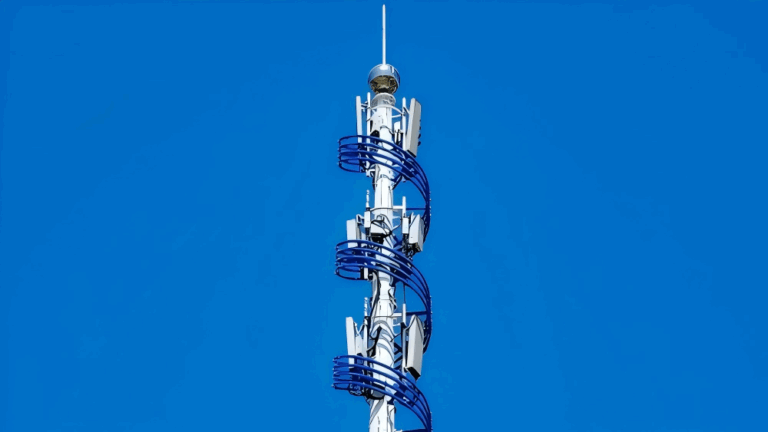
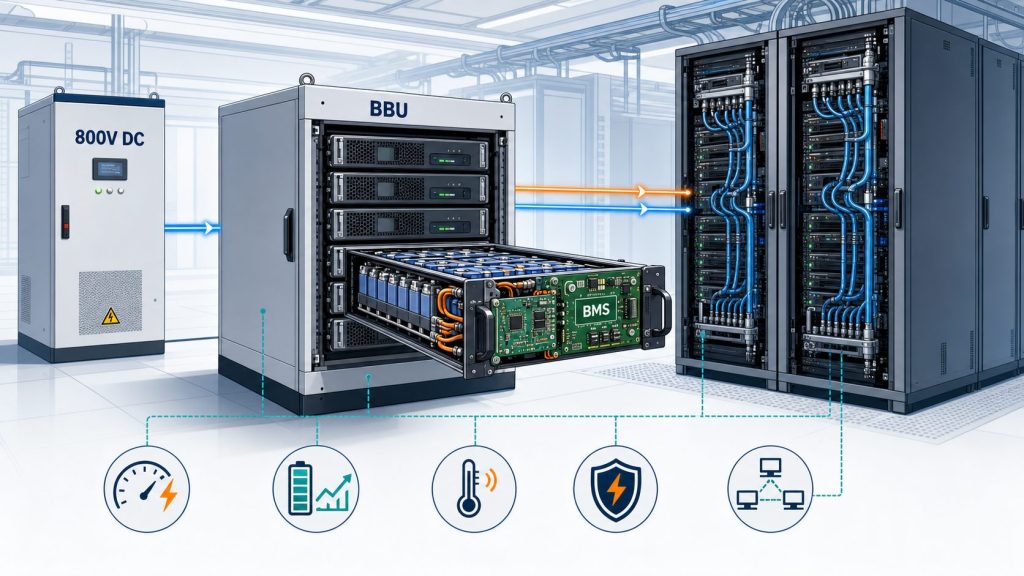
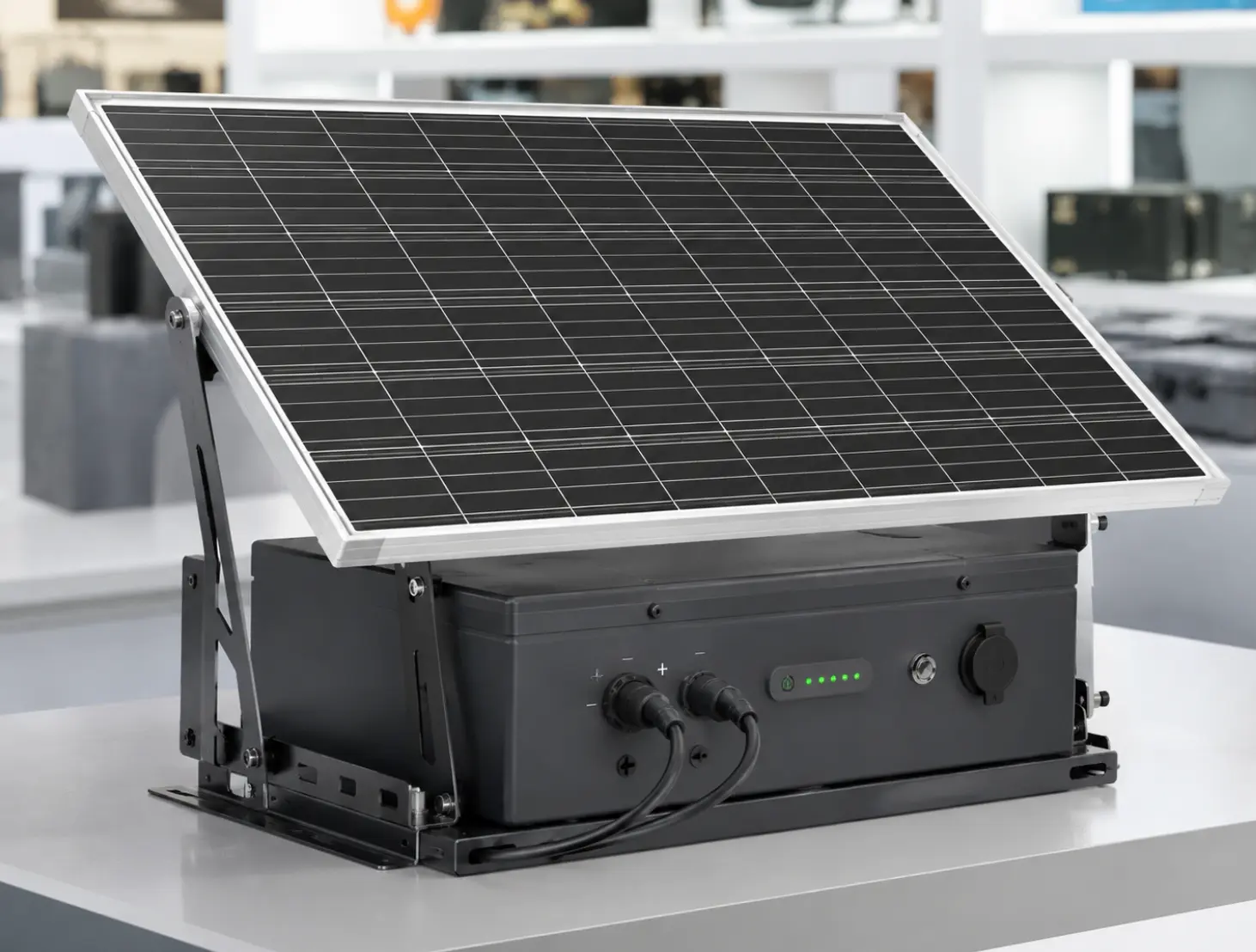
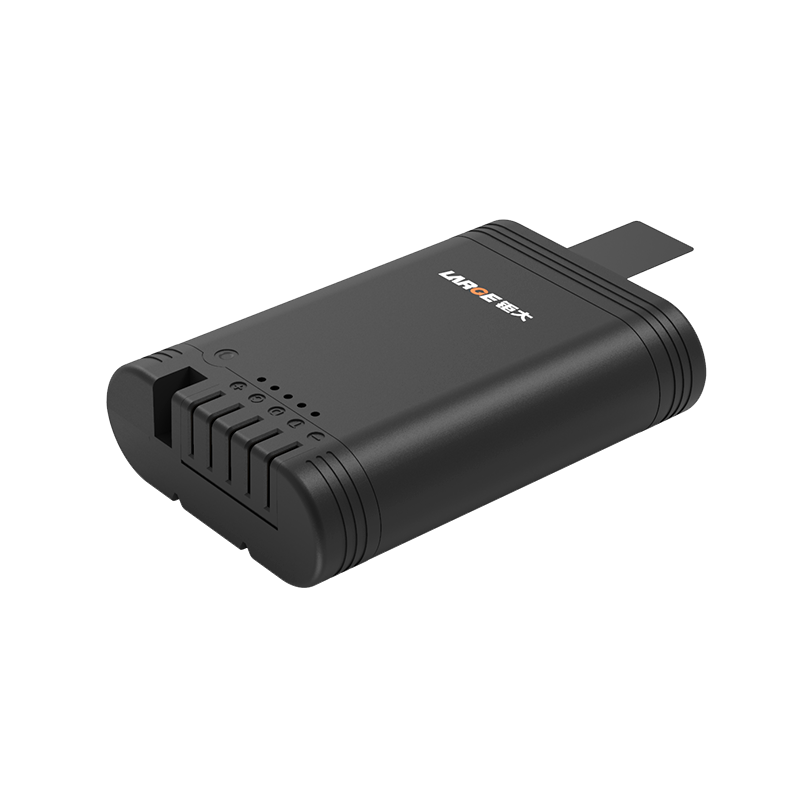
A Battery Backup Unit (BBU) is a localized DC backup system designed to maintain critical equipment during a short power interruption or until another power source becomes available. Rack-level BBUs for AI servers prioritize rapid response, high power density, and close integration with the server power architecture. Telecom BBUs commonly use 48V-class battery modules to support base stations, fiber networks, and remote communication nodes.

A UPS battery system supports an uninterruptible power supply that protects larger centralized loads such as server rooms, industrial controls, security systems, and medical infrastructure. Runtime, output architecture, redundancy, and power conditioning requirements differ from those of a rack-level BBU.

Large Power develops custom lithium battery solutions with application-specific cell chemistry, enclosure design, connectors, thermal management, and an integrated Battery Management System (BMS). Final voltage, capacity, discharge capability, and testing requirements are defined according to the customer’s equipment and target market.

Large Power – Your Trusted Partner for Custom BBU & UPS Battery Solutions

Large Power is a global leader in custom lithium-ion battery packs, specializing in backup power applications. Our custom BBU (Battery Backup Unit) and UPS battery solutions combine cutting-edge cell chemistry and advanced management systems to meet the exacting needs of telecom, data center, and industrial UPS equipment. By partnering with Large Power, OEM/ODM designers gain industry-leading technology and full global compliance (UL 62133, IEC 62619, UN38.3, etc.) that ensure their backup power systems are safe, reliable and efficient. From high-rate discharge performance to long life cycles, our battery systems are engineered for the high demands of continuous backup operation.

Product Showcase

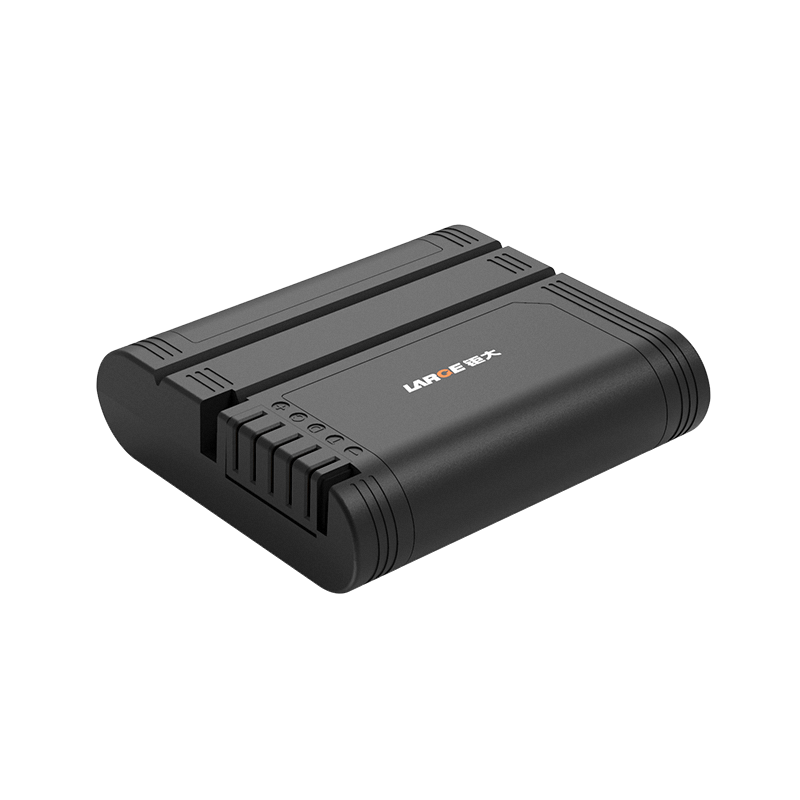
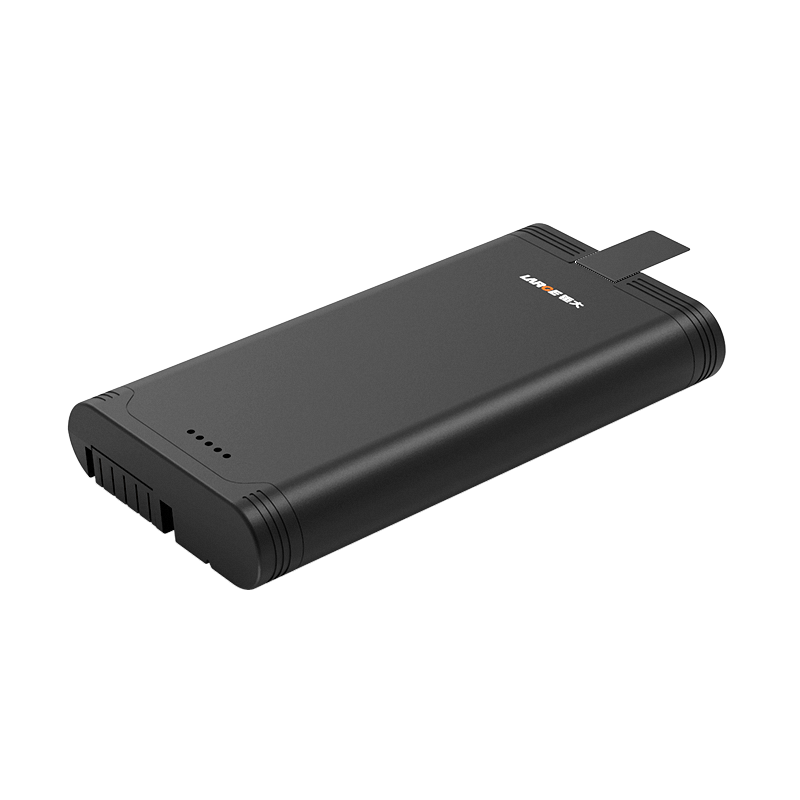
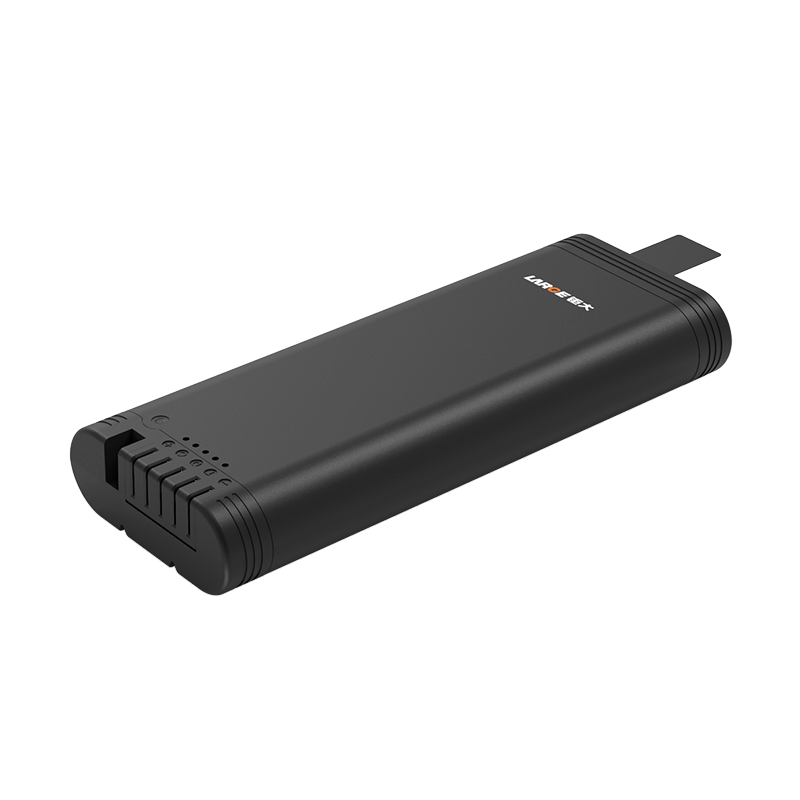
Large Power offers a broad portfolio of backup battery modules designed for BBU and UPS applications. Our product range includes integrated rack-mount Li-ion modules, compact 12–48V DC battery packs, and high-capacity cabinet systems. For example, we manufacture 48V 100Ah LiFePO₄ rack packs for telecom with built-in BMS, as well as custom 24V packs for industrial UPS with CANbus monitoring. Each product is rigorously tested: performance (capacity and power output), cycle life, and safety tests are completed before delivery. All packs carry our stamped quality assurance, ensuring consistency across every order.

Send Your Inquiry Today

Popup Quote Form
48V 50Ah LiFePO₄ Battery (Telecom Energy Storage)
48V 50Ah LiFePO₄ Battery (Telecom Base Station)
25.6V 19
97
3

Ready to specify a custom BBU or UPS battery? Contact Large Power’s engineering team today. We will help you define the right battery configuration, provide rapid prototyping, and integrate our pack into your design. With over two decades of battery expertise, Large Power is your trusted partner for backup power solutions – ensuring that your critical systems stay powered no matter what the grid does.

Why Choose Our Custom BBU and UPS Battery Solutions?

Reliable backup power for critical infrastructure and always-on operations

Large Power develops BBU and UPS battery packs around the required voltage, peak power, backup duration, space, thermal environment, communication interface, and maintenance strategy. Performance and compliance targets are defined for each project rather than assumed across every battery configuration.

Fast Response for Critical Loads

Our BBU and UPS battery systems can be engineered for rapid response during outages or voltage disturbances. Transfer behavior and ride-through time depend on the complete power architecture, including the battery, BMS, charger, converter, and load profile.

Part 2: Importance of Impact and Collision Testing on Lithium Batteries

Application-Specific Energy and Power Design

Cell chemistry and pack architecture are selected according to the required balance of energy density, discharge power, service life, temperature range, and installation space. NMC may suit compact high-power rack-level BBUs, while LiFePO4 can support applications that prioritize thermal stability and longer cycle life.

Smart BMS and Remote Monitoring

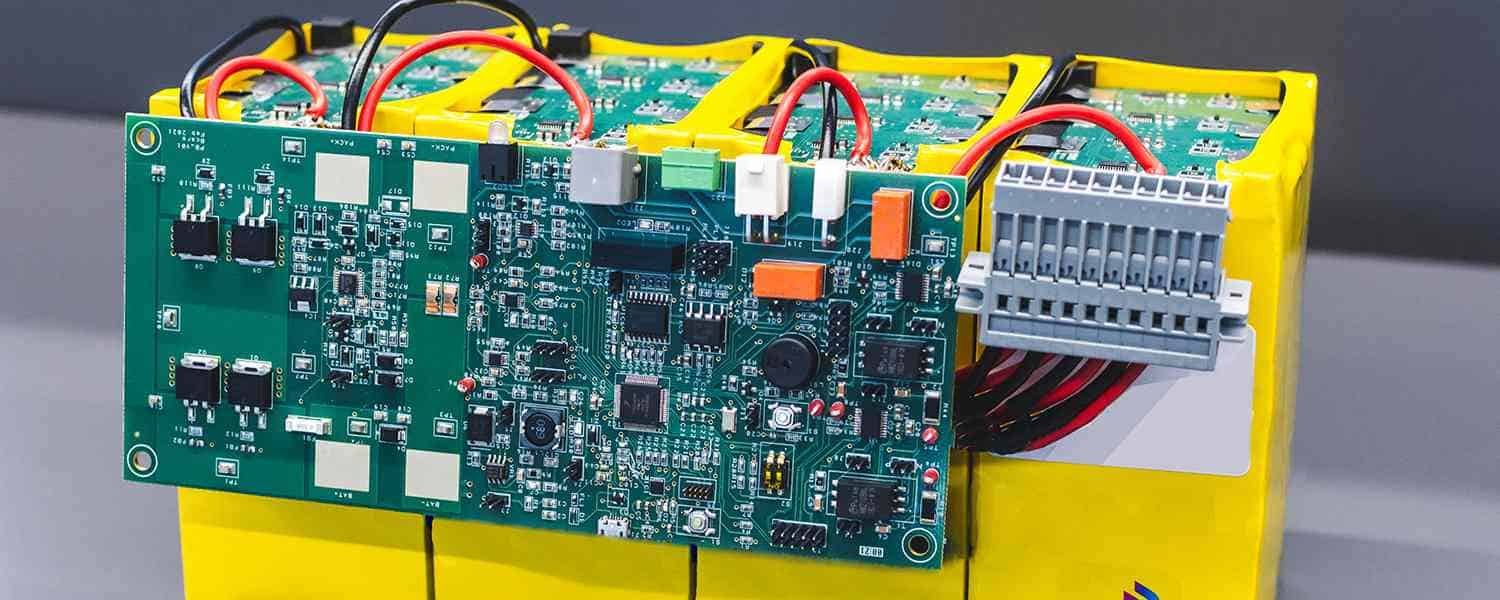
Each system can integrate a smart Battery Management System (BMS) for cell monitoring, balancing, temperature protection, fault reporting, and state estimation. Communication options may include CAN, RS485, I2C, or other interfaces required by the host equipment.

Mechanical Integration and Project-Based Compliance

We support application-specific voltage, capacity, enclosure, connector, mounting, thermal management, and communication requirements. Applicable testing and certifications, such as UN 38.3, IEC 62619, UL standards, CE, or RoHS, are evaluated according to the final design, target market, and customer requirements.

BBU and UPS Battery Applications

Our BBU and UPS Battery solutions are engineered for mission-critical backup power applications across industries that demand continuous uptime, secure data protection, and system stability. Designed for fast response, long cycle life, and intelligent battery management, these systems ensure that servers, telecom units, industrial equipment, and sensitive electronics remain operational during power outages, voltage drops, or load transfers. Whether you operate a data center, telecom hub, or factory control room, our batteries deliver instant, reliable backup when it matters most.

BBU and UPS Battery Solutions for Uninterrupted Power Supply

Looking for efficient power solutions without long lead times? Our BBU and UPS Battery series is engineered to deliver stable backup power, fast response, and long service life for base stations, data centers, and mission-critical systems.

As a professional battery manufacturer, we ensure reliable supply, competitive pricing, and expert technical support. Whether you need samples for evaluation or bulk procurement for mass production, we are ready to support your business.

Submit your application requirements now, and our team will match you with the right battery solution efficiently.

BBU and UPS Battery FAQ

These answers cover the main engineering decisions for rack-level BBU, telecom backup, and centralized UPS battery projects.

What is the difference between a BBU and a UPS battery system?

A BBU is usually installed close to a server rack, telecom node, or other specific load to provide localized DC backup. A UPS supports broader centralized loads and normally includes power-conversion and power-conditioning functions. The two systems may complement each other rather than serve as direct replacements.

How long should a BBU support the connected equipment?

Required backup duration depends on the system architecture. Some rack-level BBUs provide only enough ride-through time to bridge a short interruption or complete a controlled transition, while telecom and UPS batteries may require longer operation. Runtime must be calculated from load power, battery energy, conversion efficiency, temperature, aging margin, and end-of-life capacity.

Should a BBU use NMC or LiFePO4 cells?

NMC offers higher energy density and may suit compact, high-power rack-level BBUs. LiFePO4 provides strong thermal stability and longer cycle life for installations with more available space. Cell selection should also consider peak current, operating temperature, service-life target, enclosure design, and charging strategy.

Which communication protocols can a smart BBU support?

Depending on the host equipment, the BMS can be designed to support CAN, RS485, I2C, SMBus, UART, or other communication interfaces. The protocol, data map, fault logic, and state-of-charge reporting requirements should be confirmed during system integration.

What testing and certifications may apply to BBU and UPS batteries?

Requirements depend on the battery design, installation, transport method, and target market. Projects may require UN 38.3 transport testing and safety evaluation under standards such as IEC 62619 or applicable UL requirements. CE, RoHS, EMC, enclosure, and system-level tests may also apply. Compliance should be defined for the final product rather than assumed from the battery chemistry alone.

Related News

Related Products

Scroll to Top

Get A Free Quote Now !

Popup Quote Form
If you have any questions, please do not hesitate to contact us.
Client-Oriented Custom Battery Solutions1