

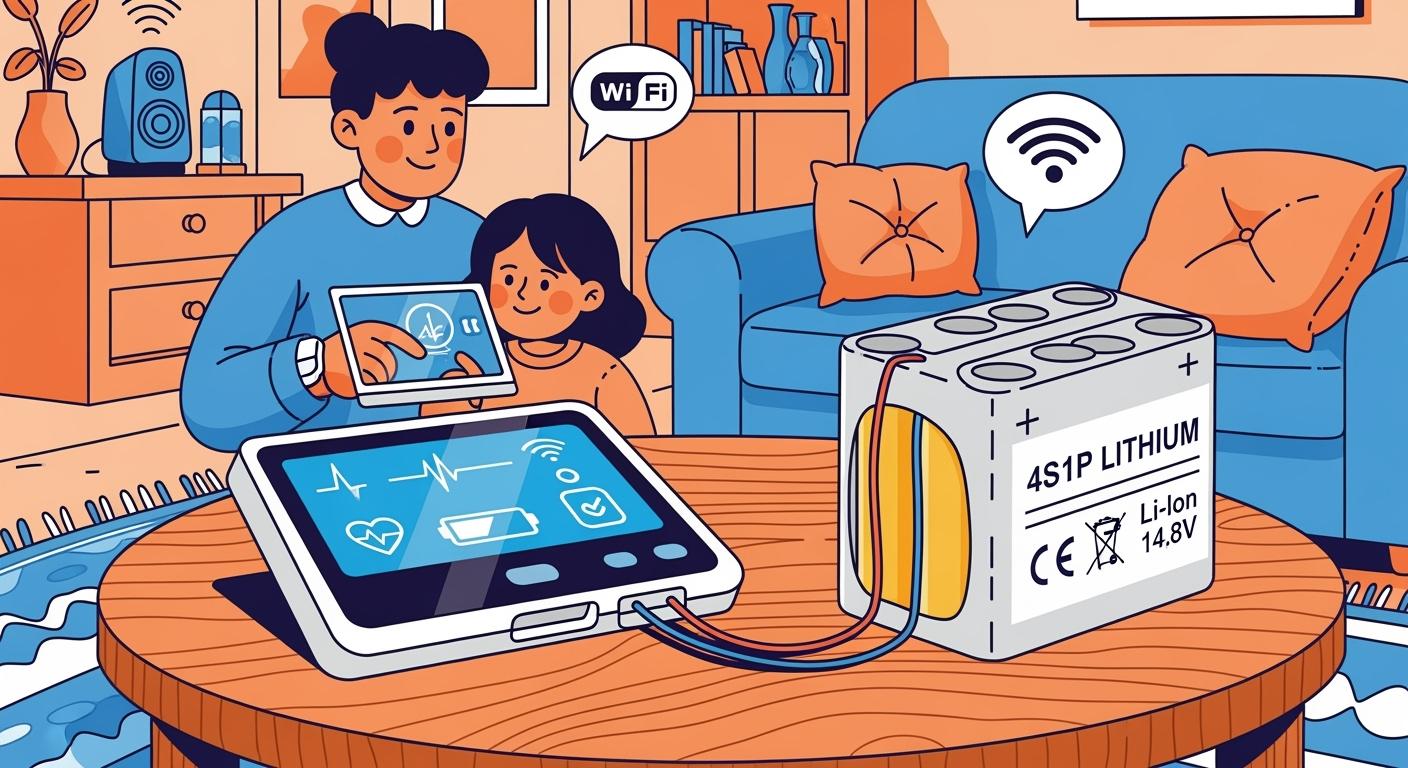
You need to make the right lithium battery selection for home care multi-function monitoring terminals to ensure consistent power and patient safety. Power failures in monitoring devices often occur due to outages, which can severely impact patients relying on medical equipment.
Patients using nebulizers, oxygen machines, or bilevel positive airway pressure machines face critical risks.
Exacerbations in respiratory and cardiovascular conditions may increase.
Choosing the proper battery with reliable capacity extends device lifespan and supports continuous care.
Battery Type | Lifespan (Years) | Cycle Life (Cycles) |
|---|---|---|
Lithium Iron Phosphate (LFP) | 15–20 | 6,000 to 10,000 |
Lead-Acid | N/A | N/A |
Understanding capacity (Ah) and maintenance helps you optimize device performance and make informed decisions.
Key Takeaways
Choose a 4S1P lithium battery for stable voltage and compact design, ensuring reliable power for medical devices.
Prioritize safety by selecting batteries with advanced protection circuits and compliance with safety standards to prevent risks.
Evaluate battery capacity and runtime to match your monitoring device’s needs, ensuring uninterrupted patient care.
Part1: Understanding 4S1P Lithium Battery Packs
1.1 4S1P Configuration Explained
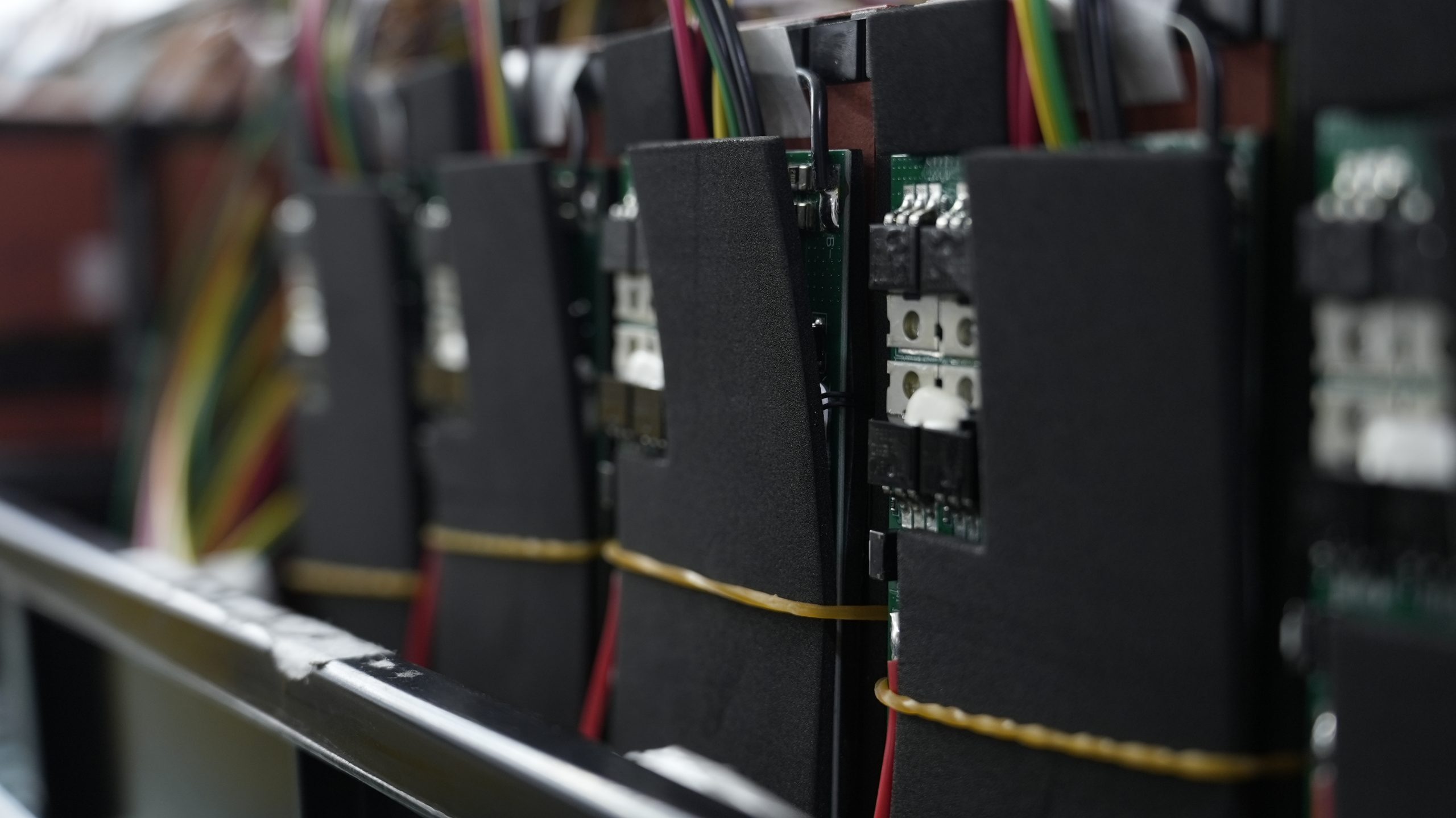
You encounter the term “4S1P” often when selecting a lithium battery for home care monitoring devices. This configuration means four lithium cells connect in series and one cell connects in parallel. The series connection increases the voltage, while the parallel connection maintains the capacity of a single cell. You can see the technical breakdown in the table below:
Component | Description |
|---|---|
Configuration | 4S1P (4 cells in series, 1 parallel) |
Voltage | 14.4V nominal voltage |
Capacity | Equal to one cell’s capacity |
This setup delivers a stable voltage output, which is essential for sensitive monitoring equipment. You ensure that your battery pack matches the voltage requirements of your terminals, supporting reliable operation.
1.2 Benefits for Home Care Terminals
You gain several advantages by choosing a 4S1P lithium battery for home care monitoring terminals. The compact size and lightweight design make integration into medical devices straightforward. The table below highlights how 4S1P compares to other configurations:
Configuration | Advantages | Disadvantages |
|---|---|---|
4S1P | Higher voltage output, compact size | Limited capacity due to single parallel structure |
3S2P | Balanced capacity and voltage | Larger size and weight |
4S2P | Doubles capacity, same voltage | Increased size and weight |
You benefit from high energy density and outstanding stability, which reduce the risk of failure and ensure continuous monitoring. The durable design withstands harsh environments, enhancing reliability. Flexible battery management system options allow you to customize safety features for your specific monitoring needs. Integrated PCB supports controlled discharge, improving reliability in sensitive applications. You support long-lasting power for uninterrupted patient care.
Tip: Always verify that your lithium battery pack includes a robust battery management system to maximize safety and reliability in home care monitoring terminals.
Part2: Lithium Battery Selection Criteria
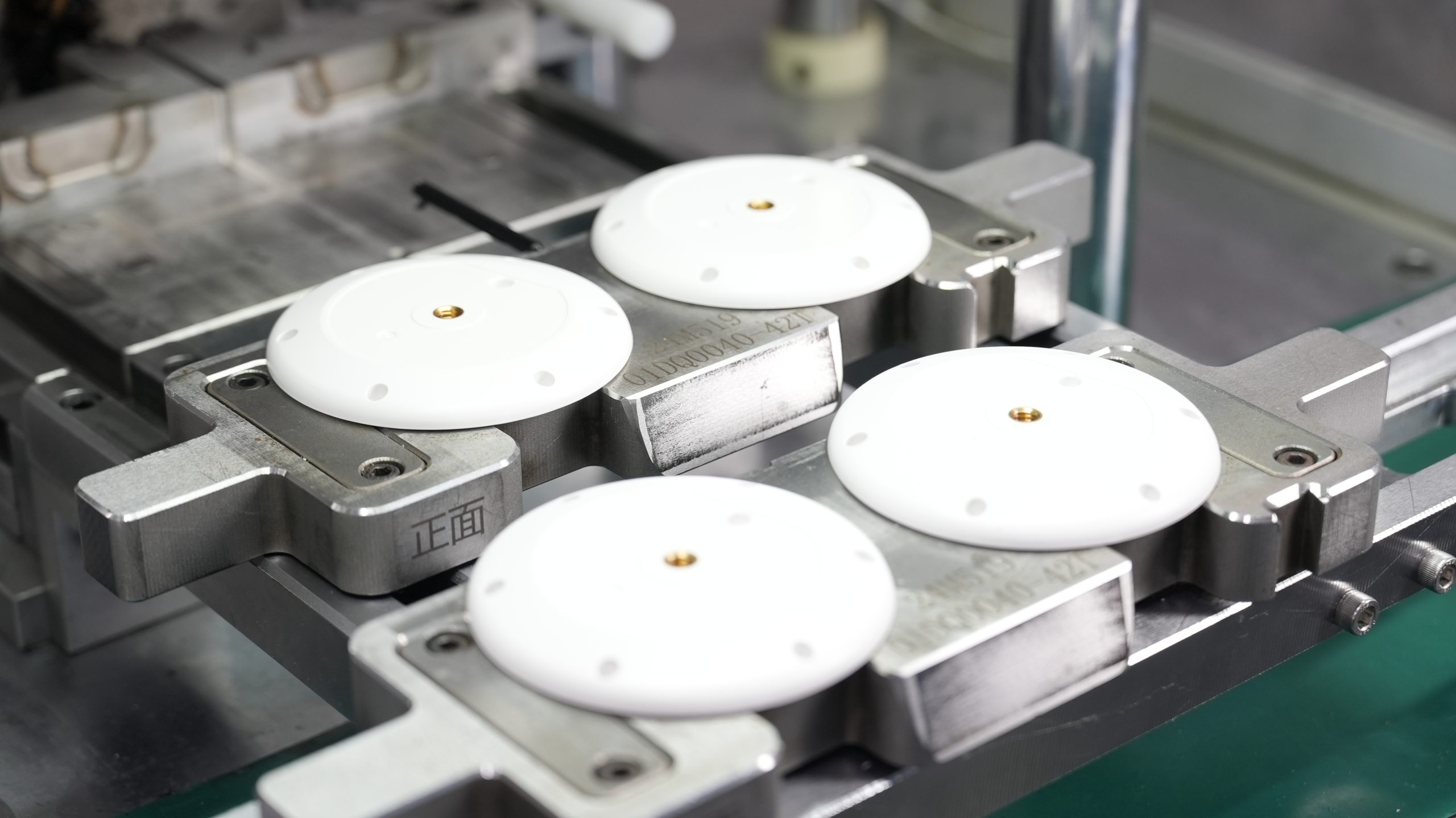
Selecting the right lithium battery for home care multi-function monitoring terminals requires a systematic approach. You must evaluate safety, capacity, compatibility, cycle life, and compliance to ensure optimal device performance and patient safety. Each criterion plays a critical role in lithium battery selection and impacts the reliability of your monitoring equipment.
2.1 Safety and Protections
Safety stands as the top priority in lithium battery selection for medical monitoring devices. You must choose batteries that integrate advanced protection circuits and comply with strict safety standards. These features prevent fires, leaks, fumes, and blasts, which can threaten patient health and device integrity.
Safety Feature | Description |
|---|---|
Compliance with ANSI/AAMI ES 60601-1 | General requirements for safety and performance of medical devices. |
Adherence to IEC standards | Includes IEC 62133, IEC 60086 Part 4, UL 1642 for lithium battery safety. |
Design for approved batteries and chargers | Prevents risks from unapproved replacements and thermal events. |
Clear Instructions for Use (IFU) | Guidelines for storage, charging, and maintenance to minimize risks. |
Protective packaging | Ensures safety during transit and prevents fire hazards. |
You should look for lithium batteries with the following protection circuits:
Protection Circuit Type | Function |
|---|---|
Fuse | Opens on high current, can be permanent or resettable. |
Positive Thermal Coefficient (PTC) | Increases resistance with temperature rise to reduce current flow, reversible when cooled. |
Current Interrupt Device (CID) | Cuts off circuit permanently when triggered by excessive pressure, temperature, or voltage. |
Vent | Releases gas during anomalies and can be resealed. |
Tip: Always verify that your lithium battery pack includes over-charge, over-discharge, over-current, and cell balancing protection. These features help prevent thermal runaway and extend battery life.
You must also consider risks such as fires, leaks, fumes, and blasts. Fires result from thermal runaway, leaks release toxic chemicals, fumes pose evacuation risks, and blasts can impact patients with implantable devices. Battery alarming systems provide early warnings for abnormal conditions, enhancing safety in monitoring applications.
2.2 Capacity and Runtime (Ah)
Battery capacity determines how long your monitoring device operates between charges. You must match battery capacity to the device’s runtime requirements to avoid interruptions in patient care. Capacity, measured in ampere-hours (Ah), reflects the total charge the battery can deliver.
Calculate the average power consumption of your monitoring terminal.
Estimate the required runtime for continuous operation.
Select a lithium battery with sufficient capacity to meet these needs.
You should also consider battery alarming features that notify you when capacity drops below safe levels. This proactive approach helps you schedule maintenance and replacement before performance declines.
Parameter | Importance |
|---|---|
Battery Capacity | Ensures uninterrupted monitoring |
Runtime (Ah) | Matches device operational requirements |
Alarming System | Alerts for low capacity and maintenance |
Note: Always verify the manufacturer’s specifications for battery capacity and runtime. Overestimating capacity can lead to oversized batteries, while underestimating can cause device shutdowns.
2.3 Device Compatibility
You must ensure that your lithium battery matches the voltage, connectors, and recharge requirements of your monitoring terminal. Incompatible batteries can cause operational failures and reduce device performance.
When selecting lithium batteries for home care monitoring terminals, check the following:
Voltage rating matches device requirements.
Connectors fit securely and support reliable power delivery.
Recharge profiles align with device charging systems.
Aspect | Details |
|---|---|
Safety Standards | Implantable batteries require ISO 13485 certification and body temperature operation. |
External device batteries must comply with IEC 60601 standards for safety and design. | |
Design Considerations | Accurate charging maximizes battery capacity and extends runtime. |
Precise charging profiles prevent damage and ensure longevity. |
You must consult with your device manufacturer or supplier to confirm compatibility. Custom lithium battery solutions may be necessary for specialized monitoring applications.
2.4 Cycle Life and Reliability
Cycle life measures how many charge and discharge cycles a lithium battery can complete before its capacity drops below a usable threshold. You should select batteries with high cycle life to maximize reliability and reduce replacement costs.
Battery Type | Cycle Life |
|---|---|
Typical Li-ion | Up to 1,000 cycles |
LiFePO₄ Chemistry | Up to 3,000 cycles |
Long cycle life ensures consistent performance and minimizes downtime in monitoring devices. You must consider the application scenario—medical, robotics, security system, infrastructure, consumer electronics, or industrial—when evaluating cycle life requirements. For more on battery management systems (BMS), see [BMS internal link].
Tip: Choose lithium batteries with proven cycle life data and robust construction. This approach supports long-term reliability and optimal device performance.
2.5 Certifications and Compliance
Certifications validate the safety, quality, and regulatory compliance of lithium batteries used in home care monitoring terminals. You must select batteries that meet international standards to ensure patient safety and device reliability.
Certification Standard | Description |
|---|---|
ISO 13485 | Quality management system for safe and reliable battery production. |
FDA General Safety and Performance Requirements | Meets IEC 62133, UL 2054, ISO 13485, IEC 60601-1; biocompatible and safe for patient use. |
European Medical Device Regulation (EU) | MDR compliance for safety, performance, and quality, including biocompatibility. |
IEC 62133 | International safety standard for secondary cells and batteries. |
UL 2054 | Safety standard for batteries covering electrical, mechanical, environmental, and thermal safety. |
IEC 60601-1 | General requirements for safety and performance of medical electrical equipment. |
ISO 10993-1 | Biological safety guidelines for medical devices. |
You must also consider sustainability and conflict minerals compliance. The harmonization of global battery recycling regulations and the EU’s approach to battery sustainability influence lithium battery selection. Emerging frameworks like the Battery Passport enhance traceability and compliance. For more information, see [sustainability internal link] and [conflict minerals internal link].
Tip: Request certification documentation from your supplier and verify compliance with all relevant standards. This step ensures your lithium battery selection meets regulatory and safety requirements.
Part3: Evaluating Battery Monitoring Systems
3.1 Monitoring Solutions Overview
You need to select battery monitoring systems that match the requirements of lithium battery packs in home care multi-function monitoring terminals. These systems track battery cell trending data, voltage, current, and temperature to ensure battery health and safety. You can choose from several BMS topologies, each with unique advantages:
BMS Topology Type | Description |
|---|---|
Centralized BMS | A single PCB monitors all cells, cost-effective for lower-power applications like IOT devices. |
Distributed BMS | Each module has an independent control board, offering high reliability and scalability. |
Modular BMS | Multiple slave control units monitor specific modules, allowing flexible expansion but complex control. |
Intelligent fault detection systems use machine learning to analyze battery behavior in real time. These systems identify abnormal patterns from onboard sensors, such as voltage and temperature, and report faults before they escalate. You benefit from early warnings and predictive maintenance, which support nerc-compliant battery monitoring and battery monitoring for nerc compliance.
Tip: Always evaluate battery monitoring systems for their ability to detect insulation faults, abnormal state of charge readings, and cell balancing issues.
3.2 Impact on Device Lifespan
Battery monitoring systems extend the lifespan of lithium batteries by protecting them from unsafe operating conditions. You gain several benefits:
They prevent over-charge and over-discharge, which can damage battery cells.
BMS performs cell balancing, ensuring all cells maintain equal charge and age evenly.
These features improve battery performance and reliability in medical, robotics, security system, infrastructure, consumer electronics, and industrial applications. You reduce the risk of premature battery failure and maximize the value of your investment.
3.3 Reducing Downtime and Costs
You can lower maintenance costs and minimize downtime by using advanced battery monitoring systems. The following table highlights key benefits:
Benefit | Description |
|---|---|
Real-time monitoring | |
Early detection of issues | Identifies potential problems before they escalate, preventing costly repairs. |
Proactive maintenance strategies | Enables targeted interventions, reducing the need for full replacements. |
You detect weak batteries early and replace only faulty units, reducing labor costs and manual inspections. Monitoring parameters such as state-of-charge, state-of-health, voltage, current, and cell temperature are crucial for nerc-compliant battery monitoring and battery monitoring for nerc compliance. You ensure safety and longevity by choosing systems that track these metrics.
Note: When evaluating battery monitoring systems, prioritize solutions that provide comprehensive data, support predictive maintenance, and integrate seamlessly with lithium battery packs. Consult with your supplier for custom monitoring solutions tailored to your terminals.
You ensure reliable power for home care monitoring terminals by following these steps:
Inspect batteries visually and check terminal torque.
Update BMS firmware and review diagnostics.
Prioritize certified batteries (IEC 60601, ISO 13485).
Vet suppliers and verify documentation.
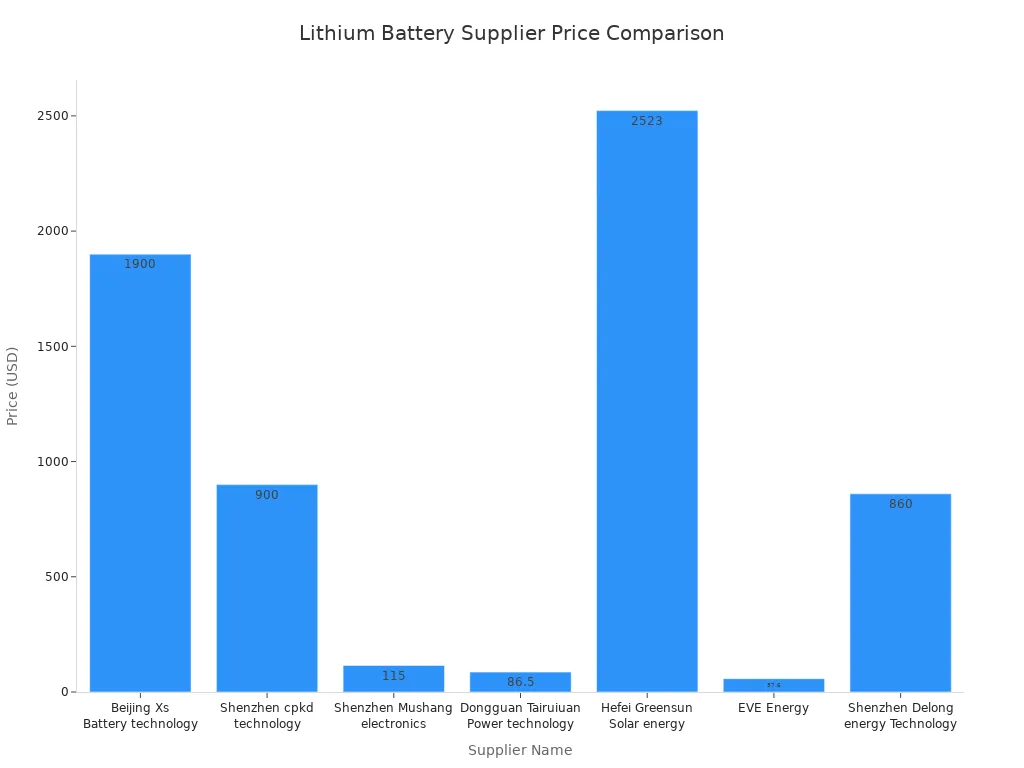
For tailored solutions, request a custom battery consultation.
FAQ
What advantages do 4S1P lithium battery packs offer for medical and industrial monitoring terminals?
You gain stable voltage, high energy density, and compact size. These packs suit medical, robotics and industrial applications.
How does Large Power support custom lithium battery solutions for B2B clients?
You receive tailored battery packs, technical support, and compliance documentation. Request a custom battery solution for your specific monitoring terminal requirements.
Which lithium battery chemistries deliver the longest cycle life for monitoring devices?
Chemistry | Typical Cycle Life (cycles) |
|---|---|
Lithium Iron Phosphate | 6,000–10,000 |
Lithium Nickel Manganese Cobalt Oxide | 1,000–2,000 |
You maximize reliability by selecting the right chemistry.


