

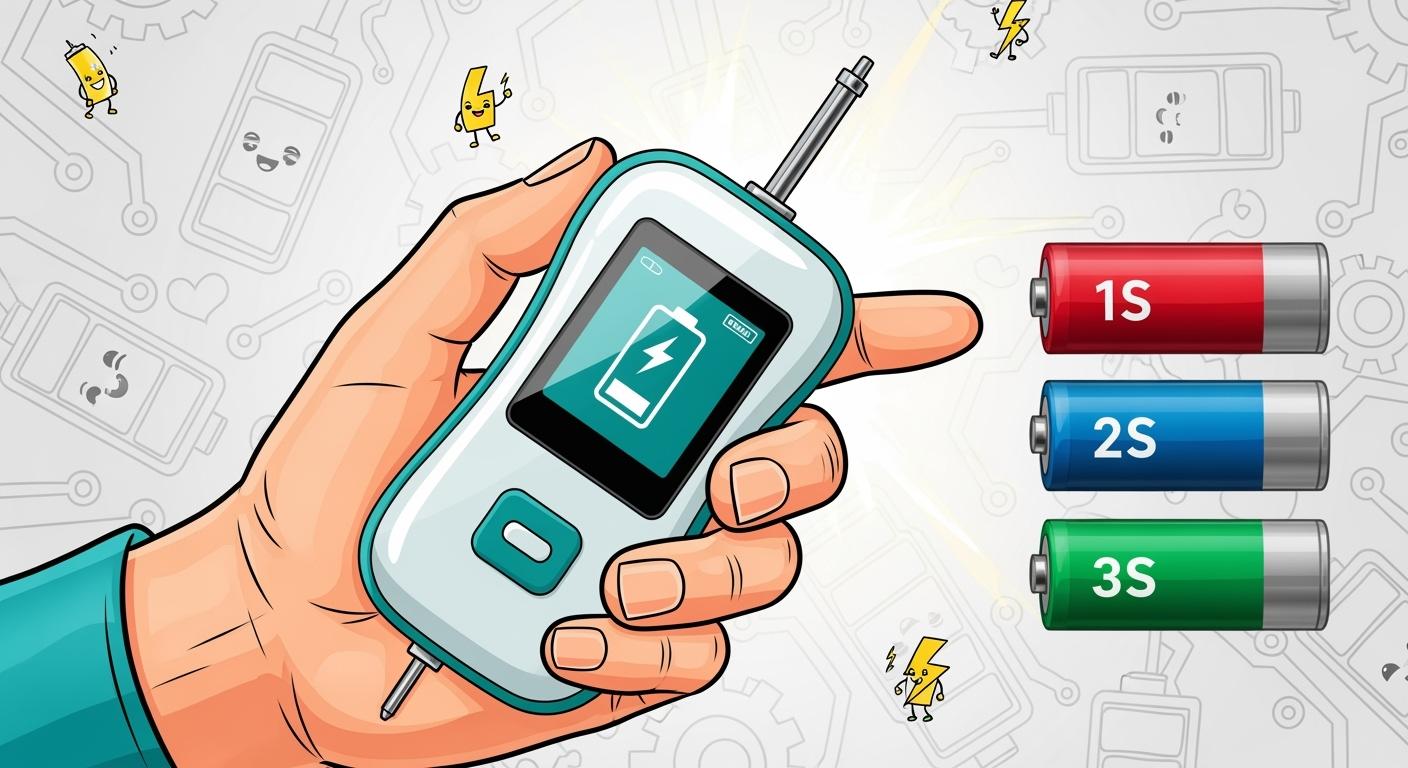
You demand reliable, portable battery solutions for handheld testers. 1S–3S lithium batteries deliver lightweight design and consistent power output. Lithium’s high energy density ensures extended operation time. Fast charging supports efficient workflows. Lightweight Trends in handheld testers reflect your need for mobility and performance.
Key Takeaways
1S–3S lithium batteries are lightweight and compact, making handheld testers easier to carry and use during long shifts.
High energy density in lithium batteries means longer operational time, allowing for fewer interruptions and more efficient workflows.
Fast charging capabilities of lithium batteries reduce downtime, keeping your handheld testers ready for use when you need them most.
Part1: Lightweight Trends in Handheld Testers
1.1 Demand for Portability
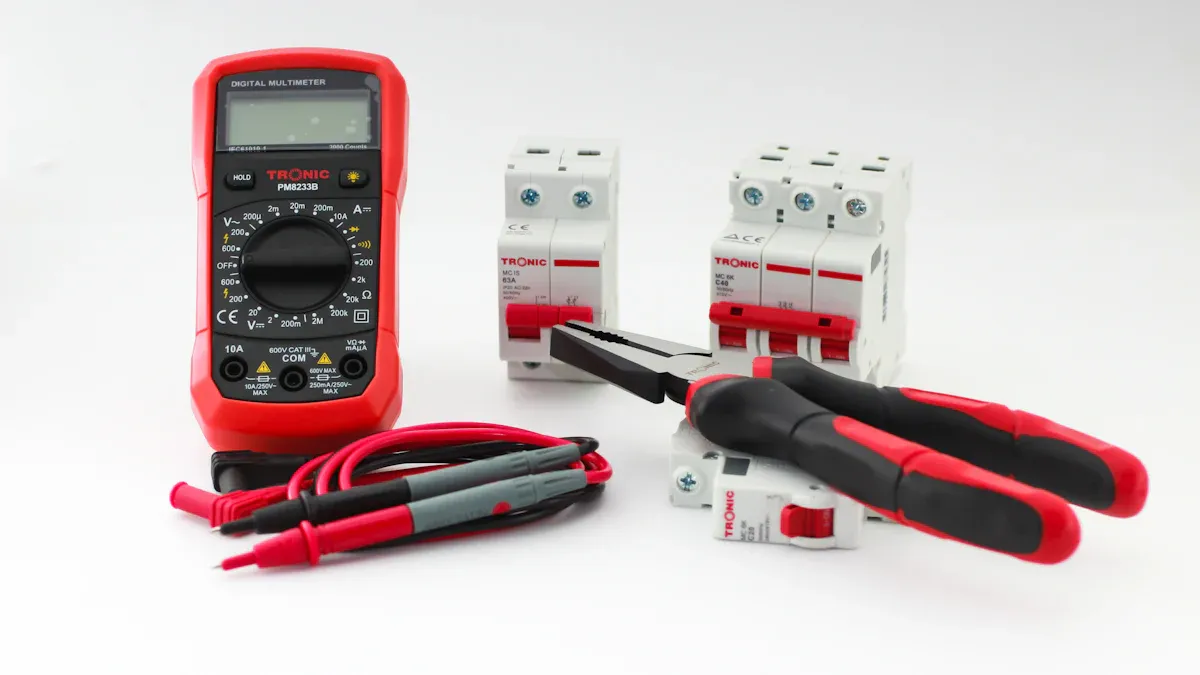
You see a clear shift in the market toward compact, easy-to-carry handheld testers. Field engineers, technicians, and quality control teams now expect tools that fit into a pocket or toolkit without adding extra weight. This demand drives manufacturers to prioritize Lightweight Trends in product design. Lightweight Trends help your teams work efficiently across multiple sites, reducing fatigue and increasing productivity.
Note: Portability does not only improve user comfort. It also allows for faster response times and better workflow management in demanding environments.
1.2 Impact of Lithium Technology
Lithium battery packs play a central role in enabling Lightweight Trends. You benefit from their high energy density, which means more power in a smaller, lighter package. For example, a typical lithium-ion cell offers a platform voltage of 3.7V and an energy density of 150–250 Wh/kg. This outperforms legacy chemistries like nickel-metal hydride (NiMH) or alkaline batteries, which deliver lower energy density and require larger, heavier packs for the same runtime.
Battery Chemistry | Platform Voltage | Energy Density (Wh/kg) | Typical Cycle Life |
|---|---|---|---|
Lithium-ion | 3.6-3.7V | 150–250 | 500–1,000 |
NiMH | 1.2V | 60–120 | 300–500 |
Alkaline | 1.5V | 80–100 | Single-use |
You gain longer operational time and faster charging with lithium battery packs. This technology supports the Lightweight Trends that define modern handheld testers, making your equipment more competitive and reliable in the field.
Part2: Evolution of Battery Packs
2.1 From Legacy Batteries to Lithium
You have seen the battery landscape change rapidly in handheld testers. In the past, you relied on nickel-metal hydride (NiMH) and alkaline batteries. These options offered limited energy density and added bulk to your devices. As your industry demanded more portable and efficient solutions, you turned to lithium-ion and lithium-polymer batteries. These chemistries deliver higher energy density, longer cycle life, and lighter weight. You now benefit from battery packs that support longer runtimes and faster charging, which align with the lightweight trends shaping your product development.
Note: Lithium battery packs also reduce maintenance needs and lower total cost of ownership for your business.
Battery Chemistry | Platform Voltage | Energy Density (Wh/kg) | Typical Cycle Life |
|---|---|---|---|
Lithium-ion | 3.6-3.7V | 150–250 | 500–1,000 |
Lithium-polymer | 3.7V | 150–250 | 300–700 |
NiMH | 1.2V | 60–120 | 300–500 |
Alkaline | 1.5V | 80–100 | Single-use |
2.2 Rise of 1S–3S Configurations
You now see 1S–3S lithium battery packs as the standard in handheld testers. These configurations offer a balance between voltage, capacity, and safety. A 1S pack provides 3.6-3.7V, while a 3S pack delivers up to 10.8-11.1V, meeting the needs of most portable test equipment. You gain flexibility in design and can optimize for either longer runtime or higher power output. Manufacturers choose 1S–3S packs because they simplify battery management and reduce weight, supporting the Lightweight Trends that drive your industry forward.
Tip: Choosing the right configuration helps you meet specific application requirements without sacrificing portability or performance.
Part3: Advantages of 1S–3S Lithium Batteries
3.1 Lightweight & Compact
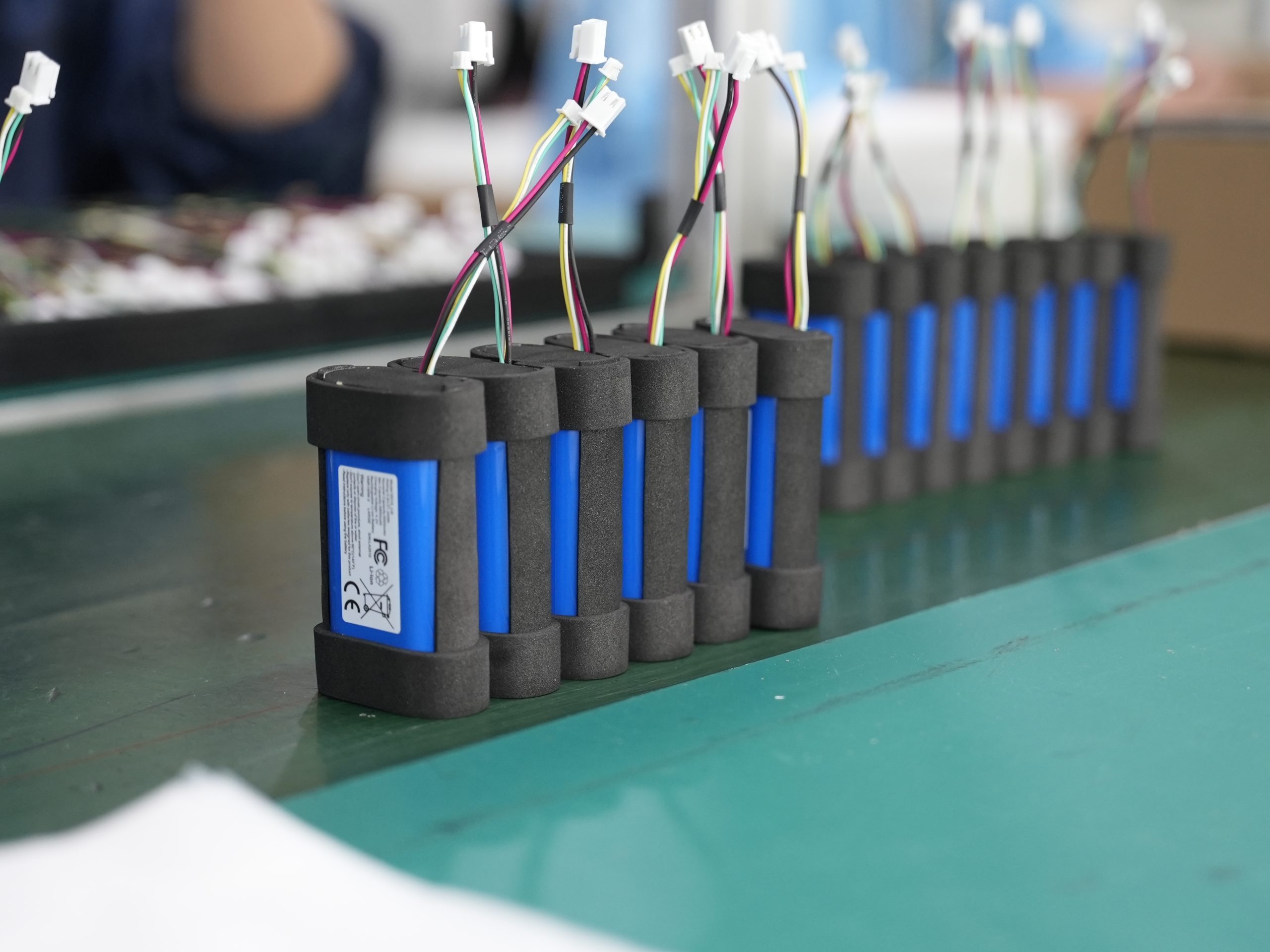
You need handheld testers that do not weigh you down during long shifts or frequent site visits. 1S–3S lithium battery packs deliver a lightweight and compact solution. These batteries use advanced materials and cell designs to minimize bulk while maximizing performance. You can integrate them into slim, ergonomic devices that fit easily in your hand or pocket.
High power output supports demanding applications.
Lightweight construction enhances portability.
Compact form factor allows seamless integration into handheld testers.
Fast charging reduces downtime and keeps your workflow efficient.
You benefit from these features every day. Your teams move faster and experience less fatigue. The Lightweight Trends in battery technology enable you to design and deploy testers that meet modern field requirements.
3.2 High Energy Density
You expect your handheld testers to last through long workdays without frequent recharging. 1S–3S lithium battery packs provide high energy density, which means more energy stored in a smaller, lighter package. This advantage translates to longer operational time and fewer interruptions.
Battery Chemistry | Platform Voltage | Energy Density (Wh/kg) | Typical Cycle Life |
|---|---|---|---|
Lithium-ion | 3.6-3.7V | 150–250 | 500–1,000 |
LiFePO4 | 3.2V | 90–160 | 2,000–4,000 |
NMC | 3.7V | 150–220 | 1,000–2,000 |
LCO | 3.7V | 150–200 | 500–1,000 |
LMO | 3.7V | 100–150 | 300–700 |
LTO | 2.4V | 70–80 | 3,000–7,000 |
Solid-state | 3.7V | 250–350 | 1,000–2,000 |
Lithium metal | 3.7V | 300–500 | 500–1,000 |
You see that lithium-ion and NMC chemistries offer a strong balance of energy density and cycle life. These properties make 1S–3S packs ideal for portable testers. You can trust your equipment to deliver consistent performance throughout the day.
Note: High energy density not only extends runtime but also allows you to reduce the overall size of your devices, supporting ongoing Lightweight Trends in the industry.
3.3 Fast Charging
You operate in environments where every minute counts. 1S–3S lithium battery packs support fast charging, which means you spend less time waiting and more time working. Quick recharge cycles keep your testers ready for deployment, even during busy shifts.
Fast charging technology reduces downtime.
You can achieve significant charge levels in under an hour.
Your teams maintain productivity with minimal interruptions.
You gain a competitive edge by choosing battery packs that recharge quickly. This advantage improves your workflow and ensures your handheld testers remain available when you need them most.
Tip: Pairing fast charging with high energy density maximizes both uptime and efficiency for your business.
Part4: Future Outlook
6.1 Battery Technology Advances
You see rapid innovation in lithium battery technology for handheld testers. Manufacturers now explore advanced chemistries, such as solid-state batteries, which promise higher energy density and improved safety. Solid-state batteries [internal link: solid-state battery] use solid electrolytes, reducing risks of leakage and thermal runaway. You benefit from longer cycle life and faster charging, which support demanding industrial applications. Research teams also develop lithium metal and lithium-sulfur cells, aiming to push energy density beyond current standards. You can expect future handheld testers to deliver even lighter designs and extended runtimes.
Tip: Stay updated on battery breakthroughs to maintain your competitive edge in portable test equipment.
Chemistry | Platform Voltage | Energy Density (Wh/kg) | Typical Cycle Life |
|---|---|---|---|
Lithium-ion | 3.6-3.7V | 150–250 | 500–1,000 |
Solid-state | 3.7V | 250–350 | 1,000–2,000 |
Lithium metal | 3.7V | 300–500 | 500–1,000 |
6.2 Sustainability Trends
You face growing pressure to meet sustainability goals in battery production. Regulatory changes in the EU and UK impact your supply chain and manufacturing costs. You must adapt to stricter environmental standards and reporting requirements. The table below highlights recent challenges:
Manufacturer Challenges | Cost Increases | Supplier Changes |
|---|---|---|
90% of exporting manufacturers face challenges trading with the EU post-Brexit | 48.2% of manufacturing companies incurred extra costs due to the EU-UK transition | 42% of manufacturers increased the proportion of their suppliers based in Great Britain over 2021-22 |
You improve your business reputation by adopting eco-friendly materials and recycling programs. Sustainable practices help you comply with regulations and attract partners who value responsible sourcing. You also reduce long-term costs by optimizing your supply chain for environmental performance. As you plan future handheld testers, prioritize lithium battery packs that support both innovation and sustainability.
You choose 1S–3S lithium battery packs for handheld testers because they offer lightweight design, high energy density, and fast charging. These features support industry trends for portability and efficiency. You gain business advantages through longer runtime and reduced downtime. Ongoing lithium technology advances will drive future innovation.
FAQ
What makes 1S–3S lithium battery packs ideal for handheld testers?
You gain lightweight design, high energy density, and fast charging. These features support efficient workflows and reliable performance in professional testing environments.
How does Large Power support custom lithium battery solutions for B2B clients?
You can request a custom battery solution from Large Power. Click for custom consultation and receive tailored lithium battery packs for your specific handheld tester requirements.
Which lithium battery chemistry offers the best cycle life for handheld testers?
Chemistry | Platform Voltage | Energy Density (Wh/kg) | Typical Cycle Life |
|---|---|---|---|
LiFePO4 | 3.2V | 90–160 | 2,000–4,000 |
NMC | 3.7V | 150–220 | 1,000–2,000 |
Lithium-ion | 3.7V | 150–250 | 500–1,000 |
You achieve the longest cycle life with LiFePO4 chemistry.


