

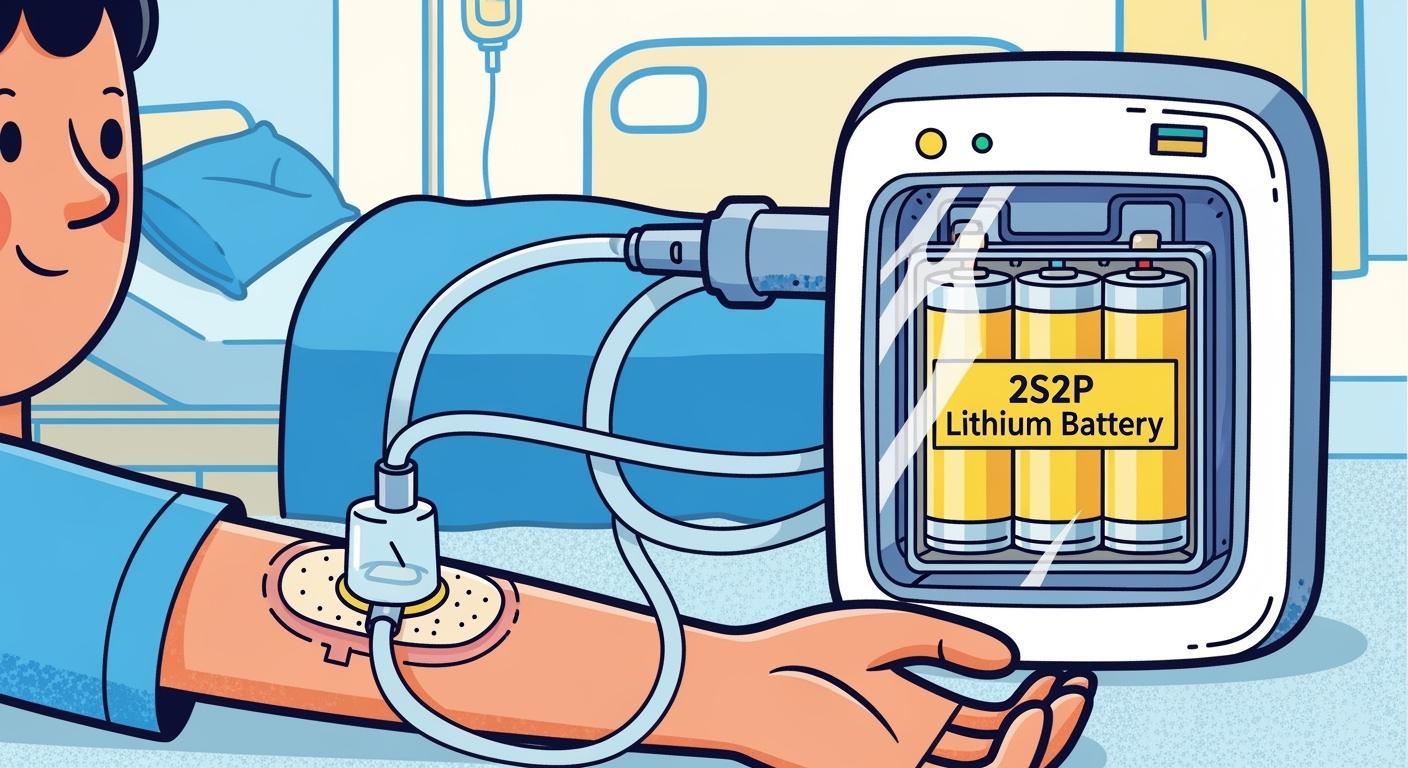
You need a reliable power source for portable negative pressure wound therapy devices. The 2S2P configuration combines two lithium cells in series and two in parallel, delivering higher voltage and greater capacity. This Lithium Battery Solution improves device performance, supports patient safety, and ensures consistent therapy outcomes.
Key Takeaways
The 2S2P configuration combines two lithium cells in series and two in parallel, providing higher voltage and greater capacity for portable medical devices.
This battery solution ensures consistent voltage and extended runtime, which are crucial for effective wound therapy and patient safety.
Advanced safety features, such as battery management systems and thermal protection, enhance reliability and reduce the risk of failures during operation.
Part1: 2S2P Lithium Battery Solution Overview
1.1 Configuration and Structure
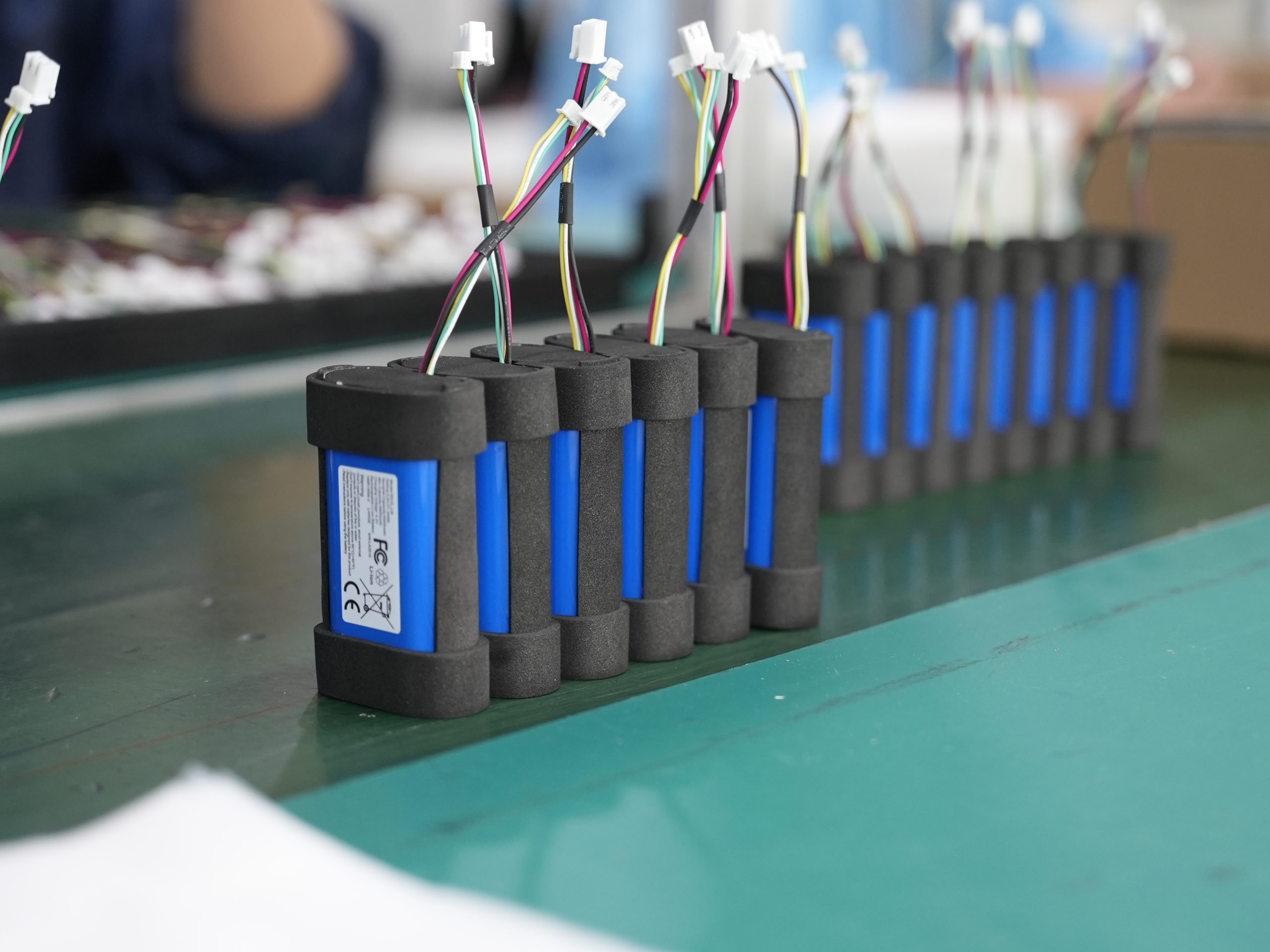
You need a battery pack that delivers both reliability and performance for portable medical devices. The 2S2P configuration connects two cells in series and two in parallel. This structure doubles the capacity while maintaining the voltage, which improves current handling and extends runtime. You benefit from a robust Lithium Battery Solution that supports high-current demands and long operational periods.
Tip: The 2S2P configuration is ideal for applications requiring stable power and extended use, such as Medical devices, robotics, and security systems.
Configuration | Description | Benefits |
|---|---|---|
2S2P | Two pairs of parallel cells connected in series | Doubles capacity, maintains voltage, improves current handling, ideal for extended runtime |
1.2 Voltage, Capacity, and Runtime
You require consistent voltage and sufficient capacity to ensure uninterrupted therapy. A typical 2S2P Lithium Battery Solution uses lithium-ion chemistry, which offers high energy density and a long cycle life. The nominal voltage reaches 7.2V, and the capacity ranges from 3200mAh to 5700mAh, supporting extended device operation.
Specification | Details |
|---|---|
Product Type | Rechargeable, Battery, Standard Pack |
Chemistry | Li-ion |
Voltage (Nominal) | 7.2 V |
Capacity (Nominal) | 5.7 Ah |
Certifications | UN 38.3 |
Operating Temperature | -20 to 60 °C |
Common Applications | Portable electronics, Hand-held devices, Medical equipment |
You gain several advantages with lithium-ion batteries: high energy density, lightweight design, and no memory effect. Compared to other chemistries, lithium-ion and lithium polymer batteries deliver superior energy density and efficiency.
Battery Type | Energy Density (Wh/kg) | Charge/Discharge Efficiency (%) |
|---|---|---|
Traditional Lithium Ion | 150-250 | 90-95 |
Lithium Polymer | 300-400 | Above 95 |
You secure stable voltage and extended runtime, which are critical for portable medical devices. The Lithium Battery Solution ensures your device remains lightweight and easy to transport.
Part2: Suitability for Portable NPWT Devices
2.1 Power Needs of NPWT Devices
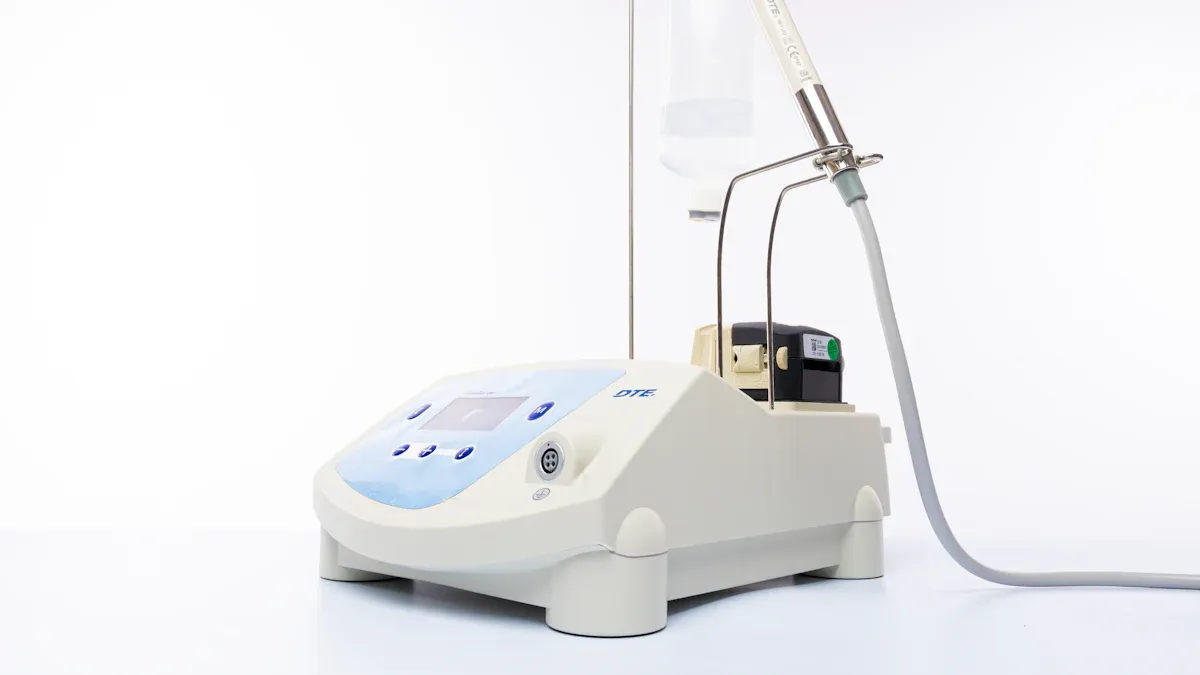
You require a power source that supports continuous operation and reliability in portable NPWT devices. These devices use diaphragm pumps, which deliver a constant and stable vacuum. This feature is essential for effective wound healing and patient compliance. Unlike other portable medical devices, NPWT systems prioritize quiet operation and oil-free air delivery. You need a battery solution that can sustain these demands for extended periods.
Diaphragm pumps provide reliable, quiet performance.
Stable vacuum ensures consistent therapy outcomes.
Oil-free operation maintains safe, breathable air for patients.
You must consider runtime requirements that often exceed those of other portable medical equipment. Extended therapy sessions demand a battery pack that can deliver power for many hours without interruption.
2.2 How 2S2P Solution Meets Requirements
You benefit from the 2S2P Lithium Battery Solution because it balances power output and battery life. The configuration delivers a nominal voltage of 7.2V, which matches the operating needs of most NPWT devices. By doubling the capacity through parallel cell arrangement, you achieve longer runtimes and fewer interruptions during therapy.
Many advanced NPWT devices, including models like extriCARE® 1000 and extriCARE™ 2400, use lithium-ion battery packs for their high energy density and long cycle life. The 2S2P structure supports these requirements by providing:
Feature | Benefit for NPWT Devices |
|---|---|
High Energy Density | Lightweight, portable design |
Stable Voltage Output | Consistent pump performance |
Extended Runtime | Fewer battery changes, less downtime |
Long Cycle Life | Lower maintenance costs |
You can rely on this Lithium Battery Solution to maintain device performance throughout the therapy session. The robust design also supports the high current demands of diaphragm pumps, ensuring stable operation.
2.3 Key Advantages in NPWT Applications
You gain several advantages when you choose the 2S2P Lithium Battery Solution for NPWT devices:
Note: Portability, reliability, and safety are critical for medical device applications.
Portability: The lightweight design allows you to create compact, easy-to-carry devices for home or clinical use.
Reliability: Consistent voltage and high energy density ensure uninterrupted therapy, which improves patient outcomes.
Safety: Lithium-ion batteries include built-in protection circuits that guard against overcharge, over-discharge, and short circuits.
Simplified Maintenance: Long cycle life reduces the frequency of battery replacements, lowering total cost of ownership.
You can meet the strict requirements of the medical sector by selecting a Lithium Battery Solution that aligns with industry standards for safety and performance. This approach supports both device manufacturers and healthcare providers in delivering effective, reliable wound therapy.
Part3: Implementation and Performance
3.1 Battery Management and Safety
You need robust safety features when integrating a Lithium Battery Solution into portable NPWT devices. Manufacturers use advanced battery management systems (BMS) to monitor temperature, balance cells, and track current in real time. These systems prevent overheating and ensure even charge distribution. You benefit from self-test diagnostics at startup, which check battery health and reduce the risk of unexpected failures. The table below summarizes key risk mitigation strategies:
Strategy | Description |
|---|---|
Temperature Monitoring | Prevents overheating |
Advanced Battery Management Systems | Manages performance and safety |
Compliance with Safety Standards | Ensures regulatory adherence |
Overcharge/Over-discharge Protection | Prevents excessive charging damage |
Thermal Protection | Manages temperature with sensors |
Cell Balancing | Distributes charge evenly |
Fire-resistant Casing | Protects against fire hazards |
Self-test Diagnostics | Checks battery health at startup |
Cold-weather Charging Protection | Enables safe charging in low temperatures |
Real-time Current Tracking | Monitors consumption in real time |
3.2 Charging Protocols and Compliance
You must follow strict charging and discharging protocols to maintain battery integrity. Manufacturers design NPWT devices to comply with international safety standards, such as UN 38.3. You should use certified chargers that match the battery’s voltage and chemistry, including LiFePO4, NMC, and LCO. These protocols prevent overcharging and extend cycle life. You ensure device reliability by adhering to regulatory requirements and using approved components.
Tip: Always verify charger compatibility and certification before deployment.
3.3 Real-World Metrics and Feedback
You can expect consistent performance metrics from NPWT devices using a Lithium Battery Solution. Clinicians report extended runtimes, often exceeding eight hours per charge. You experience fewer interruptions during therapy, which improves patient outcomes. User feedback highlights the reliability and safety of these battery packs in clinical settings. Manufacturers continue to refine battery management and charging systems based on real-world data, ensuring ongoing improvements in device performance.
You gain optimal performance for portable NPWT devices with the 2S2P Lithium Battery Solution. This approach supports reliability, safety, and extended runtime for your medical products. Future trends include:
Advanced post-lithium chemistries for better safety and sustainability
Higher energy density for longer runtimes
For custom solutions, contact us for consultation.
FAQ
What makes the 2S2P lithium battery solution ideal for medical and industrial devices?
You gain stable voltage and extended runtime. The 2S2P configuration supports high-current demands in medical, robotics, and security sectors. Large Power ensures reliable packs for critical applications.
How does the 2S2P lithium battery compare to other chemistries in terms of cycle life and energy density?
Chemistry | Platform Voltage | Energy Density (Wh/kg) | Cycle Life (cycles) |
|---|---|---|---|
LiFePO4 | 3.2 V | 100-180 | 2000+ |
NMC | 3.7 V | 160-270 | 1000-2000 |
LCO | 3.7 V | 180-230 | 500-1000 |
Where can you get custom lithium battery solutions for NPWT or industrial devices?
For tailored battery packs, contact Large Power. You receive expert consultation for medical, infrastructure, and industrial applications.


