

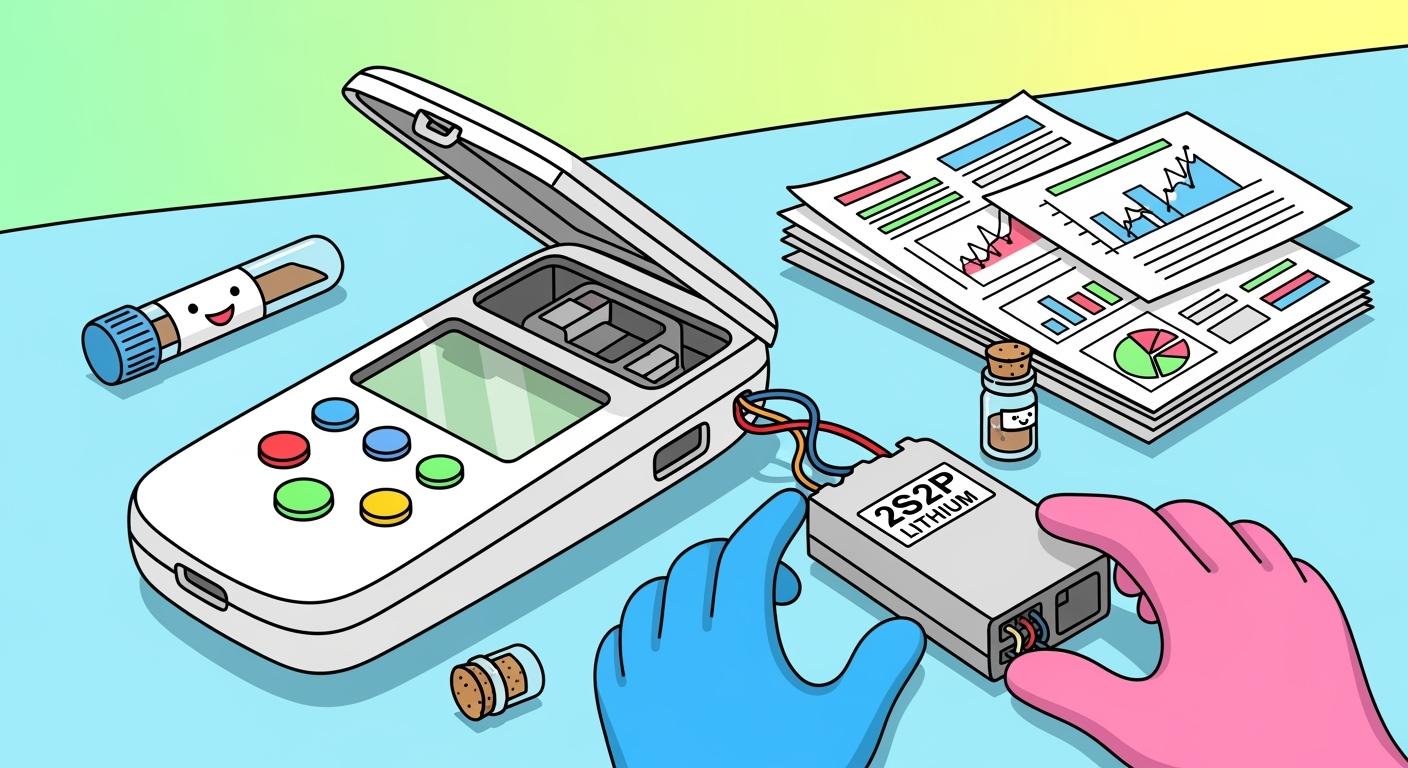
You rely on advanced portable blood testing equipment for accurate diagnostics in demanding environments. The Lithium Battery Structure in a 2S2P configuration delivers stable power essential for medical applications. Proper battery design ensures your devices maintain reliability, safety, and optimal performance during critical clinical or field operations.
Key Takeaways
The 2S2P lithium battery structure provides stable voltage and extended runtime, essential for accurate blood testing in clinical settings.
Using 18650 cells in a 2S2P configuration allows for a compact design, making portable analyzers lightweight and easy to transport.
Custom battery packs enhance compatibility and safety, ensuring that medical devices meet strict industry standards and operate reliably.
Part1: Lithium Battery Structure in 2S2P Packs
1.1 2S2P Configuration Explained
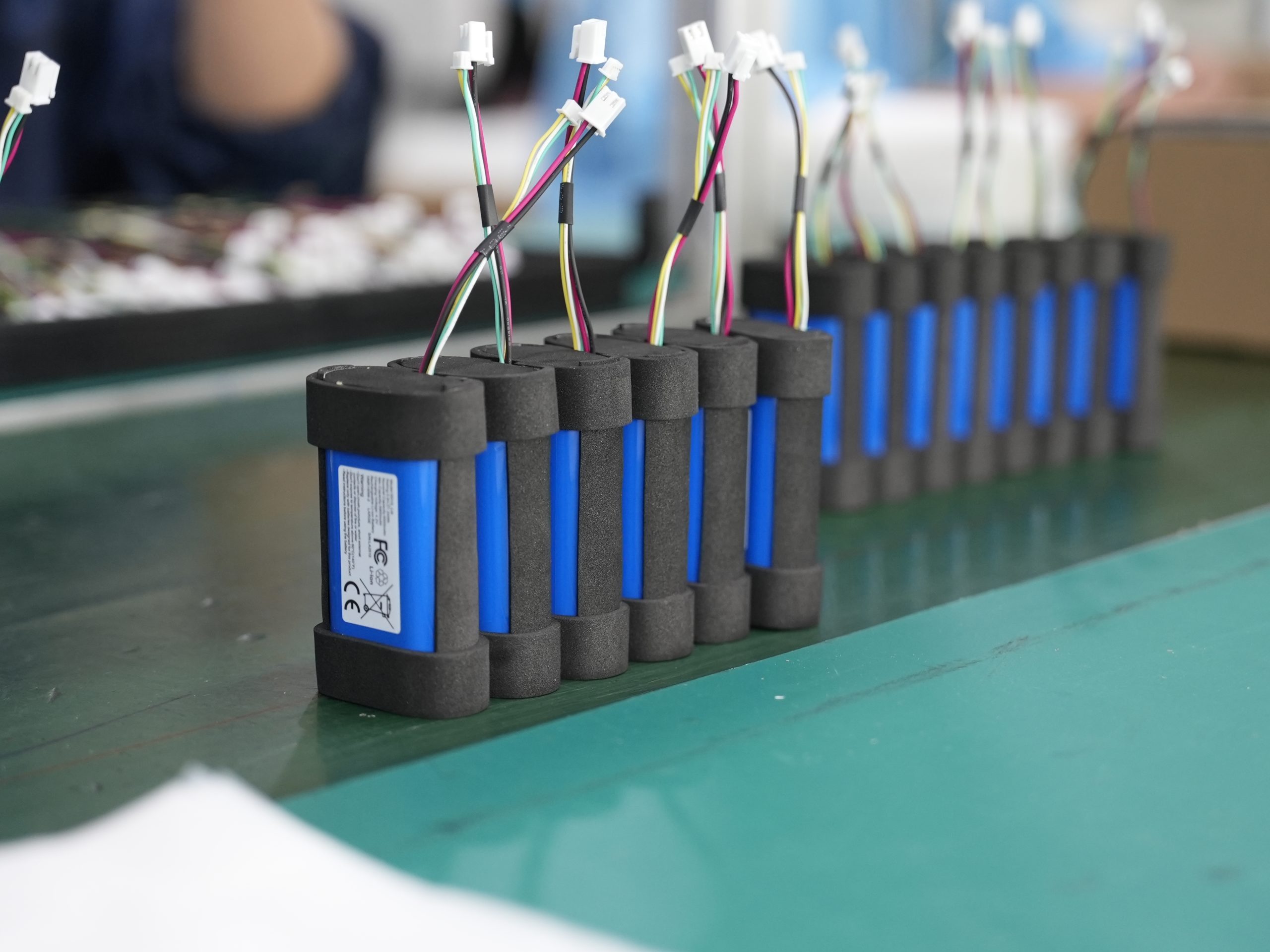
You encounter the 2S2P configuration frequently in portable medical equipment. This structure uses four individual cells arranged in two series and two parallel connections. In most cases, manufacturers select 18650 cells for their balance of energy density, safety, and reliability. The Lithium Battery Structure in a 2S2P pack combines two cells in series to double the voltage, then connects two of these series pairs in parallel to increase the capacity. This arrangement ensures your device receives both the voltage and runtime required for demanding clinical applications.
Tip: The 2S2P configuration offers a practical solution for compact devices where both high energy and stable output are essential.
1.2 Series and Parallel Cell Arrangement
You benefit from the unique properties of series and parallel arrangements in the Lithium Battery Structure. When you connect two cells in series, the voltage adds up while the capacity remains the same. For example, two 3.7V cells in series provide 7.4V. When you connect two of these series pairs in parallel, the total capacity doubles, but the voltage stays at 7.4V. This design allows you to tailor the battery pack to meet the specific voltage and capacity needs of your blood testing equipment.
Series Connection: Increases voltage (e.g., 3.7V + 3.7V = 7.4V)
Parallel Connection: Increases capacity (e.g., 2,500mAh + 2,500mAh = 5,000mAh)
You often see 18650 lithium-ion cells used in these packs due to their proven performance in medical and industrial settings.
1.3 Electrical Output and Redundancy
You require consistent electrical output for accurate blood analysis. The 2S2P Lithium Battery Structure delivers stable voltage and extended runtime, which are critical for portable analyzers. The parallel arrangement also provides redundancy. If one cell fails, the remaining cells can continue to supply power, reducing the risk of device shutdown during critical operations.
Configuration | Voltage (V) | Capacity (mAh) | Redundancy | Typical Cell Type |
|---|---|---|---|---|
2S2P | 7.4 | 5,000 | High | 18650 Li-ion |
1S2P | 3.7 | 5,000 | Moderate | 18650 Li-ion |
2S1P | 7.4 | 2,500 | Low | 18650 Li-ion |
You can see that the 2S2P structure offers a strong balance between voltage, capacity, and operational safety. This makes it a preferred choice for portable blood testing devices where reliability is non-negotiable.
Part2: 2S2P in Blood Analyzers
2.1 Power Needs for Medical Devices
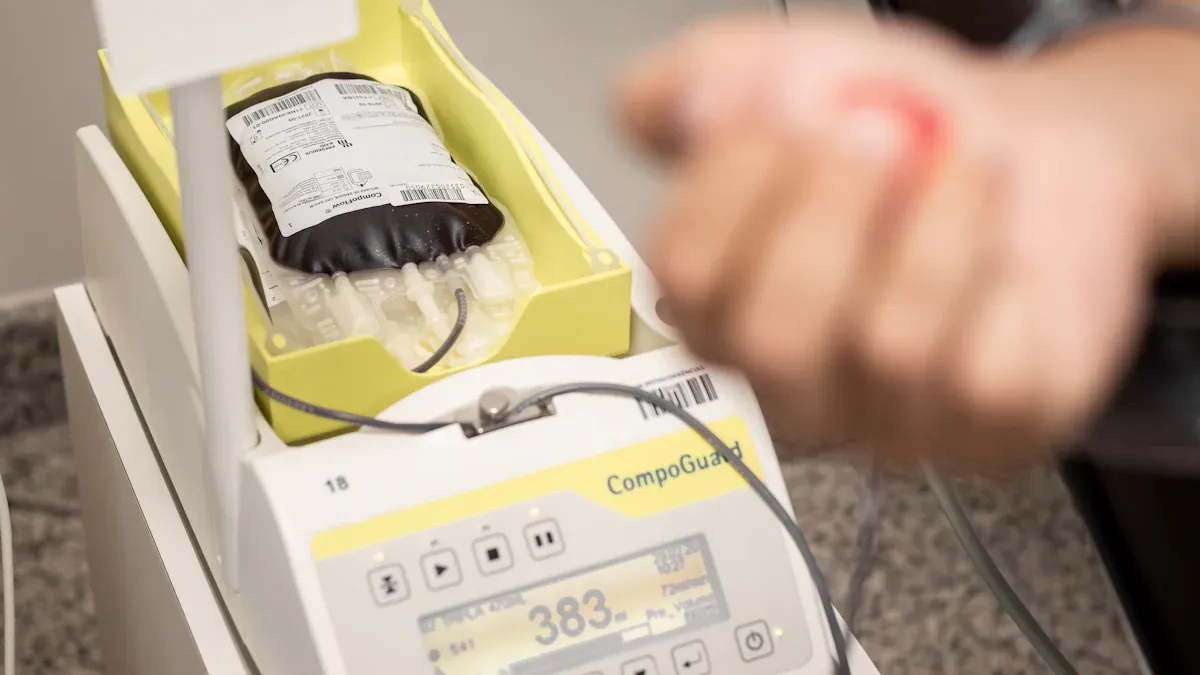
You depend on portable blood analyzers to deliver accurate results in clinics, ambulances, and remote locations. These devices require a reliable power source that supports continuous operation and rapid startup. The 2S2P lithium battery structure meets these demands by providing a stable voltage of 7.4V and a capacity of 5200mAh. This configuration ensures your analyzer runs efficiently throughout extended testing sessions.
You benefit from consistent voltage output, which prevents errors in sensitive measurements.
The increased capacity allows for multiple tests before recharging, supporting busy clinical workflows.
The lithium battery structure supports high-drain applications, making it suitable for advanced medical devices.
Note: Stable power delivery is essential for maintaining the accuracy and reliability of blood analysis, especially in time-critical environments.
2.2 Portability and Size Advantages
You require equipment that is easy to transport and operate in diverse settings. The 2S2P lithium battery structure enables manufacturers to design compact, lightweight analyzers without sacrificing performance. The use of 18650 cells in this configuration allows for a slim profile and reduced weight, which enhances portability.
Feature | 2S2P Lithium Battery Structure | Impact on Device |
|---|---|---|
Voltage | 7.4V | Supports advanced electronics |
Capacity | 5200mAh – 7000mAh | Enables longer runtime |
Cell Type | 18650 Li-ion | Compact and lightweight |
Size | Slim profile | Easy to carry and deploy |
You can move analyzers between patient rooms, field sites, or emergency vehicles with minimal effort. The lithium battery structure also helps reduce downtime, as you spend less time charging and more time testing.
2.3 Custom Design for Medical Use
You need battery packs that match the specific requirements of your medical devices. Custom 2S2P battery packs offer tailored solutions for compatibility, safety, and extended runtime. Manufacturers design these packs with premium ICR18650 cells and advanced safety features, including certifications such as UN38.3, CE, and IEC62133. These certifications ensure your device meets strict medical standards and operates safely in critical environments.
You gain enhanced device compatibility through stable voltage output, which supports sensitive electronics.
Dual parallel cells double the capacity, providing up to 7000mAh for longer operation.
Built-in safety features protect against overcharge, short circuit, and thermal runaway, reducing risk during use.
Tip: Always verify that your lithium battery structure meets industry certifications to ensure compliance and safety in medical settings.
Custom battery packs also allow you to specify form factor, connector type, and protection circuitry, ensuring seamless integration with your blood analyzer. This flexibility supports innovation in medical device design and helps you deliver better patient care.
Part3: Safety and Maintenance
3.1 Battery Management Systems
You rely on advanced Battery Management Systems (BMS) to protect your lithium battery packs and maintain consistent performance. These systems monitor cell voltage, temperature, and charge cycles. You benefit from cell balancing algorithms that extend battery life and prevent uneven wear. Real-time monitoring features allow you to predict maintenance needs and minimize downtime.
Tip: Predictive maintenance reduces unexpected failures and keeps your blood analyzers operational during critical periods.
3.2 Thermal Protection
You face temperature fluctuations in clinical and field environments. Thermal management innovations in 2S2P lithium battery packs ensure reliable operation across extended temperature ranges. Integrated sensors detect overheating and activate fail-safe modes to prevent damage. Multiple redundant protection mechanisms safeguard your equipment from thermal runaway and physical stress.
Feature | Description | Benefit |
|---|---|---|
Thermal Sensors | Monitor cell temperature | Prevent overheating |
Fail-safe Modes | Activate during abnormal conditions | Protect device |
Redundant Mechanisms | Multiple layers of protection | Enhance safety |
3.3 Medical Compliance
You must meet strict regulatory requirements for safety and performance in healthcare applications. Manufacturers conduct extensive testing and validation to ensure reliable operation under extreme conditions. You benefit from:
Advanced BMS with cell balancing for consistent performance
Real-time monitoring for predictive maintenance
Thermal management for operation in varied environments
Redundant protection and fail-safe modes for mission-critical safety
Certifications such as UN38.3, CE, and IEC62133 confirm compliance with medical standards.
3.4 Lifespan and Replacement
You maximize device uptime by following best practices for battery maintenance. Regular inspection and timely replacement of battery packs prevent unexpected failures. You should track charge cycles and monitor capacity degradation. Replace packs when runtime drops below operational requirements. Proper storage and handling further extend battery lifespan, ensuring your blood analyzers remain ready for use.
You gain reliable, safe power for portable blood analyzers with the 2S2P lithium battery structure. Advanced features like high energy density and long cycle life further enhance device performance:
Advancement | Benefit |
|---|---|
High energy density | Lightweight, powerful energy source |
Long cycle life | Fewer replacements, lower costs |
Explore custom battery solutions for your medical devices.
FAQ
What advantages does the 2S2P lithium battery structure offer for portable blood analyzers?
You gain stable voltage, extended runtime, and redundancy. The 2S2P configuration supports reliable operation in clinical and field environments. Large Power customizes solutions for medical applications.
How does Large Power ensure compliance with medical safety standards?
You receive battery packs tested for UN38.3, CE, and IEC62133 certifications. Large Power integrates advanced BMS and thermal protection for medical device safety.
Can you compare 2S2P lithium battery packs with other configurations?
Configuration | Voltage (V) | Capacity (mAh) | Redundancy | Application |
|---|---|---|---|---|
2S2P | 7.4 | 5,000–7,000 | High | Portable analyzers |
2S1P | 7.4 | 2,500–3,500 | Low | Small devices |


