

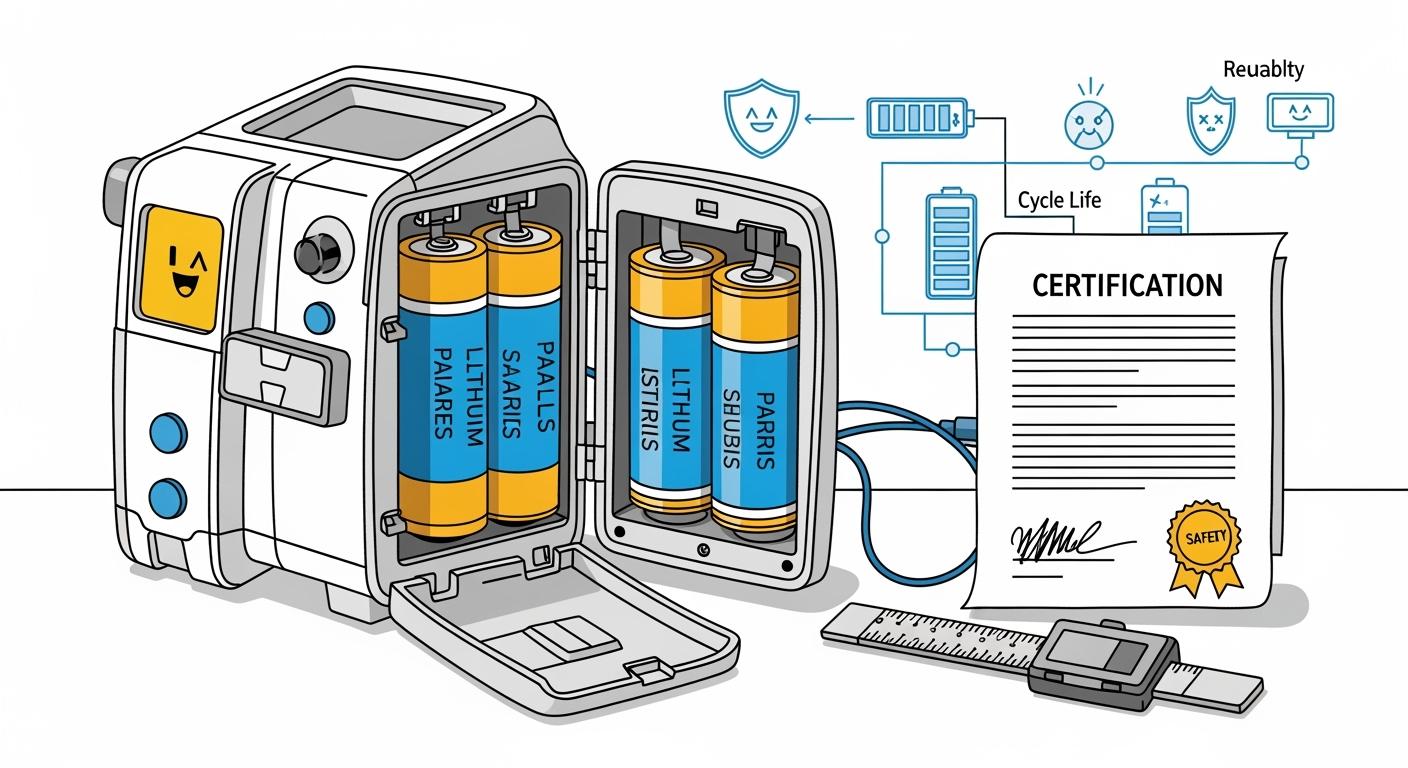
You need a medical lithium battery that delivers compact size, long cycle life, and robust safety for your infusion pump. IEC 60601 compliance shapes your procurement decisions:
You access the market only with certified battery solutions.
Buyers expect safety, longevity, and regulatory adherence.
Strategic choices depend on compliance and chemistry selection.
Key Takeaways
Choose a medical lithium battery that meets IEC 60601 compliance to ensure safety and reliability in infusion pumps.
Opt for the 2S2P battery design to balance size and energy density, allowing for compact and efficient infusion pump operation.
Prioritize battery chemistries like NMC for long cycle life and enhanced safety, reducing risks of overheating and failure.
Part1: Medical Lithium Battery Needs in Infusion Pumps
1.1 Infusion Pump Power and Reliability
You rely on infusion pumps to deliver precise medication in both hospital and home care environments. These devices demand specific power requirements and high reliability to protect patient safety. Infusion pumps operate in critical settings such as ICUs and NICUs, where any failure can lead to severe complications. You must ensure consistent performance and minimize failures through regular maintenance and strict operational protocols. The reliability of your infusion pump directly impacts patient outcomes and reduces the risk of adverse events.
1.2 Battery Design for Medical Device Demands
When you select a medical lithium battery for your infusion pump, you prioritize battery design that meets operational runtime, capacity, and enhanced safety standards. Lithium battery technology offers several advantages over other chemistries. You benefit from higher energy density, lightweight construction, and long cycle life, which support extended battery life and uninterrupted operation during power outages. The table below highlights key features you should consider:
Feature | Description |
|---|---|
Energy Density | Higher energy density compared to other battery types |
Weight | Lightweight design, enhancing portability |
Cycle Life | Long cycle life, ensuring longevity of use |
Voltage Consistency | Delivers consistent voltage output under demanding conditions |
Operational Duration | Supports several hours of uninterrupted operation during power outages |
You often choose battery chemistries such as LiFePO4 and lithium polymer for your medical devices. These options provide:
Long cycle life and reliable battery capacity for continuous infusion.
High thermal and chemical stability, reducing the risk of thermal runaway and fire.
Enhanced safety and protection for both patients and equipment.
Battery charging protocols and battery capacity management play a crucial role in maintaining optimal performance. You must monitor battery charging cycles and ensure proper battery charging to maximize battery life and device reliability. The right battery design and battery technology help you achieve consistent performance and safety in your infusion pumps.
Part2: 2S2P Battery Design—Balancing Size and Cycle Life
2.1 2S2P Structure in Medical Applications
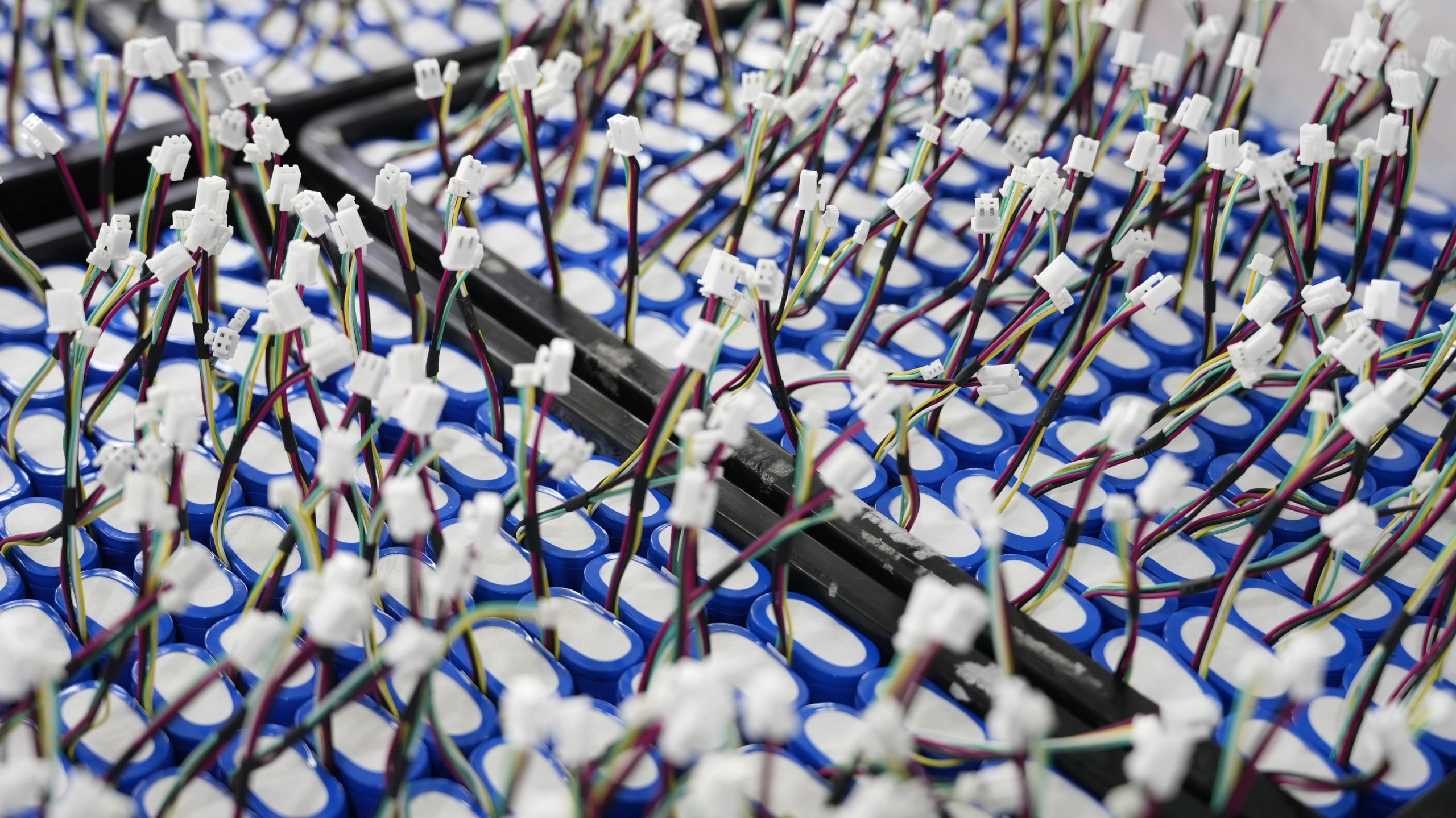
You need a battery design that delivers consistent performance and meets strict battery safety standards for your infusion pump. The 2S2P configuration stands out in medical lithium battery packs. In this setup, you connect two cells in series to increase voltage, then connect two of these series pairs in parallel to boost battery capacity. This structure allows you to achieve higher battery capacity and maintain stable voltage output, which is essential for medical devices.
You benefit from the 2S2P structure because it supports optimized performance and enhanced safety. The parallel connection increases battery life and reduces the risk of cell imbalance. You also gain from integrated safety mechanisms, which help prevent overcharging and overheating. This configuration ensures your pumps operate reliably, even during extended battery charging cycles.
Tip: You can improve battery safety protections by selecting battery chemistry with high thermal stability, such as NMC.
2.2 Size and Energy Density Optimization
You face constant pressure to minimize device size while maximizing battery capacity and energy density. The 2S2P battery design helps you achieve this balance. By combining series and parallel connections, you can fit more battery capacity into a compact space. This approach supports portable infusion pumps and meets the demands of modern medical environments.
You must compare different battery chemistries to select the best option for your application. The table below shows how common lithium battery chemistries perform in terms of voltage, energy density, and cycle life. You can use this data to guide your battery design decisions.
Chemistry | Nominal Voltage (V) | Energy Density (Wh/kg) | Cycle Life (cycles) |
|---|---|---|---|
3.6 | 150-250 | 500-1,000 | |
3.2 | 90-160 | 2,000-5,000 | |
3.7 | 150-200 | 500-1,000 | |
NMC | 3.7 | 150-220 | 1,000-2,000 |
LCO | 3.7 | 150-200 | 500-1,000 |
LMO | 3.7 | 100-150 | 300-700 |
LTO | 2.4 | 70-110 | 7,000-20,000 |
Solid-state | 3.7 | 250-500 | 1,000-10,000 |
Lithium metal | 3.7 | 400-500 | 500-1,000 |
You must weigh these factors to ensure your infusion pump meets battery safety standard requirements and delivers reliable battery performance.
2.3 Cycle Life and Performance Benefits
You want your medical lithium battery to last through hundreds of battery charging cycles without significant loss of battery capacity. The 2S2P battery design helps you achieve this goal. You can expect your battery to retain over 80% battery capacity after 500 cycles, which is critical for medical devices that require long-term reliability.
You also benefit from improved battery charging efficiency and reduced stress on individual cells. The parallel connection in the 2S2P structure distributes the load, which helps maintain battery performance and extends battery life. You can rely on consistent battery capacity and stable voltage output, even as your infusion pump undergoes frequent battery charging.
You must consider battery safety features such as integrated safety mechanisms and advanced battery management systems. These safety protections help prevent overcharging, overheating, and short circuits. You protect both your device and your patients by choosing a battery design that meets strict battery safety standard requirements.
Note: You should always monitor battery charging cycles and use battery technology that supports enhanced safety and optimized performance for medical applications.
You achieve reliable battery performance, long battery life, and robust safety protections by selecting the right battery design and battery chemistry for your infusion pump.
Part3: Safety Certification and Compliance in Medical Battery Design
3.1 Safety Mechanisms and BMS Integration
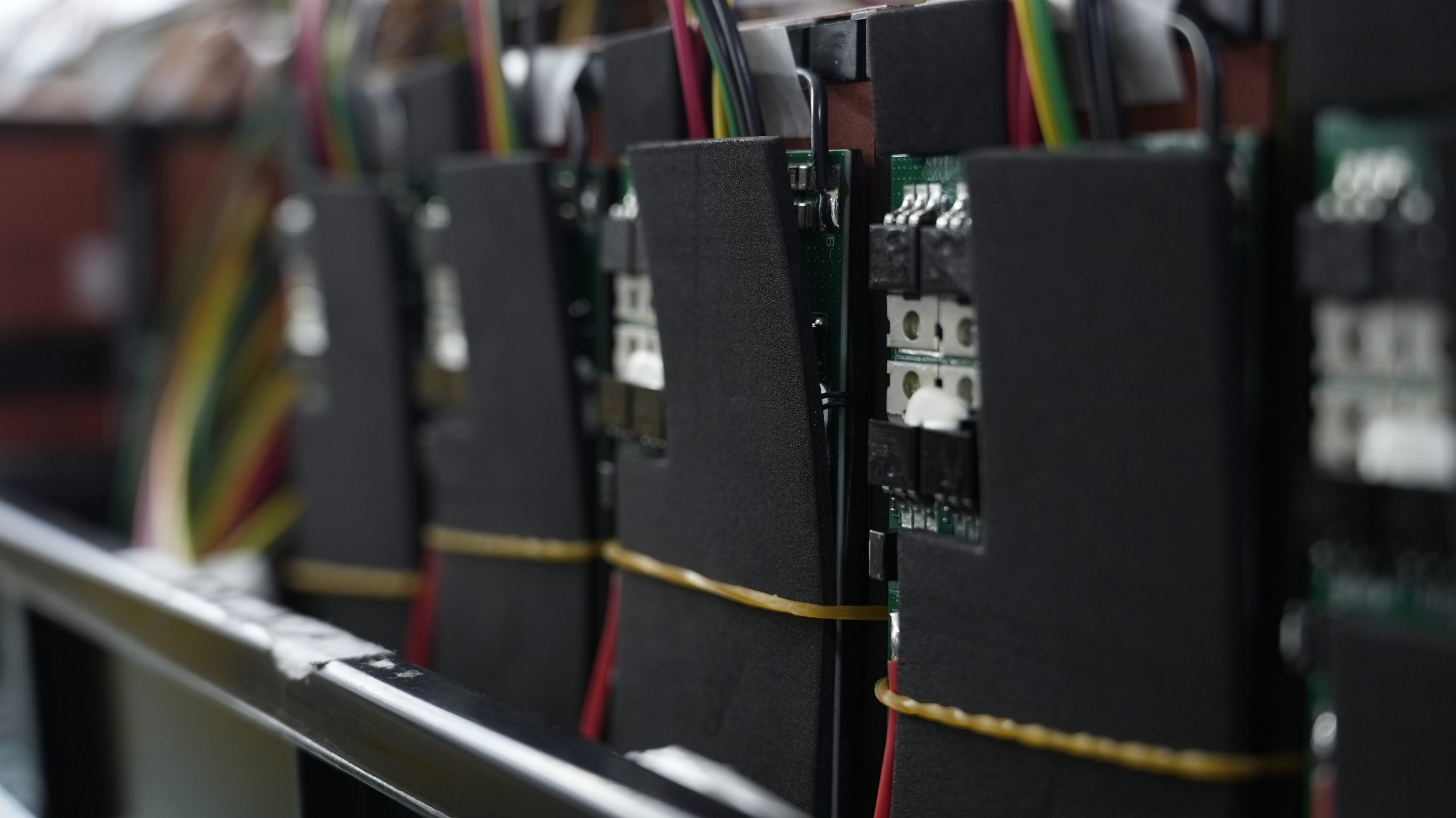
You must prioritize safety features when designing lithium battery packs for medical infusion pumps. The integration of advanced safety mechanisms is essential to prevent incidents such as overcharge, overdischarge, and thermal runaway. You rely on the separator within each cell to keep the anode and cathode apart. This insulating layer absorbs the electrolyte and allows lithium ions to pass through. When heat builds up, the separator can close its pores and stop ion transfer, providing a critical layer of protection.
The first protection is in the separator itself, which keeps the anode and the cathode from touching each other. This insulating layer is designed to be porous enough to absorb the electrolyte and allow the lithium ions to pass through, and when heat builds up can even close the pores to shutdown transfer. Another safety precaution is the protection circuit, which can monitor temperature, current, and voltage, and shut down the cell if any of them get outside of safe ranges.
You also depend on a battery management system (BMS) to monitor temperature, current, and voltage. The BMS (learn more about BMS) can shut down the cell if any parameter moves outside safe ranges. This system helps you maintain battery capacity and battery life, especially during frequent battery charging cycles. You select battery chemistry with high thermal stability to achieve enhanced safety and reliable battery technology performance.
3.2 Meeting IEC 60601 and EMC Standards
You must comply with strict international standards to bring medical infusion pumps to market. IEC 60601 sets the requirements for safety and essential performance in medical electrical equipment. You need to verify insulation and leakage current, implement means of patient and operator protection, and ensure proper creepage and clearance distances. The table below summarizes key IEC 60601 requirements for lithium battery packs:
Requirement | Description |
|---|---|
Insulation and Leakage Current | Verify insulation and leakage current for battery-powered systems to prevent unintended current flow and ensure safety. |
Shock Protection | Implement Means of Patient Protection (MOPP) and Means of Operator Protection (MOOP) to minimize electric shock risks. |
Creepage and Clearance Distances | Ensure compliance with specified distances to prevent shock and ensure insulation performance. |
You must identify, quantify, and mitigate risks associated with lithium battery-powered medical devices. You follow ISO 14971 for risk management and conduct Failure Mode Effects Analysis (FMEA) to enhance safety features.
Electromagnetic compatibility (EMC) standards also play a vital role in certification. You ensure your battery packs perform reliably in diverse environments without causing or being affected by electromagnetic interference.
Compliance with EMC standards is vital for CE Certification, as it guarantees that your battery packs perform reliably in diverse environments without causing or being affected by electromagnetic interference.
Testing under this directive includes radiated emissions and immunity tests.
Compliance with EMC standards is crucial for CE Certification, which is necessary for market access in the European Economic Area.
You must prepare technical documentation, issue a Declaration of Conformity, and affix the CE mark to both the battery and the device. If your company has a net turnover above EUR 40 million, you must prepare for a notified body assessment starting August 18, 2025.
3.3 Ensuring Patient and Device Safety
You face ongoing challenges in maintaining patient and device safety with lithium battery-powered infusion pumps. Overcharging and overheating can lead to dangerous incidents. Lithium-ion batteries degrade over time due to repeated battery charging and discharging cycles. Volatile electrolytes may release flammable gases when exposed to high temperatures or physical damage.
You must comply with IEC 62133, which includes mechanical, environmental, and electrical tests to ensure safety. However, these tests do not completely eliminate the risk of battery fires, as external factors can still cause dangerous situations. You monitor battery charging cycles and select battery chemistry with high thermal and chemical stability to reduce risks.
Recent safety incidents highlight the importance of robust safety features and compliance:
Date | Incident Description | Impact |
|---|---|---|
July 2023 | Vulnerabilities in Alaris infusion pump system disclosed by Becton Dickinson. | Allowed data compromise, firmware modification, and configuration changes. |
December 2022 | Vulnerability in BodyGuard Pumps disclosed by Becton Dickinson. | Threat actor could change settings or disable the pump. |
March 2022 | Baxter Healthcare recalled SIGMA Spectrum Infusion Pump due to alarm defects. | Resulted in three deaths and 51 serious injuries. |
August 2021 | Five vulnerabilities discovered in B. Braun infusion pumps by Trellix. | Allowed modification of pump configuration and potential alert medication dosage. |
You rely on safety certifications to reduce patient risk. Standards such as ANSI/AAMI ES 60601-1 and UL Certification ensure lithium batteries are manufactured under strict guidelines to minimize malfunctions and enhance safety.
Standard | Description |
|---|---|
ANSI/AAMI ES 60601-1 | Comprehensive reference for medical electrical equipment standards, including risk management and essential performance assessments. |
UL Certification | Ensures that lithium batteries are manufactured under strict guidelines to minimize malfunctions and enhance safety. |
You must also meet global safety standards for lithium battery packs in medical infusion pumps:
Standard | Description |
|---|---|
ANSI/AAMI ES 60601-1 | General requirements for basic safety and essential performance |
IEC 60086-4 | Safety of Lithium Batteries, tests for primary lithium batteries |
IEC 62133 | Safety for secondary lithium cells and batteries |
UL 1642 | Safety standard for Lithium batteries |
UL 2054 | Safety standard for Household and Commercial Batteries |
You navigate complex certification processes and diverse regulatory requirements across regions. The table below outlines key differences:
Region | Compliance Standards | Testing Requirements | Documentation Requirements |
|---|---|---|---|
United States | Additional safety requirements, PHMSA permits for certain shipments | Must inform foreign suppliers of U.S. hazmat standards | Detailed documentation required for special permits |
Europe | ADR compliance for road transport | Harmonizes with IATA and IMDG but has regional specifics | Specific paperwork and labeling required for ADR |
Asia | Primarily follows international standards | Varies by country, often less stringent | Documentation varies widely by country and type of battery |
You must compile technical documentation, issue a Declaration of Conformity, and affix the CE marking to both the battery and the device. These steps ensure your medical infusion pumps meet global safety standards and deliver reliable battery capacity and battery life.
Tip: You can further enhance safety by selecting battery chemistry with high thermal stability and integrating advanced battery management systems.
You achieve enhanced safety, reliable battery capacity, and compliance with global standards by focusing on robust safety features, risk management, and certification processes in your medical battery design.
You achieve compactness, long battery life, and robust safety certification with the 2S2P battery design for pumps. Advances in battery chemistry and battery management systems drive higher capacity and safer battery charging. As battery charging technology evolves, you gain longer battery life, improved capacity, and more reliable battery charging.
FAQ
What is real-time monitoring in medical lithium battery packs?
You use real-time monitoring to track voltage, temperature, and current. This process helps you detect faults and maintain safe operation in infusion pumps.
How does a battery management system improve real-time safety?
You rely on a battery management system for real-time monitoring. It provides overdischarge protection and short-circuit safeguards, ensuring your lithium battery pack operates safely and efficiently.
Can Large Power provide customized real-time solutions for infusion pumps?
You can request customized real-time solutions from Large Power. Their smart battery management systems support real-time monitoring for lithium battery packs in medical devices.


