

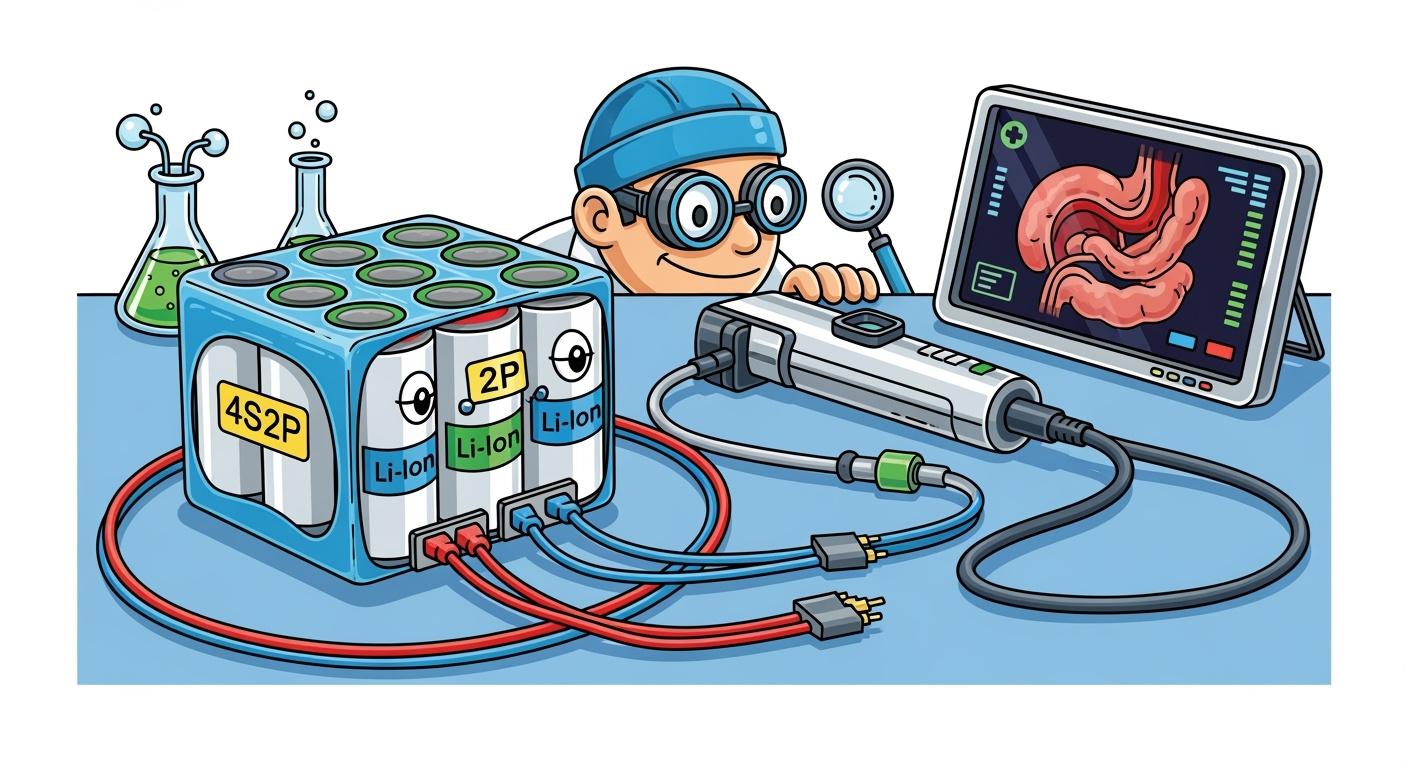
You need a power source that delivers reliability, safety, and efficiency for portable endoscopy imaging systems. The 4S2P lithium battery pack uses four cells in series and two in parallel, giving you a nominal voltage of 14.8V and high energy density up to 250 Wh/kg.
Specification | Value |
|---|---|
Voltage | 14.8 V (4S configuration) |
Capacity | Varies by design |
Energy Density | Up to 250 Wh/kg |
Cycle Life | Over 500 cycles at 80% |
You benefit from redundancy, which ensures uninterrupted operation—critical in medical settings. The built-in BMS protects against overcharge, overdischarge, and short circuits, supporting safe integration with your devices.
Key Takeaways
The 4S2P lithium battery pack provides a reliable power source with a nominal voltage of 14.8V, ensuring compatibility with advanced medical devices.
This battery pack design offers extended runtime and quick recharge capabilities, making it ideal for portable endoscopy imaging systems during critical procedures.
Safety features like the built-in Battery Management System (BMS) protect against overcharge and overheating, ensuring safe operation in medical environments.
Part2: Why Choose 4S2P Lithium Battery Pack
1.1 Configuration and Voltage
You need a battery solution that delivers both the right voltage and enough capacity for your portable endoscopy imaging systems. The 4S2P configuration connects four cells in series and two in parallel. This setup gives you a nominal voltage of 14.8V, which matches the requirements of most advanced medical devices. The parallel connection increases the total capacity, so your system can run longer without interruption.
The 4S2P configuration combines the benefits of higher voltage and greater capacity. You get a battery pack that is efficient, dependable, and safe for critical medical applications.
Here is a summary of the standard output specifications for a 4S2P lithium battery pack:
Specification | Value |
|---|---|
Nominal Voltage | 14.8V |
Standard Discharge | 1C (~5–7A) |
Max Continuous Discharge | 10A–20A |
Peak Current | 20A–35A |
This voltage and current range supports the high power demands of imaging equipment while maintaining stable operation.
1.2 Power Needs of Endoscopy Systems
Portable endoscopy imaging systems require consistent power delivery and long runtime. You must ensure that your equipment operates reliably during procedures, even in environments where access to mains power is limited. These systems often include high-resolution cameras, LED lighting, and wireless data transmission, all of which draw significant current.
You need a lithium battery pack that can handle sudden power spikes and provide steady voltage. The 4S2P design supports peak currents up to 35A, which covers the startup and operational surges common in medical imaging devices. The high energy density of lithium chemistries like NMC and LiFePO4 ensures that your equipment remains lightweight and portable.
1.3 How 4S2P Meets Demands
The 4S2P lithium battery pack addresses the unique challenges of medical device integration. You benefit from:
Reliable voltage output for sensitive electronics, reducing the risk of device malfunction.
Extended runtime, which is essential for long procedures and emergency use.
Lightweight design, making your portable systems easier to transport and handle.
Quick recharge capabilities, so your devices are always ready for the next procedure.
You can trust the compatibility and reliability of these battery packs. Leading suppliers such as Shenzhen Himax Electronics and Shenzhen Keruilong Technology provide medical-grade solutions that meet strict industry standards. LiFePO4 batteries, commonly used in these packs, deliver stable voltage and support extended operation during power outages.
Tip: Always select a lithium battery pack with a built-in Battery Management System (BMS) for added safety and longevity.
The 4S2P configuration also finds use in other sectors, including robotics, security, infrastructure, consumer electronics, and industrial applications, due to its balance of power, safety, and efficiency.
Part2: Advantages in Medical Applications

2.1 Portability and Weight
You need portable power solutions that do not add unnecessary bulk to your medical devices. The 4S2P LiFePO4 battery pack weighs about 1.4 kg. This weight is much lighter than traditional lead-acid batteries, which often exceed 3 kg for similar capacity. You can see the difference in the table below:
Battery Type | Typical Weight | Application Impact |
|---|---|---|
4S2P LiFePO4 | 1.4 kg | Easy to carry, compact |
Lead-Acid | 3.0+ kg | Heavy, less portable |
This lightweight design allows you to move and handle portable endoscopy imaging systems with ease. You can transport equipment between patient rooms or remote sites without strain.
2.2 Runtime and Reliability
You require consistent performance during critical procedures. The 4S2P lithium battery pack delivers:
Rapid activation during power interruptions
Consistent voltage output for sensitive electronics
Extended cycle life, reducing downtime
You can rely on these features to maintain uninterrupted operation. Real-time monitoring systems track voltage, temperature, and charge cycles. These systems alert you to potential failures before they disrupt medical procedures. Training programs on backup power, safe handling, and emergency protocols further enhance reliability in clinical environments.
2.3 Rechargeability and Cost-Effectiveness
You benefit from the rechargeability of lithium battery packs. You can recharge these packs hundreds of times, which lowers long-term costs and reduces waste. This feature supports your sustainability goals and minimizes the environmental impact of your operations.
Tip: Choose lithium battery chemistries like LiFePO4 or NMC for higher cycle life and stable performance in demanding medical applications.
You gain a cost-effective, environmentally responsible power solution that meets the high standards of the medical industry.
Part3: Technical Specs of Lithium Battery Pack
3.1 Voltage and Capacity Options
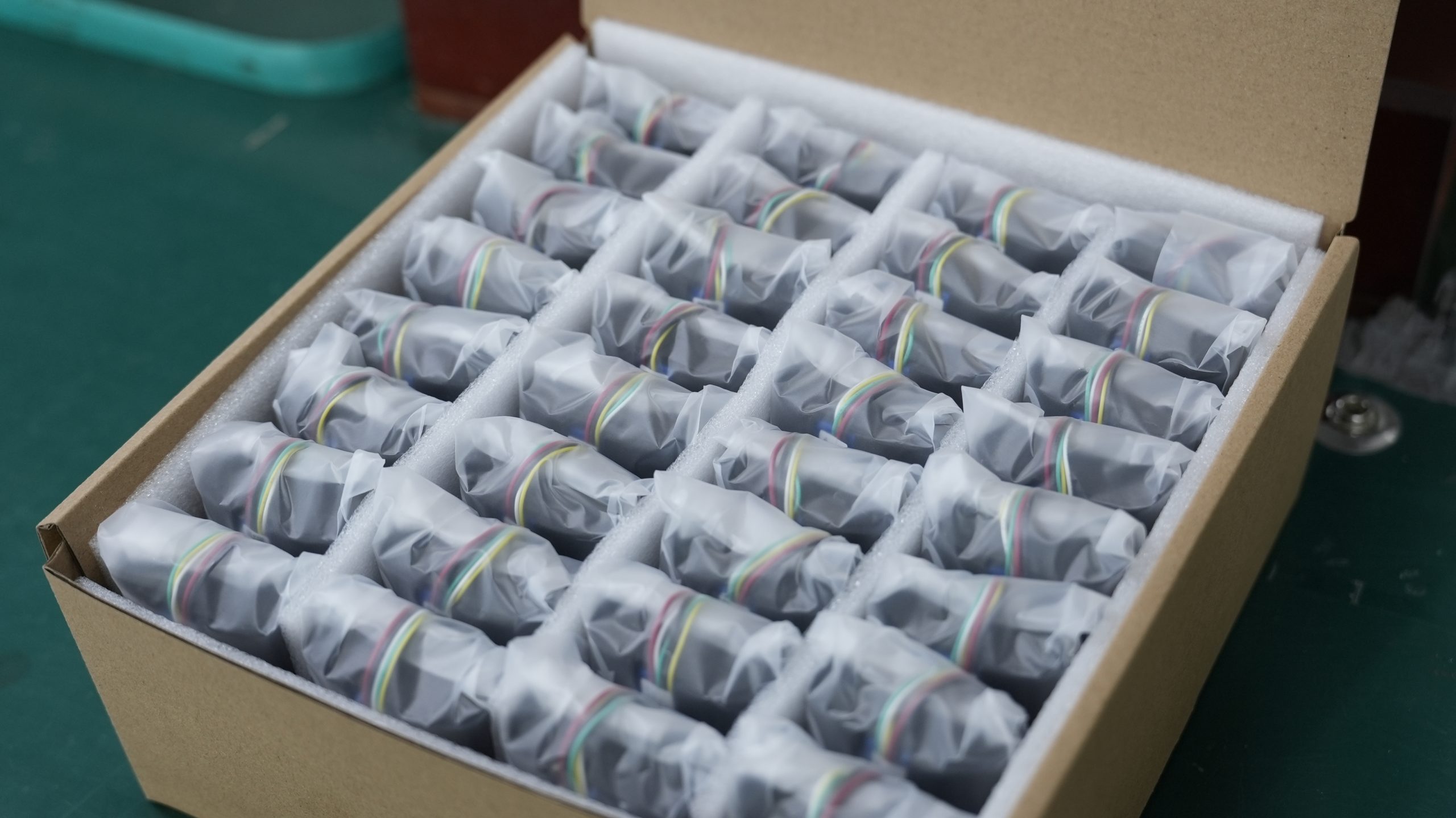
You need to select the right voltage and capacity for your portable endoscopy imaging systems. The 4S2P configuration delivers a nominal voltage of 14.8V, which matches the requirements of most advanced medical devices. You can choose from a range of capacities to fit your runtime needs. The most common options in the medical device market are:
Voltage | Capacity Range |
|---|---|
14.8V | 5000mAh to 8000mAh |
This flexibility allows you to balance power and portability for each application.
3.2 Runtime in Endoscopy Use
You require a battery solution that supports the demanding features of modern endoscopy systems. The YunSendo system, for example, benefits from a larger adjustable bending range and a broader depth of field. These features help you detect lesions at close distances and perform rapid interventions. The system integrates irrigation, gas insufflation, and suction, which increases current draw. You can rely on a compact and lightweight lithium battery pack to maintain high image quality and operational reliability, even during emergencies.
You gain consistent performance for essential functions.
You support rapid deployment in critical care scenarios.
You maintain high standards for image quality and device operation.
3.3 Charging and Discharge Features
You must consider both charging and discharge rates to ensure safety and longevity. The recommended specifications for medical applications are:
Specification | Value |
|---|---|
Max. Continuous Discharge Current | 5A |
Max. Discharge Peak Current | 15A |
Advanced features protect your investment and your patients. The integrated Battery Management System (BMS) learn more monitors each cell’s voltage, provides overvoltage protection, and balances cells for uniform performance. LiFePO4 technology offers thermal stability up to 60°C, reducing the risk of thermal runaway. You can trust these features to support high-current applications safely and extend the service life of your lithium battery pack.
Note: Always verify that your battery pack includes BMS monitoring, overvoltage protection, and cell balancing for maximum safety and reliability.
Part4: Safety and Integration
4.1 Built-in Protection (BMS)
You must prioritize safety when integrating 4S2P lithium battery packs into medical devices. The Battery Management System (BMS) acts as the central safeguard for your power solution. It monitors and controls each cell, ensuring stable operation and protecting both the device and patient. The BMS provides multiple layers of protection, as shown below:
Protection Feature | Description |
|---|---|
Overcharge Protection | Limits voltage to a maximum threshold, typically 4.2V per cell. |
Over-Discharge Protection | Cuts off power when the cell voltage drops below 2.5V to prevent irreversible cell damage. |
Thermal Management | Controls current flow to limit overheating during discharge, keeping temperatures below 45°C. |
Voltage and Current Monitoring | Keeps voltage within ±10 mV across cells and limits current to safe levels to prevent overload. |
Temperature Management | Deactivates sections of the battery if temperatures exceed 60°C, using cooling systems. |
Gas Leak Detection | Monitors gas emissions and triggers alarms if levels exceed 50 ppm, engaging ventilation. |
Pressure Monitoring | Triggers pressure relief valves if internal pressure exceeds 100 kPa above ambient pressure. |
You can learn more about BMS technology and integration at BMS and PCM Solutions. These features ensure your lithium battery pack meets the strict safety standards required in medical, robotics, and industrial applications.
4.2 Safe Handling and Maintenance
You need robust protocols to maintain the safety and reliability of your battery packs. Regular inspection and proper handling reduce risks and extend service life. The table below outlines best practices for safe operation in medical environments:
Fire Safety Measure | Description |
|---|---|
Lithium-ion-specific fire extinguishers | Address unique hazards of lithium battery fires |
Routine inspection and maintenance | Check for wear, damage, or swelling |
Safe charging and storage practices | Train staff to avoid overheating and fires |
Compliance with fire safety regulations | Meet all legal and safety requirements |
Collaboration with fire safety experts | Maintain robust protocols with professional input |
Education and preparedness | Train staff on dangers and emergency response |
You should establish strict maintenance schedules, replace batteries before end-of-life, and train staff on emergency procedures. For engineers, you must ensure that all integration follows manufacturer guidelines and complies with international safety standards. These steps protect your investment and support uninterrupted operation of critical medical devices.
You gain reliable power, high energy density, and compact size with a 4S2P lithium battery pack. You should focus on these key factors:
Technical specifications drive device runtime and safety.
BMS customization improves reliability.
ISO 13485 certification ensures quality.
Always match battery packs to your device’s requirements.
FAQ
What makes the 4S2P lithium battery pack suitable for medical devices?
You gain stable voltage, high energy density, and long cycle life. LiFePO4 and NMC chemistries ensure safety and reliability for portable endoscopy imaging systems.
How does Large Power support custom lithium battery solutions for B2B clients?
You receive tailored battery pack designs, technical consultation, and integration support. Visit Large Power custom battery solutions for expert guidance.
How does the 4S2P configuration compare to other battery pack setups?
Configuration | Voltage | Energy Density | Cycle Life | Application |
|---|---|---|---|---|
4S2P | 14.8V | 250 Wh/kg | 500+ cycles | Medical, Robotics |
3S2P | 11.1V | 220 Wh/kg | 400+ cycles | Consumer Electronics |
4S1P | 14.8V | 180 Wh/kg | 300+ cycles | Security Systems |
Tip: Choose 4S2P for higher capacity and reliability in demanding environments.


