

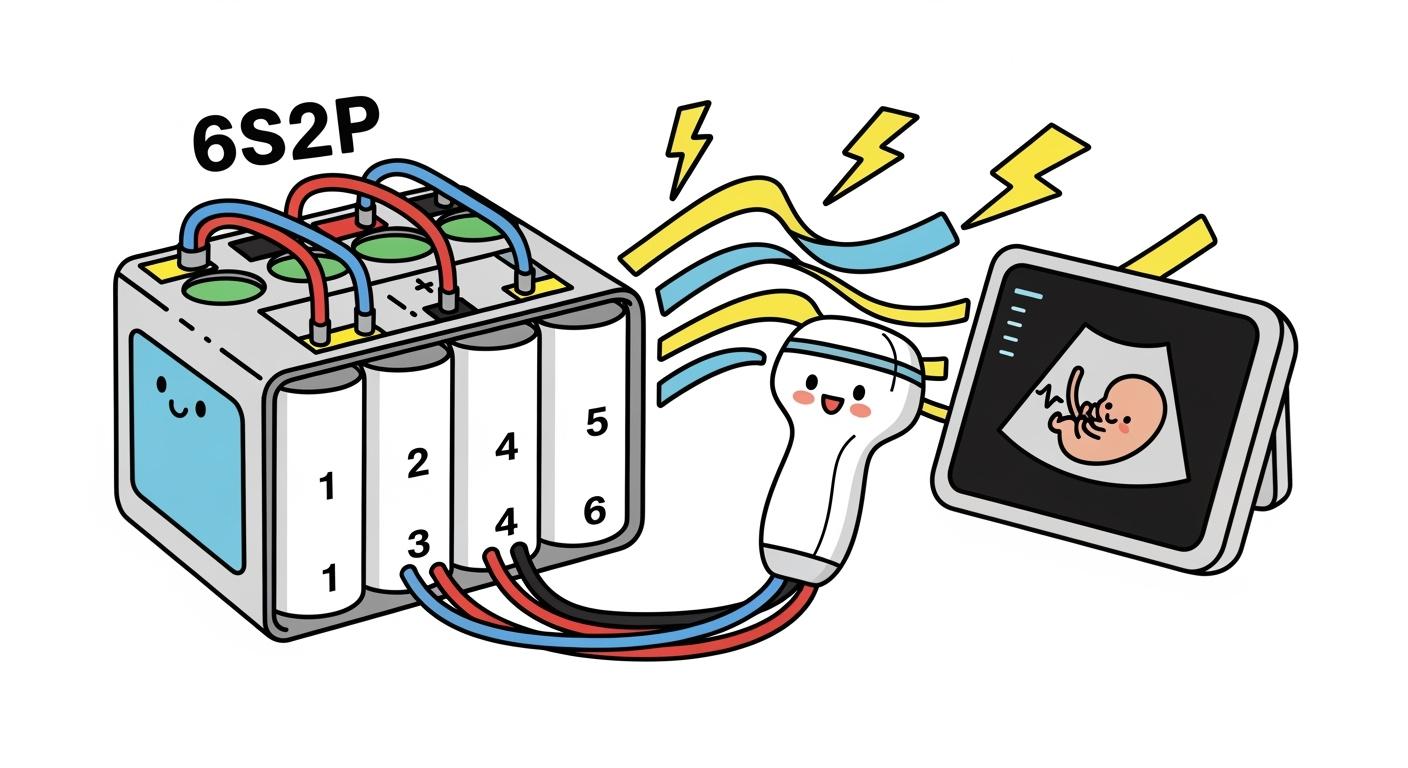
You rely on portable ultrasound systems to deliver high-quality imaging in demanding clinical environments. A Lithium Battery Pack with a 6S2P configuration provides the energy density and compact design you need. These systems must withstand high temperatures, humidity, vibrations, and require robust mechanical and electromagnetic compatibility.
Reliable power supply ensures consistent imaging performance.
Fan-less operation minimizes acoustic noise for sensitive medical settings.
Key Takeaways
A 6S2P lithium battery pack provides high energy density and stable voltage, essential for reliable imaging in portable ultrasound systems.
Implementing a robust Battery Management System (BMS) enhances safety by monitoring voltage and preventing issues like overcharging and short circuits.
Choosing lightweight and compact battery designs improves usability and reduces operator fatigue in clinical environments.
Part 1: 6S2P Lithium Battery Pack Basics
1.1 6S2P Configuration Overview
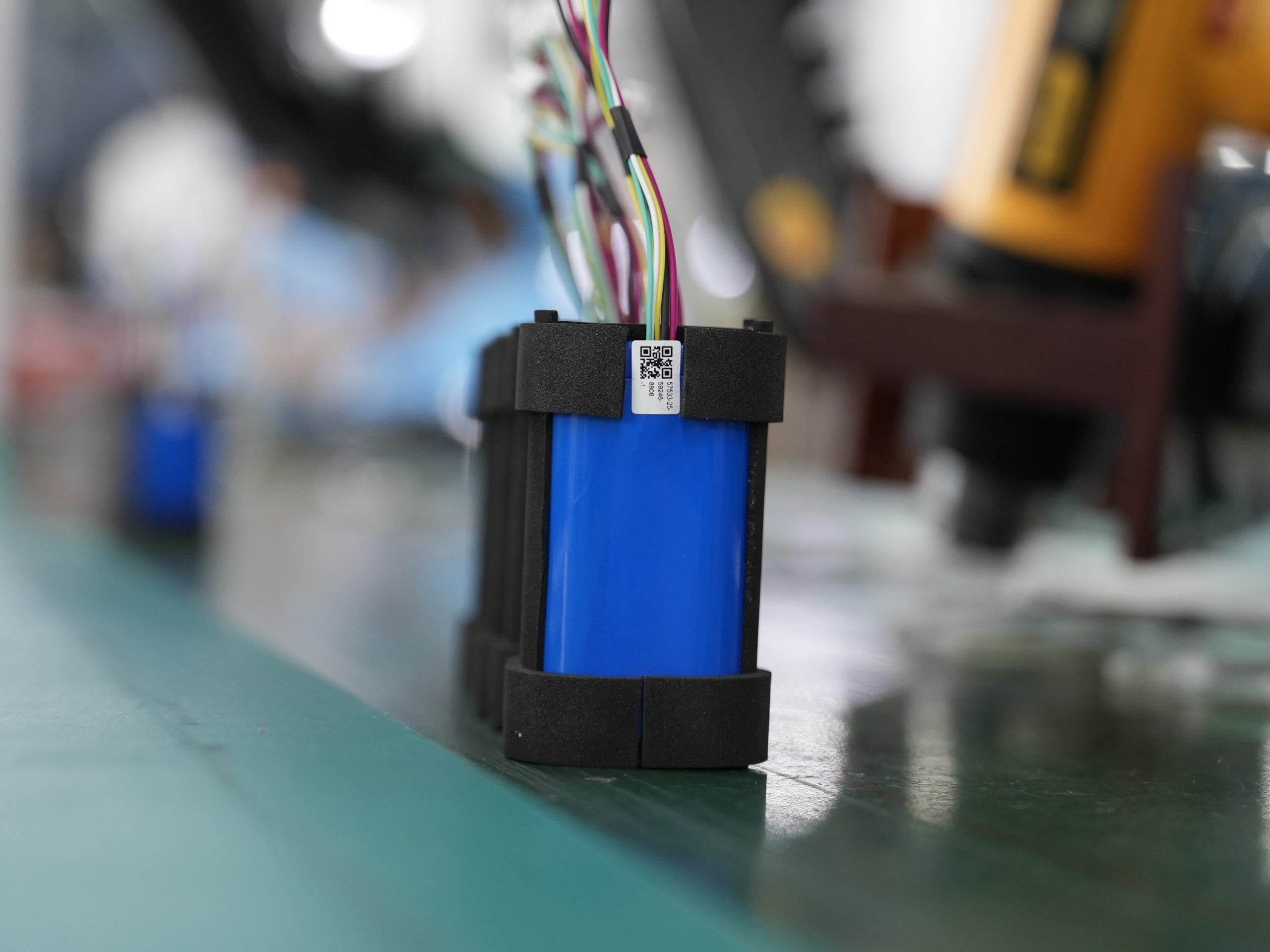
You need a reliable power source for portable ultrasound systems. The 6S2P configuration combines six cells in series and two groups in parallel. This setup delivers a nominal voltage between 21.6V and 25.2V, which matches the requirements of high-performance medical devices. The table below outlines the main features of this configuration:
Configuration | Description |
|---|---|
Series Cells | 6 |
Parallel Groups | 2 |
Nominal Voltage | 21.6V to 25.2V |
Applications | Portable ultrasound, infusion pumps, ventilators, diagnostic scanners |
BMS Role | Voltage regulation, anomaly monitoring, safety compliance |
A Battery Management System (BMS) ensures consistent voltage output and protects against shutdowns or anomalies. You benefit from a system that meets strict medical safety standards.
1.2 Energy Density and Voltage Needs
You require a Lithium Battery Pack that provides high energy density and stable voltage. The 6S2P configuration offers a nominal voltage of 22.2V and a typical energy density of 26.64Wh. This setup supports continuous operation and reduces the need for frequent recharging. The table below summarizes key specifications:
Specification | 6S2P Configuration |
|---|---|
Nominal Voltage | 22.2V |
Capacity | 3000mAh |
Cycle Life | >800 cycles |
BMS Protection | Overcharge, Over-discharge, Short-circuit |
You gain higher voltage output compared to 4S1P or 4S2P packs. This advantage means you can use thinner wires and minimize voltage drop, which improves efficiency in medical imaging devices.
1.3 Compact Design for Medical Devices
You face strict size and weight constraints in portable medical imaging. Larger batteries increase current but add weight, which can reduce device performance. Manufacturers design Lithium Battery Packs to balance high power with low weight. For example, the Q7 ultrasound system weighs only 160 grams and operates for over four hours, showing how compact battery design enhances portability. The Philips Compact Ultrasound System 5300 Series also demonstrates how lightweight power solutions support quick clinical responses.
Tip: Choose a Lithium Battery Pack that fits your device’s space limitations and runtime needs. Lightweight designs improve usability and reduce operator fatigue in clinical environments.
Part 2: Power Challenges and Design Strategies
2.1 Runtime and Performance Demands
You face significant challenges when designing power systems for high-performance imaging. Portable ultrasound systems require a stable and reliable energy supply to maintain image quality during continuous sessions. If the energy supply fluctuates, you may encounter issues such as flickering or noise in the captured images. Modern imaging sensors demand consistent voltage and current to avoid these problems.
Stable energy delivery prevents image artifacts and ensures diagnostic accuracy.
High-stability lithium-ion chemistry and low-resistance cell design, as seen in Olympus batteries, support consistent performance.
Energy-efficient battery architecture reduces heat generation and electromagnetic interference, both of which can degrade image quality.
Compared to older battery models, advanced designs can reduce power loss by 20-25% and extend operational runtime by up to 30%.
Smart battery management systems (BMS) provide real-time performance metrics, allowing you to predict maintenance needs and minimize downtime.
You must consider these factors not only for medical imaging but also for other sectors such as robotics, security, and industrial automation, where uninterrupted power is critical.
2.2 Safety and Reliability in Lithium Battery Packs
Safety remains a top priority in the design of any Lithium Battery Pack for medical devices. You must address several risks associated with lithium battery technology, especially in environments like hospitals where device failure can have severe consequences.
Safety Risk | Description |
|---|---|
Fires | Thermal runaway can lead to uncontrollable heat and ignition, causing medical devices to burst into flames. |
Leaks | Corrosive chemicals in batteries can cause severe injuries, including burns and blindness, especially if leaked from large power banks. |
Fumes | Off-gassing from batteries can release toxic and combustible hydrocarbons, potentially necessitating evacuations in hospitals. |
Blasts | Explosions from thermal runaway can occur, posing severe risks, particularly to individuals with implantable medical devices. |
You can mitigate these risks by selecting high-quality cells, integrating advanced BMS, and using robust housing materials. Custom battery packs offer predictable performance and longer service life, which reduces the frequency of replacements and maintenance. Modular designs allow for quick battery changes, minimizing downtime in critical applications.
Reliability standards play a crucial role in ensuring the safety and performance of Lithium Battery Packs. You must comply with international standards such as:
Standard | Description |
|---|---|
IEC 60601 | Governs the safety and performance of electrical medical equipment. |
ISO 13485 | Ensures consistent quality management in medical battery manufacturing. |
IEC 62133 | Covers safety requirements for portable sealed secondary cells and batteries. |
UN38.3 | Specifies transport safety requirements for lithium batteries. |
RoHS | Restricts the use of certain hazardous substances in electrical and electronic equipment. |
REACH | Addresses the production and use of chemical substances and their potential impacts on human health and the environment. |
Regulatory standards like IEC 62133 and UL 2054 dictate the design and testing processes for lithium battery packs, ensuring safety and reliability for patient care. You must also navigate complex certification requirements, which can extend project timelines and increase costs.
Tip: Use ultrasound-based diagnostics for early detection of battery failure. This technology enables real-time monitoring and can prevent catastrophic events by issuing timely warnings.
2.3 Design Strategies for Medical Imaging
You can optimize the performance and safety of 6S2P lithium battery packs by applying several effective design strategies. Start with careful cell selection and advanced BMS integration. Custom designs must comply with IEC 60601 to ensure safe operation and mitigate risks. The BMS monitors battery health and manages thermal stability, which is essential for reliability.
Design Strategy | Description | Benefits |
|---|---|---|
Thermal Management | Use of sorption heat storage with MOF (MIL-101(Cr)) as a coating layer | Automatic temperature regulation, significant cooling (8℃ decrease) and preheating (5℃ rise) capabilities |
Passive BTMS | Sorption-based thermal management system | High energy/power density, automatic adjustment without additional energy input |
Composite Coating | LiOH/LiCl@EG as a porous coating layer | High energy storage density (∼1000 kJ/kg), superior ad/desorption kinetics |
You should also consider structural integration techniques to enhance durability:
Technique | Description |
|---|---|
Lightweight Materials | Reduces overall weight while maintaining structural integrity. |
Innovative Housing Designs | Optimizes space utilization while providing adequate protection, enhancing energy density. |
Efficient Thermal Management | Maintains optimal operating temperatures, preventing overheating and extending battery life. |
Modular Designs | Facilitates easier maintenance and replacement of components, contributing to longer service life. |
Temperature management is critical for both performance and safety. You should keep the battery within the recommended working environment of 0~45ºC (input) and -20~60ºC (output) to avoid degradation. Regular inspection, cell balancing, and periodic testing help maintain long-term reliability.
Maintenance Practice | Description |
|---|---|
Regular Inspection | Periodically check for swelling, dents, leakage, and ensure terminals are corrosion-free. |
Temperature Management | Keep the battery within 20–25°C to avoid performance degradation. |
Cell Balancing | Use a charger that balances cells to prevent capacity loss. |
Prevent Deep Discharge | Ensure cells do not drop below 2.5V to avoid damage. |
Replacement of Damaged Cells | Replace any damaged cell with an identical model to maintain performance. |
Cleaning and Handling | Keep terminals clean and handle the battery carefully to avoid physical damage. |
Periodic Testing | Check voltage and internal resistance every 3–6 months to detect early degradation. |
You can further enhance safety and performance by using non-destructive testing methods such as ultrasound diagnostics. These techniques allow for real-time monitoring of battery health, providing accurate state-of-charge and state-of-health measurements.
When you design for medical imaging, you must also consider application scenarios in other sectors. For example, robotics and security systems require similar reliability and safety standards. Industrial and infrastructure applications benefit from modular and robust battery designs, while consumer electronics demand lightweight and compact solutions.
Note: Solid-state batteries are emerging as a promising technology. They offer improved safety, longer operational lifespans, and lower risk of thermal runaway, making them suitable for future portable ultrasound systems.
By following these strategies, you ensure that your Lithium Battery Pack meets the demanding requirements of high-performance imaging and complies with international standards.
You achieve optimal results in portable ultrasound systems by balancing energy density, safety, and compact design. Consider these recommendations for your next project:
Recommendation | Description |
|---|---|
Temperature Tolerance and Stability | Lithium batteries maintain stability across a wide range of temperatures, essential for medical devices. |
Longevity and Maintenance | Extended service life reduces the need for frequent replacements, saving time and costs. |
Custom Battery Pack Options | Customization allows for tailored solutions to meet specific requirements of portable ultrasound systems. |
Reliability and Consistent Performance | Ensures stable energy output, crucial for the accuracy of imaging equipment. |
FAQ
What advantages does a 6S2P lithium battery pack offer for portable ultrasound systems?
You gain higher voltage, improved energy density, and longer cycle life. This configuration supports stable imaging performance in medical applications.
How does Large Power ensure safety and reliability in custom lithium battery packs?
Large Power integrates advanced BMS, robust housing, and strict compliance with IEC 60601 and IEC 62133 standards. You receive reliable solutions for critical environments.
Which lithium battery chemistry suits high-performance imaging best?
Chemistry | Voltage | Energy Density | Cycle Life |
|---|---|---|---|
Li-ion | 3.7V | High | >1,500 |
LiFePO4 | 3.2V | Moderate | >2,000 |
Solid-state | 3.7V | Very High | >2,500 |
For custom battery consultation, contact Large Power.


