

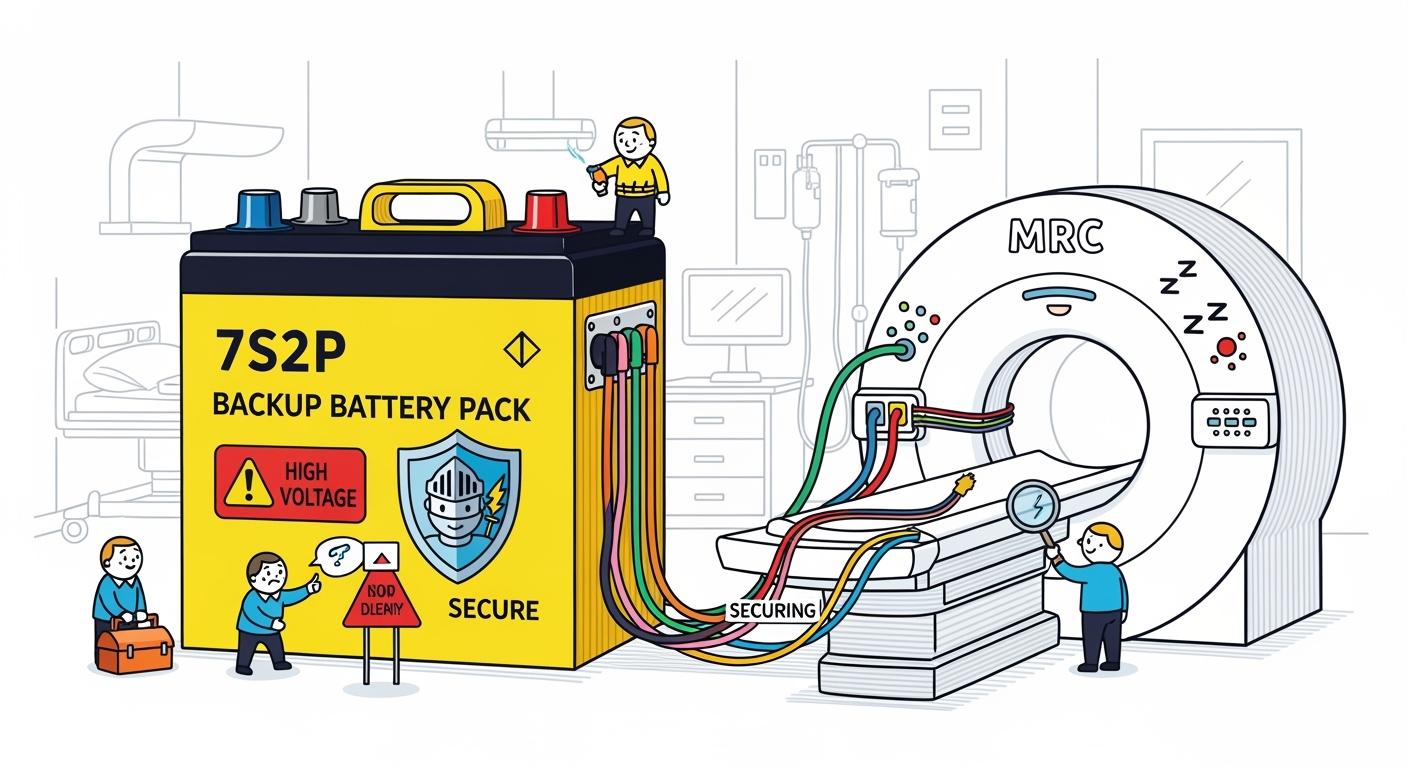
You rely on Medical imaging systems that demand uncompromised performance. The 7S2P configuration in lithium-ion packs delivers high reliability and stable output. Backup Battery Safety becomes essential, as system failure can disrupt patient care and violate strict industry standards.
Key Takeaways
The 7S2P configuration provides high voltage and reliable capacity, essential for medical imaging systems like X-ray and ultrasound devices.
Implement a robust Battery Management System (BMS) to monitor cell health, prevent overcharging, and extend battery life, ensuring patient safety.
Choose battery packs with strong enclosures and redundancy features to protect against environmental hazards and maintain compliance with medical safety standards.
Part 1: 7S2P Configuration & Key Safety Risks
1.1 7S2P Structure in Medical Imaging
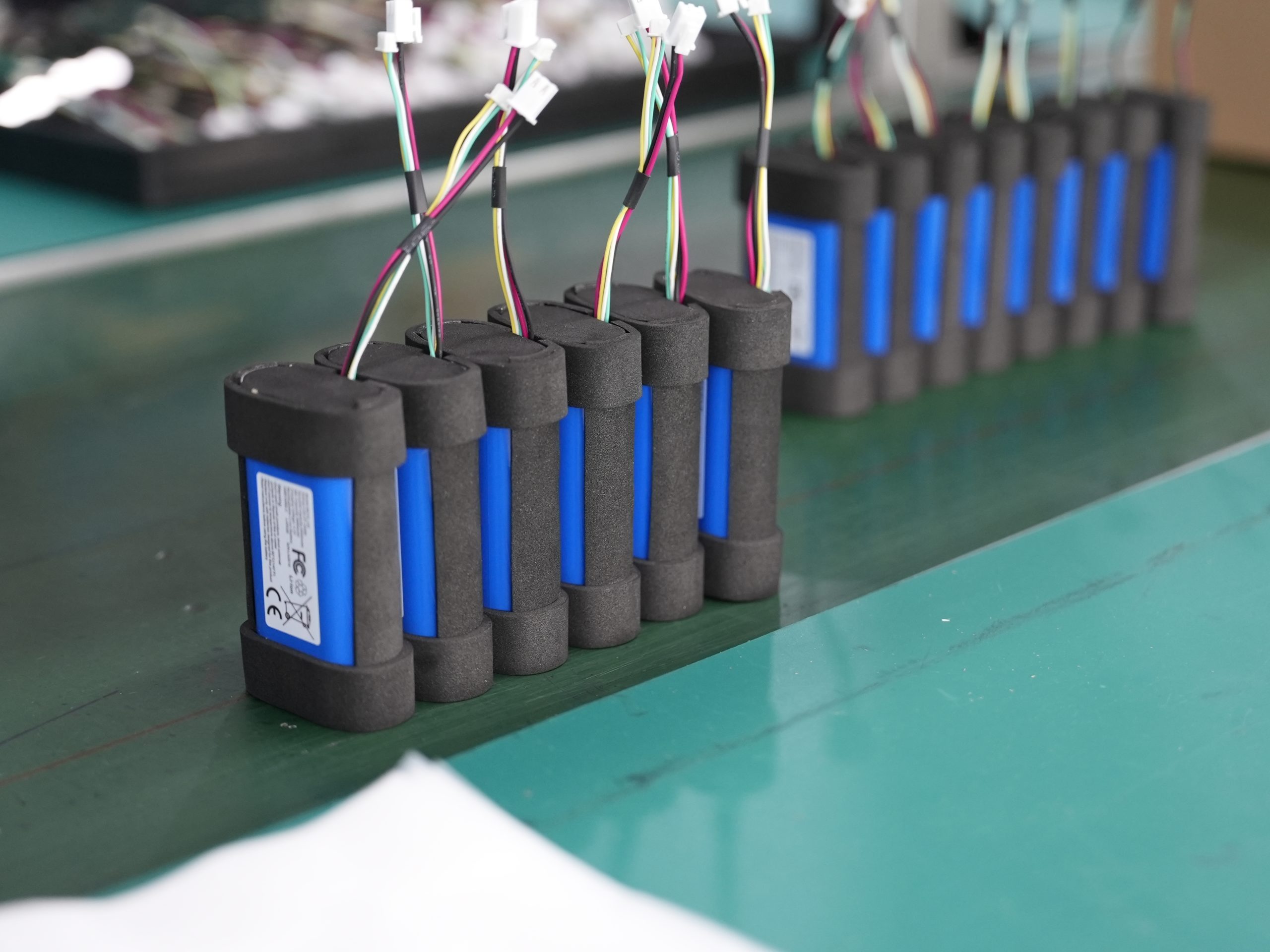
You need a battery system that delivers both high voltage and reliable capacity for medical imaging equipment. The 7S2P configuration arranges seven cells in series and two in parallel, which increases both the output voltage and the available current. This structure supports the demanding power requirements of advanced imaging systems, such as portable X-ray or ultrasound devices.
Note: The 7S2P lithium-ion pack provides a nominal voltage of 25.9V and a capacity of 5200mAh. This combination ensures stable operation during critical backup scenarios.
You benefit from this configuration because it balances energy density and redundancy, which are essential for Backup Battery Safety in healthcare environments.
1.2 Main Safety Risks: Overcharge, Discharge, Thermal, Short Circuit
You face several key risks when using lithium-ion battery packs in medical imaging systems. Overcharging can cause excessive heat and cell damage. Deep discharge may lead to irreversible capacity loss or even cell failure. High current draw or faulty connections can trigger short circuits, which may result in fire or explosion.
Thermal risks also demand your attention. Poor ventilation or high ambient temperatures can accelerate cell degradation and increase the chance of thermal runaway. You must address these risks with robust safety features, including cell balancing, temperature monitoring, and protective circuitry. By understanding these hazards, you can design systems that protect both patients and equipment, ensuring compliance with medical safety standards.
Part 2: Backup Battery Safety Features & Compliance
2.1 Battery Management System & Cell Balancing
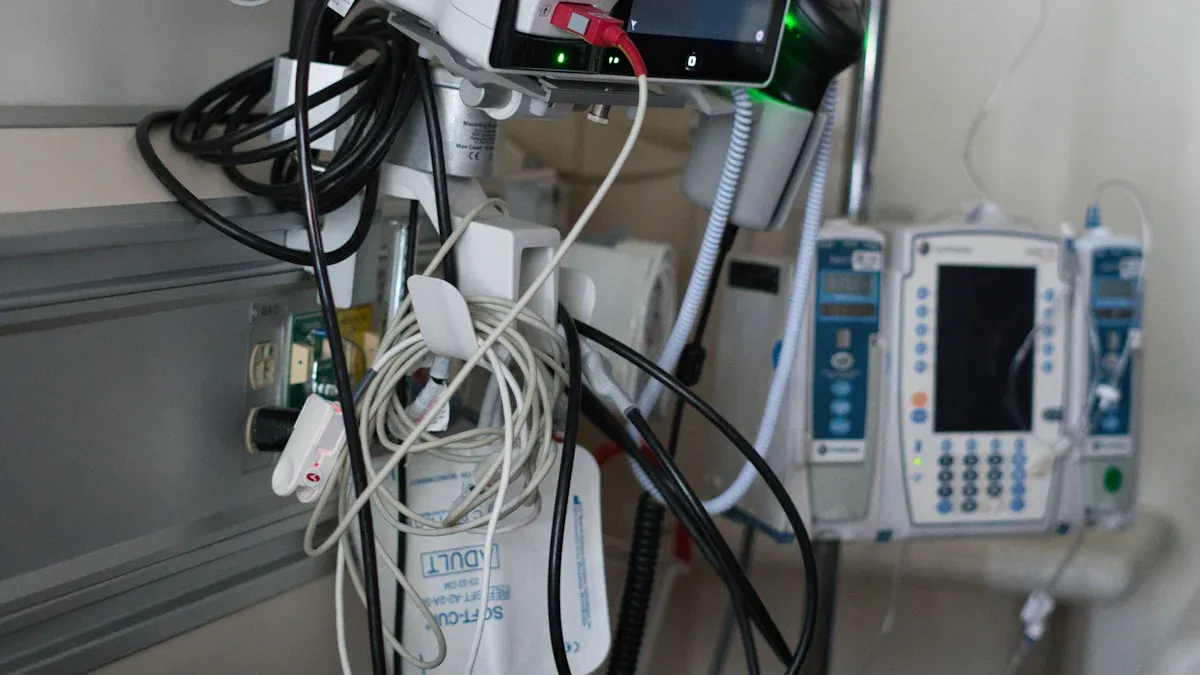
You need a reliable Battery Management System (BMS) to ensure Backup Battery Safety in your medical imaging equipment. The BMS monitors each cell in the 7S2P lithium-ion pack, balancing voltage and current to prevent overcharge and deep discharge. This system detects abnormal cell behavior and disconnects faulty cells, reducing the risk of thermal runaway or fire. You benefit from real-time data on cell health, which helps you schedule maintenance and avoid unexpected failures.
Cell balancing is essential for extending battery life and maintaining consistent performance. The BMS automatically redistributes charge between cells, so no single cell becomes overstressed. This feature is critical in medical, robotics, and security applications, where system uptime and safety are non-negotiable. You can trust that a robust BMS will support your compliance with industry standards and protect both patients and equipment.
2.2 Enclosure, Redundancy, and Environmental Protection
You must select an enclosure that shields the battery pack from dust, moisture, and accidental impacts. Look for enclosures with high IP ratings, such as IP54 or IP65, to ensure environmental protection in demanding medical settings. These enclosures prevent ingress of fluids and particles, which could otherwise compromise Backup Battery Safety.
Redundancy features, such as Thermal Cut-Offs (TCOs) and Current Interrupt Devices (CIDs), add extra layers of protection. TCOs disconnect the battery if temperatures exceed safe limits, while CIDs break the circuit during abnormal current events. You should always integrate these components to minimize the risk of catastrophic failure.
Tip: Choose battery packs with robust enclosure designs and built-in redundancy to meet the strict requirements of medical and industrial environments.
Environmental protection also extends to sustainability. You can learn more about responsible sourcing and conflict minerals or sustainability practices to ensure your battery solutions align with global standards.
2.3 Electronic Protections: Overvoltage, Undervoltage, Current Regulation
You must implement advanced electronic protections to maintain Backup Battery Safety. Overvoltage protection prevents cells from exceeding their maximum voltage, which can cause swelling or rupture. Undervoltage lockout stops the battery from discharging below safe limits, preserving cell integrity and preventing permanent damage.
Current regulation ensures that the battery delivers power within safe parameters. If your system draws too much current, the protection circuit will limit output or disconnect the pack. This feature is vital in medical imaging, where sudden surges can damage sensitive electronics or trigger safety incidents.
A summary of key electronic protections:
Protection Type | Function | Benefit |
|---|---|---|
Overvoltage | Stops charging above safe voltage | Prevents cell damage |
Undervoltage Lockout | Blocks deep discharge | Extends battery life |
Current Regulation | Limits excessive current draw | Protects system electronics |
Short Circuit | Instantly disconnects faulty circuits | Prevents fire or explosion |
You should always verify that your battery packs include these features, especially for critical applications in medical, infrastructure, and industrial sectors.
2.4 Medical Standards & Validation
You must comply with international standards to guarantee Backup Battery Safety in medical imaging systems. Standards such as IEC 60601-1 and ISO 13485 set strict requirements for electrical safety, risk management, and quality assurance. You need to validate your battery packs through rigorous testing, including electrical, mechanical, and environmental assessments.
Testing procedures often include:
Overcharge and overdischarge simulations
Short circuit and thermal abuse tests
Vibration and drop tests for enclosure durability
You should document all validation steps and maintain traceability for every battery pack. This approach not only ensures compliance but also builds trust with healthcare providers and regulatory bodies.
Note: Regular audits and re-certification help you maintain ongoing compliance and adapt to evolving safety standards.
By integrating robust BMS, secure enclosures, redundancy, and advanced electronic protections, you create a comprehensive Backup Battery Safety strategy. This approach safeguards patient health, protects valuable equipment, and supports your reputation in the medical device industry.
You ensure Backup Battery Safety in 7S2P lithium-ion packs by integrating enclosure protection, redundancy, and electronic safeguards.
Regular testing and maintenance address risks from manufacturing defects and aging.
Lifecycle management and compliance with evolving standards keep your medical imaging systems reliable.
Prioritize patient safety and system uptime with robust battery design.
FAQ
What makes Large Power’s 7S2P lithium-ion packs suitable for medical imaging systems?
You get stable platform voltage, high energy density, and long cycle life. Large Power designs packs for strict medical standards and offers custom battery consultation.
How does Large Power ensure backup battery safety in harsh environments?
You benefit from IP-rated enclosures, advanced BMS, and redundant protections. These features support reliable operation in medical, robotics, and industrial applications.
Which lithium battery chemistries does Large Power recommend for backup systems?
You can choose from NMC, LiFePO4, or LCO chemistries. Each offers different energy density, cycle life, and safety profiles. See the table below for a quick comparison:
Chemistry | Platform Voltage | Energy Density (Wh/kg) | Cycle Life (cycles) |
|---|---|---|---|
NMC | 3.7V | 160–270 | 1000–2000 |
LiFePO4 | 3.2V | 100–180 | 2000–5000 |
LCO | 3.7V | 180–230 | 500–1000 |


