

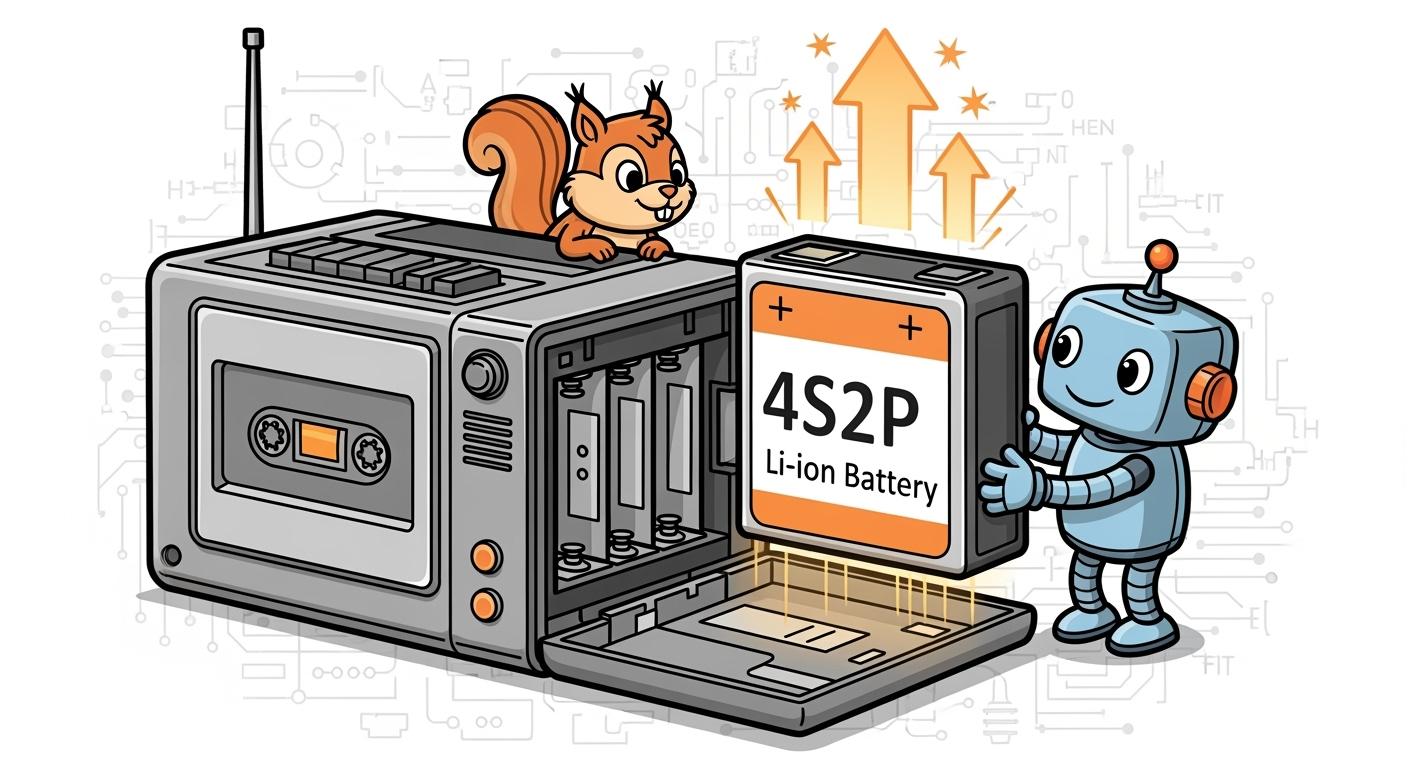
You may notice your legacy equipment struggling to keep up with today’s demands. A battery bottleneck can limit your system’s performance, reliability, and efficiency. Modern 4S2P Li-ion packs, such as NMC, bring several advantages:
Higher energy density gives you more usable power in a smaller, lighter package.
Faster recharge times reduce generator use and increase operational efficiency.
Improved reliability lowers the risk of electrical faults or outages.
Upgrading your battery pack can transform how your equipment performs every day.
Key Takeaways
Identify battery bottlenecks by observing performance issues like short run times and high temperatures. Upgrading can enhance efficiency.
Modern 4S2P Li-ion packs offer higher energy density and faster recharge times, leading to improved reliability and reduced operational costs.
Upgrading to a 4S2P configuration can double your battery capacity, allowing equipment to run longer and more efficiently.
Implement advanced battery management systems to monitor health and prevent failures, ensuring continuous operation and safety.
Evaluate your legacy systems for compatibility before upgrading to maximize the benefits of modern lithium-ion technology.
Part1: Battery Bottleneck Signs
1.1 Performance Limitations
When you notice your equipment slowing down or failing to meet operational targets, you may be facing a battery bottleneck. Short run times, charger faults, and high battery temperatures often signal that your battery is limiting performance. The following table highlights how battery issues can impact your equipment:
Evidence Description | Impact on Performance |
|---|---|
Electrode loading affects charge rates; thicker cathodes require higher current densities. | Limits charging speed due to material constraints. |
Lithium plating occurs when charging speeds exceed diffusion rates, leading to reduced capacity. | Decreases battery efficiency and increases degradation. |
Higher mass loading in electrodes optimizes energy storage but limits lithium transport. | Results in longer charge times and poorer performance in power-demanding situations. |
Increased electrode thickness restricts lithium ion movement due to longer travel distances. | Reduces efficiency and increases heat loss during operation. |
You may also observe reduced equipment output and slower processing speeds. Improved lithium-ion transport is crucial for boosting performance, especially in manufacturing environments.
1.2 Maintenance and Downtime
Frequent maintenance and unexpected downtime often point to a battery bottleneck. Legacy equipment usually requires battery replacement every 12 months, which increases operational interruptions. Upgraded lithium-ion batteries extend service life and reduce maintenance needs. Proper battery management can double operational lifespan and lower expenses.
⚠️ A single bad battery string can cause a facility outage costing up to $960,000 in just four hours. Average downtime costs reach $4,000 per minute, making preventive measures essential for business continuity.
Common signs include plate growth, a rotten egg smell, and charger faults. These issues not only disrupt operations but also drive up costs.
1.3 When to Upgrade
You should consider upgrading your battery when your system struggles to adapt to new battery chemistries like lithium iron phosphate (LFP) or nickel manganese cobalt (NMC). Outdated algorithms, limited data processing, and poor connectivity often indicate that your equipment cannot optimize battery performance. The table below outlines key benchmarks for upgrading:
Criteria/Benchmark | Description |
|---|---|
Adaptability to New Battery Chemistries | Legacy systems struggle with modern battery types like LFP and NMC. |
Algorithm Sophistication | Outdated algorithms fail to optimize performance and longevity. |
Data Processing Capabilities | Limited ability to process real-time data hampers battery health decisions. |
Connectivity and Integration | Older systems lack protocols for IoT and smart grid integration. |
Scalability | Inability to manage large battery arrays leads to inefficiencies. |
Safety Features | Insufficient fault detection and thermal management. |
Component Obsolescence | Difficulty maintaining legacy systems due to outdated components. |
If you see these signs, upgrading to a modern lithium-ion pack can help you overcome battery bottleneck issues and improve reliability.
Part2: 4S2P Li-ion Pack Overview
2.1 4S2P Configuration Explained
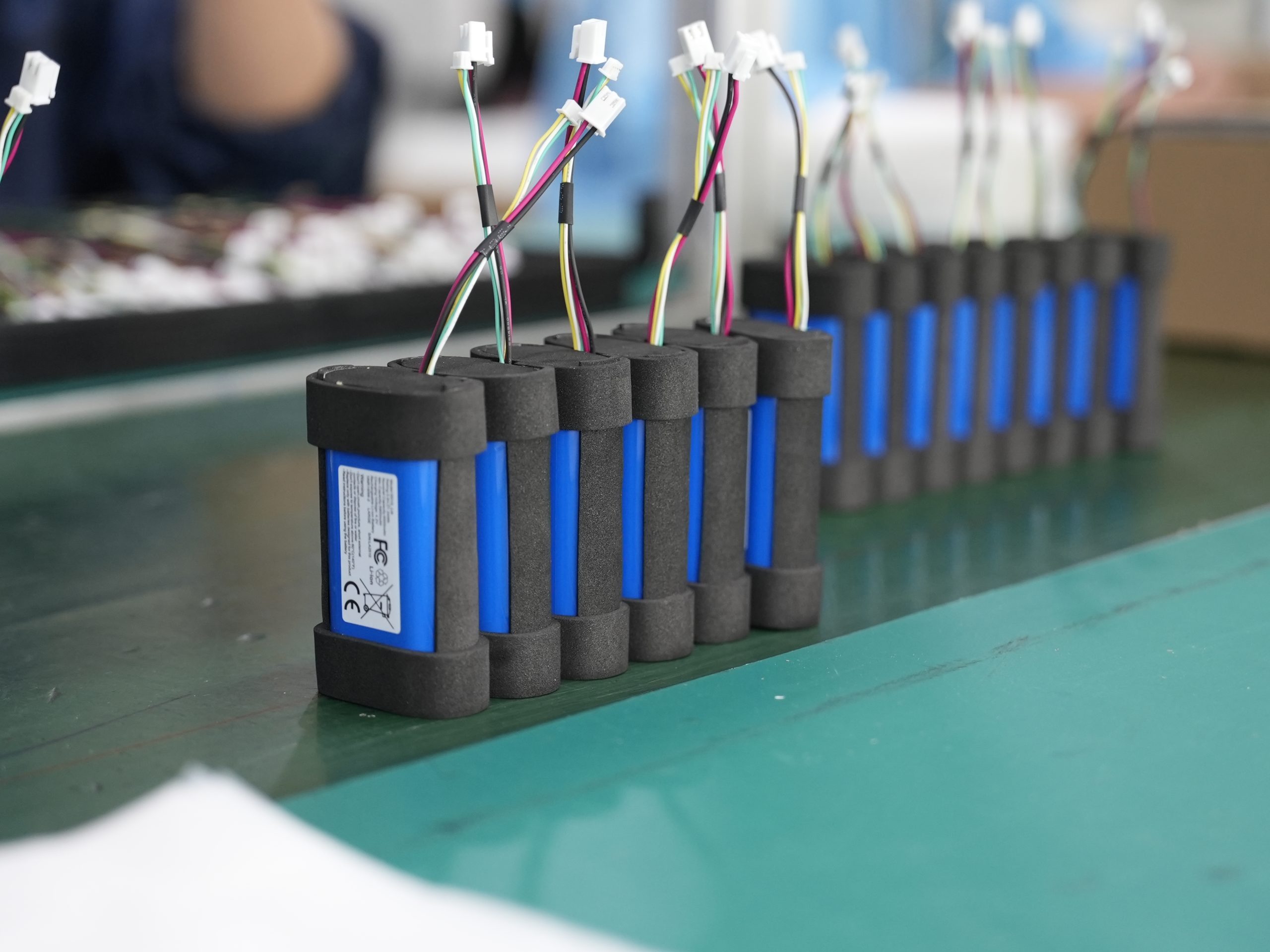
You may wonder how a 4S2P lithium-ion pack works. The term “4S2P” means four cells connected in series and two sets of these series connected in parallel. Series connections increase voltage, while parallel connections boost capacity. This configuration gives you a stable platform voltage and doubles the amp-hour rating compared to a single parallel string.
Configuration | Voltage (V) | Capacity (AH) |
|---|---|---|
4S1P | 12.8 | 100 |
4S2P | 12.8 | 200 |
You get the same voltage but twice the capacity, which helps you avoid a Battery Bottleneck in high-demand applications.
2.2 Advantages Over Legacy Batteries
Modern 4S2P lithium-ion packs use advanced cells such as 21700, which deliver higher energy density and longer cycle life. These packs outperform legacy chemistries like nickel-metal hydride (NiMH) and lead-acid in several ways.
Feature | 4S2P Li-ion Packs | NiMH/Lead-Acid |
|---|---|---|
Voltage | Higher, stable output | Lower, needs more cells |
Capacity | Increased, lighter weight | Limited, heavier |
Design Flexibility | Compact, modular | Bulky, less flexible |
Efficiency | High energy density | Lower, more energy loss |
Weight | Lightweight | Heavy, especially lead-acid |
You benefit from flexible designs and reduced weight, which can improve equipment efficiency and lower transportation costs. For more on sustainable battery practices, see our approach to sustainability. If you want to learn about responsible sourcing, review our conflict minerals statement.
2.3 Safety and Reliability
Safety remains a top priority in modern lithium-ion packs. Manufacturers integrate flame-retardant gel polymer electrolytes and fire-retardant materials to increase thermal stability and reduce fire hazards. Innovative flexible designs help prevent thermal runaway and add extra protection.
Feature | How It Improves Safety |
|---|---|
Flame-retardant gel polymer electrolytes | Increases thermal stability and lowers fire hazards |
Fire-retardant materials | Boosts overall safety and performance |
Innovative flexible designs | Stops thermal runaway and adds extra protection |
You also gain protection from advanced battery management systems. These systems monitor for cell under voltage, over voltage, over temperature, over current, overload, short circuits, and charge timeout. Battery life management features protect against overcharging as the pack ages.
CUV: Protection against deep discharge
COV: Protection against overcharge
OTC/OTD: Protection against overheating
OCC/OCD: Protection against overcurrent
OLD: Protection against overload
SCC/SCD: Protection against short circuits
CTO: Protection against prolonged charging
Battery Life Management: Extends pack lifespan
These features help you maintain reliability and safety, even in demanding industrial environments.
Part3: Upgrade Benefits
3.1 Power and Efficiency Gains
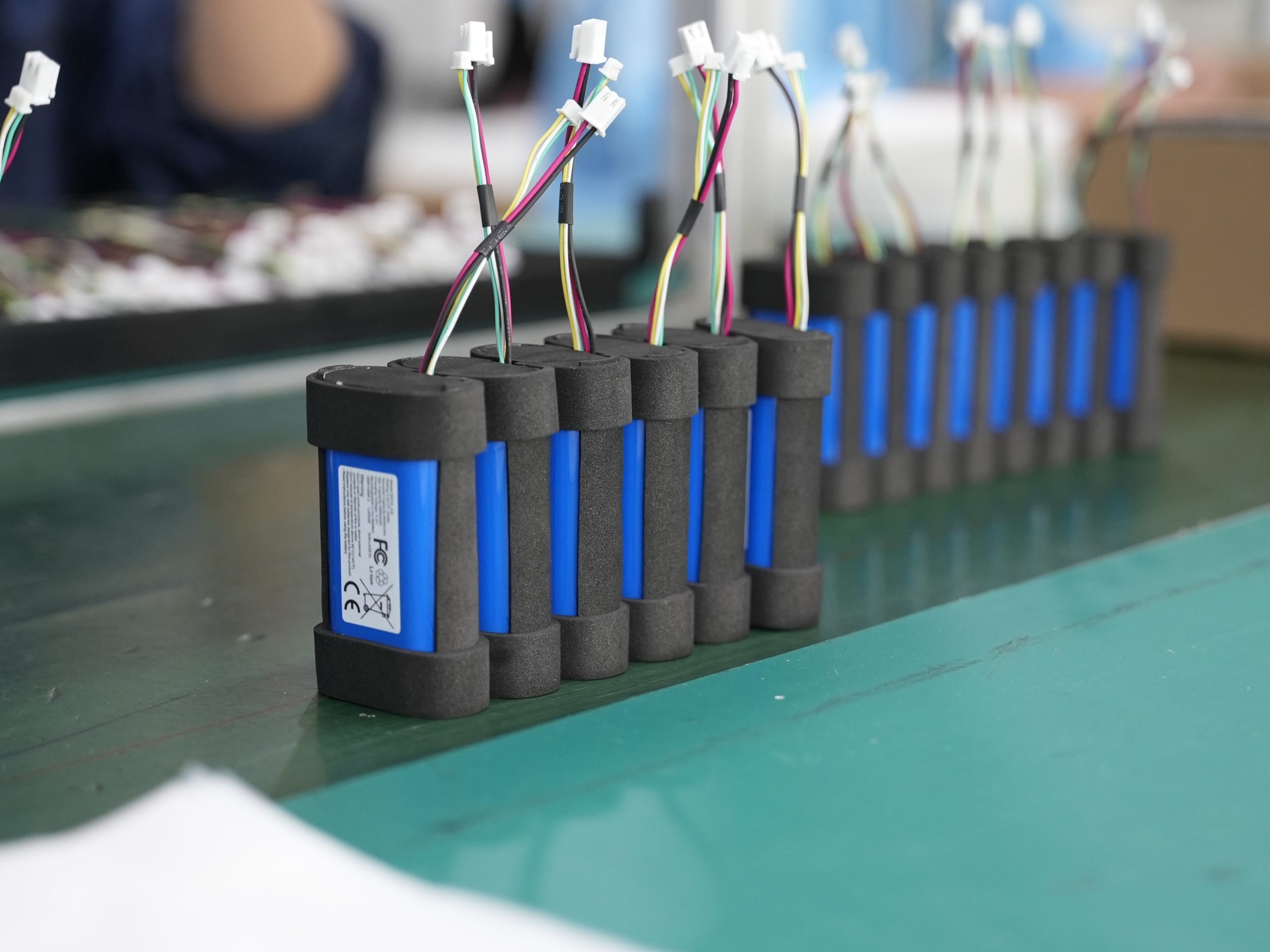
You can unlock significant power and efficiency gains by upgrading to a modern 4S2P lithium-ion pack. Smart lithium-ion battery packs deliver a stable and efficient energy supply, which enhances reliability in demanding environments. You benefit from precise State of Charge (SOC) management and active cell balancing, which improve overall efficiency and extend battery life.
Medical devices require consistent power for critical monitoring and diagnostics. Upgraded packs ensure uninterrupted operation and accurate readings.
Robotics systems rely on efficient energy delivery for precise movement and control. You see smoother operation and reduced error rates.
Security cameras need reliable backup power. Modern lithium-ion packs minimize false alarms and downtime.
Tip: The battery module uses a 4S2P arrangement with a BMS-Slave that communicates safely via wireless RF to the BMS-Master. Quantum sensors measure both small and large currents with high resolution, supporting advanced diagnostics and predictive maintenance.
You can see these efficiency gains in many sectors. For example, infrastructure monitoring equipment and industrial automation systems operate longer and with fewer interruptions. Consumer electronics manufacturers report improved device performance and reduced warranty claims.
Efficiency Gains After Switching to 4S2P Li-ion Packs:
Stable and efficient energy supply
Enhanced reliability
Improved SOC management
Active cell balancing for longer life
3.2 Longer Run Time
You experience longer run times when you upgrade to a 4S2P lithium-ion pack. This improvement is especially important for equipment that must operate continuously or in remote locations. The following table shows real-world examples of run time improvements after upgrading:
Improvement Type | Description | Capacity Improvement | Speed/Torque Improvement |
|---|---|---|---|
Cordless Tool Conversion | Increased tool speed and torque by 28% with a capacity increase to 471%. | 471% | 28% |
Cordless Tool Conversion | Noticeable improvements in blade speed and torque with higher voltage. | N/A | N/A |
Industrial clients report that upgraded packs allow machinery to run longer between charges, reducing the need for frequent battery swaps. Medical facilities benefit from extended uptime for portable diagnostic devices, which improves patient care. Robotics applications see longer operational cycles, which increases productivity and reduces labor costs.
Note: Longer run times also support sustainability goals by reducing energy waste and minimizing the number of batteries required for backup. For more information, see our approach to sustainability and our conflict minerals statement.
3.3 Reduced Downtime
You reduce downtime by upgrading to a modern lithium-ion pack. Legacy batteries often cause unexpected outages and maintenance delays, which disrupt operations and increase costs. Modern packs feature advanced battery management systems that monitor cell health and prevent failures before they occur.
Security systems maintain continuous surveillance, reducing the risk of gaps in coverage.
Industrial automation equipment operates with fewer interruptions, which improves throughput and lowers maintenance expenses.
Infrastructure monitoring devices stay online longer, supporting critical data collection and analysis.
You avoid the costly consequences of a Battery Bottleneck. Upgraded lithium-ion packs help you maintain business continuity and protect your investment in equipment. You also benefit from improved safety features, which lower the risk of thermal events and electrical faults.
Callout: Reduced downtime leads to higher productivity, better resource allocation, and increased customer satisfaction across all sectors.
You can see the impact in medical, robotics, security, infrastructure, consumer electronics, and industrial applications. Upgrading to a 4S2P lithium-ion pack positions your business for long-term success.
Part4: Upgrade Process & Compatibility
4.1 Compatibility Checks
Before you upgrade legacy equipment to a 4S2P lithium-ion pack, you need to verify system compatibility. Start by reviewing your equipment’s voltage and current requirements. Confirm that your system supports the nominal voltage of a 4S2P module, typically 14.8V, and can handle the increased capacity.
Use a Battery Management System (BMS) to monitor each cell’s voltage during charge and discharge. This ensures safe operation within the 2.5V to 4.2V range.
For a 4S2P configuration, connect two 4S1P packs in parallel. This setup requires eight BMS nodes, often managed by two 4-channel BMS units.
Integrate a boost converter charger to reach the minimum charging voltage of 16.8V. Use a buck converter if your equipment operates at 12V.
⚡ Proper compatibility checks reduce the risk of system faults and maximize the benefits of your lithium battery upgrade.
4.2 Installation Steps
Safe installation practices protect both your equipment and personnel. Follow these key steps:
Safety Precaution | Description |
|---|---|
Wear Protective Clothing | Always use insulated gloves and safety glasses. |
Prevent Short Circuits | Insulate all components and keep conductive materials away from the workspace. |
Proper Soldering Techniques | Solder only onto nickel strips or designated terminals, never directly onto cells. |
Follow Manufacturer’s Instructions | Adhere to all specifications and guidelines for battery cells and BMS modules. |
Always disconnect power sources before installation. Double-check all wiring and connections. Use only components rated for industrial lithium battery systems.
4.3 Common Challenges
You may encounter several challenges during the upgrade process. The table below outlines typical issues and solutions:
Issue Description | Details |
|---|---|
OEM Converters Limitations | OEM converters may remain in 13.6V absorption mode, which is insufficient for LiFePO₄ charging. |
Charging Profile Requirements | Legacy systems might not support segmented constant-current/constant-voltage charging. |
Equalization Cycle Concerns | Existing converters performing equalization cycles can damage LiFePO₄ batteries. |
Upgraded Charging Systems | Choose a bidirectional inverter with a dedicated lithium charging algorithm. |
When balancing cost, performance, and manufacturability, review the following specifications for a typical 4S2P module:
Feature | Specification |
|---|---|
Battery Type | 172Ah 4S2P module |
Nominal Voltage (V) | 14.8 |
Max Charge Current | 1C |
Max Discharge Current | 3C |
Cycle Life | >1500 cycles |
Weight (kg) | 11.9 |
Size (mm) | 105×150×352 |
Selecting the right components and following best practices ensures a smooth transition to modern lithium battery technology.
Upgrading to a modern 4S2P Li-ion pack helps you overcome the Battery Bottleneck in legacy equipment. You gain higher energy density, longer run time, and improved safety features.
Assess your current systems for signs of battery limitations.
Take steps to upgrade for better reliability and efficiency.
A thoughtful upgrade process positions your business for stronger performance and reduced downtime.
FAQ
What does 4S2P mean for lithium battery packs?
You see 4S2P as four cells in series and two in parallel. Series increases voltage. Parallel increases capacity. This setup gives you stable voltage and higher amp-hour ratings for industrial applications.
How do modern 4S2P Li-ion packs improve safety?
Manufacturers use flame-retardant gel polymer electrolytes and advanced battery management systems. You get protection from overcharge, deep discharge, overheating, and short circuits. These features reduce fire risk and improve reliability.
Can you upgrade legacy equipment to 4S2P lithium packs without major redesign?
You often upgrade without full redesign. Check voltage and current compatibility. Use a suitable Battery Management System. Review charging profiles. Most legacy systems need only minor adjustments for safe integration.
What are the main advantages over lead-acid and NiMH batteries?
Feature | 4S2P Li-ion Pack | Lead-Acid/NiMH |
|---|---|---|
Energy Density | High | Low |
Cycle Life | >1500 cycles | <500 cycles |
Weight | Light | Heavy |
Maintenance | Minimal | Frequent |
How do you ensure compatibility with existing industrial systems?
You verify voltage, current, and charging requirements. Use a Battery Management System for monitoring. Consult manufacturer specifications. Test the system before full deployment to avoid faults.


