

Battery innovation transforms how you use point-of-care devices in critical care and diagnostics. Advanced battery technology boosts reliability and safety, reducing downtime and adverse events. You see battery innovations in longer operating times and improved patient outcomes.
Portable ventilators now run up to 10 hours per charge.
Patient monitoring device shipments may reach 35 million units in 2025.
Wearable health technology demand could surpass 100 million units by 2025.
Battery innovations decentralize diagnostics and support remote solutions. You gain efficiency with batteries that extend device uptime and simplify maintenance.
Key Takeaways
Battery innovations enhance the reliability and safety of emergency medical devices, ensuring they function when needed most.
Decentralized diagnostics powered by advanced batteries improve access to medical care, especially in remote areas.
Choosing medical devices with advanced battery technology boosts patient outcomes and operational efficiency.
Part1: Battery Innovation Impact on Devices
1.1 Reliability in Emergency Devices
You rely on emergency medical equipment to deliver consistent performance in critical moments. Battery innovation drives reliability and safety in these devices, ensuring they function when you need them most. Lithium battery chemistries such as LiFePO₄ and NMC offer thermal stability and long cycle life, making them ideal for emergency medical technology. These batteries provide higher energy density, which supports compact medical devices and extends runtime. You see the benefits in ventilators and cardiac monitors, where lithium battery packs guarantee stable power supply and long operation.
Tip: Regular battery monitoring and proactive maintenance help you maintain optimal performance and device reliability in emergency medical equipment.
Modern automated external defibrillators (AEDs) showcase how advanced batteries improve emergency response. The following table compares battery life across popular AED models:
AED Model | Battery Life |
|---|---|
Defibtech DBP-2800 | Up to 7 years |
Philips M5070A | Around 4 years |
Cardiac Science Powerheart G3 | Around 4 years |
You benefit from user-friendly designs and reliable lithium battery packs in AEDs, which enhance response times and reduce downtime. Emergency medical technology depends on these innovations to deliver real-time care and improve patient outcomes.
Battery chemistries like LiFePO₄ increase safety and reliability in emergency medical equipment.
NMC batteries support compact devices with high energy density.
Lithium battery packs ensure long runtime and stable power for life support systems.
1.2 Decentralizing Diagnostics
Battery innovation enables you to decentralize diagnostics, bringing medical technology closer to the point of care. Battery-powered diagnostic devices operate independently of centralized labs, supporting decentralized healthcare models. You can use these devices in remote settings and resource-limited environments, where immediate results are crucial for emergency medical technology.
Battery-powered diagnostic devices deliver real-time results at or near patient care sites.
These devices support home care diagnostics, allowing you to monitor health and communicate with providers remotely.
Decentralized diagnostics reduce reliance on centralized labs and improve access to medical care.
A case study highlights the impact of battery-powered decentralized cancer diagnostic devices:
Aspect | Details |
|---|---|
Project Name | OVision |
Technology Used | Raspberry Pi-based system for cancer diagnosis |
Key Benefit | Enhances accessibility in resource-constrained settings |
Diagnostic Accuracy | 95% accuracy in detecting ovarian cancer subtypes |
Target Problem | Limited access to advanced diagnostic tools in lower-resource regions leading to higher mortality |
Solution | Development of low-cost, portable diagnostic devices leveraging deep learning and portable computing |
Impact | Bridges the gap in access to precision oncology and improves cancer care equity worldwide |
You see how battery innovation in medical devices like OVision bridges gaps in access and supports precision oncology. These advancements in emergency medical equipment and diagnostic technology empower you to deliver better care in diverse settings.
1.3 Enhancing Patient Care
Battery innovation enhances patient care by improving the efficiency and safety of point-of-care devices. You experience faster diagnostics and more reliable monitoring, which leads to better treatment decisions and outcomes. Advanced batteries, especially lithium battery packs, ensure continuous operation and minimize power interruptions in medical devices.
Point-of-care diagnostics reduce the time from patient presentation to diagnosis, increasing treatment efficiency.
Imaging devices at the point of care allow more interaction between you and your patients, improving outcomes.
Portable devices minimize patient transportation, lowering infection risks, especially during emergencies like the COVID-19 pandemic.
You benefit from devices such as the LumiraDx instrument, which provides rapid, accurate results in minutes. This technology addresses diagnostic challenges in rural and resource-limited settings, improving access to testing and enabling early intervention. Battery innovation in medical devices supports real-time monitoring and targeted treatment plans, reducing strain on healthcare systems.
Advanced batteries in patient monitoring devices offer reliable power and faster charging.
Built-in safety features prevent overheating and overcharging, critical for medical safety.
Reliable battery performance ensures continuous monitoring and enhances patient care.
Note: You improve patient outcomes and operational efficiency by choosing medical devices with advanced battery technology.
You see battery innovation driving reliability, safety, and efficiency in emergency medical equipment, decentralized diagnostics, and patient monitoring. These advances in medical technology empower you to deliver real-time care and improve device reliability across healthcare settings.
Part2: Battery Technology Advances
2.1 Lithium Battery Developments
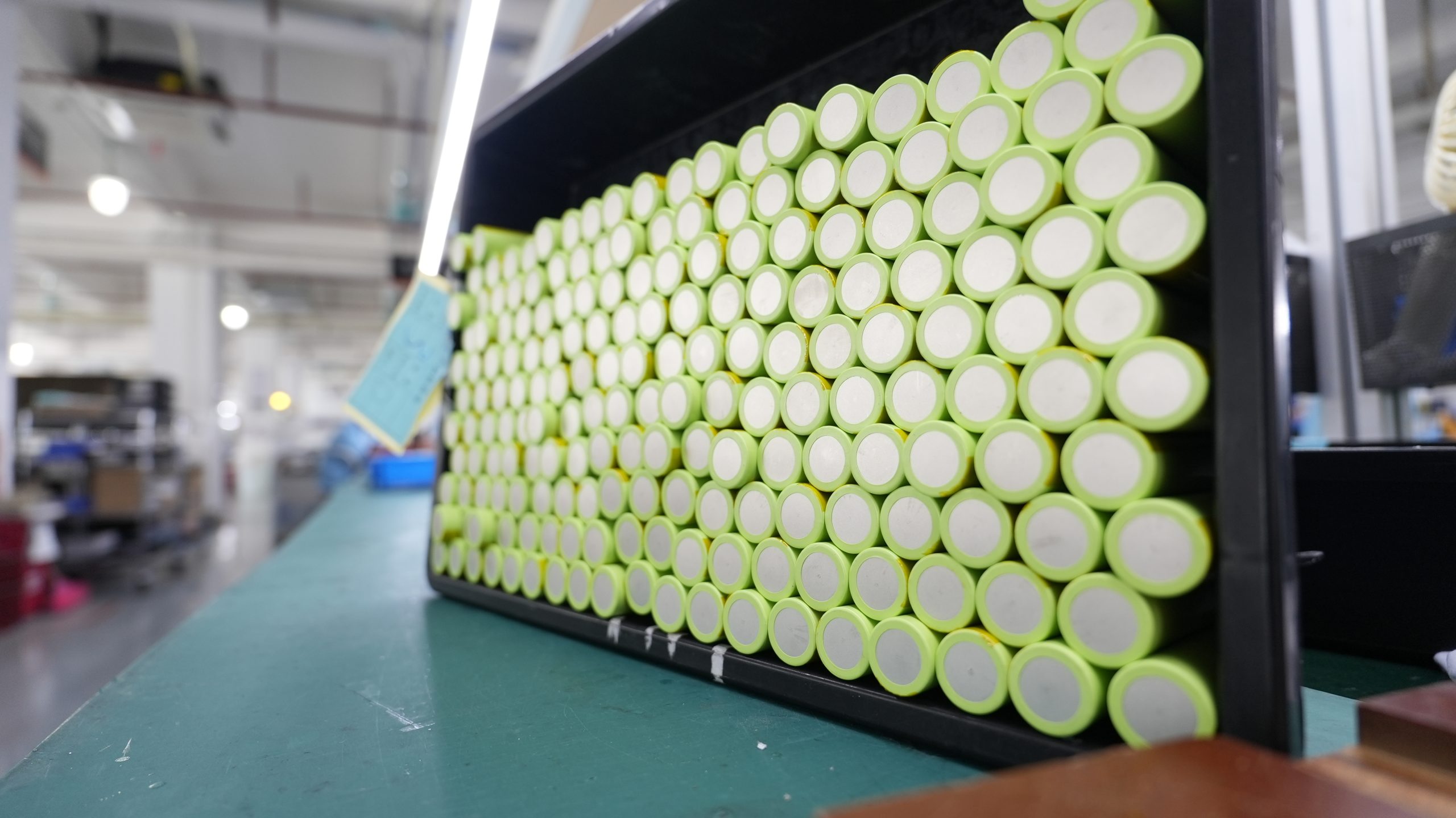
You see rapid progress in lithium battery technology for medical devices. These advances drive higher power density, longer run times, and miniaturization, making devices more portable and efficient. The latest lithium-ion batteries offer improved biocompatibility, supporting safe use in medical applications. Solid-state battery technology promises even greater safety and energy density for future devices. Wireless charging systems now simplify device maintenance and deployment in clinical settings.
Development Type | Description |
|---|---|
Power Density | Lithium-ion batteries provide more power and longer run times compared to legacy technologies. |
Miniaturization | Smaller and lighter batteries enable the creation of more portable medical devices. |
Biocompatibility | Advances ensure that batteries can be safely used in medical applications without adverse effects. |
Solid-State Batteries | Emerging technology that promises higher safety and energy density. |
Wireless Charging Systems | Innovations that allow for convenient charging of medical devices without physical connections. |
Sustainable Technologies | Focus on environmentally friendly battery solutions for medical applications. |
You benefit from lithium battery packs such as LiFePO4, NMC, LCO, LMO, and LTO, which deliver consistent performance and reliability. These chemistries support a wide range of medical, robotics, and security system devices.
Feature | Lithium-Ion Batteries | Previous Technologies |
|---|---|---|
Energy Density | Significantly higher | Lower |
Lifespan | Long cycle life (over 1,000 cycles) | Shorter lifespan |
Safety Enhancements | Improved safety features | Limited safety measures |
2.2 Self-Powered Device Solutions
You now use self-powered device solutions to enhance real-time monitoring and patient care. Biofuel cells act as both biosensors and power sources, making medical devices more eco-friendly and user-friendly. Mechanical energy harvesters, such as piezoelectric and triboelectric generators, convert movement into electricity, supporting self-powered systems for medical applications. Self-powered glucose sensors use piezoelectric nanogenerators to detect glucose levels, improving real-time patient monitoring.
Self-Powered Device Solution | Description | Applications |
|---|---|---|
Biofuel Cells (BFCs) | Eco-friendly self-powered sensors that act as both biosensors and power sources. | Used in various POC applications, simplifying systems and enhancing user-friendliness. |
Mechanical Energy Harvesters | Devices like piezoelectric generators and triboelectric generators that convert mechanical energy into electrical energy. | Develop self-powered systems and sensors for POC applications. |
Self-Powered Glucose Sensor | A sensor that detects glucose concentration using a piezoelectric nanogenerator. | Practical application in glucose monitoring, showcasing real-world use of self-powered technology. |
Photovoltaic energy harvesting offers high power conversion efficiency and a small footprint, making it ideal for implantable medical devices.
Self-powered devices support long-term monitoring and reduce maintenance needs.
2.3 Safety and Lifecycle Improvements
You demand high safety standards and long lifecycle for medical devices. Recent battery technology improvements address these needs. Investigations into battery failures led to design changes in charging circuits and equipment configuration, reducing the risk of thermal runaway and fires. MIT researchers developed new electrolytes for non-rechargeable batteries, increasing energy capacity and extending battery life in implantable devices. These advancements lower replacement frequency and reduce battery waste, supporting sustainability and responsible sourcing.
Benefit | Description |
|---|---|
Faster charging | Advanced lithium battery packs enable quicker charging times, ensuring devices are ready for use. |
Longer life | Improved battery chemistries lead to extended lifespans, reducing the need for frequent replacements. |
Consistent power output | Enhanced performance ensures reliable operation of devices in various environments. |
Built-in safety features | Safety mechanisms protect devices from failures in demanding conditions. |
Ultra-low-power circuits | These circuits help extend the life of self-powered modules, crucial for continuous monitoring. |
Advanced packaging technologies | Smaller device sizes enhance portability and ease of deployment in remote areas. |
Lower power consumption | Enables continuous monitoring and rapid diagnosis, essential for patient care. |
Tip: Choose medical devices with advanced lithium battery packs to maximize safety, reliability, and sustainability in your operations.
Part3: Smart Device Integration
3.1 Connectivity and Remote Monitoring
You now expect medical devices to deliver seamless connectivity and real-time remote monitoring. Battery innovation supports this shift by powering devices that transmit health data securely and continuously. Bluetooth Low Energy (BLE) technology, enabled by advanced lithium-ion and lithium-polymer batteries, ensures reliable data transfer from wearable and portable medical equipment.
Real-time health monitoring enables timely interventions and reduces hospital readmissions.
Enhanced patient engagement through apps and dashboards encourages better self-care and adherence to treatment plans.
Improved medication adherence as patients can track their health data and identify patterns.
Continuous monitoring of vital signs allows for early detection of irregularities.
Data collected over time supports accurate diagnoses and treatment adjustments.
Integration with electronic health records (EHRs) enhances communication among healthcare providers.
Battery-operated point-of-care devices are now prevalent in Medical, Robotics, and Security System sectors, reducing delays and costs by bringing tests directly to patients. You benefit from uninterrupted care and improved patient outcomes.
3.2 Wearable and Implantable Devices
Wearable and implantable medical devices rely on battery technology for safety, comfort, and performance. Flexible lithium-polymer and LiFePO4 batteries enable slim, lightweight designs for biosensors, smartwatches, and health patches. These batteries deliver high energy density and long runtimes, supporting continuous monitoring for heart rate, blood oxygen, and glucose levels.
Key Innovations | Description |
|---|---|
Battery Chemistries | New lithium-ion and lithium-polymer batteries are thin and flexible, ideal for wearables. |
Energy Density and Size | High energy density allows longer use while maintaining a slim profile. |
Future Innovations | Metal-air batteries and energy harvesting may reduce charging needs. |
Battery Life Optimization | Wireless charging and low power consumption extend device life. |
Battery management systems (BMS) and safety features such as fuses, coatings, and biocompatibility tests protect both the device and the patient. In implantable devices, battery innovation increases reliability and extends service life, reducing the need for surgical replacements. Modifications to battery anodes can boost energy capacity by 20% while maintaining safety, which improves patient care and outcomes.
3.3 Imaging Device Innovations
You see battery advancements driving the miniaturization and portability of imaging devices for decentralized diagnostics. Handheld ultrasound, portable MRI, and compact X-ray systems now deliver high-quality images in field settings. Improvements in battery technology extend operational time, which is crucial for Medical and Industrial applications.
Evidence Type | Description |
|---|---|
Technological Advancements | Wireless connectivity, AI integration, and miniaturization enhance device functionality. |
Industry Innovations | Handheld ultrasound, portable MRI, and compact X-ray systems maintain high image quality. |
Longer operational time in the field supports decentralized diagnostics. |
You gain flexibility to provide care in remote or resource-limited environments. Battery-powered imaging devices support rapid diagnosis and treatment, improving patient outcomes and streamlining workflows. As battery innovation continues, you can expect even greater integration of smart technology in medical imaging.
Part4: Future Trends in Battery Innovation

4.1 Emerging Technologies for Devices
You see advanced battery technologies transforming healthcare applications. Lithium-ion, LiFePO4, lithium-polymer/LiPo, and solid-state battery chemistries drive new standards for safety and efficiency. These batteries meet strict regulatory standards for medical and emergency applications.
Standard | Description |
|---|---|
ANSI/AAMI ES 60601-1 | Safety and performance for medical electrical equipment |
IEC 60086-4 | Primary cell battery regulation |
IEC 60086-5 | Primary cell battery regulation |
UL2054 | Household and commercial battery standard |
ISO 20127 | Powered toothbrushes standard |
You benefit from high energy storage capacity, long cycle life, and low maintenance requirements. However, you must address higher production costs and safety handling requirements. Proper management systems reduce thermal runaway risks in lithium-ion batteries, ensuring patient safety in healthcare environments. Real-time monitoring and smart battery monitoring systems support continuous operation in medical, robotics, and security system applications.
4.2 Customization and Integration Opportunities
You drive innovation by demanding customized battery solutions for healthcare and industrial applications. Integration of battery management systems and monitoring features ensures reliability and patient safety. You require batteries that run continuously during lengthy procedures without overheating or performance variation.
Customized testing verifies operational reliability and safety.
Standardized safety tests may not reflect specific risks in healthcare applications.
Evaluation considers diverse patient characteristics and usage patterns.
You can request a custom battery consultation with Large Power to optimize integration for your unique needs. Integration of smart battery monitoring and advanced battery technologies supports real-time monitoring and emergency care across medical, robotics, and industrial sectors.
4.3 Next-Gen Patient Solutions
You rely on next-generation battery solutions to enhance patient safety and care in healthcare applications. These advancements power implantable medical devices, cardiac implants, and drug delivery systems. Integration of energy harvesting technologies enables devices to capture biomechanical energy, making them self-powered and sustainable. Real-time monitoring improves patient outcomes and supports emergency response.
Note: Next-generation batteries improve device reliability, extend service life, and reduce maintenance needs. You deliver better patient care and support with advanced battery technologies in point-of-care settings.
You see these innovations driving healthcare forward, supporting medical, industrial, and security system applications. Integration of smart battery monitoring and advanced battery technologies ensures continuous operation and patient safety.
You see battery innovation transforming point-of-care devices. Lithium-ion batteries deliver reliable, long-lasting power. The table below shows how advanced batteries shape healthcare:
Battery Type | Advantages | Applications in Healthcare |
|---|---|---|
Li-Ion | Long-lasting, stable, lightweight | Patient care, diagnostics |
You can request a custom battery solution from Large Power to meet your unique needs.
FAQ
What lithium battery chemistries does Large Power offer for point-of-care devices?
You can choose from LiFePO4, NMC, LCO, LMO, and LTO lithium battery packs. Each chemistry provides unique platform voltage, energy density, and cycle life for Medical and Industrial applications.
Chemistry | Platform Voltage | Energy Density (Wh/kg) | Cycle Life (cycles) |
|---|---|---|---|
3.2V | 90-160 | 2000+ | |
NMC | 3.7V | 150-220 | 1000-2000 |
LCO | 3.7V | 150-200 | 500-1000 |
LMO | 3.7V | 100-150 | 700-1500 |
LTO | 2.4V | 70-110 | 4000+ |
How do lithium-ion and solid-state batteries improve device safety and reliability?
You benefit from lithium-ion and solid-state batteries. These technologies offer stable power, enhanced safety features, and long cycle life for Robotics and Security System sectors.
How can you request a custom battery solution from Large Power?
You can request a custom battery consultation with Large Power here. You receive tailored lithium battery packs for Medical, Infrastructure, and Industrial applications.


