

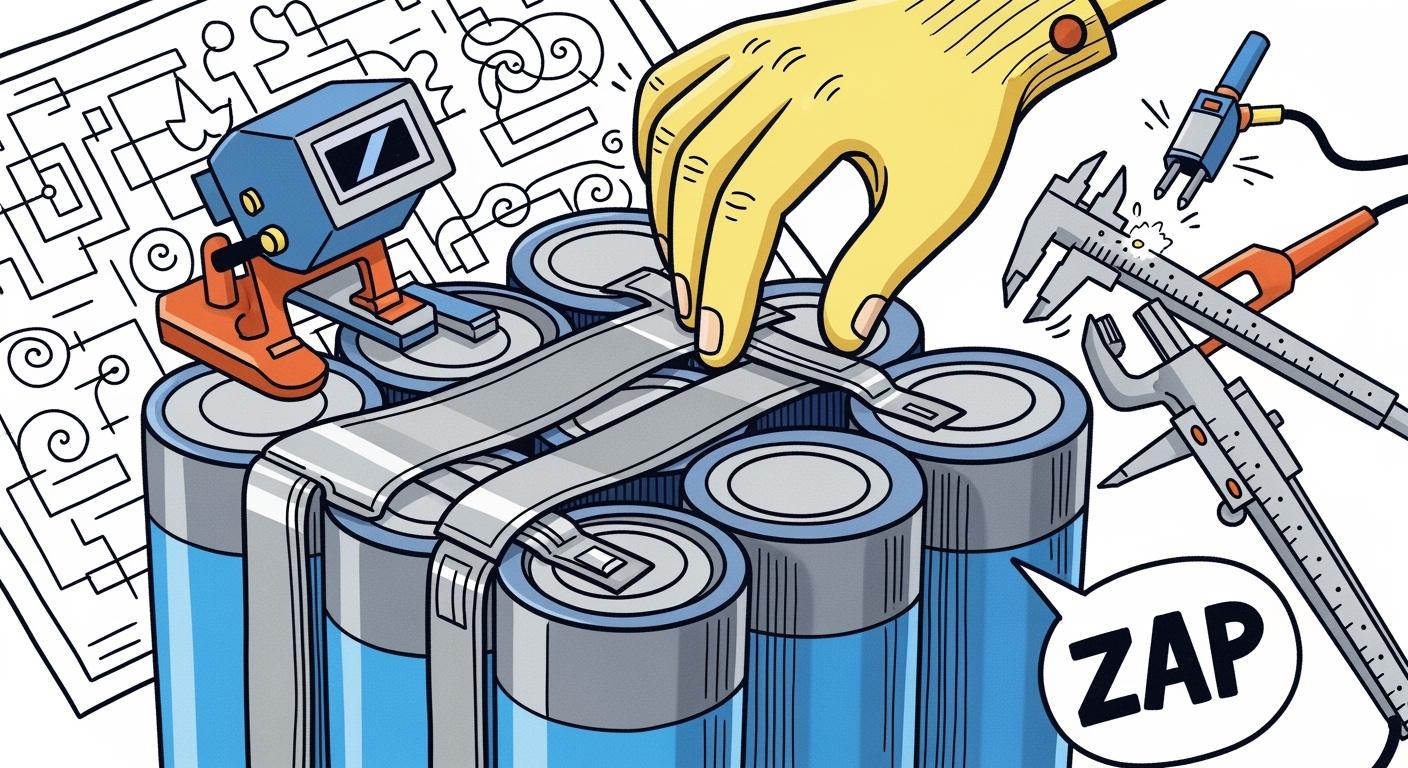
Nickel strip thickness plays a critical role in the reliability of custom lithium Battery Pack Assembly. Proper sizing of nickel strips directly affects electrical resistance, which influences both performance and safety. When a nickel strip is too thin, it can overheat, leading to a series of failures such as efficiency loss, insulation damage, chemical degradation, and even thermal runaway. The risk increases because the heat produced by a thin strip rises rapidly with current, making careful selection essential for preventing overheating and ensuring compliance with IPC standards. Engineers and manufacturers must evaluate nickel strip thickness to maintain safe and reliable battery packs.
Key Takeaways
Nickel strip thickness directly affects electrical resistance, impacting battery pack performance and safety.
Thicker nickel strips reduce heat generation and improve current handling, making them essential for high-power applications.
Engineers must match strip thickness to expected current loads to prevent overheating and ensure compliance with IPC standards.
Using pure nickel strips enhances durability and reliability, reducing the risk of failures in battery packs.
Monitoring assembly variables and following best practices can help maintain consistent quality and performance in battery pack designs.
Part 1: Nickel Strip Thickness and IPC Reliability
1.1 Direct Impact on Battery Pack Assembly
Nickel strip thickness determines how efficiently current flows between cells in Battery Pack Assembly. Thicker nickel strips reduce electrical resistance, which helps maintain stable voltage and minimizes heat generation. When engineers select a strip that is too thin, resistance increases. This higher resistance causes more voltage drop and greater heat buildup, especially during high current loads.
A comparison of common nickel strip thicknesses shows clear differences in performance:
Nickel Strip Thickness | Current Handling | Resistance Impact | Heat Generation |
|---|---|---|---|
0.2mm | 6.4A to 10A | Higher resistance | More heat |
0.3mm | >30A | Lower resistance | Less heat |
This table demonstrates that a 0.2mm strip handles less current and produces more heat due to higher resistance. A 0.3mm strip supports higher currents with less heat, making it more suitable for demanding applications such as LiFePO4 or NMC battery packs. Lower resistance also means less energy loss, which improves overall efficiency and extends the life of the battery system.
Tip: Engineers should always match nickel strip thickness to the expected current load in Battery Pack Assembly. This practice prevents overheating and ensures consistent performance.
1.2 IPC Compliance Factors
IPC standards set strict guidelines for safety and reliability in battery pack manufacturing. These standards require that all conductive paths, including nickel strips, meet specific criteria for current-carrying capacity and spacing. The IPC-2221 standard highlights the importance of proper nickel strip sizing:
Standard | Importance |
|---|---|
IPC-2221 | Ensures safety and reliability through adherence to clearance and current-carrying capacity standards. |
When manufacturers follow IPC-2221, they reduce the risk of insulation failure, short circuits, and thermal events. Proper nickel strip thickness helps meet these requirements by keeping temperature rise within safe limits and maintaining mechanical integrity. For lithium chemistries like LCO and LMO, which may have different platform voltages and energy densities, selecting the right strip thickness becomes even more critical.
Battery Pack Assembly that meets IPC standards not only performs better but also passes quality audits and regulatory inspections. Consistent compliance protects both the manufacturer and the end user from costly failures and recalls.
Part 2: IPC Reliability in Battery Pack Assembly
2.1 IPC Standards Overview
IPC standards set the foundation for quality and safety in electronic assemblies. These guidelines help manufacturers create reliable connections in Battery Pack Assembly. IPC-2221 stands out as the main standard for printed circuit board design, but it also applies to battery packs. This standard defines rules for conductor width, spacing, and current-carrying capacity.
Manufacturers use IPC-2221 to select the right nickel strip thickness for each application. The standard helps engineers avoid overheating and mechanical failure. IPC-2221 also supports consistent quality across different chemistries, such as LiFePO4, NMC, LCO, and LMO. By following these rules, companies reduce the risk of recalls and improve customer trust.
2.2 Reliability Criteria for Battery Packs
Reliability in battery packs depends on several factors. Nickel strip thickness plays a key role in current handling and mechanical strength. Industry benchmarks show that thicker strips provide better durability and reliability. The table below compares common options:
Nickel Strip Thickness | Application Type | Notes |
|---|---|---|
0.12mm | Standard | Basic durability |
0.15mm | High-reliability | Improved strength and current handling |
Engineers choose 0.15mm strips for high-reliability packs. These strips handle higher currents and resist wear during vibration or thermal cycling. IPC standards recommend matching strip thickness to the expected load and environment.
Note: Consistent strip sizing helps maintain safe temperatures and prevents insulation breakdown. This practice supports long cycle life and stable platform voltage in lithium battery packs.
Part 3: Nickel Strips in Battery Packs
3.1 Role in Current Flow and Safety
Nickel strips serve as the main pathway for electrical current between cells in Battery Pack Assembly. Their thickness directly affects how much current can safely pass through the pack. In industries such as medical devices, robotics, security systems, infrastructure, consumer electronics, and industrial equipment, reliable current flow is essential for uninterrupted operation.
Thicker nickel strips carry more current without overheating, which is crucial for safety.
Thin strips increase resistance and heat, raising the risk of fire hazards.
The thickness must match the expected current load to prevent dangerous situations.
Joule Heating occurs when current flows through a strip, generating heat proportional to the square of the current. If a 0.15mm strip is used for a current intended for a thicker strip, the heat generated can increase exponentially. This can lead to severe overheating, which poses a significant safety risk.
A nickel strip that is too thin, such as 0.1mm, cannot handle high currents effectively. If excessive current, like 30 amps, is pushed through a strip designed for lower currents, it can overheat. Overheating may cause the strip to act like a fuse, breaking the connection or causing a fire hazard. High purity in nickel strips is also crucial. Impurities increase resistance and generate heat, both of which are detrimental in battery packs.
3.2 Importance of Thickness Selection
Selecting the right nickel strip thickness is vital for optimal battery pack performance. Engineers must consider current carrying capacity, strip width, and application requirements. A thicker strip handles more current and reduces the risk of overheating. Wider strips enhance electrical contact and strengthen weld joints, improving reliability.
For high-power applications, such as LiFePO4, NMC, LCO, and LMO battery packs used in industrial and medical sectors, a thicker and wider strip ensures safety and performance. Proper thickness selection supports stable platform voltage, high energy density, and long cycle life. Engineers should always match strip thickness to the expected load and environment to maintain IPC reliability and prevent failures.
Tip: Always verify the nickel strip’s thickness and purity before integrating it into Battery Pack Assembly. This practice reduces safety risks and supports consistent operation across demanding industries.
Part 4: Nickel Strip Thickness Effects
4.1 Resistance and Voltage Drop
Nickel strip thickness directly affects resistance in Battery Pack Assembly. Thicker strips allow more current to flow with less resistance. Lower resistance means less voltage drop across the strip, which helps maintain stable platform voltage in lithium battery packs such as LiFePO4, NMC, LCO, and LMO. Engineers select strip thickness based on the expected current load. If the strip is too thin, resistance increases and voltage drops become significant. This can reduce energy density and shorten cycle life.
Thicker strips: Lower resistance, stable voltage, improved efficiency.
Thinner strips: Higher resistance, greater voltage drop, reduced performance.
Note: Stable voltage is essential for reliable operation in industrial and medical applications.
4.2 Heat Generation and Overheating Risks
Heat generation is a major concern in battery pack design. When current flows through a nickel strip, resistance causes heat. Thicker strips dissipate heat more effectively, keeping temperatures within safe limits. Thin strips can overheat quickly, especially during high current loads. Overheating may damage insulation, degrade chemicals, and increase the risk of thermal runaway.
Strip Thickness | Heat Generation | Overheating Risk |
|---|---|---|
0.2mm | High | Elevated |
0.3mm | Low | Reduced |
Engineers must match strip thickness to the application. High-power lithium chemistries require thicker strips to prevent overheating and ensure long-term reliability.
4.3 Mechanical Strength
The thickness of nickel strip is essential for the mechanical strength of battery pack connections. Thicker strips can manage higher currents and create more robust connections, which are vital for the longevity and efficiency of battery packs. Conversely, thinner strips may be necessary for applications requiring high energy density, which can complicate the maintenance of strength.
Long-term reliability depends on the material used for nickel strips. Pure nickel offers superior durability, while nickel-plated steel can lead to early failures.
Nickel Strip Type | Long-Term Reliability Outcome |
|---|---|
Pure Nickel | A pack built with pure nickel is a long-term investment. |
Nickel-Plated Steel | A pack with steel strips is a failure waiting to happen. |
Tip: Engineers should always verify strip material and thickness to ensure robust mechanical connections and reliable performance.
Part 5: Comparing Thickness Options
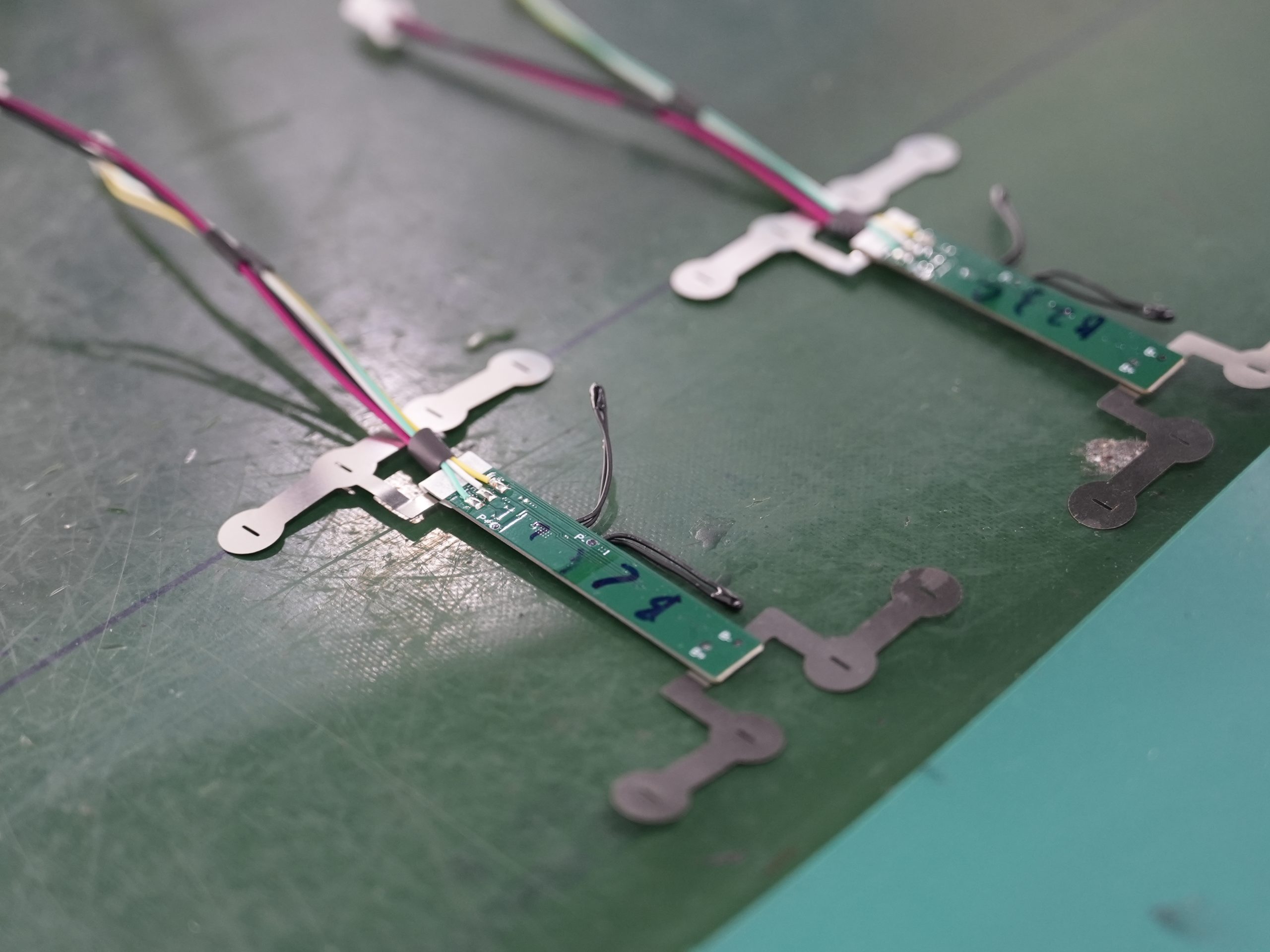
5.1 Performance in High-Load Scenarios
Engineers often face demanding conditions in Battery Pack Assembly, especially when working with lithium chemistries like LiFePO4, NMC, LCO, and LMO. High-load scenarios require nickel strips that can handle large currents without excessive resistance or heat buildup. Thicker nickel strips, such as 0.3mm, deliver superior performance in these environments. They support higher platform voltage, maintain energy density, and extend cycle life by minimizing voltage drop and heat generation.
In industrial applications, thicker strips ensure stable operation during peak loads. Medical devices and robotics also benefit from robust connections, as reliability is critical. Thinner strips may struggle under these conditions, leading to overheating and reduced efficiency. Engineers must evaluate the expected current and select a thickness that matches the application’s requirements.
Note: Choosing the right thickness prevents failures and supports long-term reliability in high-load battery pack designs.
5.2 Trade-Offs: Flexibility vs. Efficiency
Selecting nickel strip thickness involves balancing flexibility and efficiency. Thicker strips offer greater efficiency, durability, and current-carrying capacity. They are essential for high-power applications but may reduce flexibility in compact designs. Thinner strips provide more flexibility, conserve space, and reduce weight, which is valuable for portable or space-constrained assemblies.
The following table summarizes the trade-offs:
Nickel Strip Thickness | Trade-off Aspect | Description |
|---|---|---|
Thicker Strips | Efficiency | Required for higher current loads and durability. |
Thinner Strips | Flexibility | Used to conserve space and reduce weight in compact designs. |
Engineers must consider the specific needs of each Battery Pack Assembly. For high-reliability packs, thicker strips are preferred. For lightweight or compact packs, thinner strips may be suitable, but only if the current requirements remain low.
Tip: Always assess the application’s current load and space constraints before finalizing nickel strip thickness. This approach ensures optimal performance and compliance with industry standards.
Part 6: Design for Battery Pack Assembly Reliability
6.1 Selecting the Right Thickness
Engineers must select nickel strip thickness based on the current requirements and application type. The correct thickness ensures stable operation and reduces the risk of overheating. Undersized strips can cause catastrophic failures, affecting both performance and safety. Thicker strips allow more current flow and minimize resistance issues. The width of the strip also improves weld strength and reduces resistance.
Recommended thickness ranges for lithium battery pack assembly:
For low-to-mid power builds, engineers use a thickness between 0.10–0.12 mm. These strips suit small electronics and backup batteries.
High-current applications, such as LiFePO4 or NMC battery packs for industrial equipment, require a thickness of 0.15 mm. This thickness balances current handling and weld reliability.
Industrial-grade battery packs, including those used in robotics and infrastructure, benefit from a thickness of 0.20 mm. This option prioritizes mechanical durability.
Tip: Engineers should always match strip thickness to the maximum continuous discharge current of the battery pack. This practice prevents overheating and supports long cycle life.
Selecting the right thickness also impacts warranty claims and field failures. Thicker strips reduce overheating and mechanical failures, lowering warranty claims and improving reliability. Thinner strips offer flexibility but may increase the risk of overheating and field failures.
Nickel Strip Thickness | Impact on Performance | Impact on Warranty Claims and Field Failures |
|---|---|---|
Thicker Strips | Higher current handling, mechanical durability | Reduces overheating and failures, lowering claims |
Thinner Strips | Offers flexibility | Can lead to overheating and increased claims |
Engineers should consider sustainability in material selection. Using pure nickel strips supports long-term reliability and aligns with responsible sourcing practices. For more information on sustainable battery pack design, visit Our Approach to Sustainability.
6.2 Best Practices for IPC Compliance
Achieving IPC compliance requires careful attention to nickel strip thickness and assembly methods. IPC standards recommend matching strip thickness to the expected current load and mechanical strength. Engineers must select strips that minimize resistive heating and maintain robust welds.
Nickel Strip Thickness | Application Type | Key Considerations |
|---|---|---|
≥0.15 mm | High-drain applications (e.g., electric vehicles, power tools) | Minimizes resistive heating |
0.1–0.12 mm | Low-power devices (e.g., small electronics, backup batteries) | May suffice for lower demands |
Inadequate thickness | – | Can lead to uneven current distribution and overheating |
Excessively thin strips | – | Increases risk of mechanical failure during welding or vibration exposure |
Best practices for IPC-compliant battery pack assembly:
Match strip thickness to the maximum continuous discharge current.
Use strips between 0.15–0.2 mm for optimal current handling and mechanical strength.
Ensure strip width supports stable platform voltage and energy density.
Verify material purity to prevent resistance issues and improve cycle life.
Maintain clean and flat surfaces during welding to ensure strong connections.
Note: Engineers should review the battery management system (BMS) requirements when selecting nickel strip thickness. Proper integration with BMS improves safety and reliability. Learn more about BMS solutions at BMS and PCM.
Responsible sourcing of nickel strips also supports compliance with conflict minerals regulations. Manufacturers should consult the Conflict Minerals Statement to ensure ethical material selection.
6.3 Avoiding Common Pitfalls
Engineers often encounter mistakes during battery pack assembly. These errors can compromise reliability and safety. Common pitfalls include selecting inadequate strip thickness, improper welding techniques, and neglecting material preparation.
Key process variables to monitor:
Choice of cell and orientation during assembly
Probe size, shape, and temperature during welding
Probe material and cleanliness
Pressure and variation in applied force
Material preparation, flatness, and roughness
Copper and nickel strip thickness
Distance between welding probes and probe position on the cell
Material cutouts and temperature
Electrical voltage, current, and current duration
Ramp up and current profile
⚠️ Alert: Engineers must avoid using excessively thin strips. These strips increase the risk of mechanical failure during welding and vibration exposure. Inadequate thickness can cause uneven current distribution and overheating.
To prevent failures, engineers should:
Select nickel strip thickness based on application and current requirements.
Maintain proper welding parameters and material preparation.
Use pure nickel strips for improved durability and reliability.
Monitor assembly variables to ensure consistent quality.
By following these guidelines, engineers can design battery packs that meet IPC standards, reduce warranty claims, and deliver reliable performance across lithium chemistries such as LiFePO4, NMC, LCO, and LMO.
Nickel strip thickness shapes the reliability and safety of Battery Pack Assembly. Engineers must select the right thickness to meet IPC standards and prevent overheating. Careful design supports stable platform voltage, high energy density, and long cycle life in lithium chemistries such as LiFePO4, NMC, LCO, and LMO.
Proper strip selection protects against failures and ensures compliance.
Practical recommendations:
Match strip thickness to current requirements.
Use pure nickel for durability.
Monitor assembly variables for consistent quality.
FAQ
What is the recommended nickel strip thickness for LiFePO4 battery packs?
Engineers often select nickel strips between 0.15 mm and 0.2 mm for LiFePO4 battery packs. This thickness supports high current loads and maintains platform voltage. For more details, see Design for Battery Pack Assembly Reliability.
How does nickel strip thickness affect cycle life in NMC and LCO packs?
Thicker nickel strips reduce resistance and heat, which helps extend cycle life in NMC and LCO battery packs. Proper thickness selection also supports stable energy density and reliable performance.
Can thinner nickel strips be used in compact industrial battery assemblies?
Thinner strips offer flexibility for compact designs but may increase overheating risk. Engineers must match strip thickness to current requirements. For high-drain applications, thicker strips remain the safer choice.
Why is pure nickel preferred over nickel-plated steel in battery pack assembly?
Pure nickel provides lower resistance and better durability. Nickel-plated steel can corrode and increase resistance, leading to early failures. Pure nickel strips help maintain IPC reliability and long-term safety.
How does the BMS influence nickel strip selection in lithium battery packs?
The battery management system (BMS) monitors current and temperature. Engineers must select nickel strips that align with BMS limits. Proper integration ensures safe operation and supports compliance. Learn more at BMS and PCM.


