

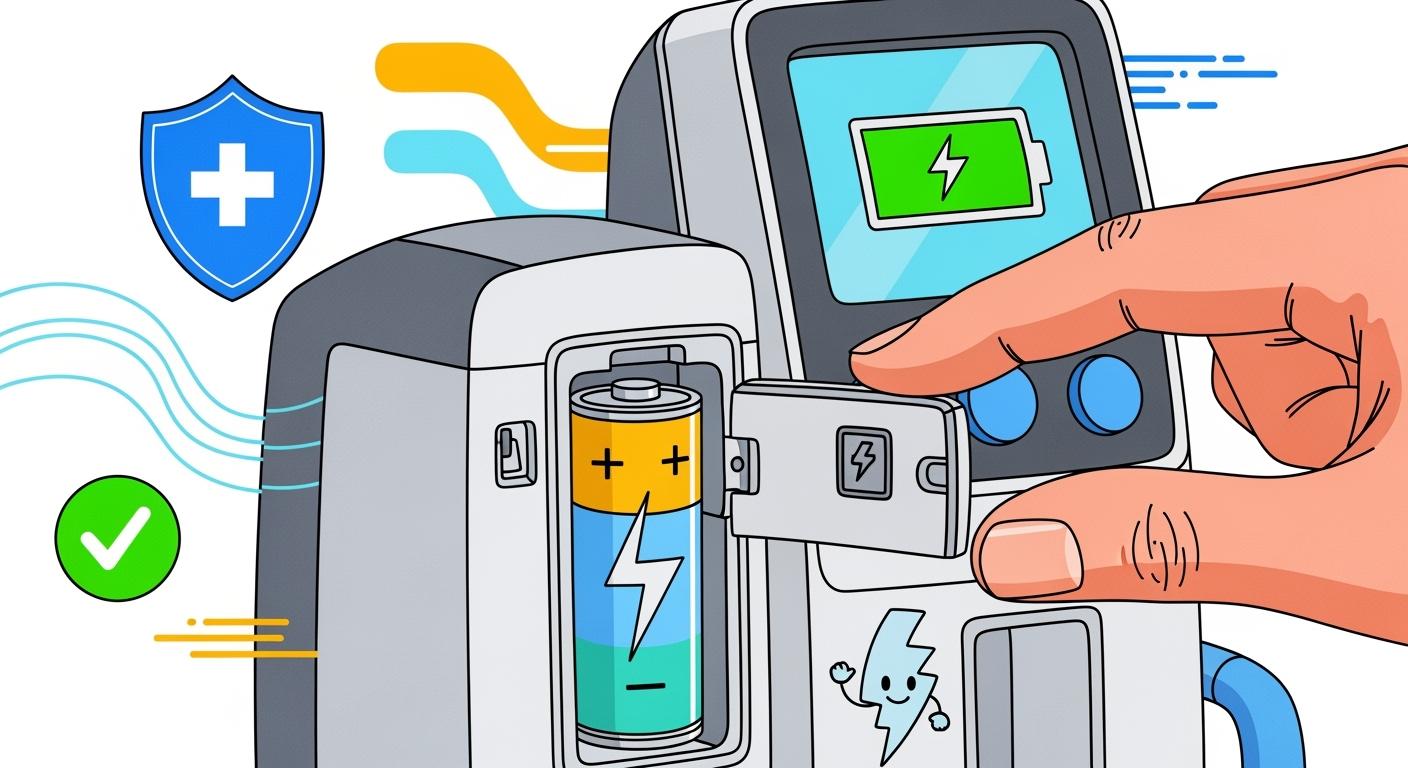
Battery safety standards protect you from serious risks in lithium batteries in medical devices. When you comply with recognized standards and regulations like IEC 62133, ANSI/AAMI ES 60601-1, UL 2054, ISO 13485, and FDA, you help prevent hazards such as thermal runaway. In 2022, the FDA received over 1,000 reports of battery-related incidents in devices. Safety regulations ensure reliability and set a benchmark for manufacturers and healthcare professionals. If you need solutions for Medical applications, visit Large Power’s medical battery solution.
Key Takeaways
Battery safety standards like IEC 62133 and ANSI/AAMI ES 60601-1 are crucial for ensuring the safety and reliability of lithium batteries in medical devices.
Compliance with safety regulations helps prevent serious risks such as thermal runaway, leakage, and explosions, protecting both patients and healthcare providers.
Implementing rigorous testing and certification processes can significantly reduce battery-related incidents, leading to improved patient outcomes and cost savings for manufacturers.
Part1: Battery Safety Standards and Regulations
1.1 Key Standards for Medical Device Batteries
You face a complex landscape when selecting batteries for medical devices. Battery safety standards set the foundation for protection and reliability. These standards guide you through the requirements for design, manufacturing, and testing. The IEC 62133 standard is essential for rechargeable lithium batteries in medical devices. It covers safety and performance criteria, including electrical, mechanical, and environmental testing. You also need to consider ANSI/AAMI ES 60601-1, which addresses risk management and safety implications for medical electrical equipment.
The following table summarizes the main international standards and their scope:
Standard | Description |
|---|---|
ANSI/AAMI ES 60601-1 | Comprehensive reference for medical electrical equipment standards, including risk management and safety assessments. |
IEC 60086-4 | Safety of lithium batteries for primary batteries. |
IEC 62133 | Safety requirements for secondary cells and batteries containing alkaline or other non-acid electrolytes. |
UL 1642 | Guidelines for lithium batteries in medical devices, including limits on lithium content. |
ISO 7176-25 | Standards for batteries and chargers for powered wheelchairs. |
ISO 15004-1 | General requirements for ophthalmic instruments. |
ISO 20127 | General requirements for powered toothbrushes. |
You must evaluate which standards apply to your device type. For implantable devices, ISO 13485 certification ensures stable operation at body temperature. For external devices, IEC 60601 standards require leak-proof and short-circuit-proof designs. These standards help you achieve consistent battery performance and minimize risks.
1.2 Safety Regulations for Lithium Batteries
Lithium batteries in medical devices present unique safety implications. You must comply with strict regulations to ensure protection against hazards such as overheating, fire, and chemical leaks. UL certified batteries undergo rigorous testing, including overdischarge, short circuit, crush, impact, and temperature cycling. The UN 38.3 standard mandates transportation testing for lithium batteries, which is critical for global supply chains.
Here is a comparison of key safety regulations and their testing requirements:
Regulation | Lab Testing |
|---|---|
UL standards | Overdischarge, short circuit, crush, impact, and temperature cycling tests. |
Hazardous Materials Regulations (HMR) | UN 38.3 testing is required. |
16 CFR Part 1263 | Performance and construction tests are mandated. |
CPSIA | Substance restrictions and small parts testing. |
California Proposition 65 | Testing for heavy metals and warning labels. |
Fair Packaging and Labeling Act (FPLA) | Enforces labeling requirements for medical devices powered by lithium batteries. |
You must understand the scope of these regulations. For home-use medical devices, you need to meet additional requirements due to unpredictable environments and untrained users. Compliance with IEC 60601-1-11 is essential for home healthcare devices. These requirements ensure your batteries maintain safety and performance even during power loss or misuse.
Tip: Always verify that your lithium battery packs meet both international and local safety regulations before entering new markets.
1.3 Compliance and Certification Processes
You must navigate a detailed compliance and certification process to bring medical devices to market. Battery safety standards require you to work with third-party laboratories for validation. These labs conduct rigorous testing to confirm that your batteries meet IEC regulations and UL standards. They also evaluate compliance with FDA requirements and other regulatory bodies.
The following table outlines the main certification bodies and their roles:
Certification Body | Description |
|---|---|
International Electrotechnical Commission (IEC) | Develops international standards for battery safety, reliability, and efficiency. |
Underwriters Laboratories (UL) | Conducts rigorous safety tests on batteries to ensure they meet stringent requirements. |
Restriction of Hazardous Substances (RoHS) | EU directive that restricts hazardous materials in batteries. |
Federal Communications Commission (FCC) | Regulates electrical equipment to prevent radio frequency interference. |
Third-party testing laboratories play a vital role in the certification process. You rely on them to validate compliance, conduct performance testing, and ensure your devices meet regulatory requirements. They assess the interaction between medical devices and their batteries, characterize device performance, and identify risk profiles.
You must also consider the differences in requirements for home-use versus clinical devices. Home devices need to comply with additional safety and performance standards, such as IEC 60601-1-11, to address the challenges of uncontrolled environments. You should design these devices for use by untrained operators and ensure they maintain performance during power loss.
Note: If your battery design includes a battery management system (BMS), review the latest technical guidelines at Large Power BMS and PCM.
Battery safety standards, robust testing, and certification processes protect patients and users. You build trust in your medical devices by meeting these requirements and maintaining strict compliance.
Part2: Risks and Safety Measures for Lithium Batteries in Medical Devices
2.1 Common Battery Risks in Medical Devices
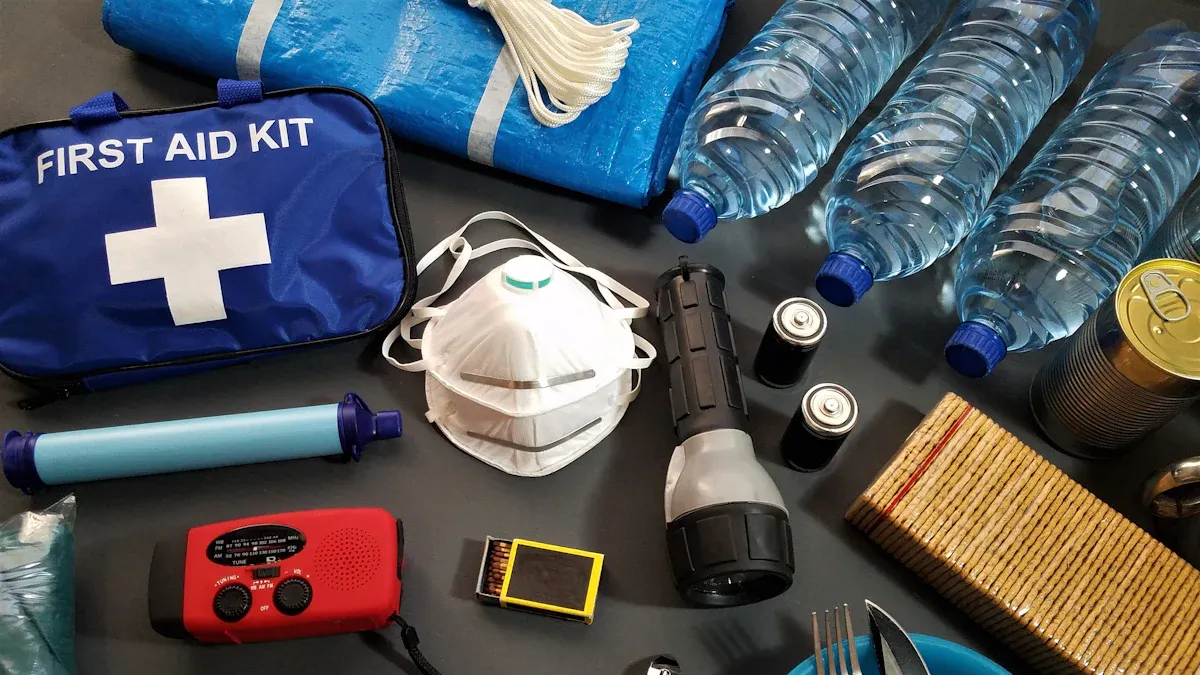
You encounter several risks when using lithium batteries in medical devices. These risks can threaten patient safety and disrupt device operation. The most frequently reported battery risks include thermal runaway, leakage, fumes, and explosions. Each risk presents unique safety implications for healthcare environments.
Risk Type | Description |
|---|---|
Thermal Runaway | Occurs when lithium-ion batteries generate excessive heat, leading to ignition due to uncontrollable heat and pressure. |
Leakage | Involves the release of corrosive and toxic chemicals from batteries, which can cause severe health issues, including burns and blindness. |
Fumes | Off-gassing from batteries can release combustible and toxic hydrocarbons, posing significant risks in medical environments, potentially leading to evacuations. |
Explosions | Result from thermal runaway, causing severe damage and posing unique risks, especially for individuals with implantable medical devices. |
You must pay close attention to these risks, especially in critical care settings. Battery failures can lead to device recalls and patient harm. Recent data shows that risk of battery failure accounts for 1.42% of device recalls. Even a single incident can have serious consequences for patient health and hospital operations.
2.2 How Safety Standards Mitigate Hazards
Battery safety standards play a vital role in protecting you from these hazards. You benefit from multiple layers of protection built into lithium batteries in medical devices. These standards require manufacturers to implement specific mechanisms that address overheating, short-circuiting, and chemical leakage.
Limited Active Material: You control the amount of active material in battery cells to prevent overloading and reduce the risk of thermal runaway.
Safety Mechanisms: You rely on built-in safety mechanisms that detect abnormalities such as overcharging or high temperatures and trigger protective actions.
Electronic Protection Circuits: You use electronic circuits to regulate charging and discharging, preventing overvoltage and overcurrent.
Implementing strict quality control measures, maintaining a clean assembly environment, using high-precision assembly equipment, adopting strong sealing technologies, and providing comprehensive training to workers are crucial for preventing overheating, short-circuiting, and chemical leakage.
You see the impact of these standards in real-world applications. Companies that have adopted comprehensive safety management systems report a 60-80% reduction in battery-related incidents. This reduction leads to annual savings of $3-7 million for mid-sized operations. Advanced battery safety systems deliver a return on investment of 300-500% over five years.
You must also consider the long-term behavior of batteries. Production quality control and aging tests ensure batteries meet standards over time. Battery management systems (BMS) monitor battery conditions and maintain safe operation. Cloud-based analytics provide broader analysis of battery health, predicting aging and detecting anomalies that may not be visible to the BMS.
2.3 Regulatory Testing and Biocompatibility
You must meet strict regulatory testing requirements before bringing lithium batteries in medical devices to market. These tests ensure patient safety and device reliability. You comply with standards set by organizations such as the FDA, ISO, and IEC. Testing evaluates battery performance under diverse environmental conditions and prevents risks like thermal runaway.
Testing Type | Standard | Description |
|---|---|---|
Safety Testing | FDA, ISO, IEC | Ensures patient safety and device reliability. |
Rechargeable Batteries | IEC 62133 | Compliance for devices with rechargeable lithium batteries. |
Non-rechargeable Batteries | IEC 60086-4 | Compliance for devices with non-rechargeable lithium batteries. |
Transport Safety | UN 38.3 | Provisions for safe transport of lithium batteries. |
You must ensure that devices with rechargeable batteries comply with IEC 62133. Devices with non-rechargeable lithium batteries must meet IEC 60086-4 requirements. Devices sold in North America may use UL 1642 or UL 2054 standards.
You also need to assess biocompatibility for batteries in medical devices. Biocompatibility assessments follow standards such as ANSI/AAMI/ISO 10993-1:2018, which emphasize a risk-based approach. Traditional testing methods can take up to six months or longer. These tests include both in vivo and in vitro evaluations for cytotoxicity, genotoxicity, and other factors. Recent trends use chemical and materials characterization to evaluate patient safety, reducing the need for animal testing.
Tip: Always verify that your battery packs meet all regulatory testing and biocompatibility requirements before market approval. This step protects patients and ensures device reliability.
You must stay updated on evolving standards and regulatory requirements. Battery safety standards continue to advance, providing stronger protection for patients and users in medical environments.
Part3: Real-World Impact of Battery Safety Standards

3.1 Case Study: Portable Medical Equipment Safety
You see the benefits of battery safety standards in portable medical equipment every day. Regulatory bodies require strict testing for batteries in these devices, which improves reliability and reduces risk. The shift to home healthcare has increased demand for portable equipment, making battery performance more important than ever. Compliance with standards like IEC 62133 and IEC 60601-1 ensures that your devices operate safely in critical care and unpredictable environments.
Standard | Application |
|---|---|
IEC 62133 | Rechargeable batteries in medical devices |
IEC 60601-1 | Medical devices with rechargeable batteries |
IEC 60086-4 | Non-rechargeable lithium batteries in devices |
UL 1642/2054 | Devices sold exclusively in North America |
Regulatory requirements drive safer battery design.
Portable medical equipment now delivers higher reliability.
Standards reduce malfunction rates and improve patient outcomes.
3.2 Example: Lithium Battery Management in Life-Saving Devices
You rely on advanced battery management in life-saving devices such as infusion pumps and defibrillators. Infusion pumps use lithium-ion batteries to deliver precise medication doses without external power. Defibrillators need batteries that charge quickly and provide dependable energy during emergencies. Battery management systems monitor battery health, preserve capacity during standby, and ensure devices remain ready for use.
In 2022, lithium-ion batteries powered 70% of new medical devices. These batteries maintain 80% capacity after 500 charge cycles and offer energy density up to 250 Wh/kg.
3.3 Best Practices for Manufacturers
You can adopt several best practices to ensure battery safety and compliance:
Design devices to accept only approved replacement batteries and chargers.
Provide clear instructions for storage, charging, and maintenance.
Conduct thorough risk analyses and document all production processes.
Implement monitoring systems for traceability and accountability.
Adhere to standards like ANSI/AAMI ES 60601-1, IEC 62133, and UL 1642.
Manufacturers have learned that rigorous testing and early detection systems prevent hazards.
Record-keeping and unique identification systems support compliance throughout the device lifecycle.
You drive safer medical devices by following battery safety standards. Updates occur regularly, as shown below:
Update Frequency | Driving Factors |
|---|---|
ISO: 5 years | Regulatory compliance |
IEC: 2023 | Safety testing, technology |
Battery failures threaten patient safety.
You must monitor battery lifecycle and maintain strict compliance.
Lithium battery use in medical devices will grow, requiring continuous vigilance.
FAQ
What are the main battery safety concerns in medical devices?
You must address overheating, leakage, and short circuits. Each battery in medical devices must meet strict safety standards to protect patients and ensure reliable operation.
How do you select the right lithium battery pack for medical applications?
You evaluate battery chemistry, cycle life, and regulatory compliance. Consult with Large Power for custom battery solutions tailored to your medical devices.
Why should you choose a custom battery solution for your medical devices?
Custom battery packs optimize performance, safety, and compliance. You gain expert support from Large Power. Request a custom battery consultation to meet your medical application needs.


