

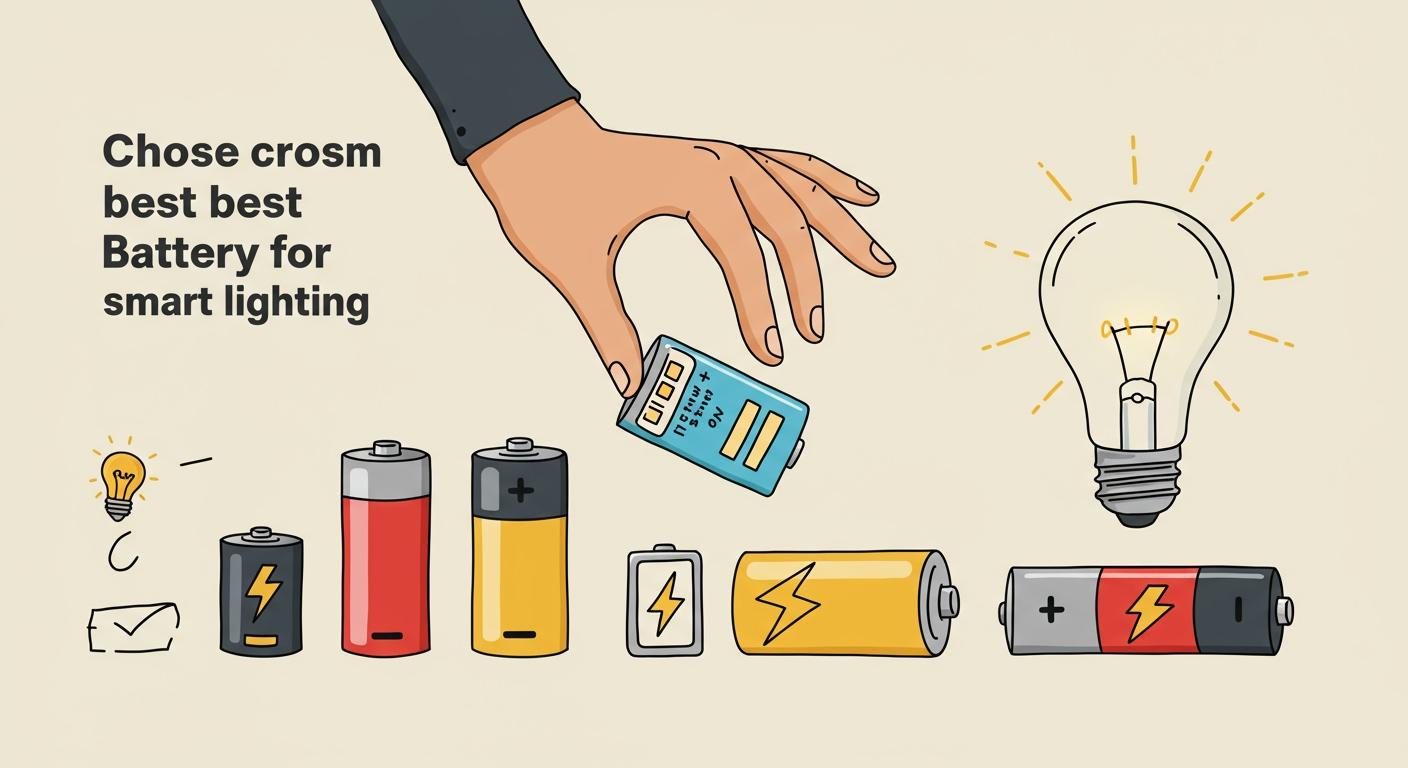
When you select a lithium battery for smart lighting, you must focus on voltage, capacity, safety, cycle life, and compatibility. Voltage requirements differ by application. The following table shows common voltage ranges for various battery types:
Types Of LED Batteries | Voltage (V) | Applications |
|---|---|---|
Lithium Polymer (Li-Po) | 3.7 – 4.2 | Mobile LED lights, camera-mounted LEDs, drones |
Lithium Ion (Li-Ion) | 3.6 | Portable power banks, LED flashlights, consumer electronics |
12V | 12.6 | Larger LED systems, automotive, industrial lighting |
Cycle life matters. Most lithium batteries in smart lighting systems last between 2,000 and 5,000 cycles. You extend operational value by choosing a Lithium Battery of Smart Lighting Series with the right capacity and robust safety features.
Key Takeaways
Identify voltage and current requirements before selecting a lithium battery. Ensure compatibility to avoid device damage.
Choose a battery with a high cycle life to reduce replacements and maintenance costs. This enhances the longevity of your smart lighting system.
Consider safety certifications when selecting a battery. Look for UL certifications to ensure reliable performance and safety.
Part1: Power Needs & Compatibility
1.1 Voltage & Current Requirements
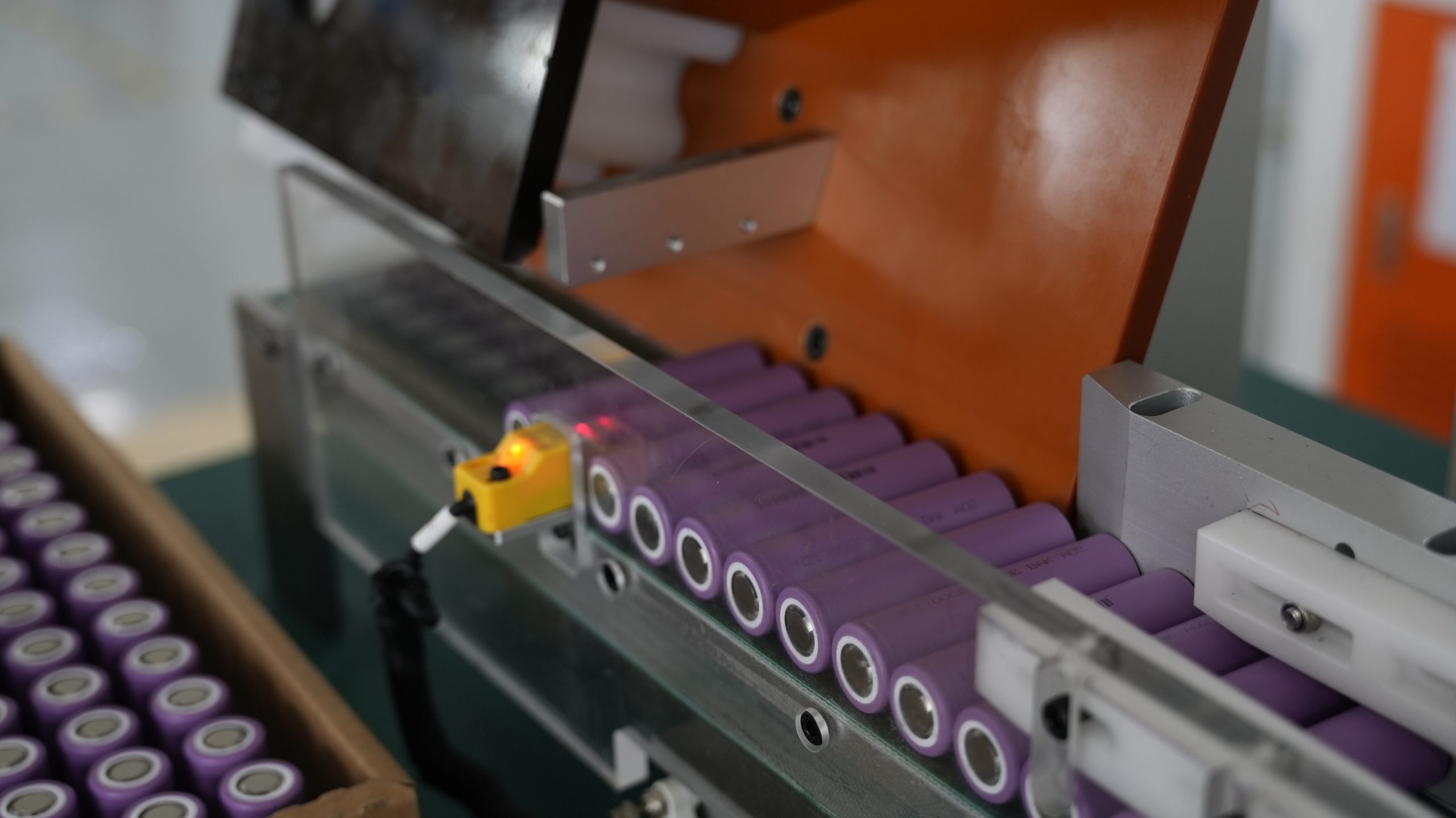
You need to start by identifying the voltage and current requirements of your smart lighting system. Each system operates within a specific voltage range, such as 12V, 24V, or 48V. You must match the lithium battery voltage to the system’s input to ensure voltage compatibility. If you select a battery with a voltage that does not align with your device, you risk malfunction or permanent damage.
To determine the correct voltage, review the technical specifications of your lighting controller and LED drivers. For example, medical devices and robotics often require precise voltage compatibility to maintain stable operation. In industrial and infrastructure applications, you may encounter higher voltage systems that demand robust lithium battery packs.
Current requirements depend on the total load of your lighting system. Calculate the maximum current draw by summing the current ratings of all connected lights. Select a lithium battery with a discharge rate that meets or exceeds this value. If your system requires a high discharge rate, ensure the battery can deliver consistent power without overheating or degrading prematurely.
Tip: Always verify the battery management system (BMS) rating to confirm it supports your system’s voltage and discharge rate. For more details, refer to the BMS guide.
1.2 Usage Patterns
Your usage patterns directly influence the lifespan and performance of your lithium battery. Frequent cycling, such as in security or consumer electronics applications, accelerates battery aging due to kinetic effects and degradation of active materials. In contrast, systems with long standby periods, like infrastructure lighting, experience calendar aging, which occurs even when the battery is not actively cycled.
Recent research using machine learning shows that analyzing battery performance data can reveal critical usage patterns that impact longevity. Early operational cycles are especially important for predicting lifespan. Operational conditions, including state of charge and temperature, play a significant role. For example, high ambient temperatures in industrial environments can shorten battery life, while stable conditions in medical or robotics settings can extend it.
You should monitor both cycling and calendar aging to optimize battery replacement schedules and reduce downtime. Understanding these patterns helps you select a lithium battery with the right discharge rate and cycle life for your specific application.
1.3 Compatibility Factors
You must assess several factors to ensure full compatibility between your lithium battery and the smart lighting system. Voltage compatibility remains the top priority. The battery’s voltage must match the device’s requirements to prevent malfunction. Battery capacity determines how long your system can operate between charges, but you must also consider the physical size to ensure it fits within your device’s enclosure.
Factor | Description |
|---|---|
Voltage Compatibility | Match the battery voltage to the device specifications to avoid malfunction or damage. |
Battery Capacity | Higher capacity means longer battery life; consider the physical size to ensure it fits the device. |
Weather Resistance | Protect the battery from extreme conditions to extend its lifespan. |
Size and weight also play a crucial role. Larger lithium battery cells, such as 21700 or 4680 formats, provide higher capacities for extended runtimes, which is essential in industrial and infrastructure lighting. Smaller cells, like the 18650 format, offer compactness for space-efficient designs, ideal for portable smart lighting in robotics or consumer electronics. Lithium batteries weigh 60-75% less than traditional lead-acid batteries, making them easier to handle and install, especially in applications where portability is key.
Installation constraints may limit your options. You need to ensure the battery fits within the available space and meets any weight restrictions. Flexible installation options allow you to adapt your smart lighting system to various environments, from tight enclosures in medical devices to large-scale setups in infrastructure projects.
You also face technical challenges when integrating lithium batteries. These include managing initial costs, addressing safety concerns such as overheating, and balancing energy density with lifespan. Advanced BMS solutions monitor parameters like state of charge and temperature, reducing safety risks and extending battery longevity. Smart BMS systems use wireless communication for reliability, but high latency can pose challenges in time-critical applications.
Challenge | Details |
|---|---|
Cost | High initial investment and ongoing cost management efforts are required. |
Safety Concerns | Risks of overheating and fires necessitate advanced thermal management and strict regulations. |
Environmental Impact | Issues related to resource extraction and the need for effective recycling and disposal. |
Energy Density Trade-offs | Balancing energy density and lifespan requires continuous research and innovation. |
By carefully evaluating voltage compatibility, discharge rate, capacity, size, weight, and installation constraints, you ensure your lithium battery delivers optimal performance and safety for your smart lighting system.
Part2: Choosing Lithium Battery of Smart Lighting Series
2.1 Lithium Battery Types
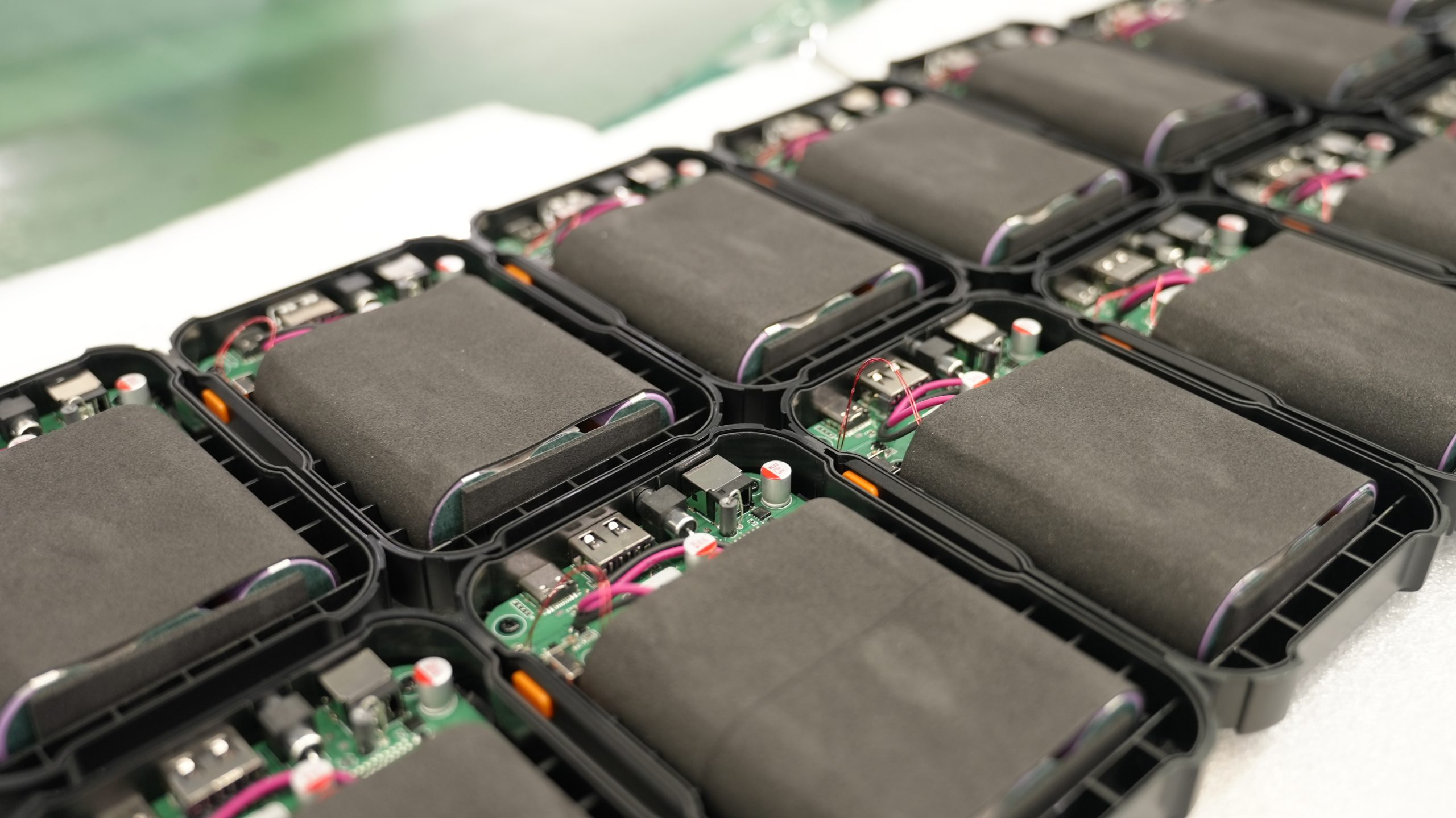
When you evaluate the lithium battery of smart lighting series, you must compare the main chemistries used in professional lighting applications. The most common types include lithium-ion, LiFePO4, lithium-polymer/LiPo, solid-state battery, and advanced chemistries such as NMC/LMO/LCO/LTO. Each chemistry offers unique advantages for runtime, safety, and performance.
Attribute | ||
|---|---|---|
Safety | Much less likely to overheat or catch fire | Less safe than LiFePO4 |
Energy Density | Lower energy density | Higher energy density |
Longevity | Excels in longevity | Suitable for compact, high-power applications |
You should select LiFePO4 for applications where safety and longevity are critical, such as infrastructure lighting or medical environments. Lithium-ion batteries deliver higher energy density, making them ideal for compact, high-power smart lighting in robotics or industrial automation. Lithium-polymer/LiPo batteries offer flexible form factors for custom lighting designs. Solid-state batteries and NMC/LMO/LCO/LTO chemistries provide emerging options for specialized needs.
2.2 Key Selection Criteria
Selecting the right lithium battery for your smart lighting system requires a focus on several technical criteria. You must balance capacity, cycle life, depth of discharge, safety certifications, and cost-effectiveness to achieve optimal performance and runtime.
Capacity (Ah):
Battery capacity determines how long your lighting system can operate between charges. Higher capacity means longer runtime, but you must ensure compatibility with your device’s size and weight constraints. For large-scale infrastructure or industrial lighting, prioritize batteries with high capacity to maximize operational uptime.Cycle Life:
Lithium battery cells in the smart lighting series offer a much higher cycle life than lead-acid or nickel-cadmium alternatives. You benefit from fewer replacements and lower maintenance costs. Cycle life directly impacts longevity and efficiency, especially in systems with frequent charge/discharge cycles.Depth of Discharge (DoD):
To maximize the lifespan of your lithium battery, maintain an optimal state of charge (SoC) between 80% and 20%. Avoid deep discharges below 3.0V per cell except in emergencies. This practice extends cycle life and ensures consistent battery performance.
Recommendation | Detail |
|---|---|
Optimal SoC Range | 80% to 20% |
Minimum Voltage | 3.0V per cell |
Emergency Discharge | 2.6V per cell |
Safety Certifications:
Always verify that your lithium battery of smart lighting series meets industry safety standards. Look for certifications such as UL Listed Mark, UL Recognized Component Mark, and UL Certified Mark. These certifications confirm that the battery and its components have passed rigorous safety and performance tests.
Certification Type | Description |
|---|---|
UL Listed Mark | Indicates that a lithium battery has been tested and meets safety standards. |
UL Recognized Component Mark | Applies to individual components used in lithium battery products. |
UL Certified Mark | Combines multiple UL certifications for global access. |
Cost-Effectiveness:
You gain significant value by choosing lithium battery cells that offer energy savings, reduced maintenance, and extended lifespan. Smart lithium batteries paired with energy-efficient lighting can last over 8-10 years, minimizing replacement expenses and maximizing total cost of ownership.
Tip: Always match your battery selection to the specific application, considering energy requirements, duty cycles, and space constraints. Customization options and regulatory compliance further enhance reliability and compatibility.
2.3 Choosing Lithium Battery Cells
You must follow a systematic approach when choosing lithium battery cells for your smart lighting system. This ensures compatibility, optimal performance, and long-term reliability.
Step-by-Step Guide:
Define Application Requirements:
Identify the voltage, capacity, and runtime needed for your lighting scenario. Consider the total load, expected usage patterns, and installation environment.Assess Environmental Factors:
Maintain battery temperature between 15°C and 20°C to prevent condensation and corrosion. Store lithium battery cells in a dry area, using silica gel packets or dehumidifiers if necessary. Prefer indoor storage at 10°C to 20°C for optimal battery health.
Environmental Factor | Recommendation |
|---|---|
Temperature | 15°C to 20°C (59°F to 68°F) |
Humidity | Store in a dry area; use silica gel or dehumidifiers |
Storage Location | Indoor, 10°C to 20°C (50°F to 68°F) |
Evaluate Battery Chemistry:
Choose the lithium battery of smart lighting series chemistry that best fits your needs. LiFePO4 excels in safety and longevity, while lithium-ion provides higher energy density for compact designs. Lithium-polymer/LiPo and solid-state batteries offer flexibility for unique form factors.Check Compatibility:
Ensure the lithium battery cells match your system’s voltage and current requirements. Verify that the battery management system (BMS) supports your selected chemistry and load profile. Confirm physical fit and weight constraints for your device.Verify Certifications and Compliance:
Confirm that your lithium battery of smart lighting series meets all relevant safety and regulatory standards, including UL, UN38.3, CSA, and IEC. This step ensures safe operation and supports global deployment.Plan for Maintenance:
Schedule regular reviews of battery voltage, current, temperature, and state of charge using your BMS or remote monitoring platform. Clean vents and inspect terminals to maintain optimal performance and longevity.
Note: Avoid common mistakes such as overcharging, deep discharging, or improper disposal. Maintain your lithium battery cells within the recommended charge range (20% to 80%) to extend cycle life and runtime.
By following these steps, you ensure that your lithium battery of smart lighting series delivers reliable compatibility, high efficiency, and long-term value for your smart lighting projects. If you require tailored solutions or have unique application needs, consult with your battery supplier or the Large Power consultation team.
You ensure optimal performance and reliability by matching lithium battery type, capacity, and voltage to your smart lighting system. Technical compatibility prevents issues like fast discharging and damage. Safety depends on proper charging, using correct chargers, and inspecting batteries before use. For long-term value, leverage technology, embrace sustainability, and optimize costs. Consult with battery suppliers or the Large Power consultation team for tailored solutions. Make confident decisions for your smart lighting projects.
FAQ
What is the best battery for LED lights in commercial energy storage projects?
You should select a lithium battery for LED lights with high cycle life, robust energy storage, and proven safety. Large Power’s consultation team can help you optimize your storage solution.
How do you maximize storage efficiency for battery operated LED lights in industrial applications?
You must choose a battery for LED lights with advanced energy storage management. Monitor storage temperature and humidity. Large Power’s consultation team offers tailored storage strategies for battery operated LED lights.
What factors affect the cycle life of a battery for LED lights in energy storage systems?
You must consider storage temperature, charge cycles, and energy storage depth. Proper storage and regular monitoring extend the life of your battery for LED lights in all energy storage environments.
Tip: Always consult with Large Power’s consultation team for custom battery for LED lights and energy storage solutions.
Battery Type | Cycle Life | Energy Storage Density | Storage Needs |
|---|---|---|---|
LiFePO4 | 4000+ | Medium | Stable temp |
Lithium-Ion | 2000-3000 | High | Dry storage |
Lithium-Polymer | 1000-2000 | Medium | Controlled |


