

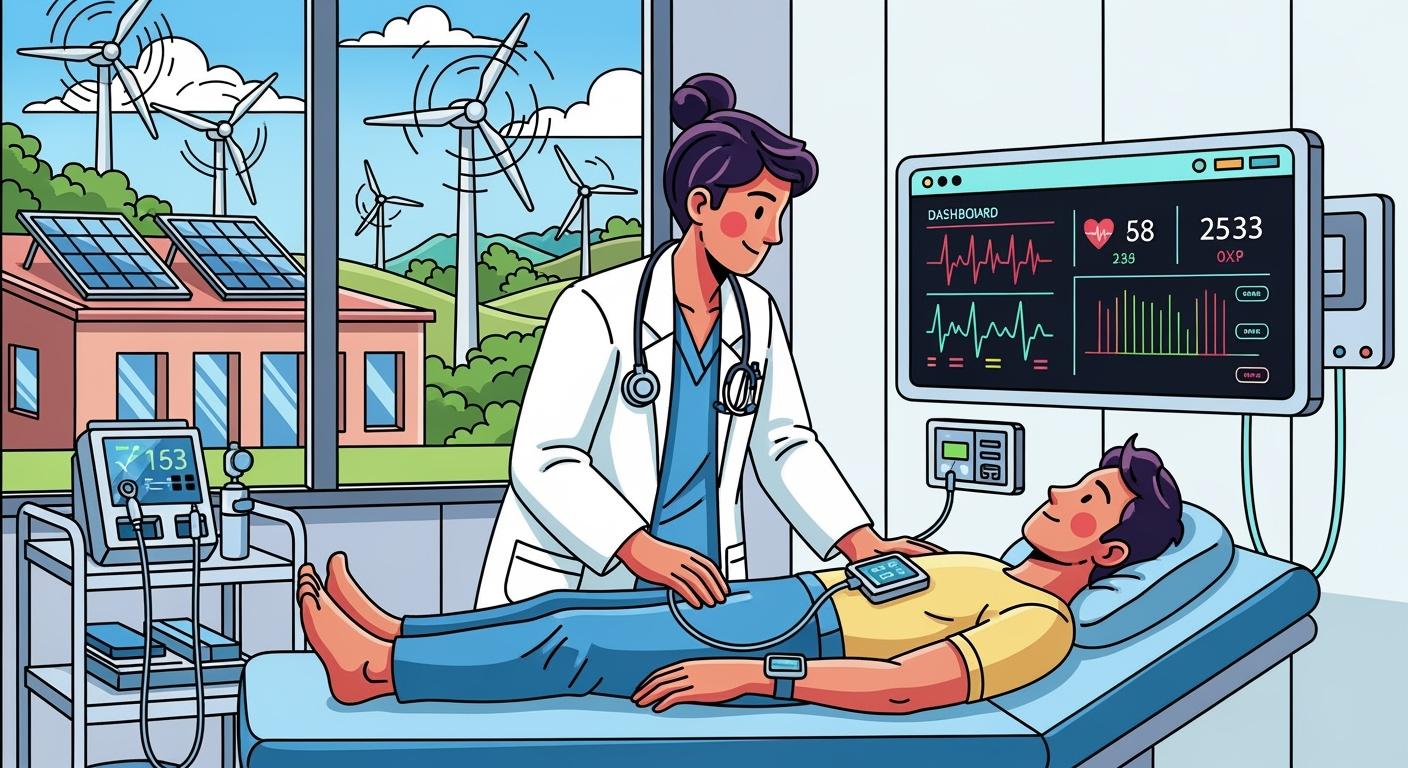
You drive innovation in health service delivery when you choose clean energy delivery powered by advanced lithium battery packs. Medical monitoring devices rely on affordable clean energy for reliability and uptime.
Globally, 1 billion people depend on healthcare facilities without electricity.
Lithium-ion batteries enable portable, real-time monitoring using renewable energy solutions.
Key Takeaways
Investing in clean energy delivery enhances the reliability of medical monitoring devices, ensuring uninterrupted patient care.
Adopting lithium battery systems reduces operational risks and improves data accuracy, leading to better health outcomes.
Transitioning to renewable energy solutions lowers healthcare costs and minimizes environmental impact, promoting a healthier community.
Part 1: Clean Energy Delivery in Medical Monitoring
1.1 Energy Needs of Monitoring Devices
You rely on health facilities to deliver accurate, real-time data for patient care. Medical monitoring devices, such as ECG monitors and pulse oximeters, require reliable electricity to function without interruption. These devices use microcontrollers that consume less power than wireless transmitters, which allows for extended operation and efficient local computations. For example:
ECG monitors need stable voltage to avoid data corruption and ensure precise readings.
Pulse oximeters often use watch-size thermoelectric generators (TEGs) as power supplies, producing minimal power—about 100 microwatts—yet supporting continuous monitoring.
When health facilities experience power fluctuations, you face risks such as device malfunction, reduced equipment lifespan, and compromised data integrity. Inadequate voltage can cause infusion pumps to deliver incorrect medication doses, while voltage instability in ECG monitors may corrupt patient records. Consistent power is essential for CT scanners, MRI machines, ultrasound, and X-ray equipment, which depend on rapid and reliable energy technologies to produce clear images, especially in emergency settings.
Tip: Prioritize clean energy delivery in your health service delivery strategy to minimize operational risks and ensure uninterrupted patient monitoring.
1.2 Lithium Battery Systems for Reliable Power
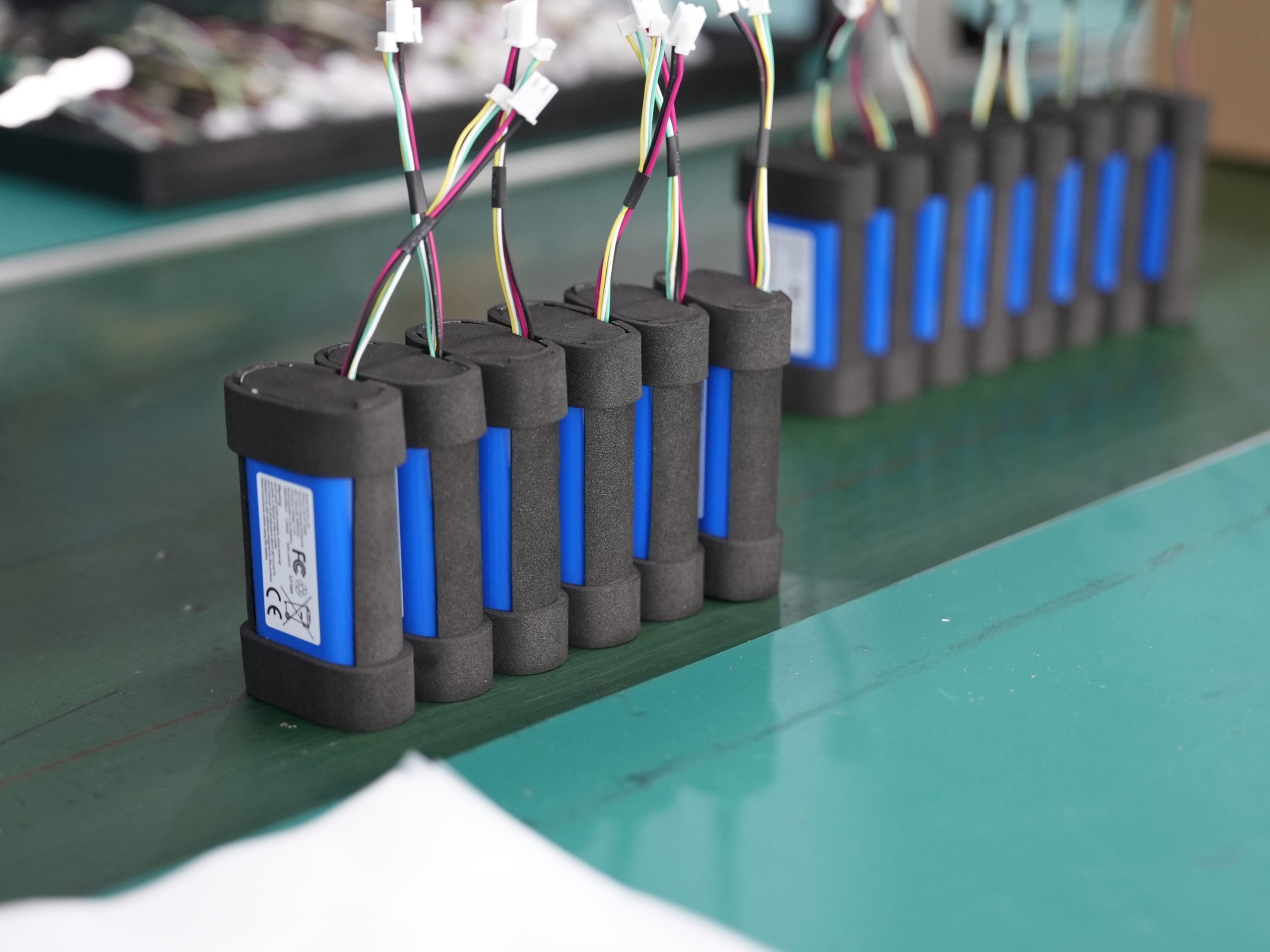
Lithium battery systems have transformed health facilities by providing reliable electricity for medical monitoring. You benefit from advanced lithium-ion, LiFePO4, lithium-polymer, and Solid-State Batter chemistries, each offering unique advantages. Battery Management Systems (BMS) further enhance safety and performance.
Battery Chemistry | Platform Voltage (V) | Energy Density (Wh/kg) | Cycle Life (cycles) | Typical Lifespan (Years) | Maintenance Frequency |
|---|---|---|---|---|---|
Lithium-ion | 3.6 | 150-250 | 500-2000 | 2 to 5 | Every 6 to 12 months |
LiFePO4 | 3.2 | 90-160 | 2000-5000 | 5 to 10 | Every 6 to 12 months |
Lithium-polymer/LiPo | 3.7 | 150-200 | 300-1000 | 3 to 5 | Every 6 to 12 months |
Solid-State Battery | 3.7 | 250-400 | 1000-5000 | 5 to 10 | Every 6 to 12 months |
You gain several technical advantages with lithium battery systems:
Consistent power output keeps imaging machines and portable diagnostic devices running smoothly.
Fast charging and high energy density support quick turnaround for hospital equipment.
Electrical protection circuits reduce risks of overheating, short circuits, and fire.
Rechargeability and compact size lower environmental impact and waste.
Health facilities using lithium battery packs experience longer device uptime, fewer charging breaks, and reliable mobile power for remote monitoring. You can maintain 80% battery capacity after 500 cycles, ensuring long-term reliability in health service delivery.
1.3 Clean Energy and Human Health
Clean energy delivery in health facilities directly improves human health outcomes. When you adopt renewable energy solutions, you reduce dependence on fossil fuels and minimize indoor air pollution. Health workers in your facilities can educate communities about the risks of polluting fuels, encouraging the adoption of cleaner energy sources and enhancing overall community health.
Air pollution from fossil fuels contributes to respiratory and cardiovascular diseases, especially in children and vulnerable populations. By integrating renewable energy solutions into your health service delivery, you improve air quality and reduce the incidence of asthma and other respiratory illnesses. The World Health Organization links reduced emissions to fewer cases of premature death and chronic disease.
Note: Clean energy delivery not only powers your medical monitoring devices but also creates healthier environments for patients, staff, and the surrounding community.
You position your health facilities as leaders in energy technologies, setting a standard for sustainable health service delivery. By investing in clean energy delivery and advanced lithium battery systems, you ensure reliable electricity, better patient outcomes, and a healthier future.
Part 2: Benefits for Health Service Delivery
2.1 Improved Reliability and Uptime
You depend on health facilities to maintain continuous operation of critical medical monitoring equipment. Clean energy delivery, especially through advanced lithium battery packs, ensures reliable power for devices such as ventilators, infusion pumps, and patient monitors. When you implement renewable energy solutions, you minimize the risk of power interruptions that can jeopardize patient safety and disrupt essential services.
Impact of Power Outages in Hospitals | Description |
|---|---|
Life-support and monitoring disruption | Equipment such as ventilators, infusion pumps, and patient monitors require continuous power. Any interruption can jeopardize patient safety. |
Temperature-sensitive storage | Medications, vaccines, and blood products rely on precise temperature control. Power outages can lead to spoilage and financial losses. |
IT and communication failures | Electronic medical record (EMR) systems, security systems, and hospital communication networks depend on uninterrupted electricity. |
You see documented improvements in device uptime and reliability after adopting clean energy delivery in health facilities:
Innovative technologies help reduce carbon emissions and achieve significant energy cost savings.
Smart metering and intelligent building analytics provide real-time visibility into energy consumption, leading to data-driven decisions that enhance energy efficiency.
Predictive analytics identify performance issues in critical systems before failures occur, reducing downtime.
Reliable HVAC maintenance services contribute to increased operational reliability.
Hospitals report saving over USD 55,000 annually through energy efficiency measures. These savings allow you to reinvest in better equipment and staff training, further improving health service delivery.
2.2 Enhanced Safety and Data Accuracy
You rely on lithium battery packs to deliver stable voltage and consistent power output for medical monitoring devices. This stability supports accurate data collection and reduces the risk of device malfunction. When you use advanced battery management systems, you protect against overheating, short circuits, and fire hazards, ensuring the safety of patients and staff.
Power interruptions can lead to compromised patient care and loss of vital medical records. Studies by the U.S. Department of Health and Human Services show that hospitals experience an average of 3–4 significant power interruptions per year. In high-acuity units, even seconds of downtime can compromise patient care. By integrating renewable energy solutions, you maintain continuous monitoring and secure electronic medical records, supporting better decision-making and patient outcomes.
You benefit from energy-efficient cooling systems that maintain precise temperature control for medications, vaccines, and blood products. These systems prevent spoilage and financial losses, ensuring the integrity of your supply chain.
Tip: Use predictive analytics and smart metering to monitor energy consumption and identify potential risks before they impact patient safety.
2.3 Environmental Impact on Human Health
You play a key role in reducing emissions and operational risks in healthcare by transitioning to renewable energy solutions. Traditional energy sources contribute to air pollution and greenhouse gas emissions, leading to respiratory diseases and cardiovascular problems. The healthcare sector is responsible for up to 4.6% of global greenhouse gas emissions, with operating theatres and intensive care units as major contributors.
Fossil fuel-fired power plants are a leading source of air, water, and land pollution, significantly affecting public health.
Air pollutants like sulfur and nitrogen oxides are linked to an estimated 300,000 premature deaths annually in the U.S.
Pollution from power plants results in increased healthcare costs due to respiratory and cardiovascular diseases.
You support the energy transition by adopting near-zero emission energy systems in health facilities. This shift improves air quality and reduces the health-related burden of climate change. Reliable electricity access enables safe management of childbirth, immunization, and emergency procedures, especially in remote regions. Solar power and other renewable energy solutions expand access to health services, promoting health equity and improving the quality of life for vulnerable populations.
Energy-efficient systems, particularly solar power, enable medical facilities in remote areas to operate efficiently by providing a reliable electricity supply.
These systems reduce barriers to healthcare access, allowing for consistent availability of critical medical services.
Solar power enhances the ability of healthcare workers to respond to emergencies and conduct regular health check-ups.
You position your organization as a leader in energy technologies, setting a standard for sustainable health service delivery. By investing in clean energy delivery and lithium battery packs, you ensure reliable power, better human health outcomes, and a healthier environment for all.
Part 3: Real-World Impact and Implementation
3.1 Hospitals and Environmental Sustainability
You see hospitals worldwide adopting clean energy delivery to improve both sustainability and patient care. Many leading facilities have implemented lithium battery packs and renewable energy systems to reduce emissions and operating costs. The table below highlights several hospitals that have achieved measurable results:
Hospital Name | Location | Key Achievements |
|---|---|---|
Sociedade Beneficente de Senhoras Hospital Sírio Libanês | Brazil | 40% reduction in energy consumption, 15% decrease in greenhouse gas emissions |
Shefaa Al-Orman Oncology Hospital | Egypt | Comprehensive sustainability strategy, reduced operating costs and environmental impact |
Santa Casa da Bahia | Brazil | Energy management program focused on energy efficiency |
Second Hospital of Jilin University | China | Reduced energy consumption and emissions, improved hospital safety and medical waste management |
You benefit from energy management practices that use key performance indicators like electricity intensity and renewable energy usage. On-site teams monitor energy data to identify irregularities and measure the impact of conservation measures. Hospitals that integrate renewable energy production reduce their reliance on non-renewable sources and lower greenhouse gas emissions.
3.2 Remote and Home-Based Monitoring
You can deliver continuous patient monitoring in off-grid or low-resource environments by using clean energy solutions such as solar-powered lithium battery packs. These systems power ventilators, blood pressure monitors, and diagnostic tools, even when the traditional grid fails. Portable solar-powered equipment enables mobile medical teams to provide care in remote areas, improving healthcare accessibility and sustainability. You ensure that critical care continues during outages, supporting better health outcomes for underserved populations.
3.3 Overcoming Implementation Challenges
You may face several barriers when adopting clean energy systems in healthcare. These include institutional challenges, staff resistance, policy issues, and operational constraints. The table below outlines common barriers:
Barrier Type | Specific Barriers |
|---|---|
Institutional | Lack of leadership, inadequate staffing, competing spending priorities |
Individual | Concerns about increased workload, staff attitudes, resistance to change |
Political | Perceived costs, policy-related barriers, confusion regarding regional priorities |
Operational | Lack of knowledge or skills, time constraints, mixed messages, lack of incentives |
To overcome these challenges, you can:
Develop training and certification programs for staff.
Promote renewable energy as a climate solution.
Implement energy-efficient practices and sustainable waste management.
Leverage government incentives and public-private partnerships.
Tip: Policy stability and long-term commitment from leadership ensure consistent support for clean energy initiatives.
You position your facility as a leader in energy technologies by embracing these strategies, driving both operational efficiency and environmental responsibility.
You drive better health outcomes by investing in clean energy delivery for medical monitoring. Clean energy reduces air pollution, lowers healthcare costs, and improves device reliability.
Health Benefit | Economic Impact | Device Market Growth |
|---|---|---|
$2.9 trillion saved | 8.2% CAGR in IMD market |
You strengthen your facility’s sustainability and operational efficiency. For tailored lithium battery solutions, request a custom battery consultation.
FAQ
What advantages do lithium battery packs offer for medical monitoring devices?
You gain stable voltage, high energy density, and long cycle life. These features ensure reliable operation for critical medical equipment in hospitals and remote healthcare settings.
How do lithium battery chemistries compare for industrial and medical applications?
Chemistry | Platform Voltage (V) | Energy Density (Wh/kg) | Cycle Life (cycles) |
|---|---|---|---|
Lithium-ion | 3.6 | 150–250 | 500–2000 |
LiFePO₄ | 3.2 | 90–160 | 2000–5000 |
Solid-State | 3.7 | 250–400 | 1000–5000 |
How can you customize lithium battery solutions for robotics, security, or infrastructure projects?
You can request a tailored solution from Large Power. Request a custom battery consultation to meet your project’s technical and operational requirements.


