

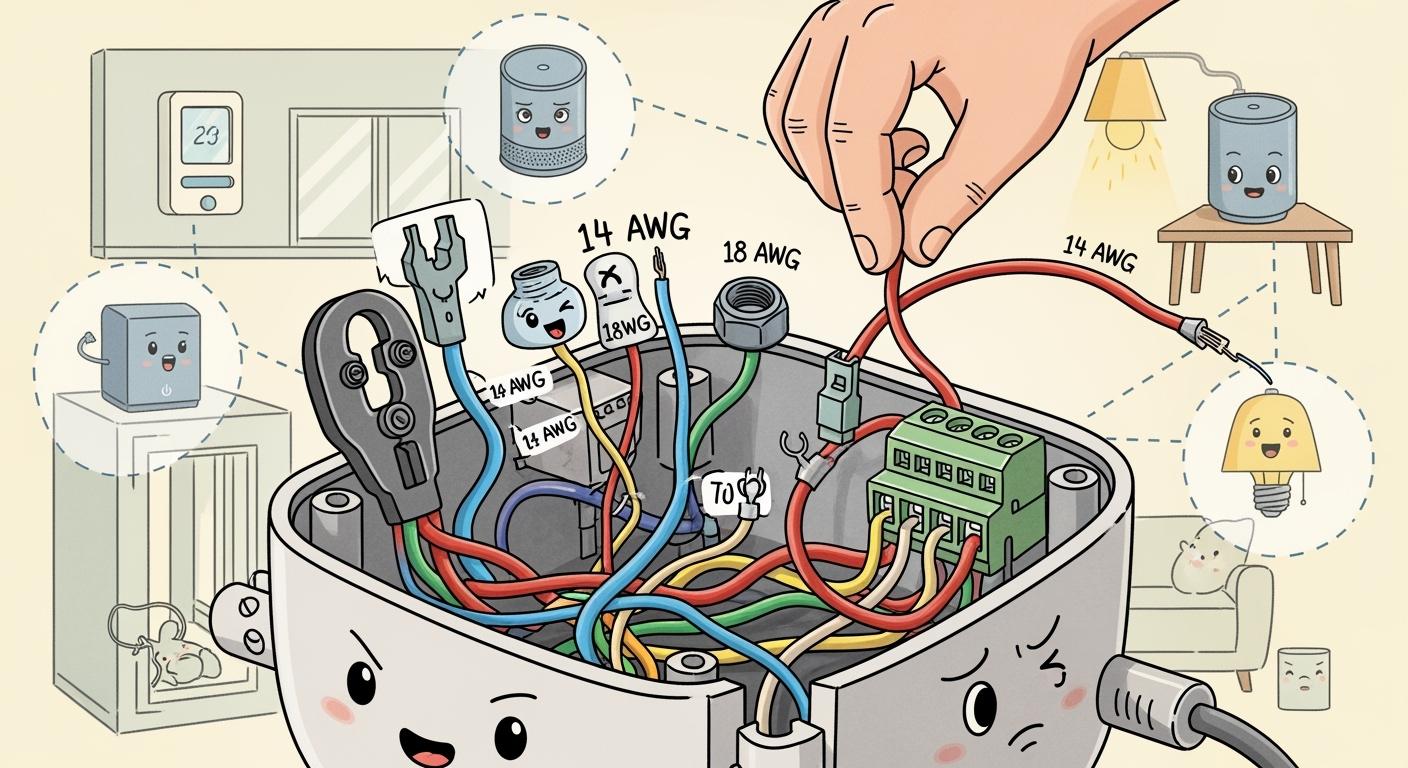
Connector Selection and wire gauge play a crucial role in the performance and safety of smart home devices powered by lithium battery packs. You must consider these factors to prevent device failures and reduce inefficiency. Fire hazards occur in 1 in 169 homes due to electrical issues and 1 in 112 homes from utility problems. Many of these incidents link to poor installation or low-quality components. Reliable choices improve long-term reliability and protect your investment.
Key Takeaways
Choose the right connectors for your smart home devices. Match them to voltage and current needs to ensure efficient power delivery.
Select appropriate wire gauge based on application and distance. Thicker wires reduce resistance and prevent overheating, enhancing safety.
Follow best practices for installation. Secure connections and use quality materials to avoid device failures and safety hazards.
Regularly inspect and maintain connectors and wires. This helps ensure long-term reliability and performance of your smart home devices.
Stay informed about environmental factors. High temperatures and humidity can affect connector performance, so choose materials that withstand these conditions.
Part1: Connector Selection Essentials
1.1 Impact on Performance and Communication
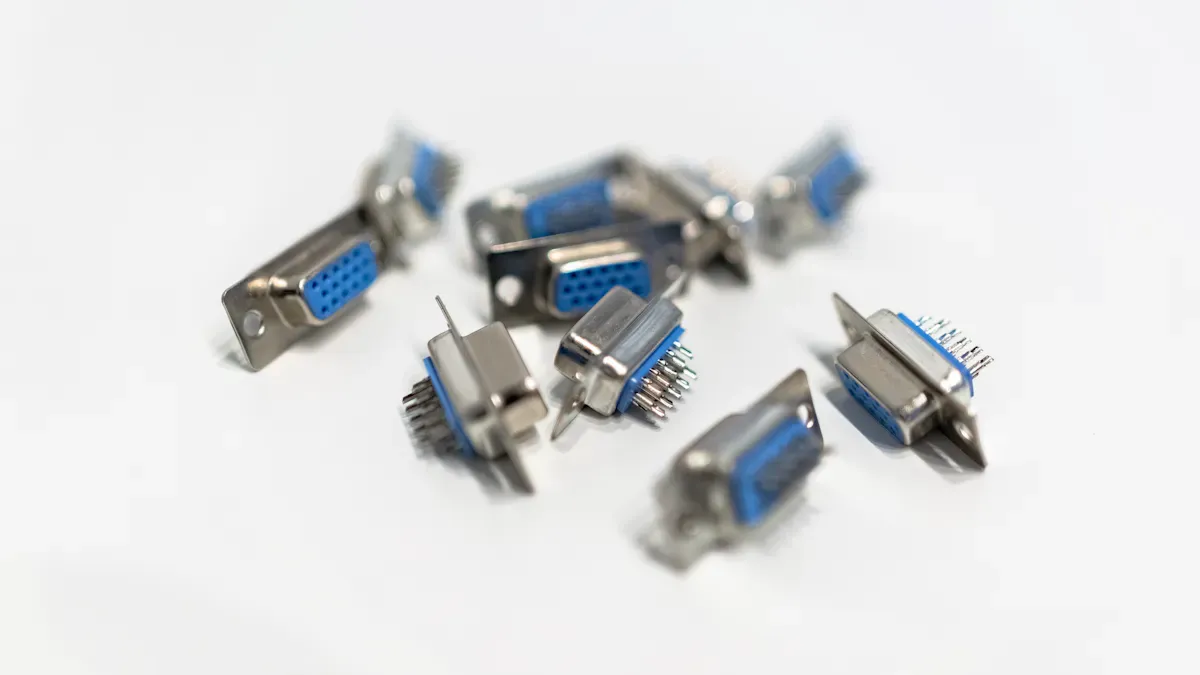
Connector Selection shapes the foundation of smart home device reliability, especially when you use lithium battery packs such as LiFePO4, NMC, LCO, or LMO. You must choose connectors that match the demands of your application. For example, medical devices require connectors that support stable power delivery and precise communication. Robotics and industrial systems need connectors that withstand frequent movement and vibration. Security systems and infrastructure applications demand connectors that maintain signal integrity under harsh conditions.
You see a wide range of connector types in smart home devices. Anderson connectors handle high-current connections, making them ideal for energy storage. XT series connectors, like XT30, XT60, and XT90, offer compact and reliable wiring for battery systems. EC series connectors (EC3, EC5, EC8), JST connectors, Deans T-Connectors, and JR connectors also serve various roles in consumer electronics and industrial applications.
Tip: Always match connector type to your device’s voltage and current requirements. This ensures efficient power delivery and minimizes energy loss.
Connector Selection also affects data transmission speed and reliability. Devices that support high-definition video streaming or voice control need connectors compatible with standards like Gigabit Ethernet and USB 3.0. High-quality materials, such as gold-plated contacts, reduce resistance and preserve signal integrity. You must consider these factors to prevent communication failures and maintain device performance.
1.2 Risks of Poor Connector Choices
Choosing the wrong connector exposes your smart home devices to multiple risks. You may experience device failures, reduced efficiency, or even safety hazards. In medical and security systems, unreliable connectors can lead to critical malfunctions. Industrial and infrastructure applications face downtime and costly repairs when connectors fail.
Environmental factors also play a role. High temperatures accelerate component degradation and increase electrical resistance, causing voltage drops and performance issues. High humidity leads to corrosion and short-circuiting. Low humidity can cause static electricity buildup, affecting connector longevity.
Environmental Factor | Effect on Connectors |
|---|---|
High Temperature | Increased resistance, voltage drops, performance issues |
Low Temperature | Condensation damage |
High Humidity | Corrosion, short-circuiting |
Low Humidity | Static electricity buildup |
Note: Poor Connector Selection can compromise both power and data transmission, especially in devices using lithium battery packs. You must assess environmental conditions before finalizing your choice.
1.3 Connector Selection Best Practices
You can follow several best practices to ensure optimal Connector Selection for smart home devices with lithium battery packs:
Understand Your Application Requirements: Define operational conditions and performance needs, including voltage, current, and cycle life for LiFePO4, NMC, LCO, and LMO lithium batteries.
Choose the Right Connector Type: Select connectors based on system design and battery chemistry. For high-voltage energy storage, Anderson and XT series connectors are suitable. For compact consumer electronics, JST and Deans T-Connectors work well.
Pay Attention to Connector Materials: Use connectors with silver or gold-plated contacts for enhanced conductivity and durability.
Install Connectors Properly: Follow manufacturer guidelines, secure connections, and use appropriate tools.
Plan for Maintenance: Design for easy access to connectors and schedule regular inspections.
Connector Type | Suitable Battery Chemistry | Application Scenario |
|---|---|---|
Anderson | LiFePO4, NMC | Industrial, Infrastructure |
XT Series (XT60/90) | NMC, LCO | Robotics, Security Systems |
EC Series | LMO, LiFePO4 | Consumer Electronics |
JST | LCO, LMO | Medical, Consumer Electronics |
Deans T-Connector | NMC, LCO | Robotics, Industrial |
Callout: Smart cords and wireless technology are emerging trends. Smart cords provide real-time feedback on energy consumption and communicate with other devices. Wireless connectors reduce physical cords and enhance convenience.
Connector Selection impacts every aspect of device performance, from power delivery to communication. You must evaluate power demands, operating conditions, temperature, and mating cycles to make informed decisions. This approach ensures safety, reliability, and long-term success for smart home devices powered by lithium battery packs.
Part2: Wire Gauge and Power Delivery
2.1 Wire Gauge and Efficiency
Wire gauge selection shapes the efficiency of power delivery in smart home devices powered by lithium battery packs. You must understand that wire gauge refers to the thickness of the wire. Thicker wires, or wires with a lower gauge number, carry more current with less resistance. This reduces energy loss and improves device performance.
Larger diameter wires have lower resistance. You should use them for long distances or high-power applications.
Correct wire gauge selection minimizes overheating risks. Devices operate effectively, especially in high-demand scenarios.
Proper wire gauge and material selection balance safety, functionality, and efficiency in electrical systems.
Following NEC recommendations for current capacity and voltage drop ensures optimal performance.
When you use lithium battery packs such as LiFePO4 Lithium battery, NMC Lithium battery, LCO Lithium battery, or LMO Lithium battery, wire gauge affects voltage drop and energy loss. Larger wire sizes lead to lower resistance, which reduces voltage drop and energy wasted as heat. Oversizing conductors minimizes voltage loss and energy wasted as heat. Undersizing wires increases voltage drop and energy loss due to higher resistance.
Tip: Always match wire gauge to the electrical load and distance. This prevents overloads, tripped breakers, and potential fire hazards.
A larger wire size results in lower resistance, which means less electricity is lost. As wire size increases, resistance decreases, leading to a smaller voltage drop. A reduced voltage drop increases the available voltage to appliances, enhancing their power efficiency.
2.2 Safety and Fire Prevention
Wire gauge selection plays a critical role in safety and fire prevention for smart home devices. You must choose the right wire gauge to protect occupants and ensure that wiring can handle maximum fault currents. This selection helps to mitigate risks of fire and electric shock, which are critical for the safe operation of smart home devices.
Insufficient wire gauge can lead to overloads, tripped breakers, and potential fire hazards. You must consider the electrical load from connected devices when determining conductor size and number of wires in smart home wiring. Proper wire gauge prevents overheating and reduces the risk of costly fire damage.
Benefit | Cost Implication |
|---|---|
Reduced maintenance | Lowers long-term operational costs |
Improved reliability | Minimizes repair costs due to failures |
Enhanced safety | Reduces risk of costly fire damage |
Prevents overheating | Avoids expenses related to equipment failure |
You must also consider the application scenario. Medical devices require precise power delivery and maximum safety. Robotics and industrial systems need wires that withstand frequent movement and vibration. Security systems and infrastructure applications demand wires that maintain integrity under harsh conditions.
Callout: Choosing the correct wire gauge extends device longevity and ensures safe operation, especially for lithium battery-powered smart home devices.
2.3 Choosing the Right Wire Gauge
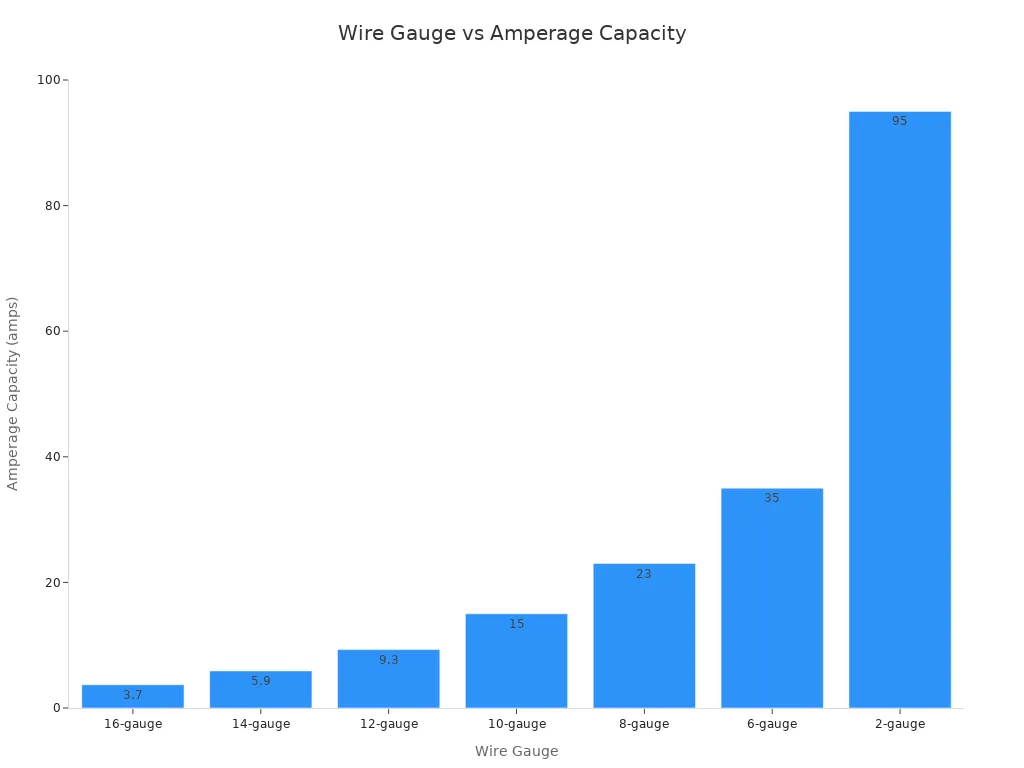
Selecting the right wire gauge depends on your application and current requirements. You must reference the amperage capacity and the length of wire runs. Longer runs require thicker wires to minimize voltage drop.
Wire Gauge | Current Capacity | Notes |
|---|---|---|
10-gauge | Up to 30 amps | Recommended for standard applications |
8-gauge | For longer runs | Use for runs over 100 feet to minimize voltage drop |
You must also consider the most common wire gauge sizes used in smart home devices with lithium battery packs:
Wire Gauge | Amperage Capacity |
|---|---|
16-gauge | Up to 3.7 amps |
14-gauge | Up to 5.9 amps |
12-gauge | Up to 9.3 amps |
10-gauge | Up to 15 amps |
8-gauge | Up to 23 amps |
6-gauge | Up to 35 amps |
2-gauge | Up to 95 amps |
You must match wire gauge to lithium battery chemistry and application scenario. The table below compares wire gauge effects across different lithium battery chemistries and application scenarios:
Lithium Battery Chemistry | Platform Voltage | Energy Density (Wh/kg) | Cycle Life | Recommended Wire Gauge | Application Scenario |
|---|---|---|---|---|---|
LiFePO4 Lithium battery | 3.2V | 90-160 | 2000+ | 10-8 gauge | Infrastructure, Industrial |
NMC Lithium battery | 3.7V | 150-220 | 1000-2000 | 12-10 gauge | Robotics, Security Systems |
LCO Lithium battery | 3.7V | 100-180 | 500-1000 | 14-12 gauge | Medical, Consumer Electronics |
LMO Lithium battery | 3.7V | 80-120 | 300-700 | 16-14 gauge | Consumer Electronics |
Note: Understanding wire gauge is crucial for selecting the right wires for smart home devices. Proper wire gauge prevents potential hazards in electrical systems.
You must always check manufacturer recommendations and local codes. This ensures compliance and optimal performance for lithium battery-powered smart home devices.
Part3: Real-World Scenarios
3.1 Common Mistakes and Consequences
You often see recurring mistakes in connector and wire gauge selection for smart home devices powered by LiFePO4 Lithium battery, NMC Lithium battery, LCO Lithium battery, or LMO Lithium battery packs. These mistakes can lead to serious safety and performance issues.
Using undersized wires causes overheating and increases fire hazards.
Improper torque and loose connections create system inefficiencies.
Neglecting overcurrent protection raises the risk of electrical failures.
Incorrect series and parallel connections compromise system safety.
Choosing the wrong wire type or gauge results in overheating, increased resistance, and potential fire hazards. Heavy-duty applications, such as industrial robotics or infrastructure systems, require thicker wires to handle higher currents. Lighter circuits in consumer electronics can use thinner wires, but you must always match the wire size to the electrical load.
Tip: Always use the correct wire size for the circuit. For a 15-amp circuit, use a 14-gauge wire. For a 20-amp circuit, use a 12-gauge wire.
The table below compares common mistakes with best practices:
Mistake | Best Practice |
|---|---|
Using undersized wires | Match wire gauge to current and distance |
Loose or improper connections | Apply correct torque and secure connections |
No overcurrent protection | Install fuses or breakers for each circuit |
Incorrect battery wiring | Follow proper series/parallel wiring guidelines |
3.2 Case Studies: Improved Outcomes
You can see the impact of proper connector and wire gauge selection in real-world applications:
Medical Devices: When you use the correct wire gauge and high-quality connectors, you ensure stable power delivery for life-saving equipment powered by LCO Lithium battery packs. This reduces downtime and increases patient safety.
Robotics and Industrial Systems: Upgrading to thicker wires and secure connectors in NMC Lithium battery-powered robots prevents overheating and system failures during high-load operations.
Security Systems: Security panels using LiFePO4 Lithium battery packs benefit from overcurrent protection and proper wire sizing. This minimizes false alarms and extends device lifespan.
Consumer Electronics: Devices with LMO Lithium battery packs operate efficiently when you use the right connectors and wire gauge, reducing energy loss and improving user satisfaction.
Application Scenario | Battery Chemistry | Improved Outcome |
|---|---|---|
Medical Devices | LCO Lithium battery | Stable power, increased safety |
Robotics/Industrial | NMC Lithium battery | Reduced failures, higher reliability |
Security Systems | LiFePO4 Lithium battery | Fewer alarms, longer device life |
Consumer Electronics | LMO Lithium battery | Efficient operation, less energy loss |
Note: You can prevent costly failures and safety incidents by following best practices for connector and wire gauge selection in every application.
Part4: Practical Tips and Resources
4.1 Installation Checklist
You need a clear installation checklist to ensure safe and reliable operation of smart home devices powered by LiFePO4 Lithium battery, NMC Lithium battery, LCO Lithium battery, or LMO Lithium battery packs. This checklist helps you avoid common mistakes and supports long-term device performance in medical, robotics, security, infrastructure, and consumer electronics applications.
Component | Recommendations |
|---|---|
Adapter | Use adapters from established, reputable companies. |
Convertor | Use convertors from established, reputable companies. |
Extender | Use only active, externally-powered extenders. Avoid bus-powered extenders. |
Coupler | Avoid using couplers; use a single longer cable instead. |
Source-switching device | Avoid using source-switching devices; if necessary, ensure they are reputable and pass video handshake signals. |
You must also check for these common installation errors:
Error Type | Description |
|---|---|
Improper Wire Connections | Using incorrect connectors or failing to secure connections can lead to electrical failures and fires. |
Wire Gauge and Type Selection | Choosing the wrong wire gauge can cause overheating and potential fires if it doesn’t match the load requirements. |
Managing Compatibility Issues | Using mismatched connectors can lead to loss of functionality and connection difficulties. |
Tip: Always match wire gauge and connector type to the lithium battery chemistry and application scenario. This prevents overheating and ensures stable power delivery.
4.2 Further Guidance
You can access several resources to deepen your understanding of connector and wire gauge selection for lithium battery-powered smart home devices. These resources support B2B professionals in medical, industrial, security, and consumer electronics fields.
Resource | Description |
|---|---|
B2B – B-Cap Wire Connector, Model B2 Red, 500/Bag | A specific product for wire connections. |
Electrical References & Guides | Comprehensive guides on electrical standards and practices. |
Product Catalogs & Line Sheet (pdf) | Catalogs that include various electrical supplies and specifications. |
B2B Wire Gauge Help: This forum discussion highlights the importance of wire gauge selection based on application, amp draw, and circuit length.
Note: You should always consult manufacturer guidelines and local codes. For advanced battery management, consider integrating a Battery Management System (BMS) to monitor and protect lithium battery packs in smart home devices.
You improve device safety, reliability, and performance by following these practical tips and using trusted resources. This approach supports your business and protects your investment in lithium battery-powered smart home solutions.
You play a vital role in smart home device reliability by focusing on connector selection and wire gauge. These choices help minimize voltage drop, meet high current demands safely, and enhance power delivery efficiency. You invest in system longevity by evaluating material durability and size compatibility. Upgrading electrical infrastructure supports new lithium battery-powered devices in medical, robotics, security, and industrial applications.
Apply best practices, such as proper wire stripping, alignment, and strain relief. Consult trusted resources and manufacturers for ongoing improvement.
FAQ
What happens if you use the wrong wire gauge with a LiFePO4 Lithium battery?
Using the wrong wire gauge can cause overheating and voltage drops. Devices may fail or become unsafe. You must always match wire gauge to current needs, especially in industrial or infrastructure applications.
How do you choose the best connector for NMC Lithium battery-powered robotics?
You should select connectors rated for the device’s voltage and current. Look for durable materials and secure locking features. This ensures reliable power delivery and communication in robotics.
Why does connector quality matter for medical devices with LCO Lithium batteries?
High-quality connectors reduce resistance and prevent signal loss. You protect sensitive equipment and ensure stable operation. This is critical for patient safety in medical environments.
Can you use the same wire gauge for all lithium battery chemistries?
No. Each lithium battery chemistry—LiFePO4, NMC, LCO, LMO—has different current and voltage needs. Use the table below to compare recommended wire gauges for each scenario.
Chemistry | Platform Voltage | Application Scenario | |
|---|---|---|---|
LiFePO4 | 3.2V | 10-8 | Infrastructure, Industrial |
NMC | 3.7V | 12-10 | Robotics, Security |
LCO | 3.7V | 14-12 | Medical, Consumer |
LMO | 3.7V | Consumer Electronics |
What is the main safety risk with poor connector selection in security systems?
Poor connector selection can lead to loose connections and overheating. This increases the risk of fire and device failure. You must use connectors designed for the system’s voltage and current.


