

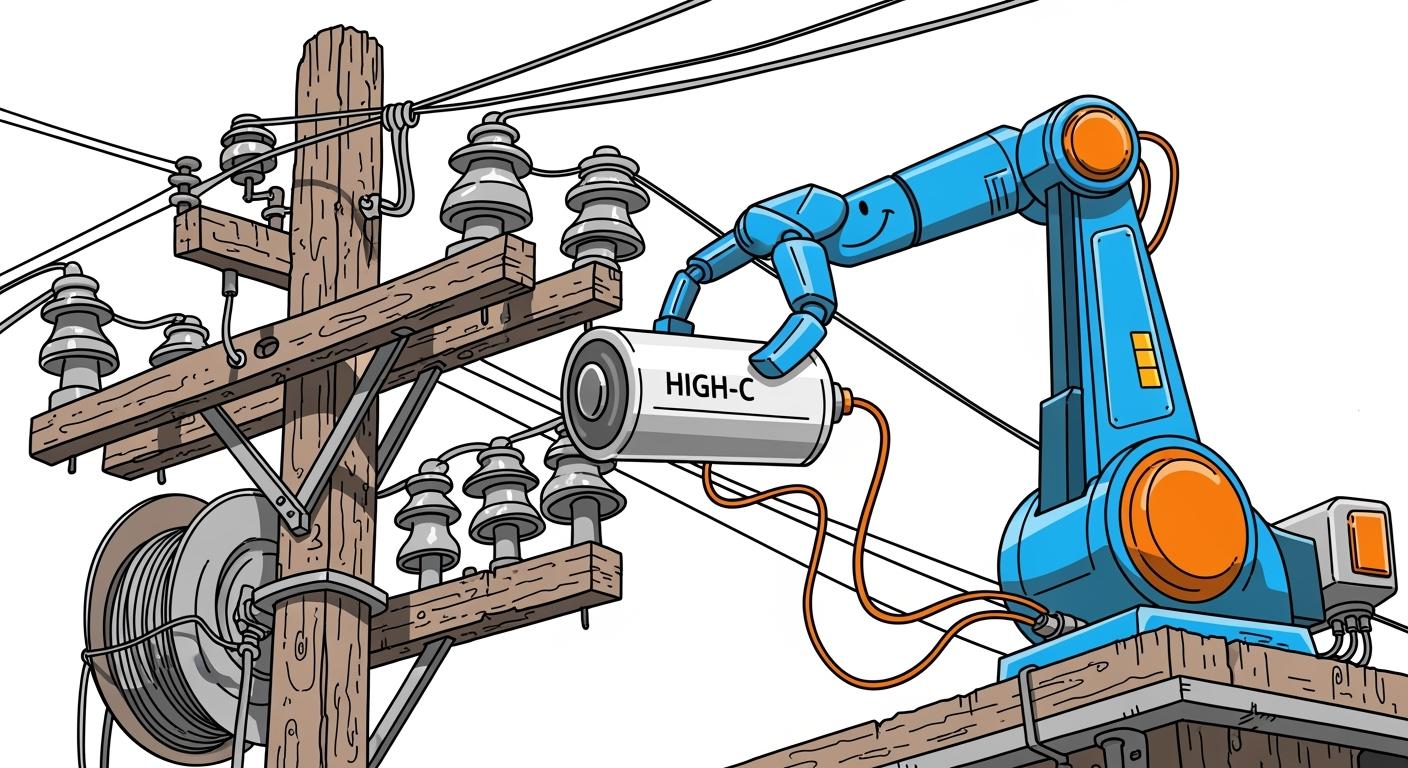
You face tough challenges when powering 4S1P power line stringing robots. These machines demand fast bursts of energy to operate safely and efficiently. Discharge Rate Matters because the right C rating lets you deliver power quickly, avoiding voltage drops and overheating. High-C cells give you the confidence to meet heavy loads, protect your equipment, and keep your projects on schedule.
High-C lithium battery packs ensure steady performance under pressure.
Key Takeaways
Understand the C rating of lithium batteries. A higher C rating means faster energy delivery, which is crucial for high-demand applications like power line stringing robots.
Choose high-C cells to avoid voltage drops. These cells maintain stable voltage during peak loads, ensuring your robot operates efficiently without slowing down.
Select the right battery chemistry. NMC and LiFePO4 cells offer the best balance of energy density and high C ratings for demanding tasks.
Prioritize safety and lifespan. High-C cells reduce the risk of overheating and extend battery life, protecting your investment and ensuring reliable performance.
Use a battery management system (BMS). A BMS monitors battery health, helping prevent issues and ensuring your robots are always ready for action.
Part1: C Rating Basics
1.1 What Is C Rating
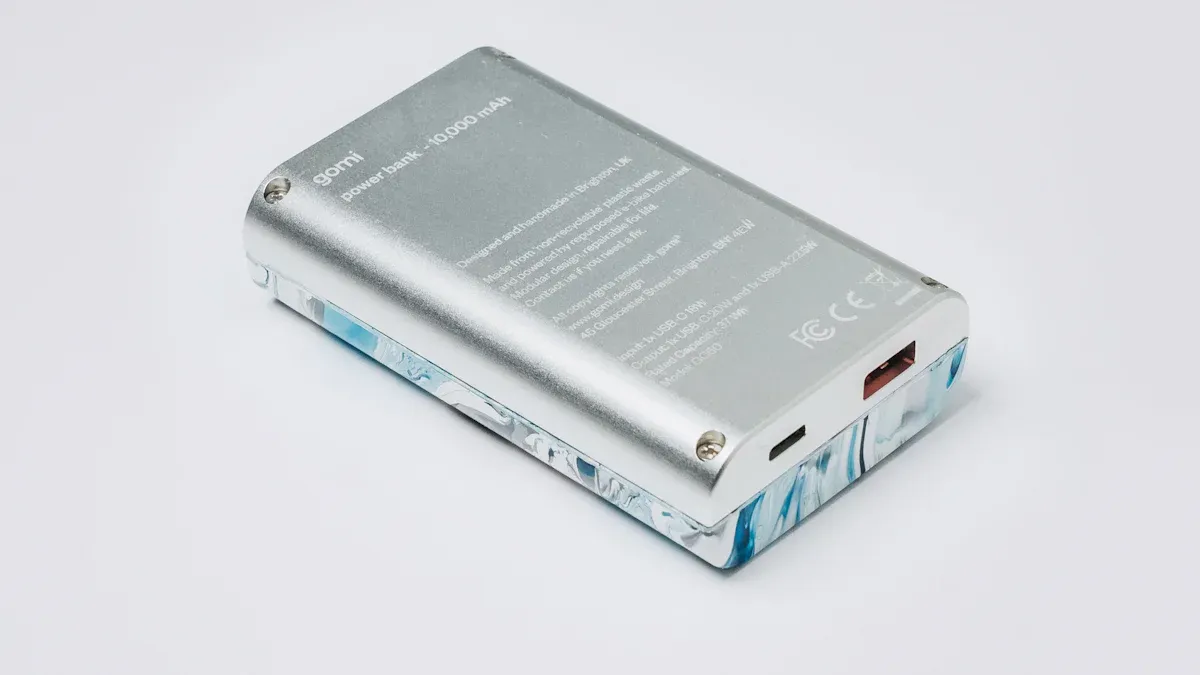
You need to understand C rating before you choose lithium battery packs for your power line stringing robots. The C rating in lithium-ion batteries shows how fast a battery can be charged or discharged compared to its total capacity. For example, a battery with a 1C rating can deliver its full capacity in one hour. If you see a 2C rating, the battery can deliver twice the current, but only for half the time. This simple number helps you measure how much current you can safely draw from your battery without causing damage.
Tip: Always check the C rating on your battery pack label. It tells you how much current you can use without risking overheating or voltage drops.
The C rating is a key factor in battery selection for high-demand applications. You want to match the battery’s C rating to your robot’s power needs to ensure safe and reliable operation.
Battery Capacity (mAh) | C Rating | Maximum Current Output (A) |
|---|---|---|
1500 | 10C | 15 |
This table shows how a higher C rating increases the maximum current output. If your robot needs more power, you must choose a battery with a higher C rating.
1.2 C Rating and Power Delivery
Discharge Rate Matters when your robot faces heavy loads or rapid movements. A higher C rating means your battery can deliver more power in less time. You get faster energy delivery, which is critical for power line stringing robots that need quick bursts of energy.
A higher C rating allows your battery to deliver more power quickly.
Devices like drones, electric vehicles, and power tools rely on high C ratings for rapid energy discharge.
Effective thermal management becomes important because higher C ratings generate more heat.
You need high C-rated cells to support fast charging and rapid energy delivery in demanding environments.
When you select lithium battery packs, always consider the C rating. It affects how well your robot performs under stress and how long your battery lasts. Matching the right C rating to your application keeps your equipment safe and your operations efficient.
Part2: Discharge Rate Matters for 4S1P Robots
2.1 Power Demands in Stringing Robots
You operate power line stringing robots in environments that require fast, reliable energy delivery. These robots must pull heavy cables, climb steep angles, and respond quickly to control signals. Discharge Rate Matters because your robot faces sudden bursts of high current, especially during startup or when overcoming obstacles.
During operation, your 4S1P lithium battery pack must handle:
Nominal voltage of 14.8V and a nominal capacity of 10Ah.
Continuous current up to 90A (9C) and burst currents up to 120A (12C) for 10 seconds.
Recommended operating current of 10A, with a maximum safe current of 15A for regular use.
These numbers show that your robot needs a battery pack that can deliver high current without overheating or losing voltage. If you use a battery with a low C rating, you risk voltage drops, reduced performance, and possible shutdowns during critical tasks. Discharge Rate Matters because only high-C cells can support these demanding conditions without sacrificing safety or efficiency.
2.2 High-C Cells and Voltage Stability
You need high-C cells to keep voltage stable during peak loads. When your robot pulls maximum current, the battery’s internal resistance causes voltage to drop, a phenomenon called voltage sag. If voltage drops too much, your robot may slow down, lose torque, or even stop working.
High-C cells, such as those rated at 100C or 120C, help minimize voltage sag. For example:
At a 100C discharge rate, voltage can sag by about 0.6V, sometimes dropping below the nominal voltage.
Discharge tests show that at rates above 22C, voltage drops below 3.5V per cell, and at 77C, it can fall to 3.2V.
The latest high-C cells, like Lonestar’s 100+C models, have very low internal resistance (1.3mOhm), which helps keep voltage drops small even at high currents.
If you exceed the recommended discharge rate, you face serious risks:
Your battery ages faster, losing capacity and shortening its lifespan.
Excessive heat can build up, leading to venting of toxic fumes or even explosions.
Repeated high discharge rates can cause lithium plating on the anodes, which reduces battery efficiency and safety.
High temperatures speed up unwanted chemical reactions, breaking down the battery’s chemistry and risking failure.
You must match your cell specifications to your robot’s needs. Discharge Rate Matters because using the right high-C cell ensures your robot performs reliably, stays safe, and avoids costly downtime.
Comparative Table: Lithium Battery Chemistries for High-Current Applications
Chemistry | Platform Voltage (V) | Energy Density (Wh/kg) | Cycle Life (cycles) | Typical C Rating | Application Scenarios |
|---|---|---|---|---|---|
LiFePO4 | 3.2 | 90-120 | 2000+ | 10-30C | Robotics, Medical, Security Systems |
NMC (LiNiMnCoO2) | 3.7 | 150-220 | 1000-2000 | 10-60C | Infrastructure, Industrial, EVs |
LCO (LiCoO2) | 3.7 | 150-200 | 500-1000 | 1-10C | Consumer Electronics |
LTO (Li4Ti5O12) | 2.3 | 70-80 | 5000+ | 10-50C | Industrial, Grid Storage |
You should choose high-C NMC or LiFePO4 cells for your 4S1P power line stringing robots. These chemistries offer the best balance of voltage stability, energy density, and cycle life for high-current, demanding applications.
Note: Always use a battery management system (BMS) to monitor cell voltage, temperature, and current. This helps prevent over-discharge, overheating, and extends battery life.
Discharge Rate Matters for every power line stringing robot. High-C cells keep your voltage steady, protect your investment, and ensure your robots work safely and efficiently in the field.
Part3: Risks of Low-C Cells
3.1 Performance Issues
You may notice your power line stringing robot slows down or stops working during heavy tasks. Low-C cells cannot deliver enough current for demanding operations. This leads to voltage sag, which reduces the robot’s speed and pulling force. You risk project delays and equipment downtime.
Let’s compare how different lithium battery chemistries perform under high current:
Chemistry | Platform Voltage (V) | Energy Density (Wh/kg) | Typical C Rating | Application Scenarios |
|---|---|---|---|---|
LiFePO4 | 3.2 | 90-120 | 10-30C | Robotics, Medical, Security Systems |
NMC (LiNiMnCoO2) | 3.7 | 150-220 | 10-60C | Infrastructure, Industrial, EVs |
LCO (LiCoO2) | 3.7 | 150-200 | 1-10C | Consumer Electronics |
LTO (Li4Ti5O12) | 2.3 | 70-80 | 10-50C | Industrial, Grid Storage |
You see that LCO cells have a low C rating. These cells cannot handle high current loads. If you use them in your robots, you will experience poor performance. NMC and LiFePO4 cells support higher C ratings, making them better for industrial robots.
Tip: Always match your battery’s C rating to your robot’s peak current needs.
3.2 Safety and Lifespan Concerns
Low-C cells can overheat when pushed beyond their limits. Overheating increases the risk of thermal runaway, which can cause fires or explosions. You also shorten the battery’s lifespan by stressing the cells.
Here is a comparison of safety and cycle life:
Chemistry | Cycle Life (cycles) | Safety Level | Typical C Rating | Application Scenarios |
|---|---|---|---|---|
LiFePO4 | 2000+ | High | 10-30C | Robotics, Medical, Security Systems |
NMC (LiNiMnCoO2) | 1000-2000 | Medium | 10-60C | Infrastructure, Industrial, EVs |
LCO (LiCoO2) | 500-1000 | Low | 1-10C | Consumer Electronics |
LTO (Li4Ti5O12) | 5000+ | Very High | 10-50C | Industrial, Grid Storage |
You protect your investment by choosing high-C cells. You reduce the risk of accidents and extend battery life. For extra safety, you should use a battery management system (BMS) to monitor temperature and current. Learn more about BMS in our Battery Management System Guide.
Discharge Rate Matters when you want reliable, safe, and long-lasting lithium battery packs for your power line stringing robots.
Part4: Choosing High-C Cells
4.1 Key Selection Criteria
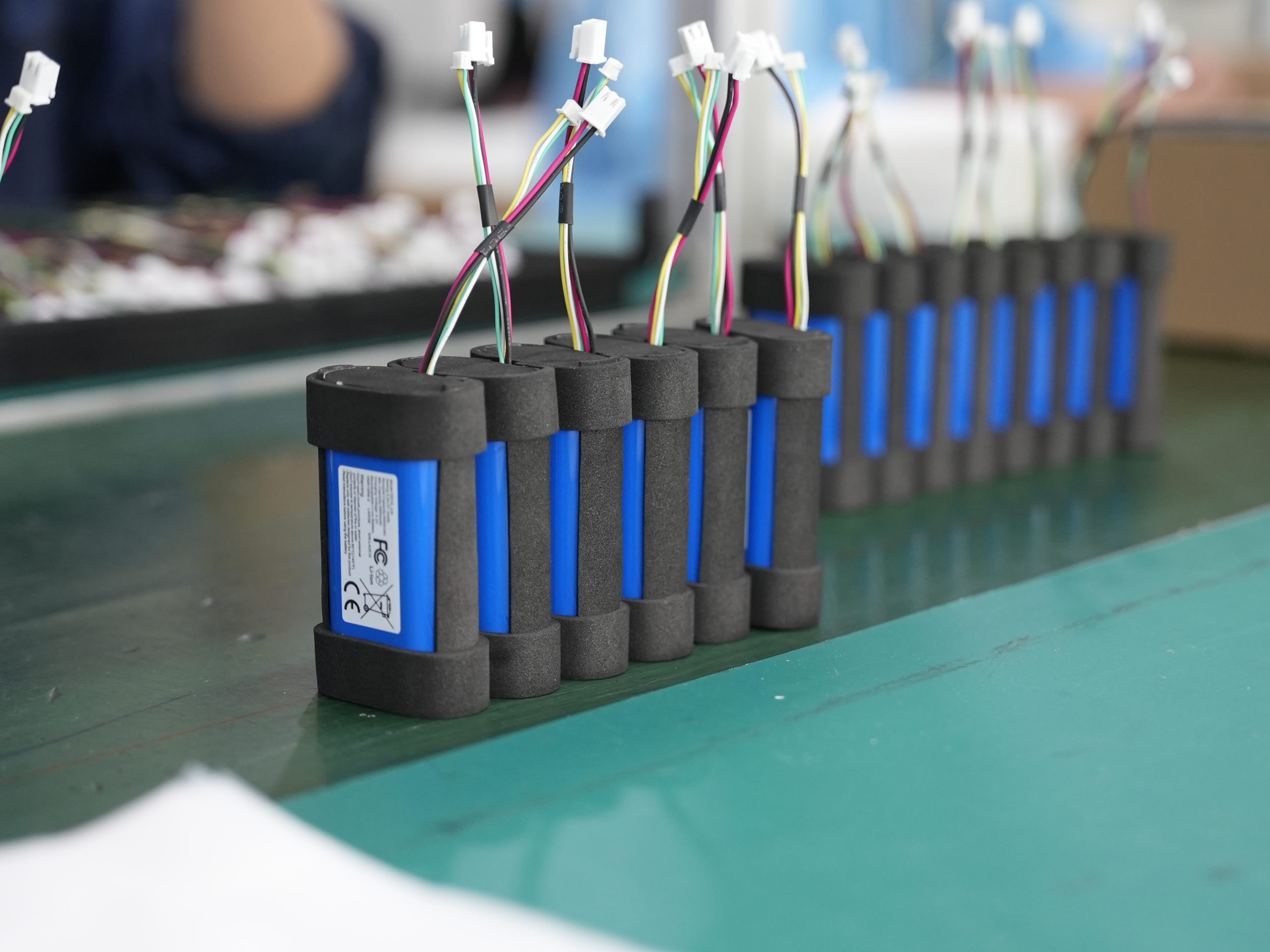
You need to focus on several key criteria when selecting high-C cells for your 4S1P power line stringing robots. The right choice ensures your robots perform reliably and safely in demanding industrial environments.
Criteria | Description |
|---|---|
Application Requirements | Define the robot’s tasks, payload, speed, and cycle time. |
Cell Chemistry | Choose between NMC, LiFePO4, or LTO based on energy density, cycle life, and safety needs. |
Capacity and C Rating | Match the cell’s capacity and C rating to your robot’s peak and continuous current demands. |
Quality and Manufacturer | Select Grade A cells from reputable manufacturers for consistent performance and longevity. |
Compatibility | Ensure cells fit your battery pack design and work with your battery management system (BMS). |
Certifications | Look for UN38.3, IEC62133, and CB certifications for safety and compliance. |
Environmental Impact | Consider sustainability and review your supplier’s conflict minerals statement. |
Tip: Grade A LiFePO4 and NMC cells from trusted brands deliver stable performance and longer service life. Grade C cells often fail early and show inconsistent results.
4.2 Practical Sourcing Tips
You can improve reliability and safety by following best practices when sourcing high-C cells for industrial use.
Buy only from authorized retailers or verified suppliers. Research their reputation and confirm their authorization status.
Request documentation for certifications such as UN38.3 and IEC62133. These prove the cells meet international safety standards.
Perform basic authenticity checks:
Test for even heating and absence of hot spots.
Check for leaks under normal use.
Assess performance consistency over time.
Avoid suppliers offering prices far below market value. Low prices often signal counterfeit or low-quality cells.
Ask about sustainability policies and review the supplier’s conflict minerals statement to ensure ethical sourcing. For more on sustainability, see our Sustainability in Battery Supply Chains guide.
Discharge Rate Matters when you select high-C cells. The right sourcing and selection process protects your investment, supports safe operation, and ensures your robots deliver peak performance in every application.
Part5: Real-World Benefits
5.1 Performance Improvements
You see real advantages when you choose high-C lithium battery packs for your power line stringing robots. High-C cells deliver strong bursts of current, which helps your robots pull heavy cables and climb steep angles without slowing down. You get faster response times and smoother operation, even in challenging environments.
Many industries, such as construction, utilities, and infrastructure maintenance, rely on these robots for critical tasks. High-C cells help you finish jobs faster and reduce the risk of delays. You can compare the performance of different lithium battery chemistries in the table below:
Chemistry | Platform Voltage (V) | Energy Density (Wh/kg) | Cycle Life (cycles) | Typical C Rating | Application Scenarios |
|---|---|---|---|---|---|
LiFePO4 | 3.2 | 90-120 | 2000+ | 10-30C | Robotics, Medical, Security Systems |
NMC (LiNiMnCoO2) | 3.7 | 150-220 | 1000-2000 | 10-60C | Infrastructure, Industrial, EVs |
LTO (Li4Ti5O12) | 2.3 | 70-80 | 5000+ | 10-50C | Industrial, Grid Storage |
You notice that NMC and LiFePO4 cells offer the best mix of energy density and high C rating. These chemistries support the demanding needs of power line stringing robots in the field.
5.2 Reliability in Operation
You want your robots to work reliably, even in harsh conditions. High-C cells give you several key benefits:
Extreme durability ensures your robots perform well in hot or cold temperatures. This keeps your projects running, no matter the weather.
Military-grade design protects your battery packs from dust, moisture, and impacts. You spend less time on repairs and maintenance.
Smart BMS platforms let you monitor battery health in real time. You can spot problems early and schedule maintenance before failures happen.
Tip: Real-time monitoring with a smart BMS reduces downtime and helps you plan maintenance more efficiently.
You see fewer unexpected shutdowns and lower maintenance costs. High-C lithium battery packs keep your power line stringing robots ready for action, so you can focus on getting the job done.
You now see why high-C cells are vital for your 4S1P power line stringing robots. Discharge Rate Matters because it directly affects your robot’s performance, safety, and operational efficiency. When you choose batteries using the criteria in this guide, you protect your investment and keep your projects running smoothly.
Make informed choices to ensure your robots deliver reliable results every time.
FAQ
What does “C rating” mean for lithium battery packs?
You see “C rating” on battery labels. It tells you how fast you can safely discharge or charge the battery. A higher C rating means you can draw more current without damaging the battery or causing overheating.
Why should you choose high-C cells for 4S1P power line stringing robots?
High-C cells deliver strong bursts of current. You need this for robots that pull heavy cables or climb steep angles. High-C cells help your robots work faster and avoid voltage drops during tough jobs.
How do you match battery C rating to your robot’s needs?
First, check your robot’s peak and continuous current requirements. Then, select a battery with a C rating that meets or exceeds those numbers. This keeps your robot safe and ensures reliable performance.
What risks do you face if you use low-C cells?
Low-C cells can overheat and lose voltage quickly. You may see your robot slow down or even stop. Over time, you risk damaging the battery and shortening its lifespan.
Which lithium battery chemistries work best for high-current robots?
Chemistry | Platform Voltage (V) | Energy Density (Wh/kg) | Cycle Life (cycles) | Typical C Rating |
|---|---|---|---|---|
LiFePO4 | 3.2 | 90-120 | 2000+ | 10-30C |
NMC (LiNiMnCoO2) | 3.7 | 150-220 | 1000-2000 | 10-60C |
You get the best results with LiFePO4 or NMC cells. These chemistries offer high C ratings and long cycle life.


