

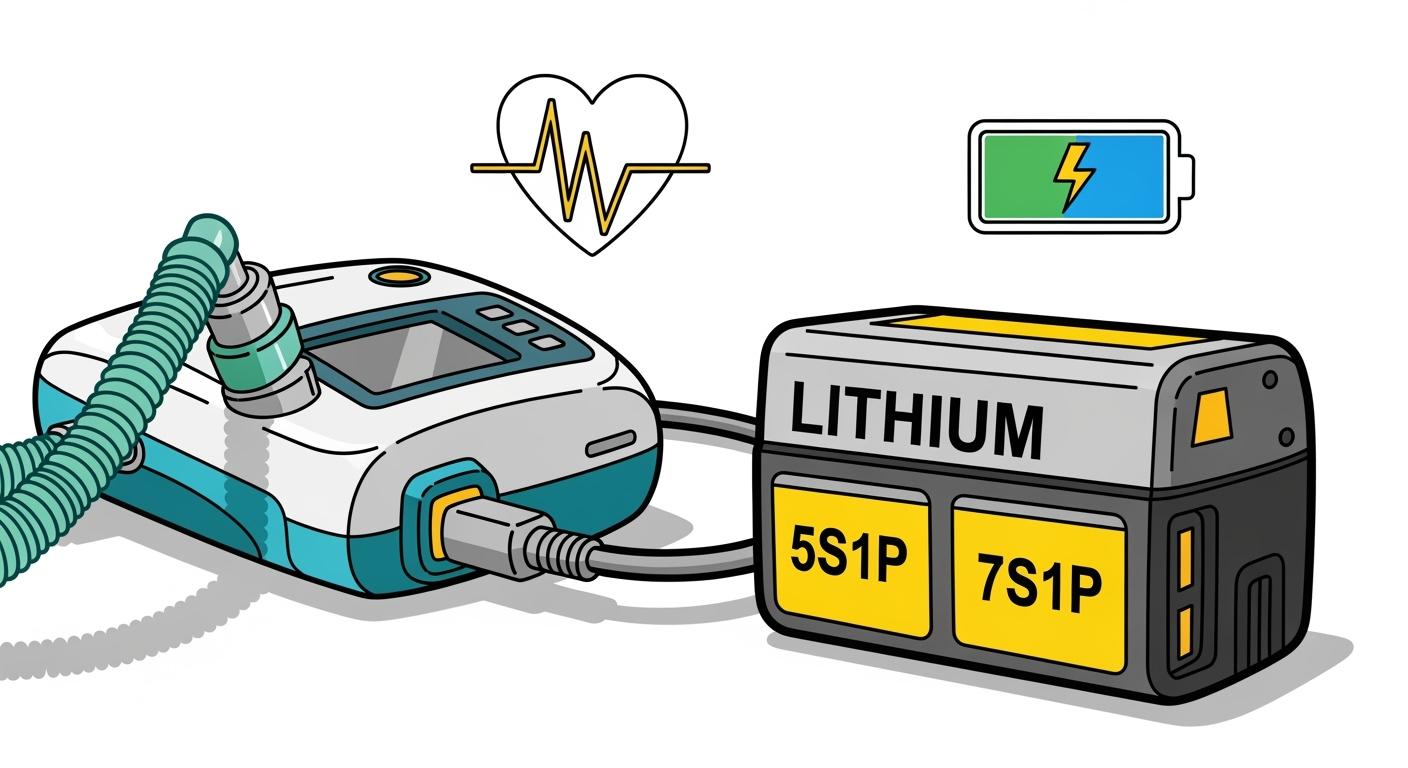
You depend on emergency backup lithium batteries to protect critical equipment in healthcare environments. Over the past five years, demand for advanced lithium solutions has surged, with rechargeable batteries now dominating the market. When you select backup power for medical devices, you must prioritize safety, performance, and strict compliance standards. Medical professionals require reliable energy storage to meet rising expectations.
Key Takeaways
Emergency backup lithium batteries are essential for keeping medical devices operational during power outages. They ensure patient safety and continuous care.
Choosing between 5S1P and 7S1P battery packs depends on the voltage needs of your medical equipment. Higher voltage packs like 7S1P are better for high-performance devices.
Advanced battery management systems enhance safety and reliability. They monitor battery health and help prevent failures, ensuring consistent power for critical medical applications.
Part1: Emergency Backup Lithium Batteries in Healthcare
1.1 Critical Role in Medical Devices
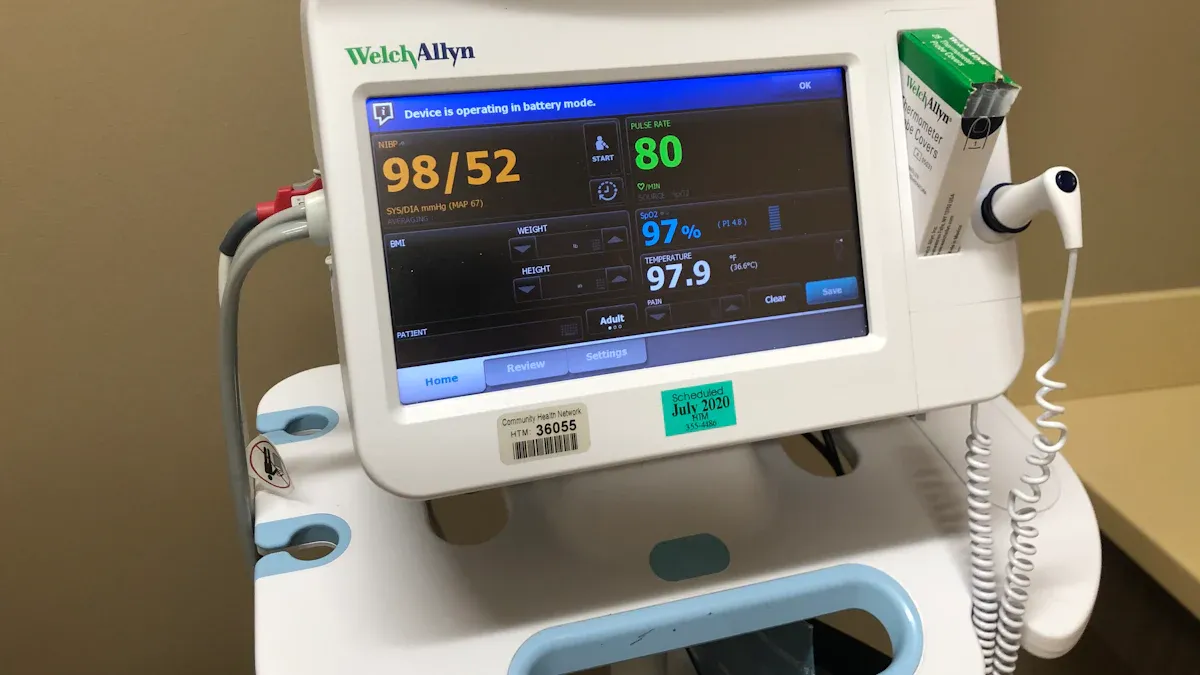
You rely on emergency backup lithium batteries to maintain continuous operation of essential medical equipment. In healthcare, backup power supports devices that safeguard patient lives and ensure uninterrupted care. You see lithium-ion batteries replacing older nickel chemistries due to superior performance, longer lifetime, and higher energy density. These batteries deliver consistent quality and reliability, which are vital for medical environments.
Common medical devices that utilize emergency backup lithium batteries include:
Operating theaters
Intensive-care systems
Emergency lighting
Prosthetics
Neurostimulation devices
Remote monitoring systems
Critical care equipment
Respiratory assistance devices
Defibrillators
Patient mobility devices
You notice that hospitals and clinics increasingly adopt lithium-ion solutions for emergency backup battery needs. This shift reflects the demand for advanced backup power that meets strict safety and compliance standards.
1.2 Risks of Power Loss in Healthcare
Power loss in healthcare settings poses serious risks. You must consider the consequences when backup power fails. Hospitals face challenges such as malfunctioning critical care devices, compromised patient records, and increased demand on emergency services.
Category | Impact |
|---|---|
Hospital | Direct clinical care: Malfunctioning devices, evacuation of patients, reliance on battery power and generators, conversion of IV drips, non-functional lifts. |
Patient records and identification: Difficult access to records, compromised patient tracking. | |
Increased demand on services: Short-staffed emergency departments, influx of patients needing electricity for equipment and treatments. |
You observe that power outages can lead to loss of life, limited access to medications, and restricted procedures during surgery. Absence of lighting jeopardizes high-risk operations, while vital equipment like respiratory devices may cease to function. These risks highlight the necessity of reliable emergency backup lithium batteries in healthcare environments.
Tip: Prioritize backup power solutions with proven safety features and compliance certifications to protect patient outcomes and maintain operational continuity.
Part2: 5S1P and 7S1P Battery Pack Basics
2.1 What Are 5S1P and 7S1P?
You encounter 5S1P and 7S1P battery packs as standard configurations for emergency backup lithium batteries in healthcare. These packs use lithium-ion cells arranged in series and parallel to deliver reliable backup power. In a 5S1P pack, five cells connect in series, forming a single parallel group. A 7S1P pack contains seven cells in series. Both configurations provide consistent voltage and capacity, supporting high performance in demanding medical environments.
Battery Pack Type | Voltage | Capacity | Configuration |
|---|---|---|---|
5S1P | 16V | 1500mAh | 5 cells in series, 1 parallel |
7S1P | 22.4V | 1500mAh | 7 cells in series, 1 parallel |
2.2 Key Differences and Performance
You select between 5S1P and 7S1P packs based on voltage requirements and device specifications. The 7S1P pack delivers higher voltage, making it suitable for equipment that demands a high performance power source. Both packs offer similar capacity, but the voltage difference affects compatibility and overall performance. You benefit from stable output and long lifetime, which ensures quality operation for critical medical devices.
Specification | Value |
|---|---|
Nominal Voltage (V) | 18.0 |
Capacity (mAh) | 2600 |
Max Continuous Discharge Current (A) | 2.6 |
2.3 Why These Packs Lead in Healthcare
You rely on 5S1P and 7S1P battery packs because they deliver quality, safety, and performance. These configurations support emergency backup lithium batteries in healthcare by providing reliable energy during outages. You experience reduced maintenance and improved device uptime. The packs meet strict standards for medical applications, making them the preferred choice for professionals who demand high performance and long lifetime from their backup power solutions.
Note: You should always verify that your chosen battery pack meets the voltage and capacity requirements of your medical device to ensure optimal performance and safety.
Part3: Trends in Safety and Innovation
3.1 Advanced Battery Management Systems
You see rapid advancements in battery management systems (BMS) transforming the safety and reliability of emergency backup lithium batteries in healthcare. Modern BMS solutions now use smart monitoring with stress, temperature, and gas sensors. These sensors give you a complete view of battery health, which reduces safety risks and extends operational lifetime. Real-time data collection tracks voltage, current, temperature, and state of charge. This data helps you optimize energy use and prevent failures before they occur.
Predictive maintenance has become a key feature. You can now shift from reactive to proactive maintenance by using analytics to forecast battery issues. Solid-state batteries also represent a major innovation. They offer safety improvements, faster charging, compact design, and longer lifetime compared to traditional lithium-ion batteries.
Key Advancement | Description |
|---|---|
Smart Monitoring | Uses sensors to track battery health, reducing risks and extending operational lifetime. |
Real-Time Data | Collects voltage, current, and temperature data to optimize energy use and prevent failures. |
Predictive Maintenance | Forecasts battery failures, enabling proactive maintenance and reducing downtime. |
Solid-State Batteries | Improves safety, charging speed, and lifespan with a compact design. |
A robust BMS enhances safety by monitoring battery performance and ensuring compliance with regulatory standards. You benefit from thorough testing that mitigates risks from battery failures. This is crucial for medical device applications, where reliability and quality cannot be compromised.
3.2 Safety Features and Compliance
You must prioritize safety features and regulatory compliance when selecting lithium battery packs for medical devices. Battery management systems conduct comprehensive testing to ensure each pack meets strict standards. These systems help you comply with regulations such as FDA’s 21 CFR Subchapter H and the EU Battery Regulation 2023/1542. They also address risks from manufacturing defects, environmental factors, and design flaws, which is essential for patient safety.
Medical devices require adherence to ANSI/AAMI ES 60601-1 for safety and performance. You must also ensure compliance with IEC 62133, IEC 60086-4, and UL 1642. The table below summarizes key international standards:
Standard | Description |
|---|---|
IEC 62133 | Governs safety testing for lithium ion batteries in healthcare and other electronic devices. |
IEC 60086-4 | Ensures chemical, electrical, and mechanical safety in medical applications. |
You should use only approved replacement batteries and chargers. Instructions for Use (IFU) must include clear guidelines on storage, charging, and maintenance. Proper packaging protects devices during transit, while warehouse operations should minimize thermal events by inspecting incoming batteries and ensuring safe storage practices.
Tip: Always verify that your battery supplier follows these standards and provides documentation for compliance. This step protects your organization and ensures reliable performance in critical healthcare environments.
3.3 High Performance in Extreme Conditions
You demand high performance and reliable performance from emergency backup lithium batteries, even in extreme conditions. LiFePO4 batteries, for example, maintain consistent output from -4℉ (-20℃) to 158℉ (70℃). This wide temperature range ensures that your devices operate without interruption, regardless of environmental challenges.
High temperatures can increase internal resistance, leading to energy loss and reduced efficiency. Proper temperature management, including cooling systems, shading, and ventilation, is essential to prolong battery lifetime and maintain quality. Unlike lead-acid and AGM batteries, which lose capacity in heat and cold, lithium batteries deliver superior efficiency and durability. You can rely on them for long-term performance, even in fluctuating weather conditions.
Hermetic sealing protects batteries from moisture and contaminants, which enhances safety and extends operational lifetime. Clinical data supports the reliability of lithium batteries in high-stress medical environments. For example, Abbott pacemakers show a low failure rate of 0.18%, demonstrating consistent power delivery and high quality in cardiac applications.
Note: When you select emergency backup lithium batteries, consider both the operating environment and the specific demands of your application. This approach ensures optimal performance and patient safety.
Part4: User Benefits of Emergency Backup Battery Packs
4.1 Reliability and Longevity
You expect medical equipment backup solutions to deliver consistent performance and extended lifetime. Emergency backup lithium batteries, especially 5S1P and 7S1P packs, have become the preferred choice in healthcare due to their robust growth and proven reliability. You benefit from technology advancements such as improved cathode materials and smart Battery Management Systems, which enhance cycle life and safety.
These battery packs offer higher energy density, allowing healthcare equipment to operate longer between replacements.
Advanced BMS features monitor battery health, reducing risks and extending operational lifetime.
Developments in battery chemistry contribute to longer service life and stable power output.
You can see the advantages in the following table:
Characteristic | Description |
|---|---|
Energy Density | Tadiran batteries store more energy per unit volume, supporting longer device operation. |
Self-Discharge Rate | These batteries maintain charge levels, ensuring immediate backup power during emergencies. |
Shelf Life | Some models provide up to 40 years of operational life, guaranteeing reliable medical equipment backup. |
4.2 Integration and Maintenance
You value solutions that integrate easily with healthcare equipment and require minimal maintenance. Lithium-ion battery packs simplify installation for OEMs and healthcare providers, reducing equipment weight and streamlining device design. Maintenance requirements are lower compared to traditional technologies.
Battery Type | Maintenance Frequency | Tasks |
|---|---|---|
Lithium-Ion | Annually | Visual inspection, check for alerts, clean exterior |
Lead-Acid | Quarterly | Monthly cleaning, water/acid refills, manual inspections |
You perform maintenance on lithium-ion batteries only once a year, while lead-acid batteries demand more frequent attention. Automated monitoring systems further reduce manual intervention, saving you time and resources.
Emergency backup lithium batteries provide reliable and consistent power, improving device uptime.
Faster charging times minimize waiting periods and maximize equipment availability.
Longer lifespan decreases replacement frequency, reducing operational disruptions and costs.
Tip: When you choose lithium battery backup power, you invest in solutions that support uninterrupted healthcare operations and lower total cost of ownership.
You benefit from emergency backup lithium batteries that deliver higher energy density, longer lifespan, and smart monitoring. 5S1P and 7S1P packs set new standards for reliability in medical devices. Ongoing innovation and strict compliance drive safer, more efficient solutions. Future trends include modular designs and advanced battery management systems.
Trend | Impact on Healthcare |
|---|---|
Higher Energy Density | More portable, powerful devices |
Longer Battery Life | Fewer replacements, lower costs |
Smart Monitoring | Enhanced reliability |
FAQ
What advantages do 5S1P and 7S1P lithium battery packs offer for medical and industrial devices?
You gain higher energy density, stable voltage, and long cycle life. These packs support critical applications in medical, robotics, security cameras, and infrastructure sectors.
How does Large Power ensure compliance and safety for custom lithium battery solutions?
Large Power follows international standards like IEC 62133 and UL 1642. You can request a custom battery consultation here.
How do lithium battery chemistries compare for professional applications?
Chemistry | Voltage (V) | Energy Density (Wh/kg) | Cycle Life (cycles) |
|---|---|---|---|
Li-ion | 3.6 | 150–250 | 500–2000 |
LiFePO4 | 3.2 | 90–160 | 2000–5000 |
Note: You should select chemistry based on your device’s voltage, energy, and longevity requirements.


