

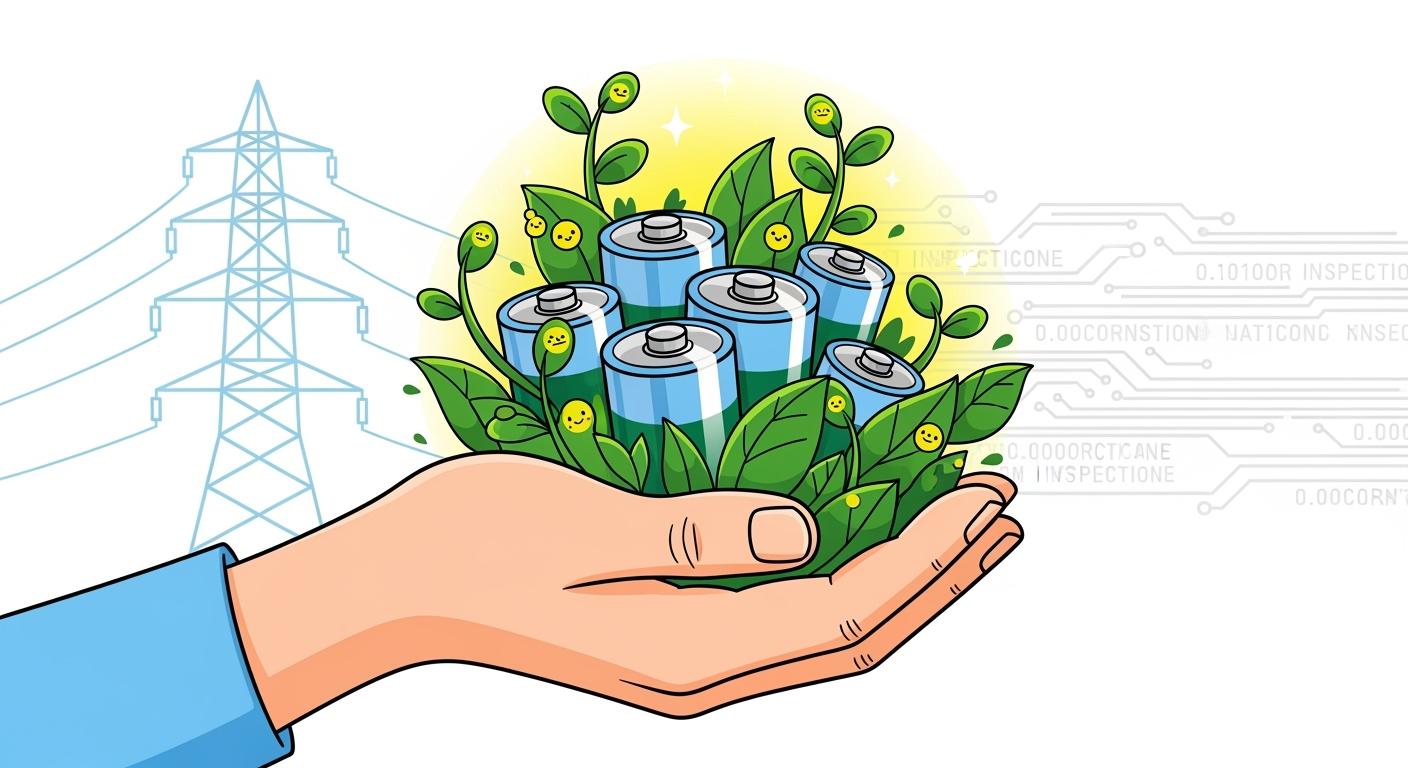
You now witness the green revolution reshape power inspection as lithium-ion batteries drive innovation. The green revolution responds to critical challenges: U.S. emission reductions lag, disaster risks intensify, and energy demand surges. The green revolution compels you to adopt advanced battery packs for real sustainability. The green revolution means rapid adaptation, with the green revolution setting new standards across the industry.
Key Takeaways
Lithium-ion batteries enhance power inspection by providing reliable energy storage, reducing maintenance needs, and improving operational uptime.
Switching to lithium-ion batteries can lead to significant cost savings, with potential reductions of up to 81% over five years compared to traditional lead-acid systems.
Adopting sustainable battery solutions not only benefits the environment by lowering emissions but also positions your company as a leader in the green revolution.
Part 1: Green Revolution in Power Inspection
1.1 Impact of Lithium-Ion Batteries
You see lithium-ion batteries transform power inspection by delivering reliable, high-density energy storage. These batteries enable you to deploy advanced inspection robots and electric monitoring systems across infrastructure, industrial, and security system applications. You benefit from their lower self-discharge rates, which means less frequent maintenance and higher operational uptime.
Note: Lithium-ion batteries have a self-discharge rate of only 2-3% per month, compared to up to 15% for lead-acid batteries. This reliability reduces your operational workload and ensures consistent performance in critical inspection tasks.
You also gain from the higher energy density of lithium-ion batteries, which allows you to use smaller, lighter battery packs without sacrificing power. This advantage proves essential for mobile inspection robots and portable electric devices. Intelligent power management systems further optimize charging cycles and energy distribution, helping you predict energy needs and minimize downtime.
The following table summarizes the main ways lithium-ion batteries drive the green revolution in power inspection:
Key Findings | Description |
|---|---|
Thermal Safety Risks | You must address thermal runaway risks, but new mitigation strategies improve battery safety. |
Recycling Technologies | You can now access advanced recycling methods that recover materials with less energy input. |
Environmental Benefits | Renewable-powered charging and local recycling networks can cut lifecycle emissions by 30–40%. |
You notice measurable environmental benefits when you switch to lithium-ion batteries for power inspection. These batteries reduce greenhouse gas emissions, improve energy efficiency, and decrease the ecological footprint in high-risk zones. The table below highlights these benefits:
Benefit | Description |
|---|---|
Reduced Greenhouse Emissions | Lithium batteries minimize carbon emissions compared to traditional inspection methods. |
Improved Energy Efficiency | Inspection robots use less power, enhancing overall energy efficiency. |
Decreased Ecological Footprint | Their use leads to a smaller ecological footprint, especially in hazardous inspection areas. |
1.2 Advancing Sustainability in Inspection
You drive sustainability in power inspection by adopting lithium-ion battery solutions. These batteries support your transition to cleaner electric propulsion systems, reducing reliance on fossil fuels and lowering toxic byproducts. Unlike lead-acid batteries, lithium-ion batteries do not produce hazardous waste, which helps you meet stricter environmental regulations.
You also benefit from significant cost savings and operational efficiency. Over five years, lithium-ion battery packs can reduce your costs by up to 81% compared to lead-acid systems. You experience longer run times, lower operating costs, and simplified operations. The table below outlines the key benefits for B2B stakeholders:
Benefit | Description |
|---|---|
Safety | Eliminates water maintenance, enhancing safety in your operations. |
Cost Savings | Achieves up to 81% cost savings over five years versus lead-acid systems. |
Operational Efficiency | Provides longer run times and lower operating costs, streamlining your workflow. |
Environmental Impact | Cuts emissions significantly compared to lead-acid batteries and propane engines. |
You see that sustainability in power inspection is not just about environmental responsibility. It also delivers tangible business value. By integrating lithium-ion batteries, you position your company at the forefront of the green revolution, ready to meet evolving market and regulatory demands.
Part 2: Role of Batteries in Power Inspection
2.1 Why Lithium-Ion Batteries Matter
You recognize the role of batteries as central to modern power inspection. Lithium-ion batteries deliver unmatched energy density compared to lead-acid batteries. This higher power density allows you to install compact battery packs, which is vital as inspection equipment becomes more advanced and power loads increase. Lithium is lighter and more powerful, giving you an exceptional energy-to-weight ratio for portable inspection devices.
Lithium batteries maintain stable voltage output throughout their discharge cycle, ensuring consistent performance.
Lithium-ion batteries can be cycled 25 times more than VRLA batteries, resulting in a longer lifespan.
These batteries have a design life of 15–20 years, which reduces replacement frequency and lowers total cost of ownership.
You see lithium-ion batteries outperform alternatives in lifecycle and performance. The table below compares key lithium battery chemistries:
Battery Chemistry | Lifecycle Performance | Key Advantages |
|---|---|---|
Better capacity, energy, and round-trip efficiency retention | High power, stability, safer under heating | |
NCA | Similar performance under certain conditions | Less stable compared to LiFePO4 |
LCO | Moderate cycle life | High energy density, used in Consumer Electronics |
LMO | Good power output | |
LTO | Extremely long cycle life | Fast charging, high safety |
Solid-state | Emerging technology | Higher energy density, improved safety |
2.2 Integration in Inspection Equipment
You integrate lithium-ion batteries into inspection equipment to boost reliability and safety. Advanced engineering and rigorous testing ensure that your devices meet high operational standards. Sophisticated battery management systems (BMS) monitor performance and provide conditional discharge and charging protections.
Recent trends show automation and AI technologies enhance inspection accuracy and efficiency. You benefit from machine learning algorithms and high-resolution imaging, which improve inline inspection capabilities and reduce defect rates. Regulatory pressures drive you to adopt sophisticated online inspection systems, ensuring safety, environmental compliance, and lifecycle management.
Low heat flow in Samsung SDI cell chemistry reduces thermal runaway risks.
Rugged aluminum-encased cells enhance durability and safety.
Integrated fire suppression sheets and thermal insulation improve overall safety.
You see these innovations support the growing demand for electric vehicles, battery electric vehicles, and renewable energy solutions. Lithium-ion batteries enable real-time defect detection and quality assurance in high-volume manufacturing environments, especially in Industrial, Security Cameras, and Infrastructure sectors. You ensure your inspection equipment delivers reliable energy storage and meets strict safety standards.
Part 3: Sustainability Innovations in Lithium-Ion Batteries
3.1 Greener Battery Design
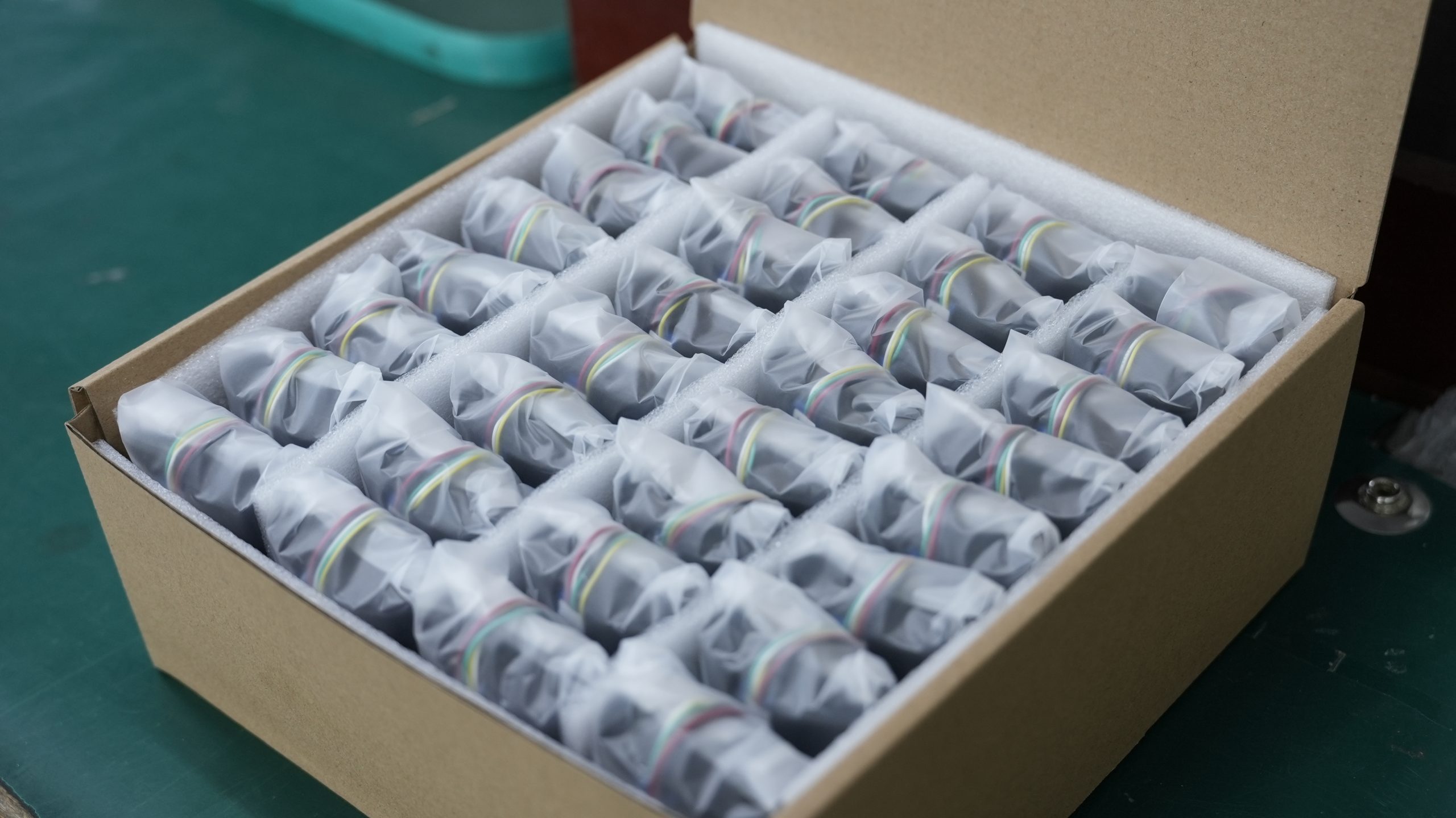
You drive innovation in energy storage by adopting greener battery designs for power inspection. Recent technologies like real-time monitoring with electrochemical impedance spectroscopy (EIS) give you continuous feedback on battery health and charge. This technology helps you detect degradation early and extend battery life. Coulombic efficiency testing lets you spot efficiency losses, so you can adjust materials and chemistry for better performance. Non-destructive X-ray CT testing allows you to visualize internal battery structures, which helps you identify defects before they impact reliability. Thermal runaway testing and gas emission analysis focus on early detection of heat and electrolyte issues, leading to safer and more stable batteries. These advancements support your transition from fossil fuels and help you deliver cost-effective electric vehicles and next-generation batteries for power inspection.
3.2 Responsible Sourcing and Recycling
You strengthen your supply chain by following responsible sourcing and recycling practices. You support environmental health and safety by setting high standards for battery manufacturing and recycling. You promote sound management of lead exposure and emissions, and you adopt responsible sourcing policies for raw materials. You minimize environmental impact by developing programs for collection, transportation, and recycling of used batteries. Companies now use sustainability certification mechanisms and track mineral flows from mine to buyer. Recycling lithium-ion batteries reduces greenhouse gas emissions by up to 81%, water use by 88%, and energy consumption by 89% compared to mining. You can learn more about responsible sourcing and recycling in our sustainability and conflict minerals statement.
3.3 Circular Economy for Batteries
You apply the circular economy model to maximize the value of lithium-ion batteries in power inspection. Material flow optimization tracks valuable materials throughout the battery lifecycle, ensuring maximum recovery and reuse. Design for circularity means you consider disassembly and material separation from the start. This approach reduces reliance on mining and lowers carbon emissions, supporting global net zero targets. Improved recycling infrastructure and resource recovery create new revenue streams and reduce environmental impact. You can explore how battery management systems (BMS) support circular economy strategies in our BMS resource.
Part 4: Sustainability Challenges and Outlook
4.1 Environmental and Ethical Issues
You face several environmental concerns when using lithium-ion batteries in power inspection.
Soil contamination can occur from heavy metals like nickel, manganese, and cobalt after a battery fire.
Water pollution may result from electrolyte leaks, harming aquatic life and contaminating drinking water.
Air pollution increases when incinerating batteries, releasing hazardous emissions and volatile organic compounds.
Ethical issues also demand your attention.
Lithium extraction can cause water scarcity, affecting local agriculture and communities.
Conflicts with indigenous populations often arise over water resources.
Mining for battery materials sometimes happens in unstable regions, raising human rights concerns.
Child labor and unsafe working conditions are common in cobalt mining, especially in the Democratic Republic of Congo.
Forced labor and low wages persist in some refining facilities.
4.2 Technical and Economic Barriers
You encounter technical and economic barriers as you adopt lithium battery packs for power inspection.
Battery chemistries like LiFePO4, NMC, LCO, LMO, LTO, solid-state, and lithium metal each have unique platform voltages, energy densities, and cycle lives.
High-precision inspection equipment requires reliable batteries, but cost and supply chain risks remain high.
Recycling infrastructure is still developing, making end-of-life management a challenge.
4.3 Future of the Green Revolution
You see the future of lithium-ion batteries shaped by automation, AI, and regulatory changes.
Automation and AI integration in inspection equipment increase accuracy and throughput.
Demand for inspection services grows with electric vehicle and energy storage expansion.
Regulatory changes, such as SoC limits and new packaging standards, drive safer and broader adoption.
Regulatory Change | Description | Impact on Adoption |
|---|---|---|
SoC Requirement | Batteries packed with equipment must have ≤30% State of Charge by 2026 | Ensures safer transport and compliance |
Packaging Requirements | New packaging must pass a 3.0-meter stack test | Enhances shipping safety, encourages sustainable practices |
UN Classification | New safety-based classification system | Facilitates compliance and adoption of safer technologies |
You must stay informed and adapt quickly to remain competitive in this evolving landscape.
You see lithium-ion batteries drive the green revolution in power inspection by enabling efficient energy storage, supporting electric vehicles, and stabilizing renewable energy integration.
Impact Area | Description |
|---|---|
Energy Storage | Store renewable energy efficiently, releasing it when demand peaks. |
Electric Vehicles | Essential for EVs, reducing reliance on fossil fuels. |
Renewable Integration | Help stabilize the grid by managing solar and wind energy fluctuations. |
You face regulatory complexities and safety priorities as ongoing challenges. To advance, you should:
Commit to responsible sourcing.
Invest in innovative recycling technologies.
Collaborate with policymakers.
Build domestic supply chains.
Adopt advanced manufacturing techniques.
You will see batteries play a growing role as inspection protocols and technology evolve.
FAQ
What advantages do lithium battery packs offer for power inspection in Industrial and Infrastructure sectors?
You gain higher energy density, longer cycle life, and reduced maintenance. Large Power delivers custom battery solutions for Industrial and Infrastructure applications.
How do you select the right lithium battery chemistry for your application?
Chemistry | Platform Voltage | Energy Density | Cycle Life |
|---|---|---|---|
3.2V | 100~180 Wh/kg | 2000-5000 cycles | |
NMC | 3.6~3.7V | 160~270 Wh/kg | 1000~2000 cycles |
LCO | 3.7V | 180~230 Wh/kg | 500~1000 cycles |
LMO | 3.7V | 120~170 Wh/kg | 300~700 cycles |
LTO | 2.4V | 60~90 Wh/kg | 10,000~20,000 cycles |
/ | 300~500 Wh/kg | / | |
Lithium metal | / | 300~500 Wh/kg | / |
Where can you find custom lithium battery solutions for Medical, Robotics, and Security System applications?
You can explore Large Power’s custom battery solutions for Medical, Robotics, and Security Cameras sectors.


