

You rely on lithium batteries to power and enhance portable medical devices in clinical environments. Most modern solutions use lithium-ion technology; few still incorporate nickel metal hydride or lead acid. Uninterrupted therapy, reliability, and safety remain vital.
Lithium batteries dominate medical devices, supporting consistent performance and robust safety.
Aspect | Details |
|---|---|
Reliability Concerns | You need batteries that deliver steady operation during critical procedures. |
Safety Mechanisms | Advanced protection circuits, thermal management, and Battery Management Systems help prevent overheating and fires. |
Key Takeaways
Lithium batteries enhance the design of portable medical devices by providing high energy density, making them smaller and lighter without sacrificing performance.
These batteries offer longer life and fewer replacements, resulting in cost savings for healthcare providers and improved reliability for critical medical devices.
Safety features in lithium batteries, such as advanced protection circuits and thermal management, help prevent overheating and ensure safe operation in medical environments.
Part1: Lithium Batteries in Portable Medical Devices
1.1 Mobility and Lightweight Design
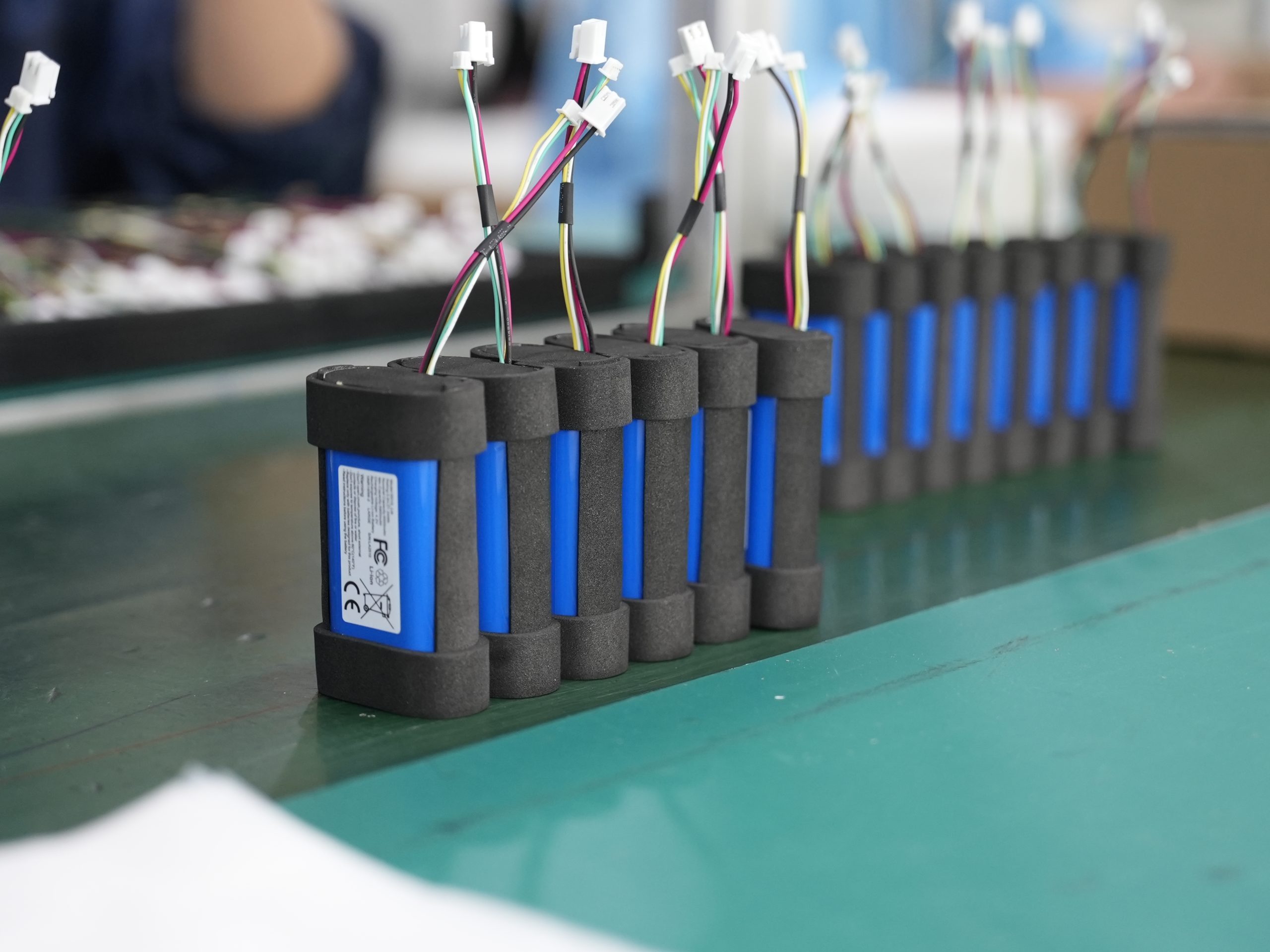
You expect portable medical devices to deliver reliable power while remaining easy to carry and operate. Lithium batteries have transformed the design of these devices by enabling compact, lightweight, and highly mobile solutions. Compared to older battery technologies, lithium battery technology offers high energy density, allowing manufacturers to reduce the size and weight of medical devices without sacrificing performance.
Lithium-ion and lithium polymer batteries provide high energy density, supporting the creation of smaller, lighter devices.
Advanced materials, such as carbon nanotubes and graphene, further enhance battery performance, making flexible and thin batteries possible for wearable monitors.
Innovations like catholyte electrolytes reduce inactive material, lowering battery weight and improving safety.
You see these benefits in a wide range of portable medical devices:
Neurostimulators
Cardiac pacemakers
Cardiac defibrillators
Drug pumps
Left ventricular assist devices
Complete artificial hearts
Implanted hearing aids
Ultrasounds
Patient monitoring equipment
Multi-parameter monitors
Ventilators
Tip: Miniaturization driven by lithium battery technology increases patient comfort and enables longer use times for wearable and implantable devices.
1.2 Energy Density and Battery Life
Lithium batteries deliver superior energy density compared to nickel-cadmium and lead-acid alternatives. This means you can store more energy in a smaller package, which directly extends battery life and improves device performance.
Battery Type | Energy Density (Wh/kg) |
|---|---|
Lithium-ion | 150 – 250 |
Lithium-polymer | 100 – 200 |
Higher energy density allows portable medical devices to operate longer between charges. You benefit from fewer interruptions and less frequent battery replacements. Lithium-ion batteries typically last five to ten years before noticeable performance degradation. They retain charge longer when not in use, ensuring devices are ready for operation when needed.
Comparing lithium-ion batteries to nickel-cadmium batteries:
Feature | Lithium-Ion Batteries | Nickel-Cadmium Batteries |
|---|---|---|
Energy Density | Higher | Lower |
Self-Discharge Rate | Lower | Higher |
Cycle Life | Longer | Shorter |
Environmental Impact | More friendly | Contains toxic chemicals |
You gain cost-effectiveness over time because lithium battery technology reduces the need for frequent device replacements. Fewer replacements lower costs for healthcare providers and patients, while also decreasing the risk of clinical complications.
1.3 Reliability and Uninterrupted Therapy
You rely on uninterrupted power for life-critical medical devices. Lithium batteries provide reliable power output, fast charging, and long cycle life, ensuring continuous operation even during power fluctuations or outages.
After the 2011 Great East Japan Earthquake, most pediatric inpatients required durable medical equipment powered by lithium batteries, including ventilators.
During Hurricane Sandy, emergency visits increased due to respiratory device failures following power outages.
Research from the 2003 blackout in the United States showed that power loss led to medical device failures for vulnerable patients.
Lithium battery technology supports uninterrupted power for devices such as pacemakers and CPAP machines. These batteries offer high energy density and lightweight construction, making them ideal for portable medical devices. Their longer lifespan reduces the need for frequent recharging, ensuring reliable power for critical therapies.
Evidence Type | Description |
|---|---|
Long Cycle Life | Lithium batteries can undergo many charge and discharge cycles before significant capacity degradation. |
Low Self-Discharge | They retain charge longer when not in use, ensuring devices are ready for operation when needed. |
Fast Charging | Many lithium batteries support quick recharging, essential in emergencies or busy medical settings. |
Compact Design | Their lightweight and compact nature makes them ideal for portable medical applications. |
High Capacity Retention | A quality lithium battery can enable over 500 charge cycles with over 80% capacity retention, minimizing downtime. |
You benefit from advanced battery management systems that monitor battery health and prevent faults, further enhancing reliability. Lithium battery technology ensures that portable medical devices remain operational when you need them most, supporting uninterrupted therapy and better patient outcomes.
Part2: Safety, Compliance, and Real-World Applications
2.1 Lithium-Ion Batteries: Safety and Risk Management
You face critical safety challenges when integrating lithium batteries into medical devices. Lithium-ion battery technology offers high efficiency, but you must address risks such as fire hazards, thermal runaway, and sterilization limitations. The table below outlines the main safety risks:
Safety Risk | Description |
|---|---|
Thermal Runaway | Excessive heat triggers a self-sustaining reaction, causing ignition and fires in life-saving devices. |
Leaks | Toxic chemical leaks can result in burns or blindness, posing severe risks in medical applications. |
Fumes | Off-gassing releases harmful hydrocarbons, leading to toxic exposure and possible hospital evacuation. |
Explosions | Thermal runaway may cause explosions, especially dangerous for implantable devices. |
Sterilization presents another challenge. Lithium-ion cells must withstand high temperatures, but most only tolerate 130°C for short periods. Gamma and E-Beam sterilization methods can damage battery circuits, requiring careful selection for critical equipment.
Note: Always disinfect battery terminals and avoid crushing lithium batteries during recycling to prevent fires and environmental hazards.
2.2 Regulatory Standards for Medical Devices
You must comply with strict regulatory standards to ensure the safety and reliability of lithium batteries in medical electrical equipment. The table below summarizes key standards:
Standard | Description |
|---|---|
IEC 60601-1 | Sets requirements for basic safety and essential performance of medical electrical equipment. |
ISO 13485 | Requires a quality management system for safe, reliable battery production. |
IEC 62133 | Specifies safety for portable sealed secondary cells and batteries. |
UL 2054 | Covers safety for household and commercial batteries. |
You achieve compliance by planning early, managing risks, validating designs, and documenting every step. Third-party testing organizations play a critical role in verifying that your devices meet these standards.
2.3 Applications in Critical Healthcare Environments
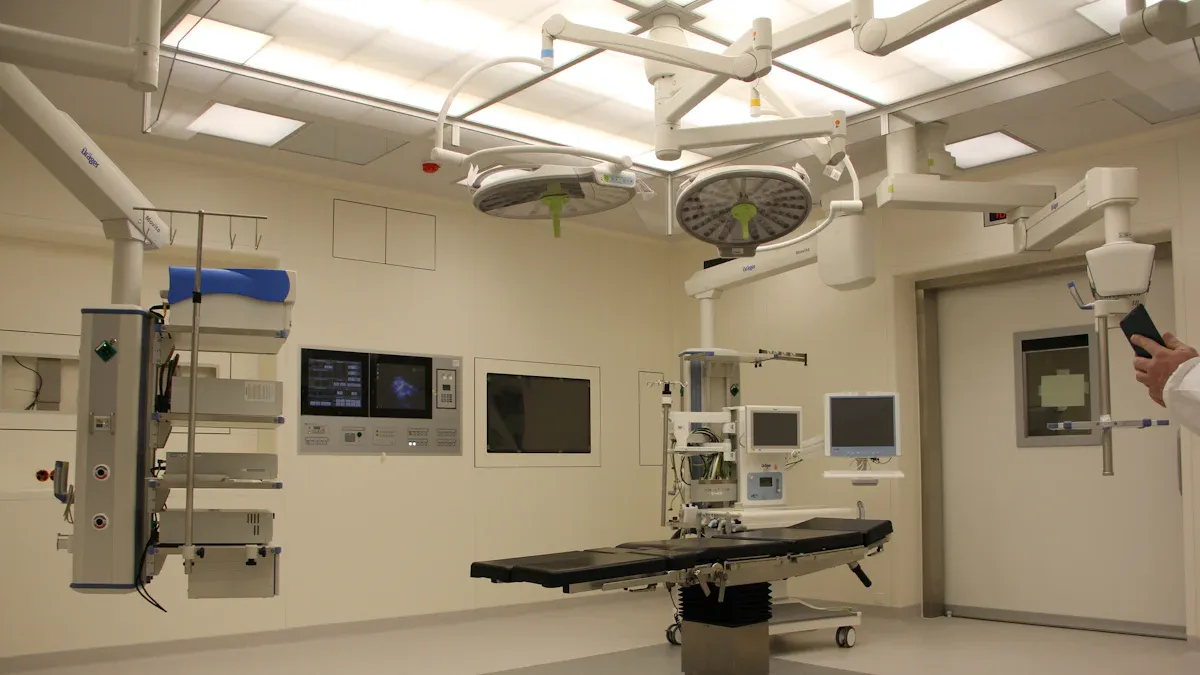
Lithium batteries power a wide range of critical medical devices in operating rooms, emergency care, and remote healthcare settings. You rely on rechargeable battery packs for:
Portable diagnostic devices
Electrosurgical units
Video display monitors
Suction devices
Emergency response monitors
Telemedicine devices
Wearable health monitors
Blood glucose meters
Pulse oximeters
These devices deliver reliable, long-lasting power, fast charging, and consistent output. Lithium battery technology ensures uninterrupted patient care and supports efficiency in critical medical applications.
Lithium batteries have transformed portable medical device performance by delivering higher energy density, longer life, and reliable power. You benefit from devices that support patient mobility and continuous care. As you prioritize safety and compliance, ongoing innovation in battery technology will drive the next generation of medical device solutions.
FAQ
What makes lithium battery packs ideal for portable medical devices?
Lithium battery packs offer high energy density, long cycle life, and stable platform voltage. You improve device reliability and efficiency with healthcare battery solutions from Large Power.
How do healthcare battery solutions address safety concerns in medical environments?
You benefit from advanced protection circuits, thermal management, and strict compliance. Healthcare battery solutions from Large Power meet IEC 60601-1 and IEC 62133 standards for medical safety.
Where can you get custom healthcare battery solutions for unique medical device requirements?
You can request custom healthcare battery solutions from Large Power. Contact Large Power for tailored lithium battery packs for your medical applications.
What lithium battery chemistries are available for healthcare battery solutions?
You access lithium-ion and lithium-polymer chemistries. Healthcare battery solutions deliver platform voltage of 3.6V, energy density up to 250 Wh/kg, and cycle life exceeding 500 cycles.
How do healthcare battery solutions support remote and emergency medical care?
Healthcare battery solutions provide reliable power for portable monitors, ventilators, and telemedicine devices. You ensure uninterrupted therapy and patient safety in critical healthcare environments.
Can healthcare battery solutions be sterilized for use in surgical settings?
You select healthcare battery solutions designed for sterilization. Large Power offers lithium battery packs that withstand autoclave temperatures and gamma sterilization, supporting surgical device safety.
Why should you choose Large Power for healthcare battery solutions?
Large Power delivers certified healthcare battery solutions with proven reliability, safety, and customization. You optimize device performance and compliance for your medical applications.


