

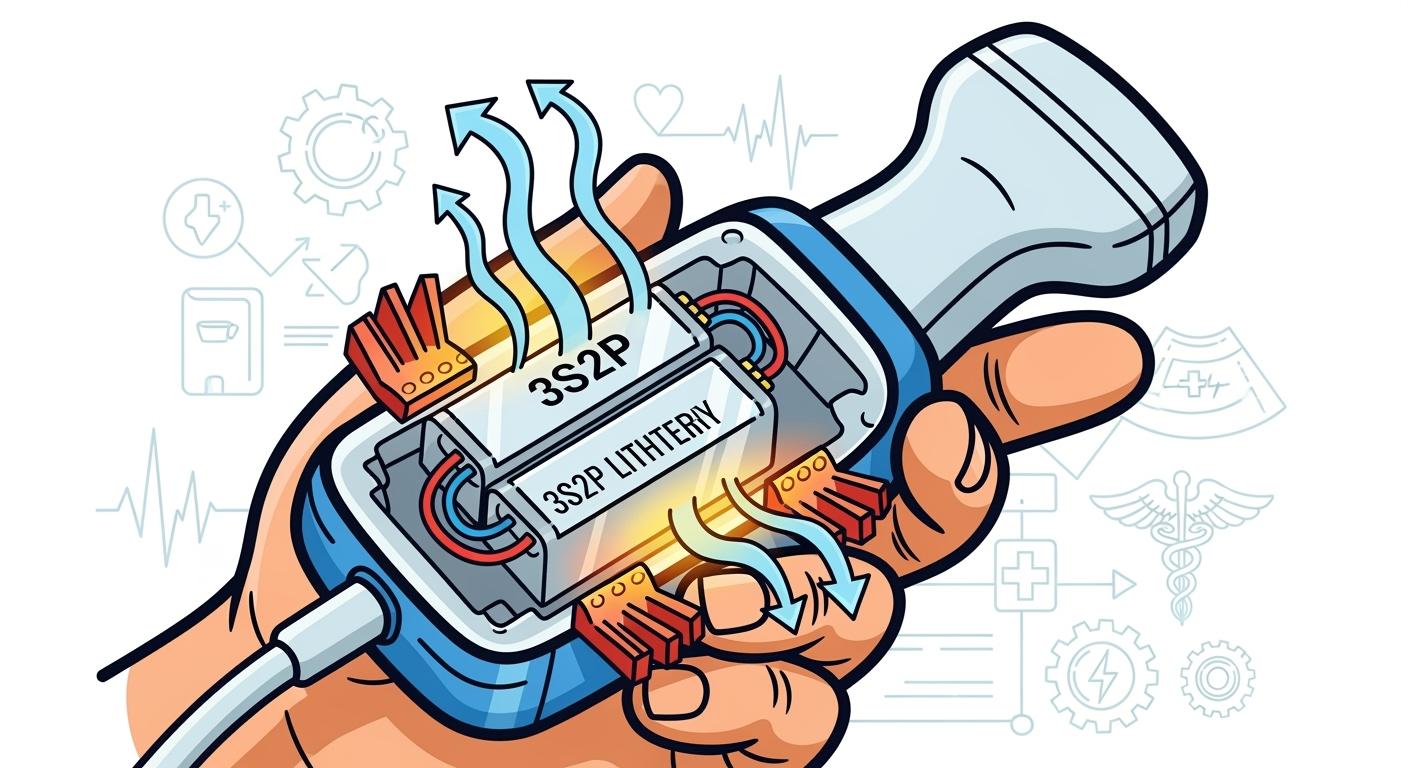
Thermal management in a compact 3S2P Lithium Battery Pack for handheld ultrasound probes demands your attention. In medical applications, you must prioritize:
High energy density, which requires strict safety standards
High-quality cell selection and robust encapsulation
Safety circuits and reliable BMS for efficient heat dissipation
Key Takeaways
Prioritize safety by implementing a reliable Battery Management System (BMS) to monitor temperature and prevent overheating in lithium battery packs.
Select advanced materials like phase change materials (PCMs) and graphene composites to enhance heat dissipation without increasing device size.
Balance device performance with battery life by choosing low-power components and efficient wireless protocols to optimize energy consumption.
Part1: Thermal Challenges in Lithium Battery Pack Design
1.1 Heat Sources in 3S2P Configuration
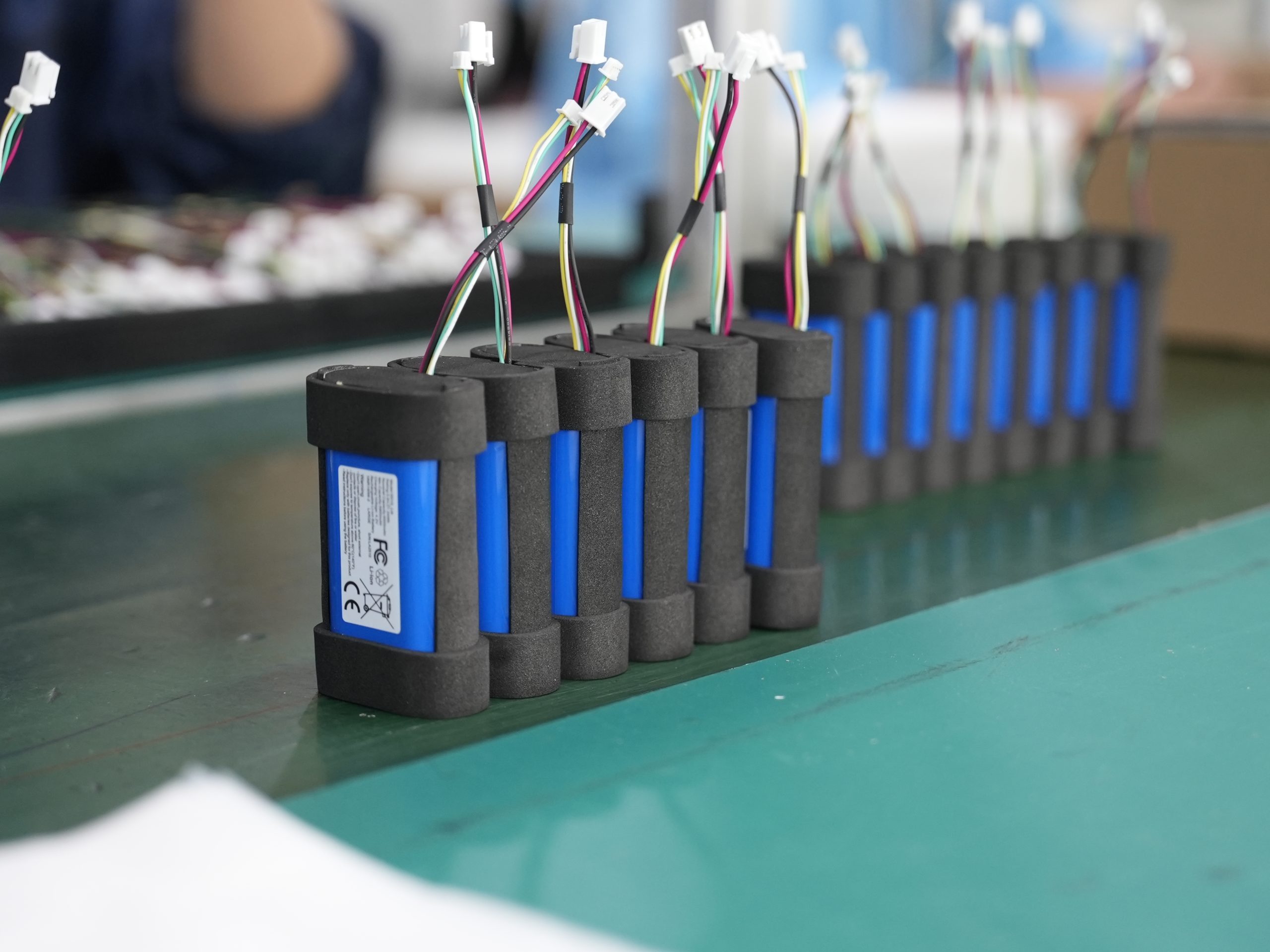
You face several heat sources when designing a 3S2P Lithium Battery Pack for handheld ultrasound probes. The cell arrangement increases energy density, which leads to higher internal resistance and heat generation during charge and discharge cycles. Each cell in the pack contributes to the overall thermal load, especially when you operate the device at high power. The compact structure limits airflow, making heat buildup a critical concern. You must monitor the temperature closely, as the recommended maximum operating temperature for lithium battery packs in handheld ultrasound probes is 40°C. Exceeding this threshold can compromise performance and safety.
1.2 Risks of Overheating in Compact Medical Devices
Overheating poses significant risks in medical devices powered by lithium battery packs. You must address these risks to ensure patient safety and device reliability. The table below outlines the documented risks associated with overheating:
Risk Type | Description |
|---|---|
Overcharging and overheating | Overcharging a lithium-ion battery beyond its designed capacity can lead to overheating. |
Thermal runaway | This is the chain reaction of uncontrolled heating that can lead to fire or explosion. |
Chemical exposure | Firefighters should be cautious of potential chemical exposure during firefighting operations. |
Toxic Gas Release | Lithium batteries release toxic gases during failures, posing serious health threats. |
You need to implement robust safety mechanisms, such as a reliable BMS, to monitor temperature and prevent hazardous conditions.
1.3 Space Constraints and Impact on Thermal Management
Space constraints challenge your ability to manage heat effectively in compact medical devices. You must select thermal interface materials that maximize heat transfer without adding bulk. Thermal adhesives like Honeywell TA3000 bond battery cells directly below cooling plates, enhancing heat dissipation and providing structural support. Thermal potting materials encapsulate individual cells, improving conductivity and mechanical protection. You can also consider innovative solutions:
Layered heater technologies offer thin, efficient temperature control.
Integrated temperature sensing places sensors close to heating elements for accurate monitoring.
Vapor chambers, less than 1 mm thick, spread heat rapidly and fit into tight spaces.
Thermal vias transfer heat from hot components to other layers, reducing operating temperatures.
High-efficiency, ultra-thin heaters maintain performance in small devices.
By leveraging these strategies, you maintain the safety and reliability of your lithium battery pack while meeting the demands of compact medical device design.
Part2: Thermal Solutions and Integration for Handheld Probes
2.1 Material Choices for Heat Dissipation
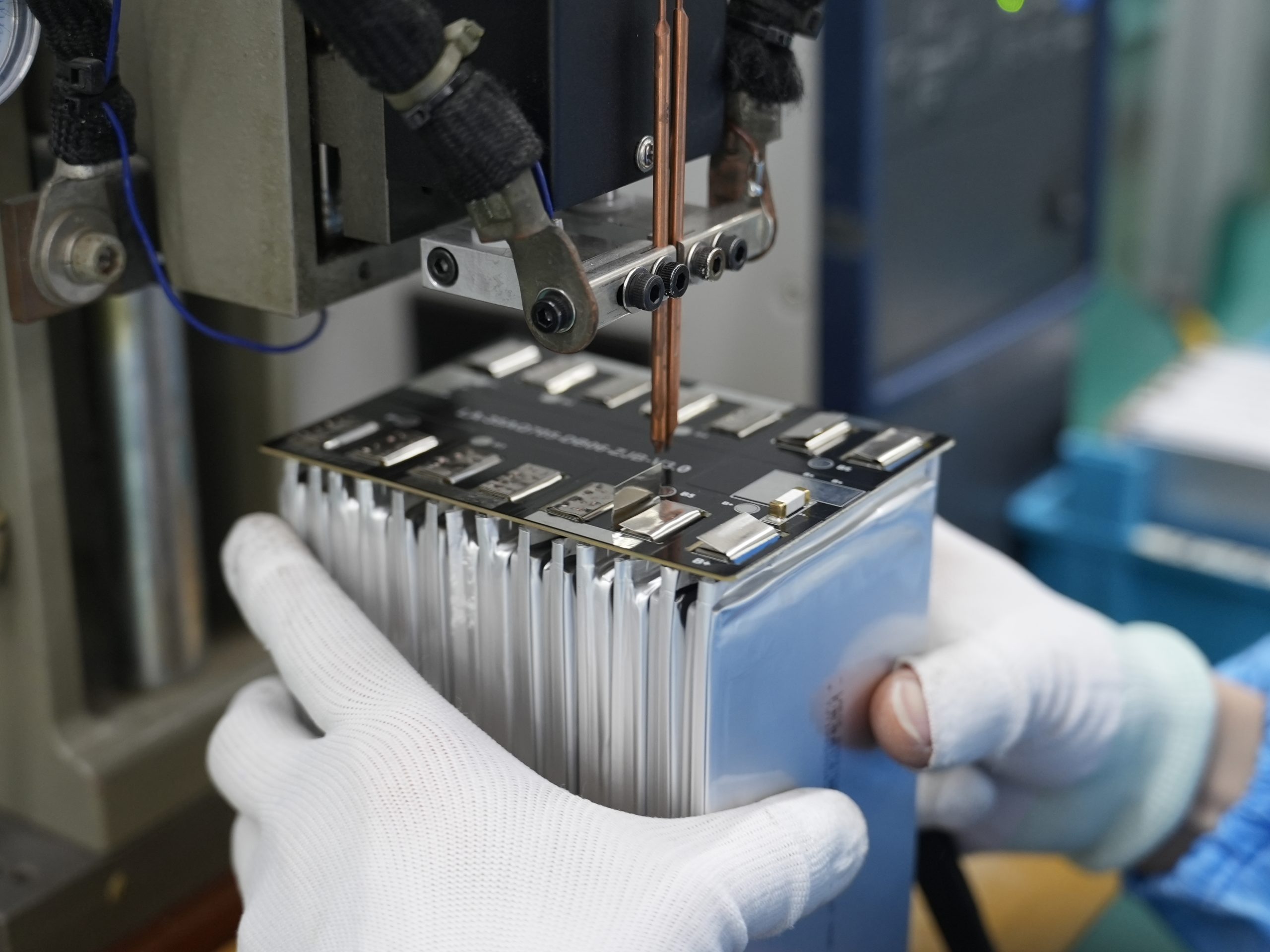
You must select advanced materials to optimize heat dissipation in a compact Lithium Battery Pack for handheld ultrasound probes. Phase change materials (PCMs) absorb excess heat and maintain battery temperature within safe operating ranges. When you combine PCMs with fillers such as expanded graphite or metal foam, you achieve higher thermal conductivity and more efficient heat transfer. Graphene composite PCMs, with only 1% graphene added to paraffin, can increase thermal conductivity by up to 60 times. Copper mesh embedded in PCM composites prevents leakage and improves temperature uniformity. These innovations allow you to manage heat without increasing the size or weight of your device.
Advancement | Description |
|---|---|
Phase Change Materials (PCMs) | Absorb heat and stabilize battery temperature |
Graphene Composite PCMs | Boost thermal conductivity for rapid heat dissipation |
Copper Mesh in PCMs | Prevent leakage and enhance temperature uniformity |
Expanded Graphite Fillers | Improve heat transfer efficiency |
Tip: Use nanomaterial-enhanced PCMs to maximize heat dissipation in tight spaces.
2.2 Passive and Active Cooling in Compact Structures
You can choose between passive and active cooling methods to manage heat in a Lithium Battery Pack. Passive cooling techniques, such as heat pipes and vapor chambers, transport and spread heat efficiently without moving parts. These solutions offer reliability and simplicity, which are critical in medical devices.
Heat pipes move thermal energy from hot components to heat sinks.
Vapor chambers distribute heat evenly across their surface, maintaining a uniform temperature.
Active cooling systems, including micro fans or thermoelectric coolers, deliver higher heat dissipation but require more complex integration. They reduce thermal resistance by up to 80% compared to passive methods of similar size and occupy less volume.
Cooling Method | Typical Thermal Resistance | Heat Dissipation Capacity | Space Efficiency |
|---|---|---|---|
Passive Cooling | 1.5-8°C/W | Low-Medium | Low |
Active Cooling | 0.2-1.5°C/W | Medium-High | High |
Active cooling can achieve equivalent performance in a space 3-5 times smaller than passive systems. However, you must consider reliability. Passive systems have no moving parts, making them ideal for mission-critical medical applications. Active systems offer superior cooling but introduce mechanical components that may fail over time.
2.3 Integrating BMS for Safety and Reliability
You need a robust Battery Management System (BMS) to ensure the safety and reliability of your Lithium Battery Pack. The BMS monitors temperature, voltage, and current in real time, keeping each cell within safe operating limits. Advanced BMS features include:
Precise battery gauging for accurate capacity measurement
Active cell balancing to optimize performance
Built-in protection circuits to prevent overcurrent and short circuits
Intelligent firmware for system control
Temperature-based charging restrictions to extend battery life
Monitoring state of charge (SOC) and state of health (SOH) for each cell
Comprehensive fault protection to detect hazardous conditions
3D temperature monitoring networks to regulate charging and discharging
Note: A reliable BMS protects against overheating, overcharging, and other risks, ensuring uninterrupted operation in medical environments.
2.4 Balancing Performance and Battery Life
You must balance high device performance with extended battery life in compact medical devices. Power efficiency drives your design decisions. Selecting low-power components and efficient wireless protocols, such as Bluetooth Low Energy (BLE), helps you minimize energy consumption. You should evaluate whether to process data in real time or offload it to the cloud, as this impacts power usage. Hierarchical sensing strategies allow you to manage power consumption by activating sensors only when needed.
Balance battery life with device functionality
Choose low-power components to extend operating time
Select efficient wireless protocols for reduced energy use
Consider data processing strategies to optimize power
Use hierarchical sensing to limit unnecessary power draw
You must weigh these trade-offs to maintain optimal performance without increasing the size or weight of your Lithium Battery Pack. This approach ensures your handheld ultrasound probe remains reliable and safe for medical professionals.
You should prioritize these strategies for thermal management in 3S2P lithium battery packs for handheld ultrasound probes:
Use advanced materials and hybrid systems to enhance safety and heat control without increasing size.
Meet FDA, IEC, and UL standards for medical device compliance.
Focus on innovative engineering to ensure reliable, compact medical devices.
FAQ
What makes 3S2P lithium battery packs suitable for handheld medical devices?
You benefit from high energy density and compact size. These packs support reliable operation in medical, robotics, and industrial applications.
How does Large Power support custom lithium battery solutions for B2B clients?
You can request a custom battery consultation with Large Power. Their engineers design battery packs for medical, security, and infrastructure sectors.
What safety features should you prioritize in compact lithium battery packs?
You should select advanced BMS, thermal management materials, and robust cell encapsulation. These features protect against overheating and extend battery life.


