

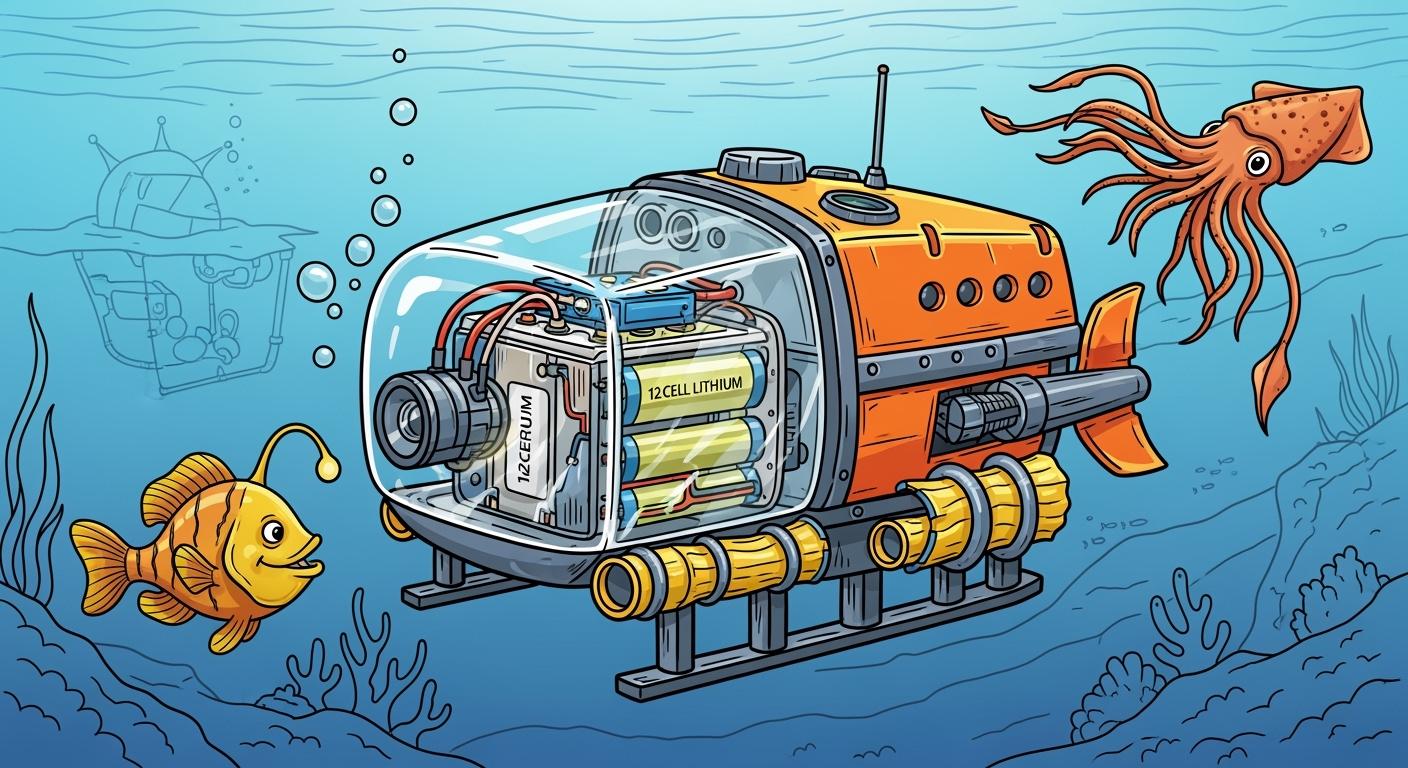
You face unique challenges when powering deep-sea ROVs. Extreme pressure can damage standard lithium battery packs, causing reduced performance and safety risks. The Pressure-Compensated 12S Lithium Battery offers a solution by maintaining stable operation at depth. Pressure compensation protects cells, improves energy density, and increases operational reliability. This technology helps you set new standards in underwater exploration.
Reliable energy storage enables longer missions and safer operations for your ROV fleet.
Key Takeaways
Pressure-compensated batteries protect against deep-sea pressure, ensuring reliable performance and safety for ROVs.
Using NMC cells in a 12S configuration provides high energy density, allowing ROVs to operate longer without frequent recharges.
The pressure compensation mechanism prevents battery damage, reducing the risk of leaks and thermal runaway during deep dives.
Integrating these batteries into existing ROV systems is easy, enhancing reliability without major redesigns.
Regular monitoring of battery health through a management system helps extend battery life and reduce maintenance costs.
Part1: Deep-Sea ROV Power Challenges
1.1 Hydrostatic Pressure Effects
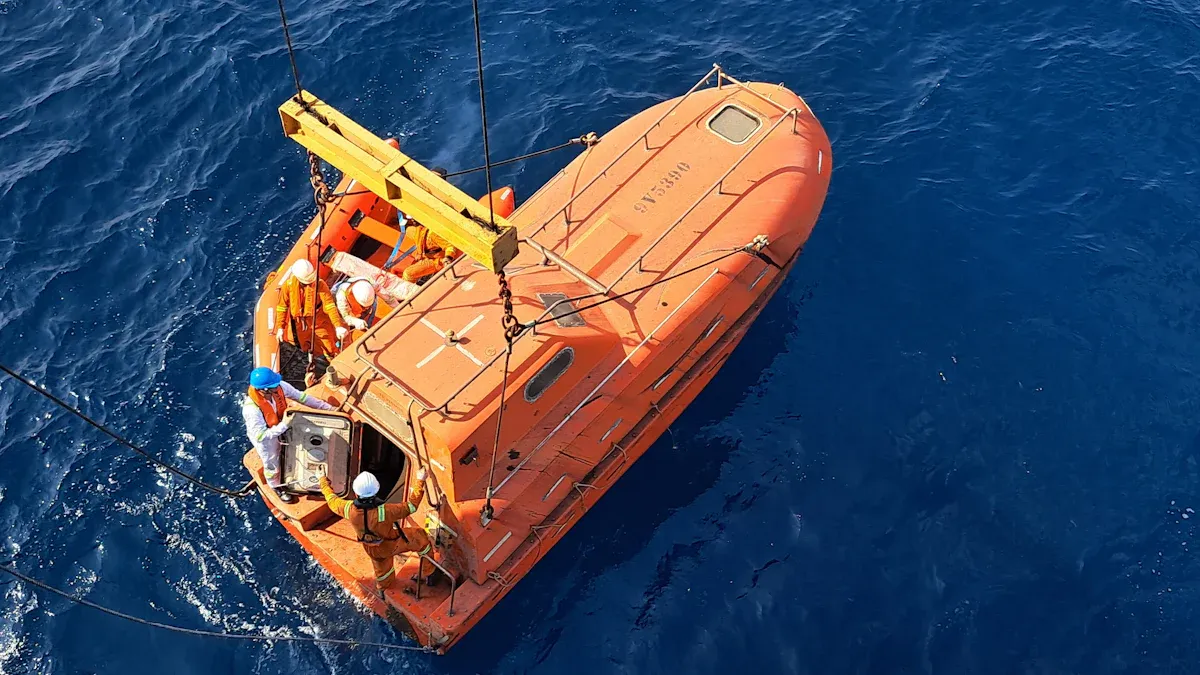
When you send an ROV into the deep ocean, you face hydrostatic pressure that increases with depth. This pressure can crush equipment and force seawater into electrical systems. You must keep high-pressure seawater out of sensitive electronics to avoid short circuits and failures. Even connectors can fail if they are not designed for these conditions.
ROVs often use acoustic beacons for navigation and robust manipulators for tasks, but these systems depend on reliable power.
Color video and sonar help you see underwater, but both need steady electricity.
Technical issues like tangled umbilical cables or power supply failures can stop a mission.
A reliable battery system, such as the Pressure-Compensated 12S Lithium Battery, helps you overcome these challenges. This technology keeps your ROV running even when external pressure is extreme.
1.2 Conventional Battery Limitations
Standard lithium-ion batteries struggle in deep-sea environments. You may see these problems:
Pressure susceptibility: Batteries can fail or even explode under high pressure.
Thermal runaway: Excessive heat can cause fires or explosions, especially without proper cooling.
Limited energy supply: Most ROVs can only operate for a few hours or days on one charge.
Emergency power needs: If the main power fails, you need a backup to recover the ROV and protect your data.
A large-format LiFePO4 battery stack can increase reliability, but you still need a system that handles pressure. The Pressure-Compensated 12S Lithium Battery addresses these issues by protecting cells and stabilizing performance at depth. This solution extends mission time and reduces the risk of catastrophic failure.
Tip: Choosing the right battery architecture is key to safe and efficient deep-sea exploration.
Part2: Pressure-Compensated 12S Lithium Battery Architecture
2.1 12S Lithium Cell Design
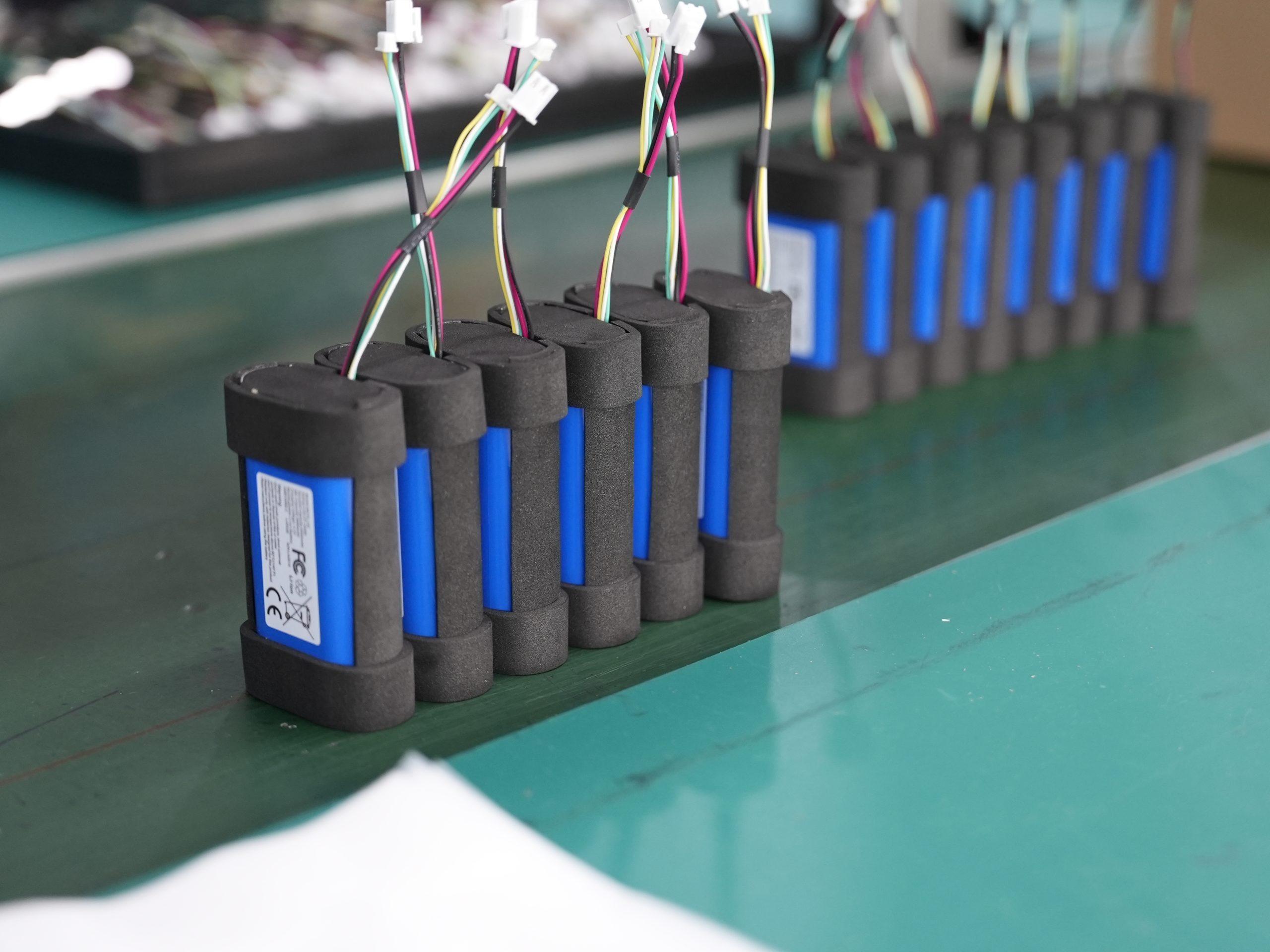
You need a battery system that delivers both high voltage and reliable performance at depth. The 12S configuration means you connect twelve lithium cells in series. This setup gives you a nominal platform voltage of 43.2V when using NMC (Nickel Manganese Cobalt Oxide) cells, which are common in deep-sea ROVs. NMC cells offer high energy density, typically around 180–220 Wh/kg, and a cycle life of 1000–2000 cycles. This makes them suitable for long missions and frequent deployments. You can also find other chemistries like LiFePO4, but NMC remains popular for its balance of energy and weight.
2.2 Pressure Compensation Mechanism
Deep-sea pressure can crush standard battery packs. The pressure-compensated design uses a special enclosure or fluid to equalize internal and external pressure. This prevents mechanical stress on the cells and circuit boards. You avoid swelling, leaks, and cell deformation. Pressure compensation also stabilizes discharge rates and helps the battery retain capacity over time. You get more consistent power delivery, even during long dives.
Note: Pressure compensation reduces the risk of mechanical conflicts and extends the lifespan of your battery system.
2.3 Integration in ROV Systems
You can integrate a Pressure-Compensated 12S Lithium Battery into your ROV with minimal changes to your existing power system. Most designs use NMC cells arranged in 8 series and 9 parallel groups, managed by a battery management system (BMS). The BMS monitors cell voltage, temperature, and current to ensure safe operation. Each cell and circuit board component undergoes pressure testing to confirm reliability at depth. This approach allows you to upgrade your ROV’s power supply without major redesigns.
Chemistry | Platform Voltage | Energy Density (Wh/kg) | Cycle Life (cycles) |
|---|---|---|---|
NMC | 43.2V | 180–220 | 1000–2000 |
LiFePO4 | 38.4V | 90–140 | 2000–4000 |
Tip: Always verify that your battery and BMS can withstand the pressures expected in your mission profile.
Part3: Benefits for ROVs
3.1 Reliability Under Pressure
You need your ROV to perform consistently in the harshest underwater environments. The Pressure-Compensated 12S Lithium Battery maintains structural integrity at depth, so you avoid cell deformation and electrical failures. Pressure compensation equalizes forces inside and outside the battery pack, which prevents leaks and swelling. You can trust your power supply to deliver stable voltage, even when your ROV operates thousands of meters below the surface. This reliability supports critical missions in medical robotics, industrial inspection, and security systems, where downtime is not an option.
Reliable batteries keep your ROV operational during long dives and emergency recoveries.
3.2 Enhanced Energy Density & Runtime
You want your ROV to stay underwater longer and complete more tasks per deployment. The 12S lithium configuration, especially with NMC cells, provides high energy density—up to 220 Wh/kg. This means your ROV can run for extended periods without frequent recharging. You benefit from longer mission times and increased productivity. The pressure-compensated design helps retain battery capacity over many cycles, so you see less performance drop-off over time. This advantage is crucial for infrastructure inspections, underwater mapping, and consumer electronics testing.
NMC: 43.2V platform voltage, 180–220 Wh/kg, 1000–2000 cycles
LiFePO4: 38.4V platform voltage, 90–140 Wh/kg, 2000–4000 cycles
Chemistry | Platform Voltage | Energy Density (Wh/kg) | Cycle Life (cycles) |
|---|---|---|---|
NMC | 43.2V | 180–220 | 1000–2000 |
LiFePO4 | 38.4V | 90–140 | 2000–4000 |
LCO | 44.4V | 150–200 | 500–1000 |
LMO | 44.4V | 100–150 | 300–700 |
3.3 Safety Improvements
You face serious safety risks when operating batteries at depth. The pressure-compensated structure protects your battery from hydrostatic pressure, so you do not need heavy pressure vessels. Dimethyl silicone oil acts as a pressure transfer medium, which helps manage heat and keeps the battery pack surface temperature lower. You reduce the chance of thermal runaway, fires, or explosions. The following table summarizes key safety improvements:
Aspect | Description |
|---|---|
Structural Integrity | Pressure compensation allows the battery to withstand high hydrostatic pressures without heavy vessels. |
Thermal Management | Dimethyl silicone oil reduces surface temperature and improves heat dissipation. |
Weight Reduction | Design saves at least 18.3% of structural component weight, enhancing buoyancy and safety. |
Tip: Pressure compensation not only protects your battery but also improves overall ROV safety.
3.4 Weight Reduction & Buoyancy Optimization
You want your ROV to be as light as possible for better maneuverability and energy efficiency. Pressure-compensated batteries eliminate the need for bulky pressure vessels, which saves weight. You can achieve at least 18.3% weight reduction in structural components. This improvement helps you optimize buoyancy, so your ROV can carry more sensors or payloads. You see better performance in robotics, medical devices, and industrial applications where precise movement matters.
Lighter batteries mean easier deployment and retrieval.
Improved buoyancy lets you design more compact and agile ROVs.
3.5 Maintenance & Lifecycle
You need a battery system that lasts through many missions with minimal maintenance. The Pressure-Compensated 12S Lithium Battery resists mechanical stress and thermal damage, so you see fewer failures and longer service intervals. The battery management system (BMS) monitors cell health, voltage, and temperature, which helps you plan maintenance and avoid unexpected downtime. You benefit from a longer lifecycle, lower replacement costs, and more predictable operations. This reliability is essential for industrial, infrastructure, and security applications.
Regular monitoring and pressure compensation extend battery life and reduce total cost of ownership.
Part4: Real-World Impact & Implementation
4.1 Case Studies
You can see the benefits of pressure-compensated 12S lithium batteries in real-world ROV deployments. In the medical sector, underwater robots use these batteries to inspect submerged pipelines in hospital water systems. Robotics companies deploy ROVs with NMC-based packs for deep-sea exploration, collecting samples for pharmaceutical research. Security teams use pressure-compensated LiFePO4 batteries in ROVs to monitor underwater infrastructure at ports and dams. Industrial operators rely on these batteries for long-duration inspections of offshore oil rigs. Consumer electronics testing labs use ROVs powered by LCO batteries to evaluate waterproof devices at depth.
These examples show how pressure-compensated lithium battery packs support reliable, safe, and efficient operations across many industries.
4.2 Performance Metrics
You want to compare battery performance across different chemistries and applications. The table below summarizes key metrics for pressure-compensated 12S lithium battery packs:
Chemistry | Platform Voltage | Energy Density (Wh/kg) | Cycle Life (cycles) | Typical Application |
|---|---|---|---|---|
NMC | 43.2V | 180–220 | 1000–2000 | Robotics, Industrial |
LiFePO4 | 38.4V | 90–140 | 2000–4000 | Security, Infrastructure |
LCO | 44.4V | 150–200 | 500–1000 | Consumer Electronics |
LMO | 44.4V | 100–150 | 300–700 | Short-term Testing |
You can see that NMC offers high energy density and balanced cycle life, making it ideal for robotics and industrial ROVs. LiFePO4 provides longer cycle life for security and infrastructure monitoring. LCO and LMO serve specialized roles in consumer and testing scenarios.
4.3 System Selection Tips
When you select a pressure-compensated 12S lithium battery for your ROV, consider these factors:
Mission Depth: Choose a battery tested for your maximum operating depth.
Chemistry: Match the chemistry (NMC, LiFePO4, LCO, LMO) to your runtime and cycle life needs.
Energy Density: Higher energy density supports longer missions but may reduce cycle life.
Safety Features: Look for pressure compensation, BMS integration, and thermal management.
Maintenance: Select systems with easy monitoring and proven reliability.
Tip: Always verify that your battery supplier provides pressure test data and supports your specific application scenario.
You improve your ROV fleet’s reliability, safety, and efficiency by choosing pressure-compensated 12S lithium battery architecture. Advanced battery systems support longer missions and safer operations in medical, robotics, security, and industrial sectors. Market trends show rapid growth and new developments in pressure-compensated lithium batteries:
Market Trend | Details |
|---|---|
Projected Market Size | $12.8 billion by 2028 |
CAGR | 14.3% |
Key Drivers | Maritime automation, offshore energy, environmental regulations |
You also benefit from up to 40% lower lifetime costs and strong manufacturer support. Consider these solutions to set new standards for underwater exploration.
FAQ
What makes pressure-compensated 12S lithium batteries ideal for deep-sea ROVs?
You get stable performance at depth. Pressure compensation protects NMC, LiFePO4, LCO, and LMO cells from deformation and failure. This design supports long missions in robotics, industrial inspection, and security systems.
How does pressure compensation improve battery safety?
Pressure compensation prevents cell swelling and thermal runaway. You avoid fires and explosions. Dimethyl silicone oil helps manage heat. You operate your ROV safely in medical, infrastructure, and consumer electronics applications.
Which lithium chemistry should you choose for your ROV?
Select NMC for high energy density (180–220 Wh/kg, 43.2V, 1000–2000 cycles). Choose LiFePO4 for longer cycle life (90–140 Wh/kg, 38.4V, 2000–4000 cycles). Match chemistry to your mission’s runtime and maintenance needs.
Can you retrofit existing ROVs with pressure-compensated batteries?
Yes. You can integrate pressure-compensated 12S lithium packs with minimal changes. The battery management system (BMS) ensures safe operation. You upgrade your ROV’s power supply for better reliability and efficiency.
What maintenance do pressure-compensated batteries require?
You monitor cell voltage, temperature, and cycle count using the BMS. Pressure compensation reduces mechanical stress, so you see fewer failures. You schedule maintenance based on data, which lowers costs and extends battery life.


