

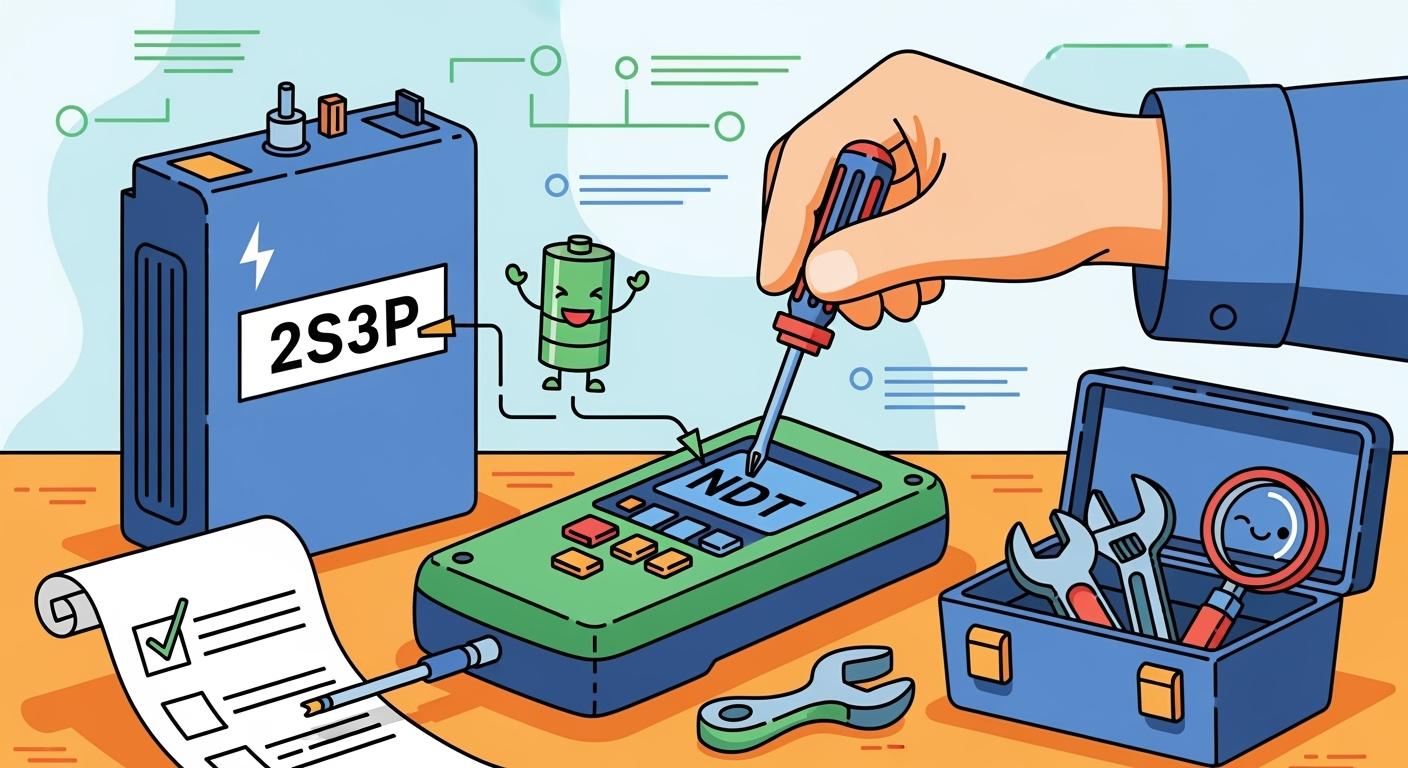
You depend on handheld NDT equipment to deliver accurate results in challenging environments. Reliable lithium battery packs, such as 2S3P configurations, play a crucial role in keeping your devices running during critical field operations. When you use advanced battery solutions, you reduce downtime and increase operational efficiency. Preventive Maintenance becomes more effective as you address battery reliability before issues disrupt your workflow. In sectors like medical, robotics, and security systems, strong battery performance supports continuous and safe operation.
Key Takeaways
2S3P lithium battery packs provide reliable power for handheld NDT equipment, enhancing operational efficiency and reducing downtime.
Regular monitoring of battery health is crucial. Check indicators to catch early signs of degradation and schedule timely replacements.
Choose certified batteries with built-in protection circuits to ensure safety and compliance in sensitive environments.
Implement a regular maintenance schedule for batteries, including inspections and logging activities for compliance and traceability.
Upgrading to 2S3P solutions can significantly boost uptime and safety across various industries, including medical and robotics.
Part1: 2S3P Battery Basics
1.1 Configuration Overview
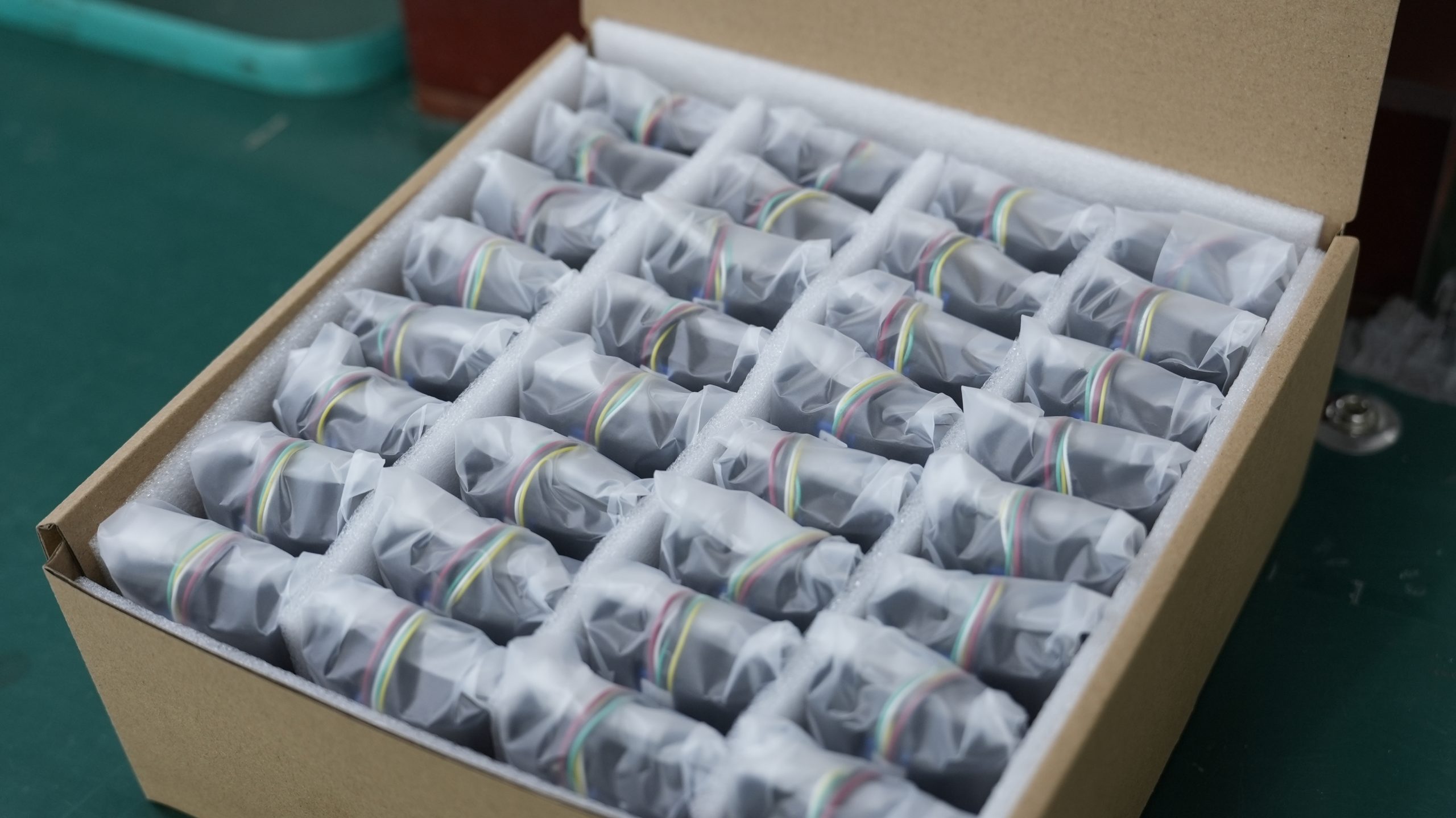
You encounter the 2S3P battery configuration often in handheld NDT equipment. This setup uses six lithium-ion cells arranged in two series and three parallel groups. The design balances voltage and capacity, which supports longer device operation and stable performance. You benefit from a nominal voltage of 7.4V and a minimum capacity of 7800mAh. Built-in protection circuits help prevent overcharge and ensure safe operation in demanding environments.
Tip: Choosing a battery with CE and RoHS certifications ensures compliance with industry standards and supports reliability in field applications.
Here is a summary of typical 2S3P battery specifications:
Specification | Details |
|---|---|
Model Number | INR 18650 7.4V 7800mAh |
Battery Type | Lithium-Ion (Li-Ion) |
Configuration | 2S3P (6 cells) |
Nominal Voltage | 7.4V |
Capacity | 7800mAh (min) |
Dimensions | 68mm(H) × 56.5mm(D) |
Weight | 286g |
Charge Current | 5A max |
Discharge Current | 5A continuous |
Overcharge Protection | 8.6V |
Cell Type | 18650 cylindrical |
Protection Circuit | Built-in PCB |
Wire Gauge | 20AWG |
Applications | RC toys, robotics, bike lights, cameras |
Certifications | CE, RoHS compliant |
You see that lithium-ion chemistry offers high energy density and stable discharge rates. This makes it ideal for NDT devices that require consistent power.
1.2 Application in Handheld NDT
You rely on handheld NDT equipment in sectors such as medical, robotics, security systems, and industrial infrastructure. The 2S3P battery solution supports these devices by delivering reliable power and extended runtime. You reduce interruptions during critical inspections and improve Preventive Maintenance routines. Built-in protection circuits and robust cell construction help you avoid safety risks and equipment failures.
You can compare lithium battery chemistries to understand performance differences:
Chemistry | Energy Density | Cycle Life | Safety Features | Typical Use Cases |
|---|---|---|---|---|
Li-Ion | High | 500-1000 | PCB, sensors | NDT, medical, robotics |
LiFePO4 | Medium | 2000+ | Thermal cutoff | Industrial, solar |
NiMH | Low | 500-800 | Basic | Consumer electronics |
You select lithium-ion packs for handheld NDT because they combine high capacity, safety, and compliance. This choice helps you maintain uptime and reliability in your operations.
Part2: Preventive Maintenance Benefits
2.1 Uptime Improvement
You know that equipment uptime is critical in industries like medical diagnostics, robotics, and security systems. When you use 2S3P lithium battery packs in your handheld NDT devices, you gain longer operational periods between charges. This means you can complete more inspections without stopping for battery changes. You reduce the risk of unexpected shutdowns, which can delay projects and increase costs.
A reliable battery solution helps you plan your Preventive Maintenance schedule more effectively. You can predict when batteries need replacement or recharging. This approach minimizes unplanned downtime and keeps your operations running smoothly.
Note: Consistent uptime supports higher productivity and better resource allocation in field operations.
2.2 Battery Life & Performance
You want your NDT equipment to deliver consistent performance over time. The 2S3P configuration provides balanced voltage and capacity, which extends the usable life of your lithium battery packs. You benefit from stable discharge rates, so your devices maintain accuracy during long inspection sessions.
You can compare battery performance across different chemistries using the table below:
Battery Type | Nominal Voltage | Typical Capacity | Cycle Life | Application Sectors |
|---|---|---|---|---|
Li-Ion 2S3P | 7.4V | 7800mAh | 500-1000 | Medical, Robotics, Security |
LiFePO4 | 6.4V | 6000mAh | 2000+ | Industrial, Infrastructure |
NiMH | 7.2V | 4000mAh | 500-800 | Consumer Electronics |
You see that lithium battery packs offer a strong balance of energy density and cycle life. This makes them ideal for Preventive Maintenance programs that require predictable battery replacement intervals. You can also use battery management systems (BMS) to monitor cell health and optimize charging cycles. Learn more about BMS solutions.
Tip: Regularly check battery health indicators to catch early signs of degradation and schedule timely replacements.
2.3 Safety & Reliability
You must prioritize safety when operating handheld NDT equipment, especially in sensitive environments like hospitals or industrial plants. The 2S3P lithium battery pack includes built-in protection circuits. These circuits guard against overcharging, short circuits, and overheating. You reduce the risk of equipment failure or safety incidents.
Continuous monitoring forms a key part of Preventive Maintenance. You can use smart monitoring tools to track battery temperature, voltage, and charge cycles. Early detection of anomalies allows you to act before problems escalate.
Key Safety Features of 2S3P Lithium Battery Packs:
Overcharge protection
Short circuit prevention
Thermal management
Compliance with CE and RoHS standards
You ensure reliable operation and protect both your equipment and personnel. This proactive approach supports sustainability goals by reducing waste and extending battery service life. For more on responsible sourcing and sustainability, see our guide to conflict minerals and battery sustainability.
Alert: Never ignore warning signs from your battery management system. Early intervention prevents costly downtime and safety hazards.
Part3: Implementation Guide
3.1 Battery Selection for NDT
You need to choose the right 2S3P lithium battery pack for your handheld NDT equipment. Start by checking the voltage and capacity requirements of your device. Most NDT tools in medical, robotics, and security systems need stable power for long periods. Look for batteries with built-in protection circuits and certifications like CE and RoHS. These features help you meet industry standards and ensure safety.
Selection Criteria | Recommendation |
|---|---|
Voltage | Match device specification |
Capacity | 7800mAh or higher |
Certification | CE, RoHS |
Protection Circuit | Required |
Cell Type | 18650 Lithium-Ion |
Tip: Always verify the supplier’s compliance with sustainability and conflict minerals policies. Learn more about responsible sourcing.
3.2 Integration Tips
You can integrate 2S3P battery packs into your NDT equipment by following a few best practices. Use connectors that match your device’s wiring and ensure a secure fit. Test the battery under real operating conditions before full deployment. If your equipment supports it, add a battery management system (BMS) for real-time monitoring. Explore BMS solutions.
Check polarity before connecting.
Secure the battery to prevent movement during use.
Use only manufacturer-approved chargers.
Note: Proper integration reduces the risk of electrical faults and extends battery service life.
3.3 Maintenance & Monitoring
You should set up a regular maintenance schedule for your lithium battery packs. Inspect batteries for physical damage, swelling, or corrosion. Use monitoring tools to track charge cycles, voltage, and temperature. Early detection of issues supports Preventive Maintenance and reduces downtime.
Train your staff to recognize warning signs.
Replace batteries at the end of their rated cycle life.
Log all maintenance activities for compliance and traceability.
Alert: Never ignore abnormal readings from your monitoring system. Quick action prevents equipment failure and safety risks.
Part4: Industry Cases

4.1 Success Stories
You can see the impact of 2S3P lithium battery packs in real-world applications across several industries. In the medical sector, a leading device manufacturer upgraded their portable ultrasound units with 2S3P battery solutions. This change allowed technicians to perform more scans per charge and reduced emergency battery swaps. In robotics, a security company equipped their mobile inspection robots with these battery packs. The robots operated longer on a single charge, which improved patrol coverage and reduced maintenance interruptions.
Industrial infrastructure teams also benefit. One company managing bridge inspections switched to handheld NDT devices powered by 2S3P lithium batteries. Their teams completed more inspections each day, and the batteries maintained stable output even in cold environments. You can find similar results in consumer electronics, where manufacturers use these packs to extend device life and reliability.
Note: Consistent battery performance leads to fewer unexpected failures and smoother preventive maintenance routines.
4.2 Lessons & Recommendations
You can learn several key lessons from these industry cases:
Select batteries that match your device’s voltage and capacity needs.
Train your staff to monitor battery health and recognize early warning signs.
Schedule regular battery checks as part of your preventive maintenance plan.
Use battery management systems to track charge cycles and temperature.
You should always prioritize certified lithium battery packs with built-in protection. This approach reduces safety risks and supports compliance with industry standards. In sectors like medical, robotics, and security systems, reliable power ensures uninterrupted service and protects sensitive equipment.
Tip: Review your current battery strategy. Upgrading to 2S3P lithium solutions can boost uptime, safety, and operational efficiency across your organization.
You gain direct benefits when you upgrade to 2S3P lithium battery packs for handheld NDT equipment. These batteries help you improve Preventive Maintenance routines by increasing uptime and reducing unexpected failures. You support continuous monitoring and proactive battery management. You should review your current maintenance program and consider switching to 2S3P solutions for greater reliability in medical, robotics, security systems, and industrial applications.
Assess your maintenance strategy.
Choose certified lithium battery packs.
Monitor battery health regularly.
Reliable power keeps your operations efficient and safe.
FAQ
What does 2S3P mean in lithium battery packs?
2S3P stands for two cells in series and three in parallel. You get higher voltage and increased capacity. This setup works well for handheld NDT equipment in industrial settings.
How often should you replace 2S3P lithium battery packs?
You should replace lithium battery packs after 500–1000 charge cycles or when you notice reduced performance. Regular monitoring helps you plan replacements before failures disrupt your operations.
Can you use 2S3P battery packs in harsh environments?
Yes, you can use 2S3P lithium battery packs in harsh environments. Built-in protection circuits help prevent damage from temperature changes, overcharging, or short circuits. This makes them suitable for fieldwork in security systems and infrastructure inspections.
What maintenance steps help extend battery life?
You should inspect batteries for damage, monitor charge cycles, and store them in a cool, dry place. Training your staff to recognize warning signs also helps you prevent unexpected failures.
Why choose lithium battery packs for handheld NDT equipment?
Lithium battery packs offer high energy density, stable voltage, and long cycle life. You benefit from reliable power in industrial applications, which supports continuous preventive maintenance and reduces downtime.


