

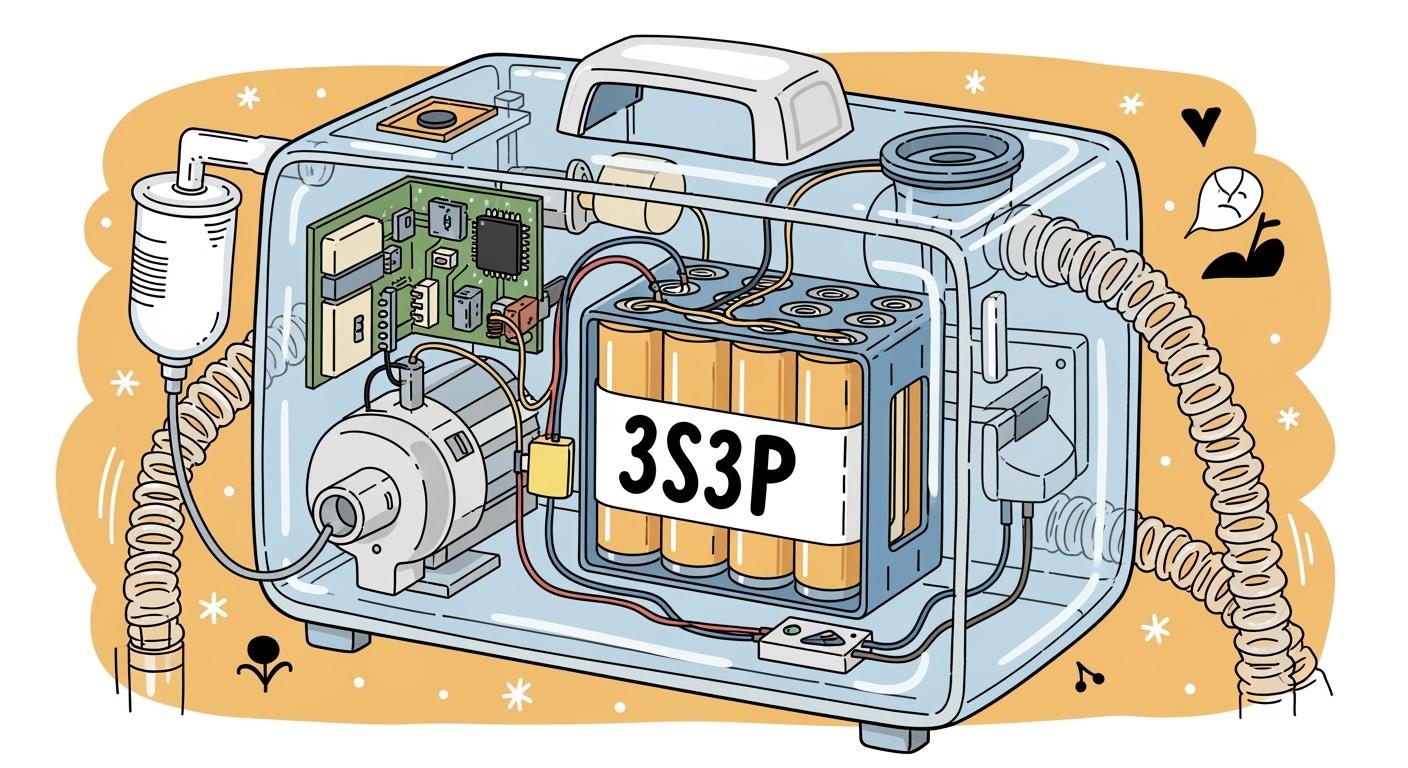
You rely on a lithium battery system to power emergency medical equipment, such as transport ventilators, where reliability can mean the difference between life and death. Battery failure during emergency transport can cause equipment malfunctions, increase fire risks, and compromise patient care. Regular maintenance and robust battery management systems help prevent these issues.
Key Takeaways
Prioritize high-quality lithium cells for reliable performance in medical equipment. Choose the right chemistry to enhance safety and efficiency.
Implement a robust Battery Management System (BMS) to monitor battery health and ensure uninterrupted power during emergencies.
Regularly test and validate battery performance to confirm reliability in critical care scenarios. Follow strict compliance with medical standards for safety.
Part1: Reliability Factors in Lithium Battery Systems
1.1 Cell Quality and Chemistry
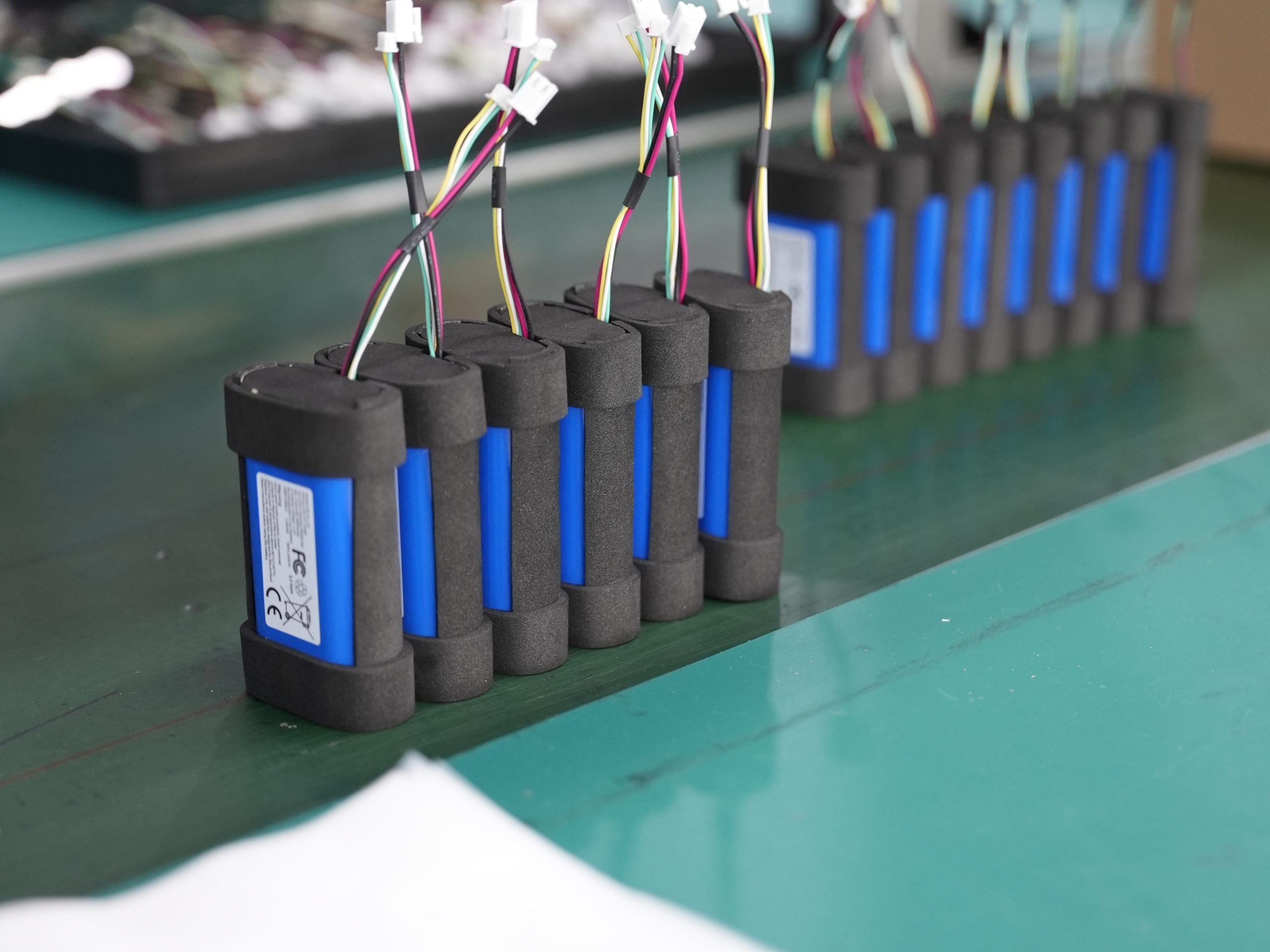
You must prioritize cell quality when selecting a lithium battery system for emergency medical equipment. High-quality cells deliver reliable performance, which is essential for backup emergency power in critical care. The chemistry of the cells determines how well the battery backup systems perform under stress and over time.
Note: Choosing the right cell chemistry impacts safety and reliability. For example, LiFePO4 (Lithium Iron Phosphate), NMC (Nickel Manganese Cobalt), LCO (Lithium Cobalt Oxide), LMO (Lithium Manganese Oxide), LTO (Lithium Titanate), and solid-state (Solid-State Battery) chemistries each offer unique advantages for lithium battery packs.
Here is a comparison of common chemistries used in lithium battery packs for emergency medical equipment, robotics, security, infrastructure, consumer electronics, and industrial applications:
Chemistry | Platform Voltage (V) | Energy Density (Wh/kg) | Cycle Life (cycles) |
|---|---|---|---|
LiFePO4 | 3.2 | 100–180 | 2000–5000 |
NMC | 3.6 | 160–270 | 1000–2000 |
LCO | 3.7 | 180–230 | 500–1000 |
LMO | 3.7 | 120–170 | 300–700 |
LTO | 2.4 | 60–90 | 10000–20000 |
Solid-State | 3.7 | 300–500 | 1000–2000 |
You benefit from higher energy density, which allows for smaller, lighter ventilator units. This feature enhances portability and usability during emergency protocols. A longer cycle life means you replace lithium battery packs less often, ensuring consistent backup emergency power. Superior safety and stability prevent hazards like thermal runaway, which is critical for safety and reliability in medical and industrial environments.
High-quality lithium battery systems also feature advanced battery management systems and comply with safety standards. These factors reduce the risk of overheating and overcharging, supporting continuous operation and reliable performance.
1.2 Series-Parallel Design
The series-parallel design of a 3S3P lithium battery system plays a key role in reliability for emergency medical equipment. In this configuration, you connect three cells in series to achieve the required voltage, then connect three of these series strings in parallel to increase total capacity. This design ensures stable power output and long runtime, which are vital for backup emergency power during emergency protocols.
You gain redundancy with this approach. If one cell fails, the system continues to operate, maintaining continuous operation for critical care. This redundancy is essential for battery backup systems in medical, security, and infrastructure applications.
Below is a table summarizing typical failure modes in series-parallel lithium battery packs:
Failure Mode | Series Configuration Impact | Parallel Configuration Impact |
|---|---|---|
High Resistance or Open Cell | Critical, reduces total current capacity | Less critical, still reduces total current capacity |
Electrical Short | Severe, can lead to fires due to energy drain | Severe, can lead to fires due to energy drain |
You must monitor for these failure modes to maintain safety and reliability. Proper design and regular maintenance help prevent issues that could interrupt backup emergency power or compromise reliable performance.
1.3 Energy Density and Runtime
You require high energy density and long runtime from lithium battery packs in emergency medical equipment. The 3S3P configuration offers an energy density of about 220Wh/kg, which supports extended operation during emergencies. This high energy density means you can rely on your battery backup systems for longer periods without frequent recharging.
Tip: Higher energy density translates to longer runtime and more reliable performance in critical situations.
Compared to other battery configurations, the 3S3P lithium battery system stands out for its ability to deliver continuous operation and backup emergency power. You ensure that your equipment meets safety standards and supports uninterrupted care during emergencies.
Long runtime reduces the risk of power loss during patient transport or emergency protocols. You can trust lithium battery packs with high energy density to provide the safety and reliability needed for medical, robotics, and industrial applications.
Part2: Safety and Protection in Emergency Use
2.1 Battery Management System (BMS)
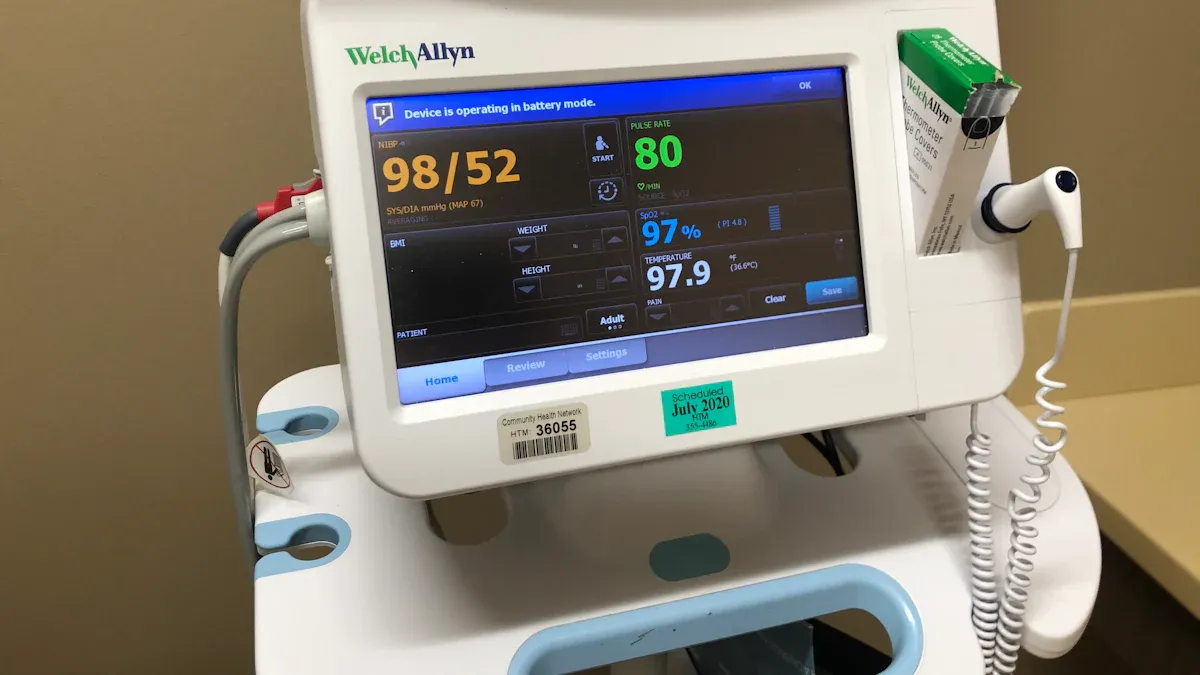
You depend on a robust Battery Management System (BMS) to maintain uninterrupted life support in portable ventilators. The BMS monitors each cell’s voltage, current, and temperature, ensuring patient safety during emergency use. It instantly switches to backup power protection if the main supply fails, providing reliable power for critical care equipment. This system prevents power supply failures, allowing you to deliver uninterrupted operation and continuous patient care. In critical applications, a dependable BMS supports medical staff by maintaining uninterrupted life support for every patient.
Key BMS features for portable ventilators:
Real-time monitoring of battery health
Immediate switchover to backup power protection
Continuous support for uninterrupted life support in emergency scenarios
2.2 Thermal and Overheat Protection
You must protect portable ventilators from overheating to ensure patient safety and medical equipment reliability. The BMS uses precise sensors and intelligent charging protocols to prevent thermal runaway. Advanced thermal management systems, such as anti-propagation barriers, contain heat and stop it from spreading to adjacent cells. These layers of safety are essential for uninterrupted life support in critical care equipment and portable ventilators.
Regular risk assessments and compliance with standards like NFPA 855 help you address new risks and maintain safety in emergency environments.
2.3 Physical Safeguards
Physical safeguards play a vital role in patient safety and the reliability of portable ventilators. You benefit from features such as temperature cutting-off protection, high-voltage interlock systems, and mechanical safety disconnects. Fuses protect against overloads and short circuits, ensuring uninterrupted life support for every patient in emergency and critical applications.
Mechanism | Description |
|---|---|
Temperature Cutting-Off Protection | Halts current flow when preset temperature is reached to protect patient safety |
High-Voltage Interlock System | Disconnects power if high-voltage connections are interrupted |
Mechanical Safety Disconnect | Allows manual circuit disconnection for maintenance |
Fuses | Prevent overloads and short circuits, supporting patient safety |
You ensure uninterrupted operation and reliable power for portable ventilators by implementing these safeguards. These measures support patient safety and uninterrupted life support in all critical applications.
Part3: Compliance and Testing for Critical Equipment
3.1 Medical Standards and Regulations
You must follow strict international standards when you design lithium battery packs for medical ventilators. These standards protect patients and ensure reliable operation in every environment, including infrastructure and industrial settings. The following standards apply to lithium battery systems in ventilators:
IEC 60601-1-2: Sets requirements for medical devices to prevent problems from electrostatic discharge and electrical disturbances.
IEC 60601-1-11: Focuses on overload safety protection for medical equipment.
IEC 62311-2: Applies to all portable products using batteries, including lithium battery packs.
You must meet these standards to ensure your equipment performs safely in hospitals, ambulances, and field clinics.
3.2 Performance Validation
You need to validate the performance of lithium battery packs before you use them in critical care. Testing includes cycle life, capacity retention, and response to extreme temperatures. You should use real-world scenarios from medical, robotics, and security applications to confirm reliability.
Tip: Run tests that simulate emergency use to make sure your battery backup systems deliver power when it matters most.
The table below shows common validation tests for lithium battery packs:
Test Type | Purpose | Application Scenario |
|---|---|---|
Cycle Life | Measures long-term durability | Medical, Industrial |
Capacity Retention | Checks energy storage ability | Security, Robotics |
Thermal Response | Assesses heat management | Infrastructure, Medical |
3.3 Certification Requirements
You must secure certifications before you deploy lithium battery packs in medical ventilators. Certification proves your system meets all safety and performance standards. Regulatory bodies require documentation for each step, from design to final testing. You should keep records of all test results and compliance checks.
Certification is critical for market approval and patient safety.
You gain trust from healthcare providers and regulatory agencies when you follow these steps. This process ensures your lithium battery packs support reliable operation in every critical care environment.
You maximize reliability in lithium battery systems by following these best practices:
Inspect and test batteries regularly.
Train staff on emergency procedures.
Choose suppliers with proven quality.
Maintain strict compliance and documentation.
Benefit | Description |
|---|---|
High Energy Density | Supports portable, long-lasting medical devices. |
Prioritize reliability in procurement and system management for critical care.
FAQ
What advantages does a 3S3P lithium battery system offer for medical ventilators?
You gain higher energy density, longer runtime, and redundancy. This configuration supports reliable operation in medical, robotics, and industrial applications.
How can you customize lithium battery packs for your specific equipment?
You can request a custom battery solution from Large Power for your unique requirements. Click for custom consultation and expert guidance.
Which battery chemistry should you choose for critical care equipment?
You should compare chemistries like LiFePO4 or NMC. The table below highlights key differences for medical and industrial use:
Chemistry | Energy Density (Wh/kg) | Cycle Life (cycles) | Safety Level |
|---|---|---|---|
LiFePO4 | 100–180 | 2000–5000 | High |
NMC | 160–270 | 1000–2000 | Medium |


