

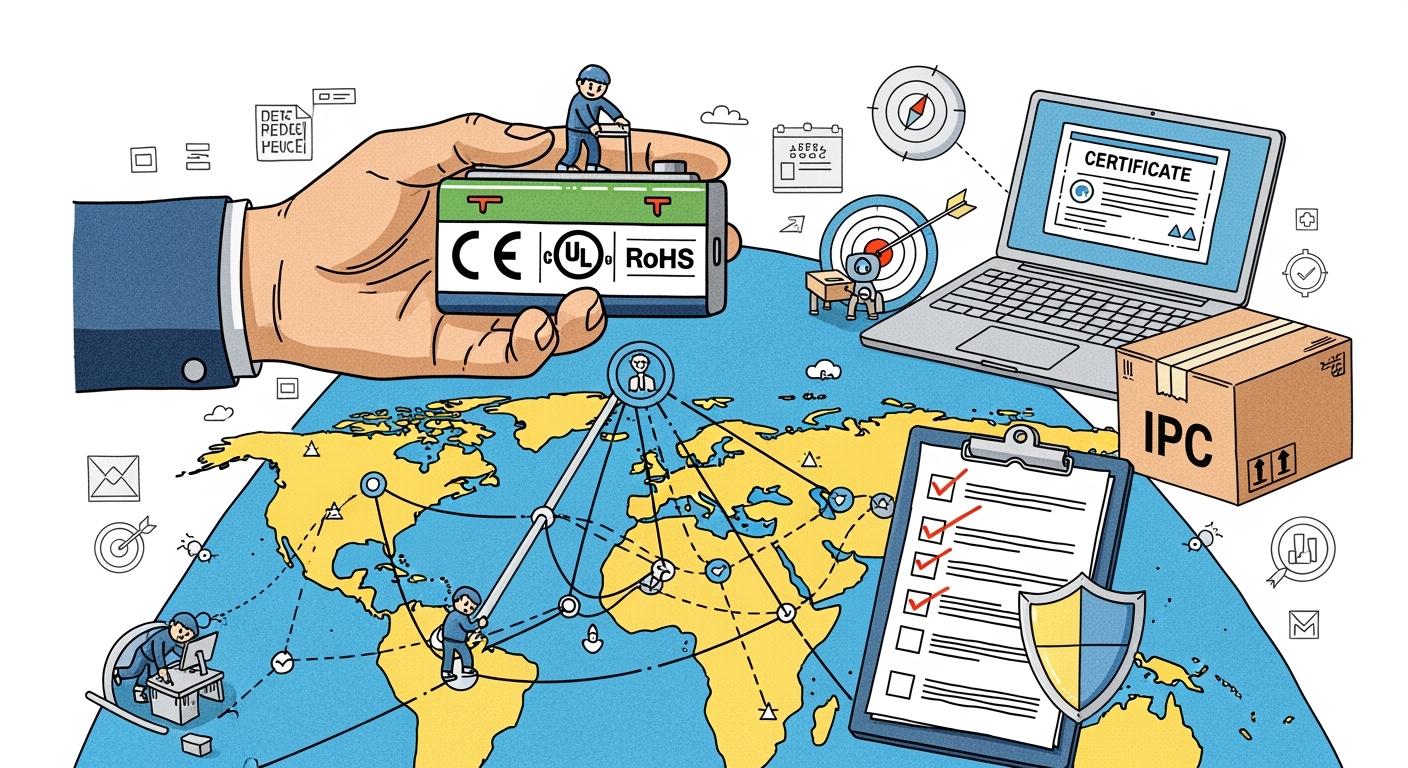
You face real challenges when shipping lithium battery IPC products worldwide. Safety First is not just a slogan—it is a requirement for your business. IEC 62133 ensures your batteries meet strict product safety standards, while UN 38.3 covers transport safety. Failing to comply with these certifications can lead to shipment delays, financial loss, or safety incidents. Meeting both standards protects your brand, your customers, and your global market access.
Key Takeaways
Safety standards like IEC 62133 and UN 38.3 are essential for shipping lithium batteries globally. They protect your business and customers from hazards.
Certification opens doors to international markets. It builds trust with partners and reduces risks like shipment delays and legal penalties.
Accurate documentation is crucial for certification success. Prepare technical files and safety data sheets to avoid delays in the review process.
Regular audits and compliance checks are necessary after certification. This ensures your products remain safe and market-ready.
Stay informed about regulatory changes. Strong supply chain coordination helps you adapt quickly and maintain compliance.
Part1: Safety First in Lithium Battery IPC Distribution
1.1 Why Safety Standards Matter
You operate in a world where lithium battery packs power medical devices, robotics, security systems, infrastructure, consumer electronics, and industrial equipment. Safety standards protect your business and your customers. These standards require rigorous testing for each battery chemistry, including LiFePO4, NMC, LCO, and LMO. You must follow protocols that prevent fires, explosions, and other hazards. For example, IEC 62133 applies to batteries in demanding sectors like medical devices and ensures they meet strict safety requirements. UN 38.3 sets rules for transporting batteries, making sure they pass tests before shipment.
Tip: Safety standards help you avoid costly recalls and protect your reputation in global markets.
The table below shows how safety standards reduce lithium battery-related accidents across industries:
Industry | Standard Applied | Accident Reduction Measures |
|---|---|---|
Medical | IEC 62133, IEC 60601 | Prevents overheating, ensures safe charging |
Robotics | IEC 62133 | Reduces risk of fire and explosion |
Security Cameras | IEC 62133, UN 38.3 | Ensures safe transport, avoids shipment hazards |
Infrastructure | UN 38.3, IEC 62133 | Minimizes risk during installation and transit |
Consumer Electronics | IEC 62133 | Prevents device malfunctions |
Industrial | UN 38.3, IEC 62133 | Protects workers and equipment |
1.2 Market Access and Risk Mitigation
You need certification to enter global markets. Safety First means you must comply with IEC 62133 and UN 38.3. Certification shows your lithium battery packs meet international standards. You gain access to new regions and industries. You also reduce risks such as shipment delays, legal penalties, and safety incidents.
Certification enables you to:
Ship products worldwide without regulatory barriers.
Build trust with partners and clients.
Lower insurance costs and avoid liability.
You must coordinate with your supply chain to maintain compliance. Regular audits and documentation updates keep your products safe and market-ready. You protect your business and ensure smooth distribution.
Part2: IEC 62133 vs UN 38.3 Overview
2.1 Product Use Safety: IEC 62133
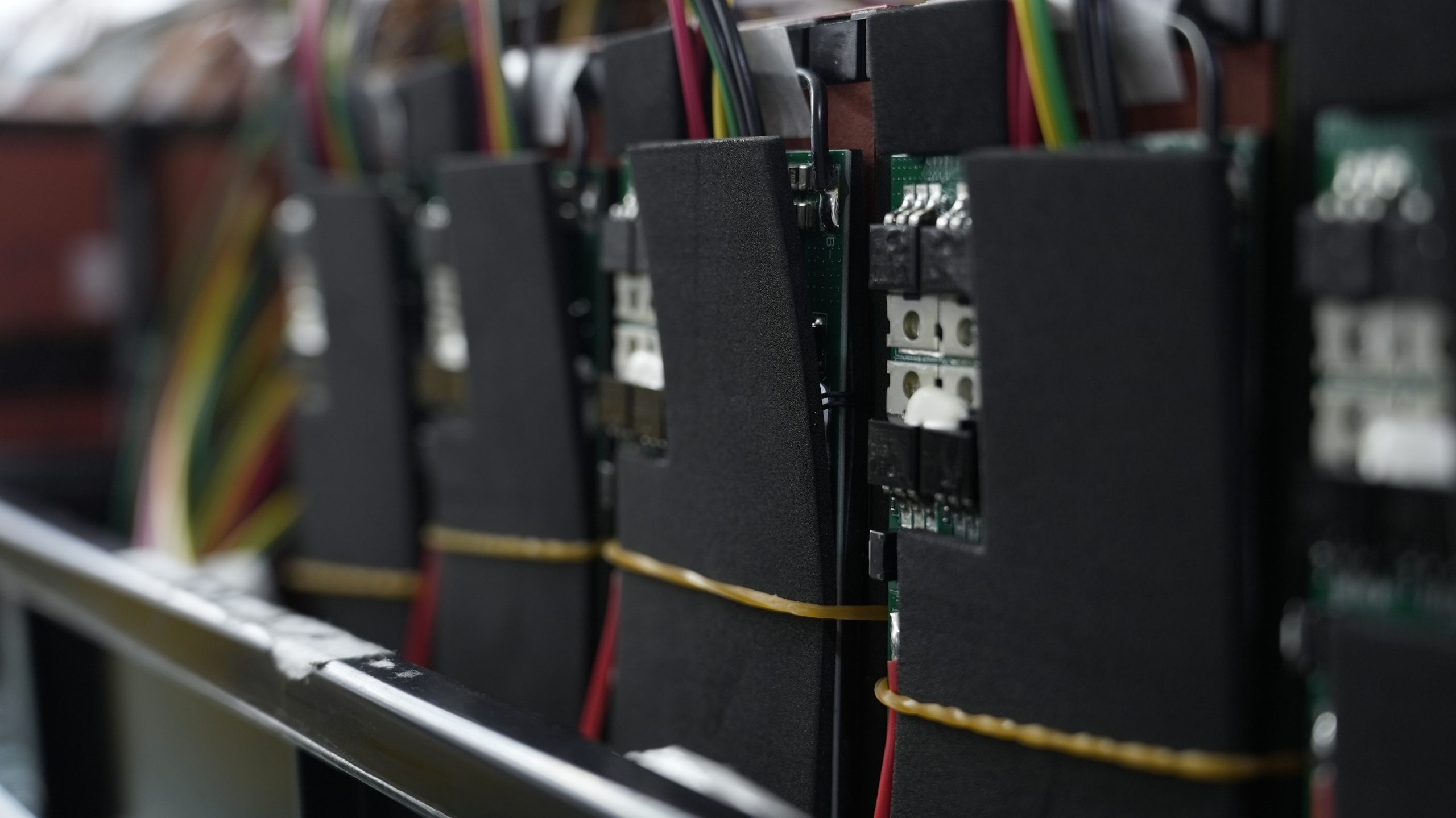
You need to understand that IEC 62133 focuses on the safety of lithium battery packs during their use in devices. This standard applies to batteries with chemistries like LiFePO4 (3.2V, 90-120 Wh/kg, 2000+ cycles), NMC (3.7V, 150-220 Wh/kg, 1000-2000 cycles), LCO (3.7V, 150-200 Wh/kg, 500-1000 cycles), and LMO (3.7V, 100-150 Wh/kg, 300-700 cycles). IEC 62133 requires you to test for electrical, mechanical, and environmental safety. You must ensure your batteries do not overheat, leak, or explode during normal operation. This standard is critical for products used in medical, industrial, and commercial applications.
Note: IEC 62133 certification demonstrates your commitment to product safety and reliability.
2.2 Transport Safety: UN 38.3
UN 38.3 addresses the safety of lithium battery packs during transportation. You must pass eight rigorous tests, including altitude simulation, thermal, vibration, shock, external short circuit, impact, overcharge, and forced discharge. These tests ensure your batteries can withstand the stresses of air, sea, and land transport. UN 38.3 applies to all lithium battery chemistries, including LiFePO4, NMC, LCO, and LMO. Without this certification, you cannot legally ship batteries internationally.
Tip: UN 38.3 certification helps you avoid shipment delays and regulatory penalties.
2.3 Key Differences and Complementarity
You should know that IEC 62133 and UN 38.3 serve different but complementary roles. The table below summarizes their main differences:
Aspect | IEC 62133 (Product Use) | UN 38.3 (Transport) |
|---|---|---|
Focus | Device safety | Transport safety |
Scope | Battery packs in end products | Batteries during shipment |
Required For | Market entry | International shipping |
Main Tests | Electrical, mechanical, abuse | 8 transport simulation tests |
Chemistries Covered | LiFePO4, NMC, LCO, LMO | LiFePO4, NMC, LCO, LMO |
You need both certifications for global distribution. Safety First means you protect users and ensure safe delivery. IEC 62133 keeps your products safe in use, while UN 38.3 keeps your shipments compliant and secure.
Part3: Certification Process Steps

3.1 Planning and Documentation
You start the certification journey by gathering the right documents. For both IEC 62133 and UN 38.3, you need to prepare technical files, product drawings, material lists, and safety data sheets. You must also provide detailed descriptions of your lithium battery packs, including chemistry (LiFePO4, NMC, LCO, LMO), cell configuration, and intended application. This information helps labs understand your product and design the correct test plan.
Tip: Accurate and complete documentation speeds up the review process and reduces the risk of delays.
Here is a summary of the main documents you need:
Document Type | Purpose |
|---|---|
Technical File | Describes battery design and specifications |
Product Drawings | Shows dimensions and assembly details |
Material List | Lists all components and materials |
Safety Data Sheet (SDS) | Details chemical and safety information |
Circuit Diagram | Explains battery protection and control systems |
Test Reports (if any) | Provides previous test results |
You should check each document for accuracy before submission. Missing or incorrect information can cause delays or test failures.
3.2 Testing and Audits
After you submit your documents, the testing phase begins. For IEC 62133, you send battery samples to an accredited lab. The lab performs electrical, mechanical, and environmental tests. These tests check for overheating, leakage, and explosion risks during normal use. The typical timeline for IEC 62133 testing is 4–6 weeks.
For UN 38.3, you must pass eight specific transport tests. These tests simulate real-world shipping conditions and ensure your batteries stay safe during air, sea, or land transport. The process usually takes 2–3 weeks.
The eight UN 38.3 tests include:
Altitude Simulation: Tests battery performance under low-pressure conditions.
Thermal Test: Checks stability during extreme temperature changes.
Vibration: Assesses resilience to transport vibrations.
Shock: Tests ability to withstand impact and acceleration.
External Short Circuit: Evaluates safety during short circuit events.
Impact/Crush: Assesses tolerance to mechanical stress.
Overcharge: Examines protection against overcharging.
Forced Discharge: Tests safety under forced discharge conditions.
The table below summarizes the UN 38.3 tests and their focus:
Test Number | Description |
|---|---|
T1 | Altitude simulation |
T2 | Thermal testing |
T3 | Vibration |
T4 | Shock |
T5 | External short circuit |
T6 | Impact and crush |
T7 | Overcharge effects |
T8 | Forced discharge |
You should monitor the testing process and respond quickly to lab questions. If a sample fails, you may need to adjust your design or documentation and repeat the test.
Note: You can complete both certifications in parallel to save time. Plan for at least 6–8 weeks from start to finish.
3.3 Post-Certification Compliance
Certification does not end with a test report. You must maintain compliance through regular audits, production checks, and document updates. You should train your team to follow certified processes and keep records of any design changes. If you update your lithium battery pack or change suppliers, you may need to retest or recertify.
Many regions require you to renew certifications every few years. You should track expiration dates and plan for recertification to avoid market disruptions.
Tip: Make Safety First a core part of your company culture. Ongoing compliance protects your business and keeps your products ready for global distribution.
Part4: Common Challenges and Solutions
4.1 Documentation and Testing Delays
You may face delays if your documentation is incomplete or inaccurate. Missing technical files, outdated safety data sheets, or unclear circuit diagrams can slow down the review process. Testing labs often request clarifications or additional information, which can add weeks to your timeline. You should double-check every document before submission. Create a checklist for technical files, product drawings, material lists, and safety data sheets. This approach helps you catch errors early and keeps your certification project on track.
Tip: Assign a dedicated team member to manage documentation and communicate with testing labs. This step reduces confusion and speeds up responses.
4.2 Supply Chain Coordination
Coordinating your supply chain is critical for smooth certification. Changes in regulations, such as the proposed classification of lithium salts as Category 1A, can disrupt your lithium value chain. These disruptions may affect your ability to certify and ship lithium battery IPC products. You need to monitor regulatory updates and work closely with suppliers to maintain compliance.
Supply chain coordination impacts certification in several ways:
Regulatory changes can delay investments and hinder battery development.
Instability in the supply chain may cause shortages or delays in battery components.
Careful planning ensures you meet certification standards and avoid shipment disruptions.
You should build strong relationships with suppliers and stay informed about regulatory trends. This strategy helps you respond quickly to changes and protect your business.
4.3 Best Practices for Success
You can overcome most certification challenges by following best practices:
Start with a clear project plan and timeline.
Keep all documentation organized and up to date.
Communicate regularly with testing labs and suppliers.
Monitor regulatory changes that may impact lithium battery chemistries like LiFePO4, NMC, LCO, and LMO.
Train your team on certification requirements and updates.
Remember, Safety First is not just about passing tests. It means building a culture of compliance and continuous improvement. This mindset keeps your lithium battery IPC products ready for global distribution.
Part5: Cost and Timeline Insights
5.1 Certification Costs
You need to budget for both direct and indirect costs when certifying lithium battery packs. Testing fees for IEC 62133 usually range from $8,000 to $15,000 per battery model, depending on chemistry and complexity. UN 38.3 testing typically costs $5,000 to $10,000 per battery type. These costs can increase if you need to retest after design changes. You should also consider expenses for documentation preparation, sample shipping, and consulting services.
Certification Type | Typical Cost (USD) | Notes |
|---|---|---|
IEC 62133 | $8,000–$15,000 | Per battery model |
UN 38.3 | $5,000–$10,000 | Per battery type |
Consulting | $2,000–$5,000 | Optional, for documentation |
Tip: Plan for extra costs if you update your battery design or change suppliers.
5.2 Project Timelines
You should expect the certification process to take 6–8 weeks if you run IEC 62133 and UN 38.3 testing in parallel. IEC 62133 testing alone often takes 4–6 weeks, while UN 38.3 testing usually requires 2–3 weeks. Delays may occur if you need to revise documentation or retest samples. Starting with complete and accurate documents helps you avoid setbacks.
Typical Timeline:
Documentation preparation: 1–2 weeks
IEC 62133 testing: 4–6 weeks
UN 38.3 testing: 2–3 weeks
Total (parallel): 6–8 weeks
5.3 Ongoing Compliance and Recertification
You must maintain compliance after initial certification. Ongoing requirements include regular audits, documentation updates, and recertification. If you alter the physical form of your lithium battery pack, you must repeat UN 38.3 transport certification. IATA certification is mandatory for shipping lithium batteries and must be renewed every two years. Your shipping department should always stay current with IATA certification to process lithium shipments without interruption.
Key ongoing compliance tasks:
Track certification expiration dates.
Update technical files after design changes.
Schedule recertification for IATA every two years.
Monitor regulatory updates for LiFePO4, NMC, LCO, and LMO chemistries.
Note: Proactive compliance management helps you avoid costly shipment delays and keeps your products ready for global markets.
You must put Safety First when distributing lithium battery IPC products worldwide. By following best practices—like keeping documents accurate, planning ahead, and working with experts—you protect your business and your customers. Staying compliant with IEC 62133 and UN 38.3 brings long-term benefits:
Benefit | Description |
|---|---|
Enhanced Safety | Reduces risk of short circuits and hazards. |
Improved Device Longevity | Extends battery life and lowers failure rates. |
Regulatory Compliance | Protects against fines and legal issues. |
Reduced Mean Time to Failure | Increases reliability and cuts downtime. |
You should review your compliance regularly and consult with certification experts to keep up with changing regulations and maintain product quality.
FAQ
What is the difference between IEC 62133 and UN 38.3?
IEC 62133 covers product safety for lithium battery packs during use. UN 38.3 focuses on transport safety. You need both certifications for global distribution.
Tip: IEC 62133 protects end users, while UN 38.3 ensures safe shipping.
How long does the certification process take?
You should expect 6–8 weeks for both certifications if you run them in parallel. Documentation preparation takes 1–2 weeks. Testing for IEC 62133 takes 4–6 weeks. UN 38.3 testing usually requires 2–3 weeks.
Do I need to recertify after changing battery suppliers?
Yes. If you change suppliers or alter the battery design, you must update your documentation and may need to retest. This step keeps your certification valid and your shipments compliant.
Which lithium battery chemistries require these certifications?
You must certify all major chemistries, including LiFePO4, NMC, LCO, and LMO. Each chemistry has unique safety requirements.
Chemistry | Certification Needed |
|---|---|
LiFePO4 | IEC 62133, UN 38.3 |
NMC | IEC 62133, UN 38.3 |
LCO | IEC 62133, UN 38.3 |
LMO | IEC 62133, UN 38.3 |
What happens if my battery pack fails a test?
You need to review the failure report, correct the design or documentation, and resubmit for testing. Quick action helps you avoid long delays and keeps your project on schedule.


