

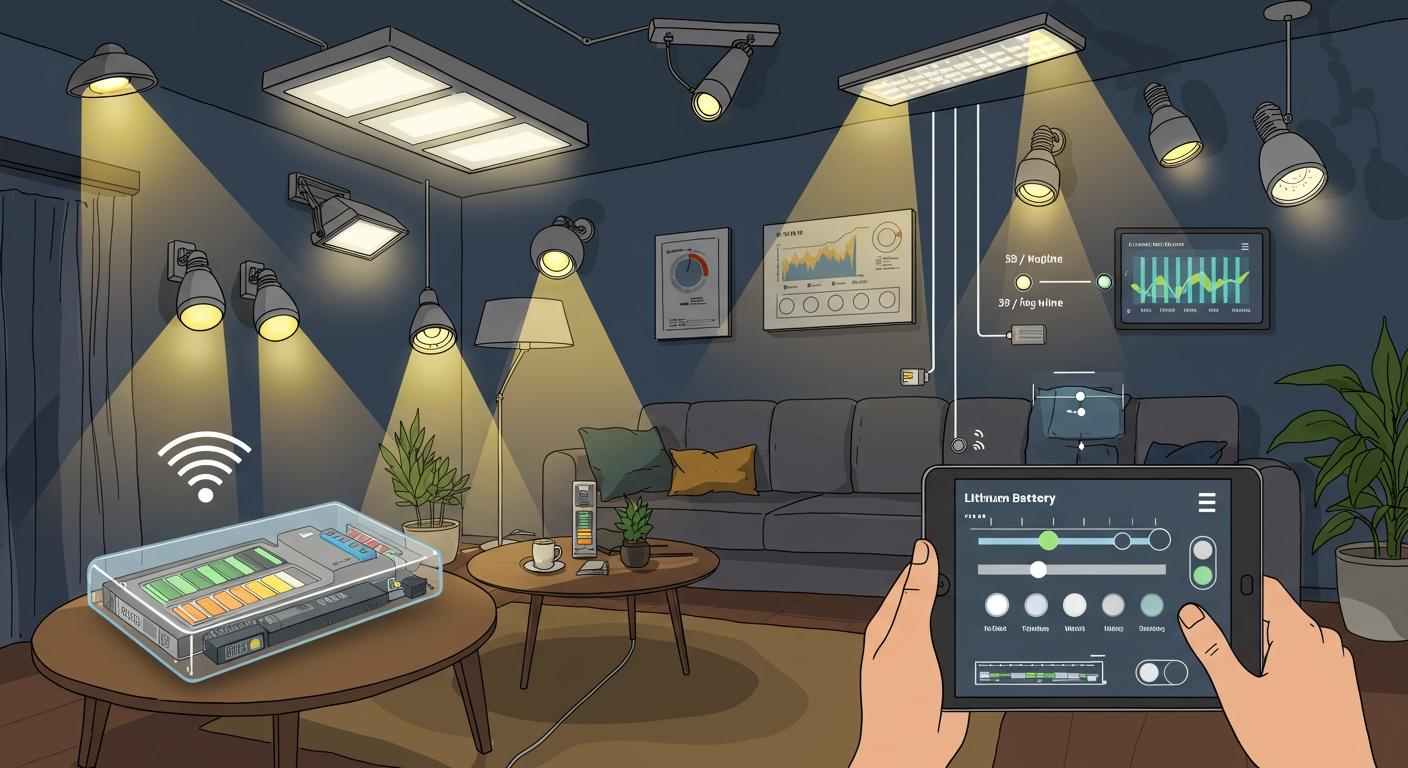
Smart lighting systems use new lighting, lithium batteries, and smart control. These systems give smooth and energy-saving solutions. For example, solar-powered smart street lights have important parts:
Component | Function |
|---|---|
Monocrystalline Silicon Panel | Changes sunlight into electricity. |
Lithium Iron Phosphate Battery | Keeps electricity made in the day for night use. |
Intelligent Controller | Controls energy from the solar panel to the battery and then to the LED light source. |
LED Light Source | Lights up using energy saved in the battery. |
You get steady performance and longer system life. The world market for smart lighting systems is growing fast. People want energy-saving and connected solutions, which helps the market grow.
Key Takeaways
Smart lighting systems help save energy. They use LED technology and smart controls. This can lower electricity bills by up to 75%.
Lithium iron phosphate batteries are safe and last a long time. They work well and give steady power for 8-10 years.
Smart lighting can connect with other devices, like motion sensors. This makes homes and public places more easy and comfortable.
Doing regular check-ups and updates on your smart lighting system is important. It can stop problems and keep it working well for a long time.
The government gives help, like grants and tax credits. These can make it cheaper to switch to smart lighting that saves energy.
Part 1: Smart Lighting Systems Overview
1.1 Key Features
Modern smart lighting systems have many cool features. These features make it easy to control your lights and save energy. Here is a table that lists some common features and what they do:
Feature | Description |
|---|---|
Color Changing | You can pick different light colors for any mood or event. |
Scheduled On/Off | Set lights to turn on or off at certain times by themselves. |
Auto-Dimming | Lights get brighter or dimmer depending on the time or how bright it is. |
Energy Efficiency | Uses less power, so you pay less for electricity. |
You can use your voice or phone to control these lights. Many systems let you make your own schedules or use motion sensors. When you walk into a room, the lights turn on by themselves. This makes your home or building smarter and more comfortable.
Note: Smart lighting systems can work with other smart devices, like motion sensors or security cameras. This helps everything work together and makes life easier.
1.2 Integration Benefits
When you use smart lighting with lithium battery packs and intelligent controls, you get lots of good things. This helps many places, like hospitals, robots, security, roads, electronics, and factories.
Here are some main benefits:
You save energy because the lights only use power when needed. Using adaptive lighting and LED technology can cut energy use by up to 75% compared to old bulbs.
You spend less money fixing lights. Lithium battery packs last longer, and you can check the lights from far away, so you do not need to look at them in person as much.
The system lasts a long time. LED lights and lithium batteries can work for 8-10 years, so you do not have to replace them often.
You help the planet. Smart solar street lights can cut over 800 pounds of CO2 emissions per light each year.
You get data right away. Dashboards show how much energy you use and help you find ways to save more.
Benefit | Description |
|---|---|
Energy savings | Smart controls and good batteries use less electricity. |
Reduced maintenance costs | You fix lights less often and parts last longer. |
Extended lifespan | LEDs and lithium batteries can last over 8-10 years. |
Economic benefits | Good lighting keeps people safe and helps businesses. |
Carbon emissions reduction | Each smart solar light can cut over 800 pounds of CO2 every year. |
Renewable energy integration | Lithium battery packs work with solar and other green energy. |
Smart lighting systems with lithium battery packs and intelligent controls help many businesses and public places do better.
Part 2:Core Components
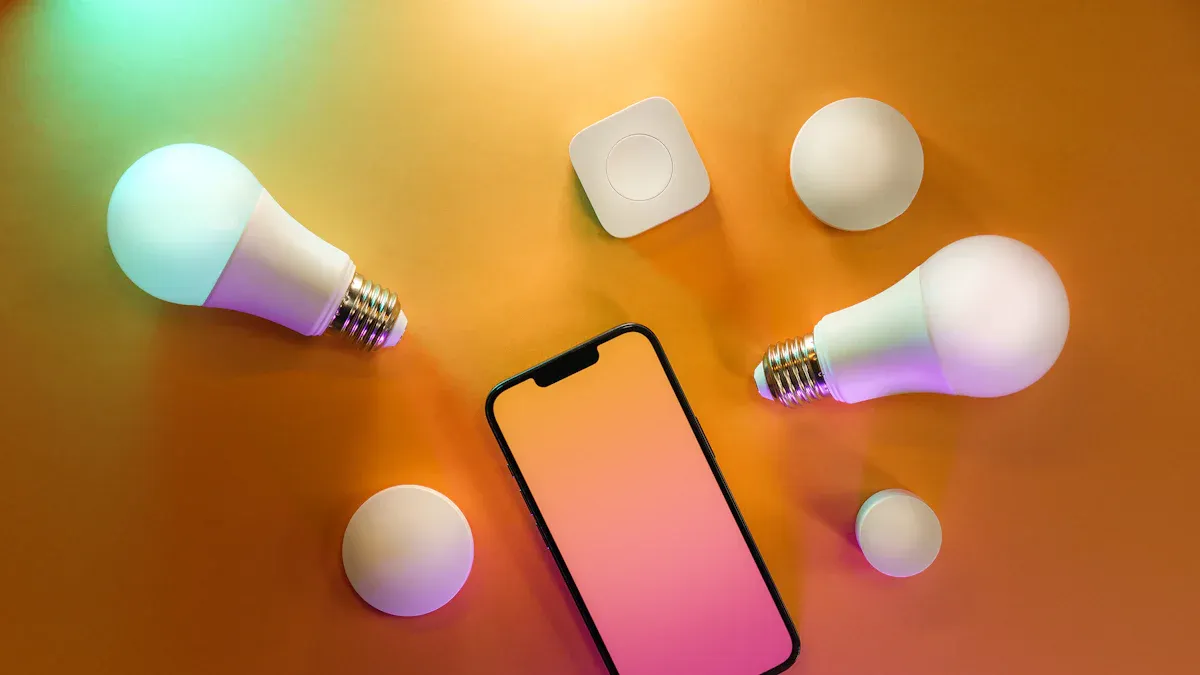
2.1 Lighting Technology
Smart lighting systems use different types of lighting technology. The most common ones are:
Smart light bulbs connect to your network.
Some smart lights need a central hub for control.
Motion sensing lights turn on when someone walks in.
LED technology is the main choice in these systems. LEDs use less energy and give more light. This helps save power and lowers carbon emissions. You can control smart LED lights from far away. They also work with other smart devices. LEDs show colors better, so the light looks more natural. Some systems copy daylight to help people feel better and work well.
2.2 Lithium Batteries
Lithium batteries are important in smart lighting systems. The lithium iron phosphate battery is safe and lasts a long time. Here is a table that shows how different lithium batteries compare:
Battery Type | Platform Voltage (V) | Energy Density (Wh/kg) | Cycle Life (cycles) | Safety Level |
|---|---|---|---|---|
Lithium iron phosphate battery (LiFePO4) | 3.2 | 90-160 | 2000-7000 | Very High |
NMC Lithium battery | 3.7 | 150-220 | 1000-2000 | High |
Lithium-ion battery | 3.6 | 120-180 | 500-1500 | Moderate |
Lithium-polymer battery | 3.7 | 100-200 | 300-1000 | Moderate |
Solid-state battery | 3.8 | 200-500 | 2000-5000 | Very High |
The lithium iron phosphate battery gives lots of power in a small size. It can be charged and used many times before it needs to be replaced. These batteries do not lose much power when stored. They have safety features to stop problems in lamps. They charge fast and stay cool, so they are a good choice for smart lighting.
Lithium batteries can last from 3 to 10 years if you take care of them. Store them at about 40% charge if you are not using them. Keep them in a cool place and check them every few months. Turn off devices when not needed to make the battery last longer.
Smart lighting systems with lithium iron phosphate battery packs are used in many places.
2.3 Intelligent Controls
Intelligent controls help you manage lights in smart ways. Some features are:
Constant illuminance control keeps light levels the same.
Midnight dimming lowers brightness late at night to save energy.
Lumen depreciation compensation keeps lights bright as they get older.
The system learns what you like and changes lights for you.
Lights can turn on, off, or dim by themselves based on time or weather.
Energy management lets you track and control how much power you use.
AI and mobile control make these systems even smarter. You can use your phone or voice to control the lights. AI learns what you like and changes the lights to fit your needs. It uses sensors and sunlight to make lighting better in real time. This means you do not have to do as much work. It also saves energy. You can see custom dashboards and use location controls to manage lights in big areas.
Part 3:Integration Process
When you put smart lighting systems together with lithium batteries and intelligent controls, you need to plan carefully. If you follow each step, your lights will work well and last a long time. This section shows you what to do, from planning to setting up controls. It uses real-life examples like solar LED street lights and outdoor public lighting.
3.1 Planning
First, look at your current lighting system. Check what kinds of lights you have and how much energy they use. This helps you know what you need to change or upgrade. Next, look at your building’s layout, electrical setup, and wireless network. A good internet connection helps your smart lighting work better.
Here are the main steps you should take:
Check your lighting system. Write down the types of lights and how much energy they use.
Pick batteries that fit your needs. Think about how much power they hold, how fast they give out power, and if they work with your lights.
Plan how you will put in the new system. Follow the maker’s rules for safety and best results.
Test the system after you set it up. Make sure everything works right.
Make a plan to check your system often. Regular checks help your lights work well for a long time.
Tip: Pick devices that work well together. This makes your smart lighting easier to use and more dependable.
You should also think about keeping your data safe. Use strong passwords and safe networks to protect your system from hackers.
3.2 Battery Selection
Picking the right batteries is very important for smart lighting. The battery must match your lighting needs and last a long time. Many people use lithium iron phosphate batteries because they are safe, last long, and work well.
Factor | Description |
|---|---|
Capacity | Figure out how much battery power you need. |
Voltage | Make sure the battery voltage fits your lamp. |
Cycle Life | Choose batteries that last a long time. |
You should also look for these important safety labels:
MSDS: Tells you how to use and handle the battery safely.
UN38.3: Shows the battery is safe to ship.
RoHS: Makes sure the battery does not have bad chemicals.
Compatibility Factor | Description |
|---|---|
Voltage Compatibility | Make sure the battery voltage matches the LED lamp’s voltage. |
Wiring and Connection Interface | Use the right connectors for easy setup and care. |
The battery management system, or BMS, is very important when adding batteries. BMS helps save energy, makes batteries last longer, and makes the system easier to use. For example, BMS uses smart computer programs to control charging and discharging. This keeps your lithium iron phosphate battery working well and safely. If you want to know more about BMS, you can check this BMS resource.
3.3 Installation
When you put in smart lighting with lithium batteries, you must follow safety rules. Outdoor lights, like solar LED street lights, need extra protection from weather.
Follow these steps to install your system:
Some lights should have emergency features.
Use built-in batteries or connect to backup power.
Follow all safety rules for emergency lighting.
You can use different ways to mount your lights:
Adhesive backing: Fast and easy for smooth surfaces.
Magnetic mounts: Good for metal places.
Screw or clip mounts: Best for setups that stay in one place.
For outdoor lights, keeping water out is very important. Use special coatings to keep water away from electronics. Pressure vents stop water drops from forming inside. Use IP68 connectors where there is lots of water. Gel-filled connectors are good for wet spots. Pick the right gasket—silicone for heat, EPDM for chemicals. Aluminum housings that do not rust and marine silicone seals help your lights last longer. Glass lenses that are tough do not break easily when it gets hot or cold.
Special sealing methods, like ultrasonic welding and tight gaskets, keep water out. These steps help your outdoor lights work well in any weather.
Note: Always use batteries that fit your lighting system. This keeps your system safe and stops damage.
3.4 Control Setup
Setting up smart controls lets you manage your lights easily. You can make scenes for different times or events. For example, group lights for nighttime safety or set them to dim after midnight.
Here are some steps to set up your controls:
Make scenes for times like work or night.
Use remote control to turn lights on or off when you are not there.
Add timers and sensors for lights that work by themselves.
Change brightness to save power and money.
Using a mobile app makes your system even smarter. You can:
Control each light or groups of lights.
Change how bright or what color the lights are.
See if lights are on or off right now.
Check how much energy you use.
Use geofencing to turn lights on or off based on where you are.
Make and change schedules.
Create your own lighting scenes.
Try voice commands in a quiet room first. Pick devices that work with your favorite voice helper, like Alexa or Google Assistant. Keep your system safe by using two-step sign-in and updating your system often.
Tip: Update your system and use strong security to keep your smart lighting safe from hackers.
You might have problems like making your system last, keeping it safe, and making sure all devices work together. Use standard network parts and update your system often to fix these problems.
If you follow these steps, you can build a smart lighting system with strong battery use, safe lithium iron phosphate battery packs, and smart controls. This way works well for outdoor public lighting and solar LED street lights. Your system will be safe, work well, and be easy to use.
Smart lighting systems with lithium battery packs and intelligent controls work better and are easier to use. They help you save energy and money because smart LEDs last longer than old bulbs. When picking parts, you should:
Choose modules that match what you need and fit your wires.
Use smart wall switches, dimmers, and sensors for easy control.
Add remote or wall controllers so you can reach them easily.
For taking care of your system, you should:
Check lights and wires often to find problems early.
Clean the lights so they stay bright and work well.
Upgrade your system when new technology is available.
Government programs can help you pay less for smart lighting. These include subsidies, grants, tax credits, and rebates.
Type of Incentive | Description |
|---|---|
Subsidies | Money to help pay for LED lights |
Grants | Funds for special lighting projects |
Tax Credits | Lower taxes for using energy-saving upgrades |
Rebates | Get cash back when you switch to LED lighting |
Keep learning about new things like AI, BMS, and solar power. These new ideas help you make your system ready for the future. If you need a special battery, talk to experts to get the right one for your project.
FAQ
What are the main benefits of integrating lithium battery packs in smart lighting systems?
You get more backup time and steady power. You also do not need to fix things as often. Lithium iron phosphate batteries are very safe and last a long time. These things help your business save money and make your system work better.
How does a Battery Management System (BMS) improve smart lighting performance?
A BMS keeps your lithium battery pack safe from too much charging, deep draining, and getting too hot. It makes sure all the cells work together and helps the battery last longer. This gives you safer lights and helps you use less energy.
Can you customize lithium battery packs for unique lighting projects?
Yes. Large Power can make special battery packs for smart lighting. You can ask for the voltage, size, and shape you want. Learn more about custom battery solutions.
What lithium battery chemistry works best for outdoor smart lighting?
Lithium iron phosphate (LiFePO4) batteries are the best choice. They are very safe and can be used many times, from 2,000 to 7,000 cycles. They also work well even when the weather is bad. See the table below for a quick comparison:
Chemistry | Cycle Life | Safety Level | Energy Density (Wh/kg) |
|---|---|---|---|
LiFePO4 | 2,000–7,000 | Very High | 90–160 |
NMC Lithium | 1,000–2,000 | High | 150–220 |
How do you ensure waterproofing for outdoor lithium battery lighting systems?
You should use IP68 connectors, pressure vents, and special gaskets. Pick aluminum cases and marine silicone seals. These steps keep your lithium battery packs and electronics safe from water and dust.


