

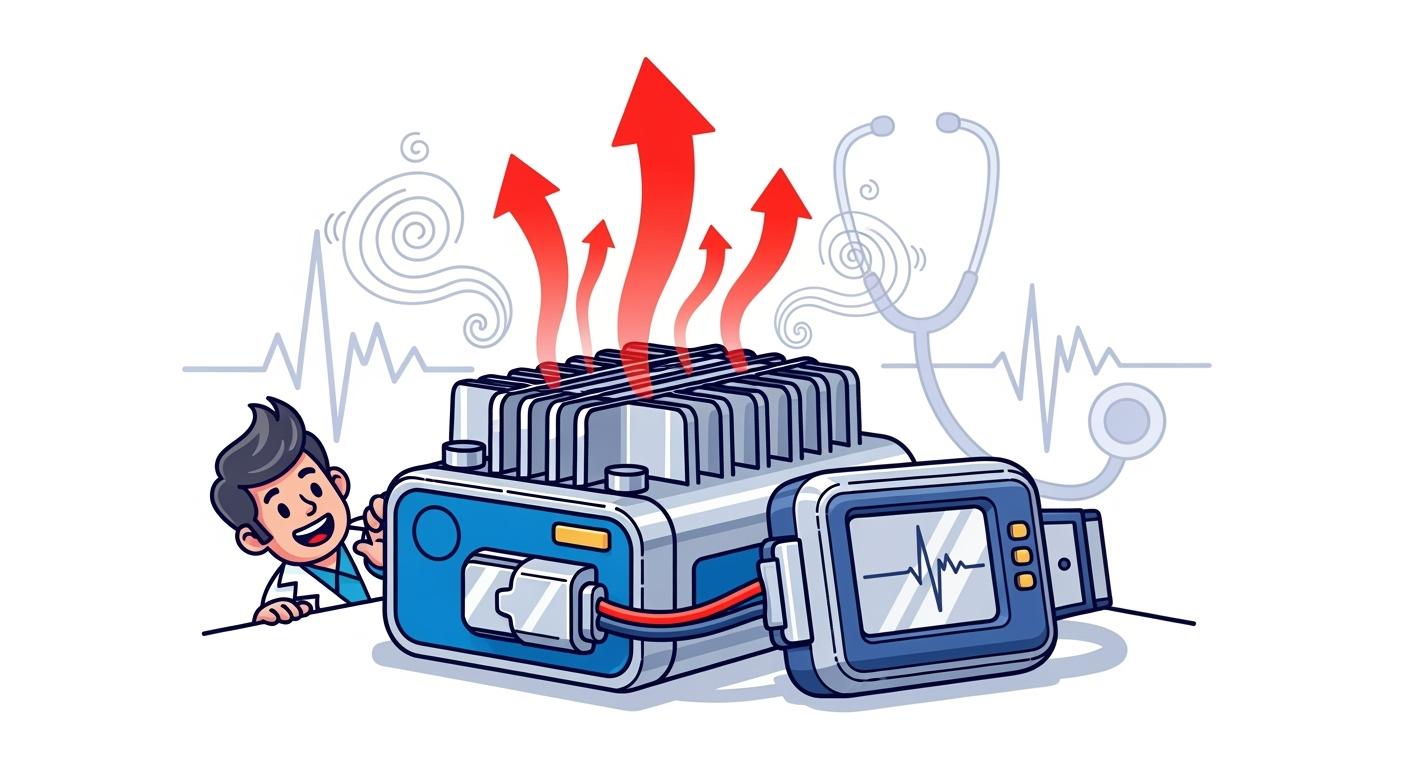
You face unique challenges when managing heat in compact lithium battery packs for medical devices. Thermal Management Solutions help you maintain safety, reliability, and device performance. Recent innovations, such as NEPCMs and hybrid systems, support optimal performance.
Aspect | Description |
|---|---|
Optimal Operating Temperatures | You prevent overheating by maintaining ideal temperatures. |
Uniform Temperature | You achieve consistent reliability across battery cells. |
Heat Dissipation Mechanisms | You use advanced cooling designs to control heat. |
Safety Mechanisms | You monitor for abnormal conditions with comprehensive systems. |
Early Detection | You detect failure modes early with advanced diagnostics. |
Key Takeaways
Effective thermal management is crucial for compact medical batteries. It prevents overheating, extends battery life, and ensures safety in medical devices.
Utilize advanced materials like phase change materials (PCMs) to absorb heat and maintain stable temperatures. This enhances battery performance and reliability.
Implement both active and passive cooling methods. Combining these approaches optimizes thermal management and supports device longevity in demanding environments.
Part1: Battery Thermal Management Challenges
1.1 Heat Sources in Compact Battery Packs
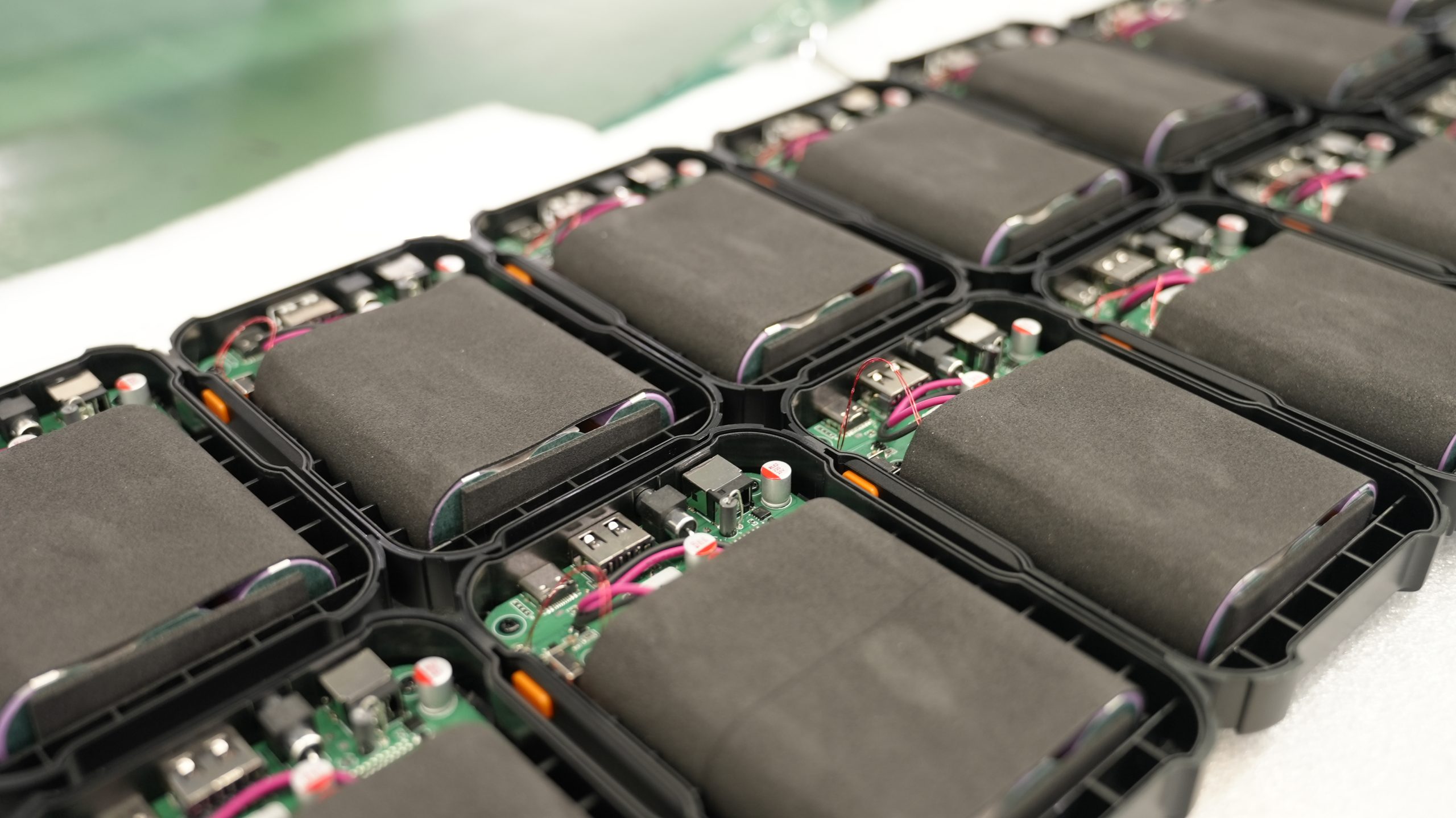
You encounter several heat sources when working with a compact battery pack in medical devices. High current loads, rapid charging cycles, and dense cell arrangements all contribute to increased heat generation. In sectors such as medical, robotics, security system, infrastructure, consumer electronics, and industrial applications, battery thermal management becomes critical. You must address these heat sources to maintain performance and prevent failures.
1.2 Miniaturization and Thermal Stress
Miniaturization brings unique challenges to battery thermal management. As you reduce the size of a compact battery pack, you face:
Difficulty achieving effective thermal management in compact designs
Increased complexity in managing heat generation and dissipation
Compromised reliability of thermal performance as battery packs age
Thermal stress impacts both lifespan and performance. The table below highlights key effects:
Impact of Thermal Stress on Miniaturized Medical Batteries | Description |
|---|---|
Performance Sensitivity | Miniaturized medical batteries, like lithium-ion batteries, are highly sensitive to thermal conditions, affecting their performance in critical applications. |
Material Degradation | Uneven heat distribution can accelerate material degradation, reducing the lifespan of the batteries. |
Risk of Thermal Runaway | High temperatures can lead to thermal runaway, posing safety hazards such as fires or explosions. |
1.3 Safety and Regulatory Demands
You must meet strict safety factors and regulatory requirements for battery thermal management in compact battery packs. The following table summarizes key standards:
Standard | Focus Area | Key Considerations |
|---|---|---|
FDA QSR (21 CFR 820) | Design controls, risk management, complaint handling | Applies to medical device battery packs. |
510(k) Premarket Notification | Documentation and testing | Required for Class II devices or higher. |
UL 2054 & UL 1642 | Battery safety | Recognized by the FDA for medical devices. |
IEC 60601 series | General safety and performance | Applies to medical electrical equipment. |
IEC 62133 | Battery safety, thermal management | Requires protection against fire, explosion, and overheating. |
UN 38.3 | Transportation safety | Ensures safe shipping of lithium-based batteries. |
ISO 13485 | Quality management systems | Ensures batteries meet safety and performance requirements. |
Tip: You should include features such as overcharge protection, thermal shutdown, and biocompatibility in your battery thermal management strategy to comply with international standards.
Part2: Thermal Management Solutions for Medical Batteries
2.1 Passive Solutions: Advanced Materials & NEPCMs
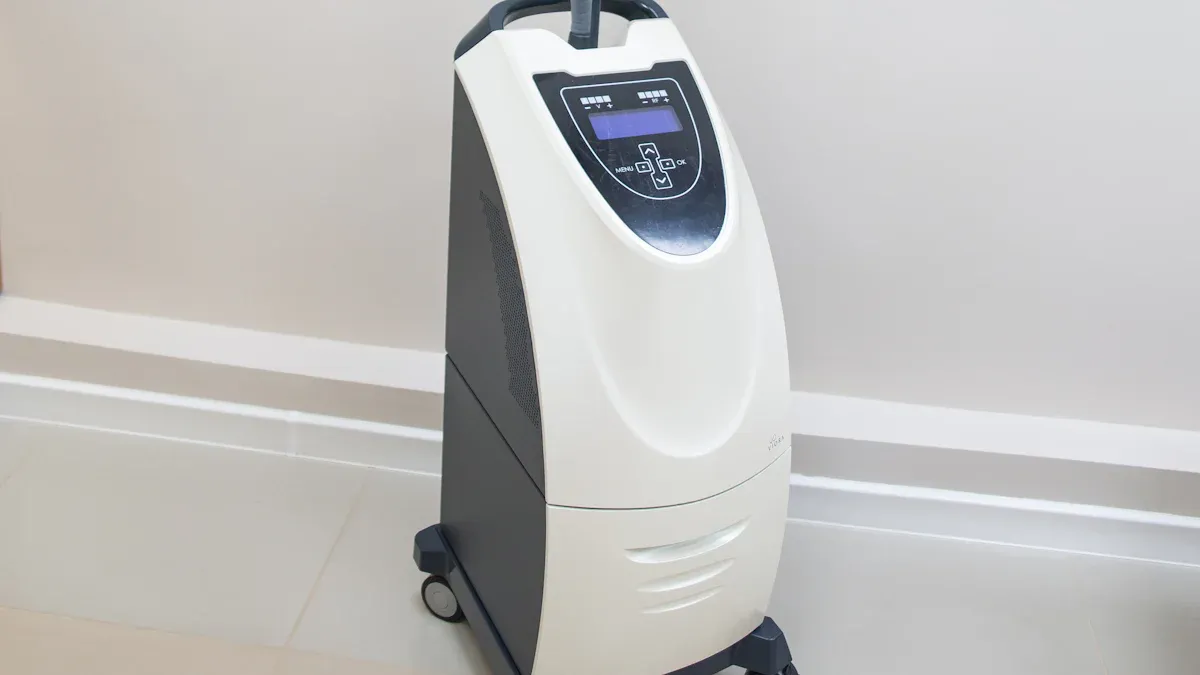
You can improve the safety and reliability of compact medical batteries by using passive thermal management solutions. These solutions rely on advanced materials to absorb and dissipate heat without external power. Phase change materials (PCMs) play a crucial role. PCMs absorb large amounts of heat while maintaining a constant temperature, which is vital for battery safety and performance. When you integrate PCMs with materials like metal wool or copper mesh, you enhance thermal conductivity and management efficiency.
Passive Material/Method | Effect on Battery Temperature and Performance |
|---|---|
PCMs | Absorb heat, maintain constant temperature |
Metal wool/copper mesh + PCM | Reduce surface temperature by up to 33% |
Increased PCM thickness | Lowers battery surface temperature |
Nano-encapsulated phase change materials (NEPCMs) represent a recent advancement. By adding nanomaterials, you can boost thermal conductivity by 80–150% with just 1–2% nanomaterial content. With 5–20% nanomaterial, thermal conductivity can increase by 700–900%. These improvements help you manage heat in high-density battery packs, especially when you need to maximize energy density and battery cell capacity in compact devices.
2.2 Active and Hybrid Thermal Management Systems
Active thermal management systems use external actuators, such as pumps or fans, to regulate temperature. These systems provide precise control, which is essential when you deal with high power and energy density in lithium-ion batteries. However, active systems can add weight and complexity, so you must balance these factors against your device’s size and capacity needs.
Hybrid thermal management systems combine passive and active methods. This integration gives you flexibility and improved thermal performance. For example, you can use NEPCMs for baseline heat absorption and add active cooling for peak loads. This approach helps you maintain safe operating conditions, even in demanding medical applications where battery cell capacity and energy requirements are high.
Note: Hybrid cooling methods are emerging as effective solutions for optimizing battery performance under extreme conditions. You often need to combine multiple thermal management techniques due to the compactness and high power output of modern battery packs.
2.3 Integrated Design: Monitoring and Architecture
You must design your battery packs with integrated monitoring and smart architecture. Real-time temperature monitoring prevents over-temperature conditions that can lead to battery failure or hazards. A robust battery management system (BMS) includes temperature sensors to ensure reliable operation.
Aspect | Description |
|---|---|
Temperature Monitoring | Prevents over-temperature conditions that can lead to battery failure or hazards. |
BMS Components | Includes temperature sensors for reliable operation. |
The architecture of your battery pack influences how effectively you manage heat. The configuration of each cell affects heat generation and dissipation. In compact devices, limited space can cause overheating and swelling. You must integrate cooling components, such as metallic fins or silicone-based foams, to ensure effective thermal management solutions.
Smaller medical devices require careful consideration of thermal management to meet performance and safety standards.
You must balance size, weight, and operating temperature, all of which impact your choice of thermal management system.
Effective thermal management is crucial for the reliability and safety of compact medical devices.
2.4 Selection Criteria for Compact Battery Packs
When you select a thermal management solution for compact medical batteries, you must consider several criteria:
Ensure your BMS meets safety certifications like IEC 62133 and UL 2054.
Prioritize robust thermal management features to prevent overheating, especially in lithium-ion batteries.
For smaller, portable devices, choose lightweight and compact thermal solutions.
Larger stationary devices can use heavier systems with higher capacity.
Power requirements demand efficient cooling methods that minimize battery drain.
Regulatory needs impose strict safety and reliability standards, influencing your design and material choices.
Selection Factor | Importance for Medical Battery Packs |
|---|---|
Safety Certifications | Ensures compliance with international standards |
BMS Features | Prevents overheating and extends battery life |
Device Size | Dictates the type and size of thermal management system |
Power and Energy Density | Requires efficient cooling to maintain performance |
Regulatory Requirements | Guides material and design choices |
Lithium Battery Chemistry Comparison
You must also select the right battery chemistry for your application. The table below compares common lithium battery chemistries used in custom battery packs for medical and industrial sectors.
Chemistry | Platform Voltage (V) | Energy Density (Wh/kg) | Cycle Life (cycles) |
|---|---|---|---|
3.7 | 150–200 | 500–1,000 | |
NMC (Nickel Manganese Cobalt Oxide) | 3.6–3.7 | 150–220 | 1,000–2,000 |
LiFePO4 (Lithium Iron Phosphate) | 3.2 | 2,000–5,000 | |
LMO (Lithium Manganese Oxide) | 3.7 | 100–150 | 300–700 |
LTO (Lithium Titanate Oxide) | 2.4 | 70–80 | 5,000–10,000 |
Solid-State Battery | 3.2–3.8 | 250–500 | 2,000–10,000 |
Lithium Metal | 3.4–3.7 | 350–500 | 500–1,000 |
For more on sustainability and conflict minerals, see our sustainability statement and conflict minerals policy (add links if these topics are covered elsewhere).
2.5 Implementation Best Practices
You can maximize the effectiveness of your thermal management solutions by following best practices:
Maintain optimal temperatures to ensure smooth operation of battery packs.
Implement both active and passive cooling methods to manage heat generation effectively.
Consider environmental conditions, such as extreme heat or cold, that may affect battery performance.
Prevent overheating or overcooling during use and charging.
Enhance battery life and performance in medical devices through effective thermal management.
Use active cooling methods like liquid cooling or air exchange systems when high heat dissipation is required.
Combine active methods with passive methods such as heat sinks and thermal vias for optimal thermal management.
Testing and validation are critical steps. You should:
Plan your thermal management system based on device requirements.
Validate your design using thermal and electrochemical modeling.
Test your process and software for compliance.
Conduct clinical validation if required.
Document and report all results.
Testing Protocols | Description |
|---|---|
Accelerated aging | Simulate years of operation with elevated temperature and humidity. |
Thermal cycling | Test interface stability with repeated temperature fluctuations. |
Sterilization cycling | Validate material durability through multiple sterilization exposures. |
Failure mode analysis | Identify potential degradation mechanisms and failure points. |
You must validate your thermal management system to meet standards such as ISO 13485, 21 CFR Part 820, and EU MDR. Proper validation ensures your devices function as intended, reducing risk to patients and building trust with healthcare providers and regulators.
Tip: Address size constraints, heat concentration, and thermal noise early in your design process. Effective cooling requirements are necessary to maintain device functionality and performance optimization in high-density, high-capacity battery packs.
You ensure safety and reliability in compact medical devices by adopting advanced thermal management. Effective solutions—like phase change materials, liquid cooling, and smart monitoring—reduce overheating, extend battery life, and minimize risks. Stay proactive and evaluate new technologies to maintain compliance and support device longevity in demanding medical environments.
FAQ
What makes thermal management critical for a lithium battery pack in compact medical devices?
You must manage battery temperature in every pack. Proper battery pack thermal management prevents overheating, extends battery life, and ensures safety for medical, robotics, and industrial applications.
How do you select the right lithium battery pack for a compact medical device?
You evaluate battery chemistry, pack size, and energy density. Each battery pack must meet IEC 62133, UL 2054, and ISO 13485 standards for medical device safety and performance.
Where can you get custom lithium battery pack solutions for medical devices?
You contact Large Power for custom battery pack consultation. Click here for a custom battery pack consultation tailored to your medical device requirements.


