

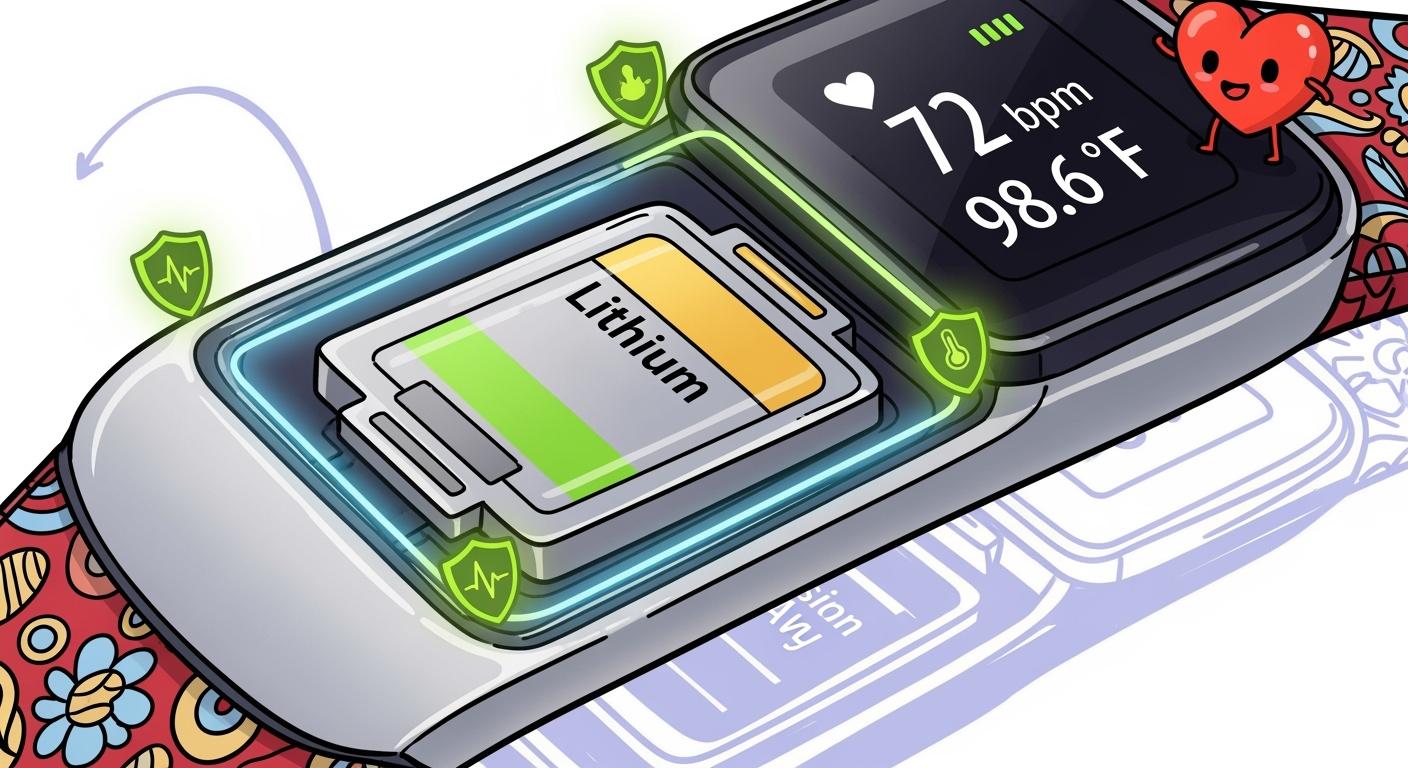
You face unique safety challenges when you design ultra-thin lithium battery solutions for wearable medical devices. Reliable safety features protect users from overheating, fire, and device failure. Strong safety standards support patient confidence, especially since batteries influence comfort, stability, and long-term device performance in critical healthcare environments.
Key Takeaways
Prioritize thermal safety to prevent overheating and potential fires in ultra-thin lithium batteries. Implement features that manage heat effectively.
Integrate robust protective circuitry and battery management systems to monitor voltage and current. This helps prevent overcharging and short-circuits, enhancing device reliability.
Ensure compliance with international safety standards like IEC 62133 and UL 2054. Meeting these standards boosts patient safety and supports regulatory approval.
Part1: Ultra-Thin Lithium Battery Safety Challenges
1.1 Thermal Safety Risks
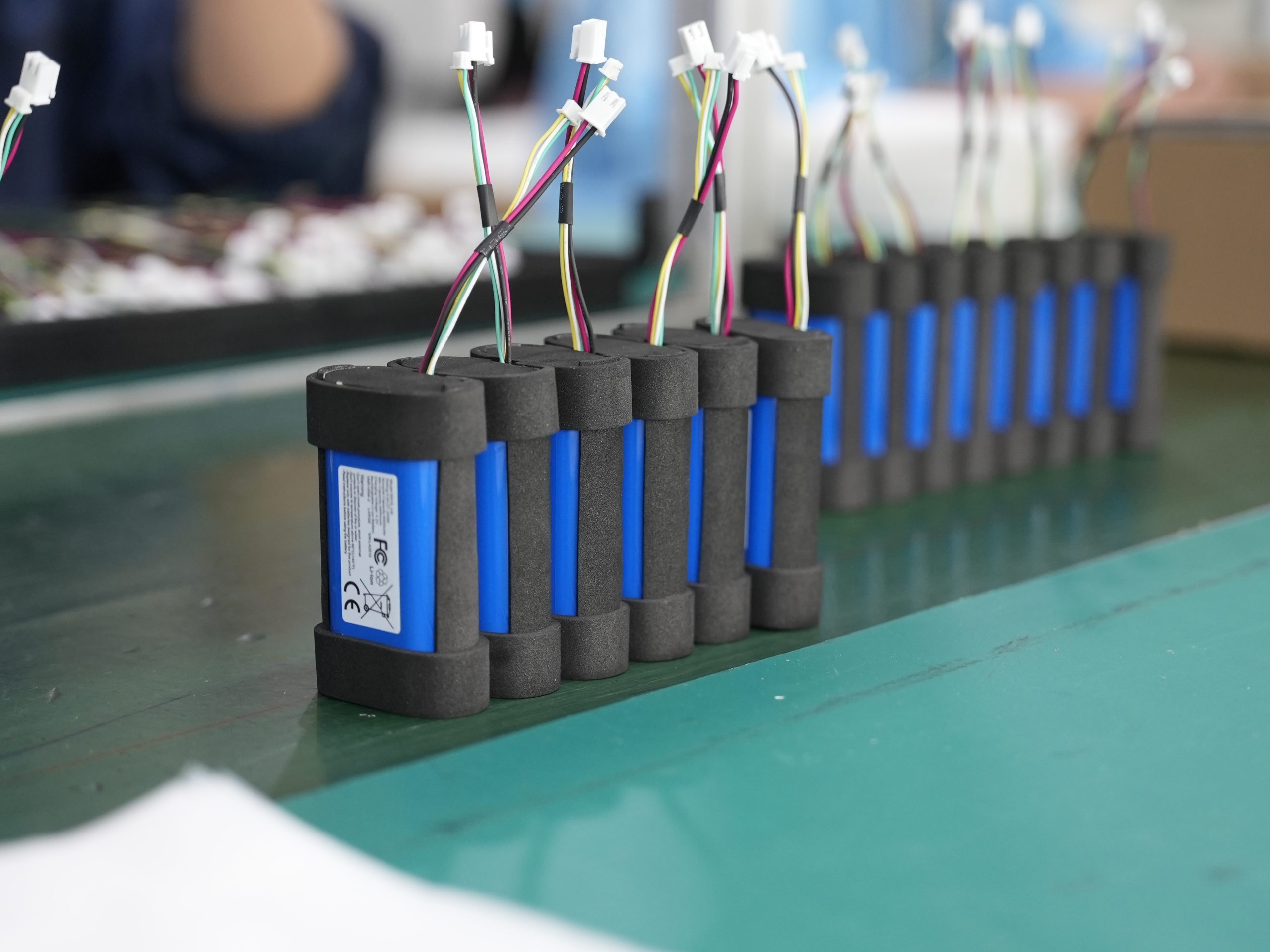
You must address thermal safety as a top priority when designing an ultra-thin lithium battery for a wearable. Overheating can cause thermal runaway, which may result in fires or explosions. This risk increases in medical wearable device battery applications due to compact size and proximity to the skin. The following table summarizes the most common thermal safety risks:
Contributing Factors | Explanation |
|---|---|
Physical Damage | Damage to the battery casing can lead to thermal runaway due to flammable electrolyte exposure. |
Electrical Abuse | Overcharging or high discharge rates can generate excessive heat, increasing thermal runaway risk. |
Exposure to High Temperatures | High temperatures can accelerate component degradation, leading to thermal runaway and fires. |
Ultra-thin lithium battery failures often stem from design defects, manufacturing issues, or exposure to external heat. You must implement safety features that prevent excessive heat buildup. These key points for battery safety are critical for devices like continuous glucose monitors, which require stable operation near the body.
1.2 Mechanical Stress and Encapsulation
Mechanical stress poses another major safety challenge for ultra-thin lithium battery solutions in wearables. Stretching, bending, or twisting can compromise the battery’s integrity. You need to ensure that the medical wearable device battery maintains performance under daily movement. Solid polymer electrolyte batteries offer improved safety by reducing leakage risks. Multi-layer laminate encapsulation, including heat-sealable polymers and aluminum layers, enhances durability and protects against mechanical failure. Foam encapsulation, such as silicone or polyurethane, fills gaps and absorbs shocks, further supporting safety requirements for medical wearable batteries. These strategies help prevent swelling or leakage, which is essential for continuous glucose monitors and other skin-contact devices.
1.3 Electrical Protection and Short-Circuit Prevention
Electrical failures, especially short-circuits, threaten the safety of every ultra-thin lithium battery in a wearable. Causes include direct terminal contact, overcharging, over-discharging, and physical damage. You must integrate robust safety features to address these risks. The following table highlights key points for battery safety in electrical protection:
Method | Description |
|---|---|
Deep Discharge Protection | Prevents voltage from dropping below safe levels. |
Overvoltage Protection | Stops voltages from exceeding design limits, reducing fire hazards. |
Short-Circuit Protection | Limits high current draw from short circuits, protecting the battery and device. |
Load Regulation | Manages current and voltage for safe operation. |
Reverse-Polarity Protection | Prevents damage from incorrect connections. |
You should always verify that your medical wearable device battery includes these safety features. Consistent monitoring and advanced protection circuits will help you meet industry standards and ensure reliable performance for every wearable application.
Part2: Safety Requirements and Integration for Medical Wearable Device Battery
2.1 Protective Circuitry and Battery Management
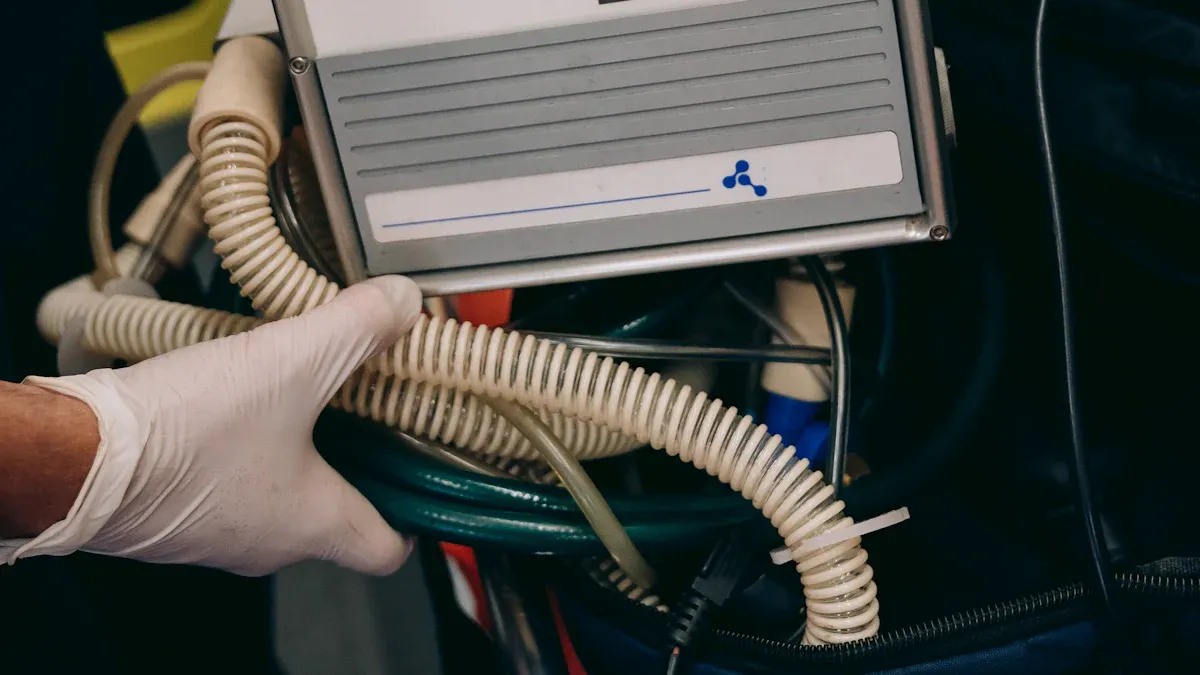
You must prioritize protective circuitry and an intelligent battery management system when you design ultra-thin lithium battery packs for medical wearables. These systems monitor voltage, current, and temperature in real time, preventing overcharge, over-discharge, and short-circuit events. You can enhance patient safety and device reliability by integrating advanced battery management solutions. Real-time monitoring detects faults early, allowing you to schedule proactive maintenance and reduce unexpected downtime in continuous diagnostic and monitoring devices.
The following table summarizes how environmental factors impact battery performance in medical applications:
Environmental Factor | Impact on Battery Performance |
|---|---|
Temperature | Critical for efficiency; extreme temperatures degrade capacity and cycle life. |
Humidity | Excessive moisture leads to electrolyte degradation and corrosion. |
Mechanical Stress | Can shorten cycle life and cause irreversible capacity loss. |
You should select a battery management system that supports cell balancing, ensuring uniform performance across all cells. This approach is essential for continuous remote patient monitoring systems, wearable ECG monitors, and other compact and lightweight medical devices. Compliance with safety certifications such as UL 2054 and UL 1642, recognized by the FDA, provides assurance of safety and effectiveness. For more details on BMS and PCM, visit our BMS and PCM solutions page.
Tip: Integrate communication interfaces in your battery pack to enable seamless data exchange with medical diagnostic and monitoring devices.
2.2 Thermal Management in Wearable Medical Devices
Thermal management plays a critical role in the safety and comfort of medical wearables. You must keep electronic components within safe temperature ranges to prevent device failures and patient discomfort. Advanced thermal management strategies include both passive and active methods. The table below outlines effective approaches for compact and lightweight battery packs:
Strategy Type | Description |
|---|---|
Passive Thermal | High latent heat materials store heat from the external environment. |
Management Method | Thermal insulators minimize heat transfer to the human skin. |
Thermally conductive materials exchange heat with the air. | |
Radiative cooling materials reflect visible light, refrigerating the skin. | |
Evaporative cooling materials facilitate liquid-to-vapor transition. | |
Active Thermal | Thermoelectric devices actively manage heat through electrical means. |
Management Method |
You should use flexible and stretchable materials to maintain device performance and ensure thermal comfort. Polymeric substrates are common, but you may need new composite materials to improve thermal conductivity and breathability. These strategies are vital for continuous monitoring in skin-conforming flexible electrodes and wearable ECG monitors.
Effective thermal control prevents discomfort and device failures.
New materials enhance thermal management and safety in compact and lightweight medical wearables.
2.3 Compliance with IEC and Global Safety Standards
You must comply with international safety standards to ensure market approval and patient safety. The most relevant standards for ultra-thin lithium batteries in medical wearables include:
Standard | Description |
|---|---|
IEC 62133 | Safety for secondary lithium cells and batteries |
UN 38.3 | Testing for transport safety of lithium batteries |
ANSI/AAMI ES 60601-1 | General requirements for basic safety and essential performance |
UL 1642 / UL 2054 | U.S. safety certifications for lithium batteries |
ISO 13485 | Medical device quality management system |
Compliance with IEC 62133 and UN 38.3 ensures patient safety by preventing battery-related hazards. Meeting these standards enhances device reliability and supports regulatory acceptance, which is critical for continuous diagnostic and monitoring devices. Non-compliance can lead to serious safety hazards and legal issues. You should document and report safety compliance according to FDA-recognized standards, such as UL 2054 and UL 1642.
For authoritative information on standards, refer to IEC 62133, UN 38.3, and ISO 13485.
2.4 Real-World Applications and Case Studies
You can learn from successful integration of safety features in leading medical wearables. The following examples demonstrate best practices in battery design and monitoring:
Levi’s Jacquard Jacket by Google integrates conductive fibers for gesture control, powered by a detachable compact and lightweight battery.
Athos Smart Fitness Apparel uses embedded sensors for real-time health monitoring, with flexible batteries built into the clothing.
Ralph Lauren PoloTech Shirt features biometric sensors for fitness tracking, powered by a compact and lightweight battery integrated into the shirt.
Skidata Smart Fabric for Safety in Workwear monitors vital signs and alerts for health changes, utilizing flexible batteries in work uniforms.
You should note that balancing energy density, mechanical flexibility, and safety remains a challenge in battery design for medical wearables. Trade-offs are often required to meet specific application requirements, especially for continuous remote patient monitoring systems and diagnostic and monitoring devices.
The table below compares common battery chemistries used in medical wearables:
Battery Type | Energy Density | Cycle Life | Safety | Thermal Runaway Risk |
|---|---|---|---|---|
LiFePO4 | Lower | Longer | Safer | Lower |
NMC | Higher | Shorter | Less Safe | Higher |
Solid-State | Highest (potential) | Longest | Safest (potential) | Lowest (potential) |
You should select the chemistry that best fits your application, considering the need for compact and lightweight design, high energy density, and robust safety features. For custom consultation on battery integration for medical, robotics, security system, infrastructure, consumer electronics, and industrial sectors, visit our custom battery pack consultation page.
Note: In August 2017, Abbott recalled several ICD and CRT-D models due to premature battery depletion, highlighting the importance of robust safety features and proper integration in medical battery design.
Continuous improvement in battery management, safety certifications, and integration strategies will help you deliver reliable, safe, and high-performance medical monitoring solutions.
You improve safety in ultra-thin lithium battery packs by following strict design steps and ongoing monitoring.
Monitor temperature, strain, and pressure to prevent failures.
Track capacity fade and cycle life for reliable performance.
Use only approved batteries and chargers.
Document risk analyses and production.
Meet ANSI/AAMI ES 60601-1 and IEC 62133 standards.
Continuous safety validation and robust integration protect your wearable medical devices and support long-term reliability.
FAQ
What safety features should you prioritize for lithium battery packs in portable medical devices?
You should focus on overcharge, short-circuit, and thermal protection. Large Power offers custom battery solutions for portable medical devices.
How do you compare lithium battery chemistries for portable applications?
Chemistry | Platform Voltage | Energy Density | Cycle Life |
|---|---|---|---|
LiFePO4 | 3.2V | Moderate | 2000+ cycles |
NMC | 3.7V | High | 1000+ cycles |
Solid-State | 3.7V (potential) | Highest | 3000+ cycles |
How can you ensure ongoing safety compliance for your battery packs?
You should schedule regular audits, document all risk analyses, and consult with experts. Large Power provides ongoing support and custom battery consultation.


