

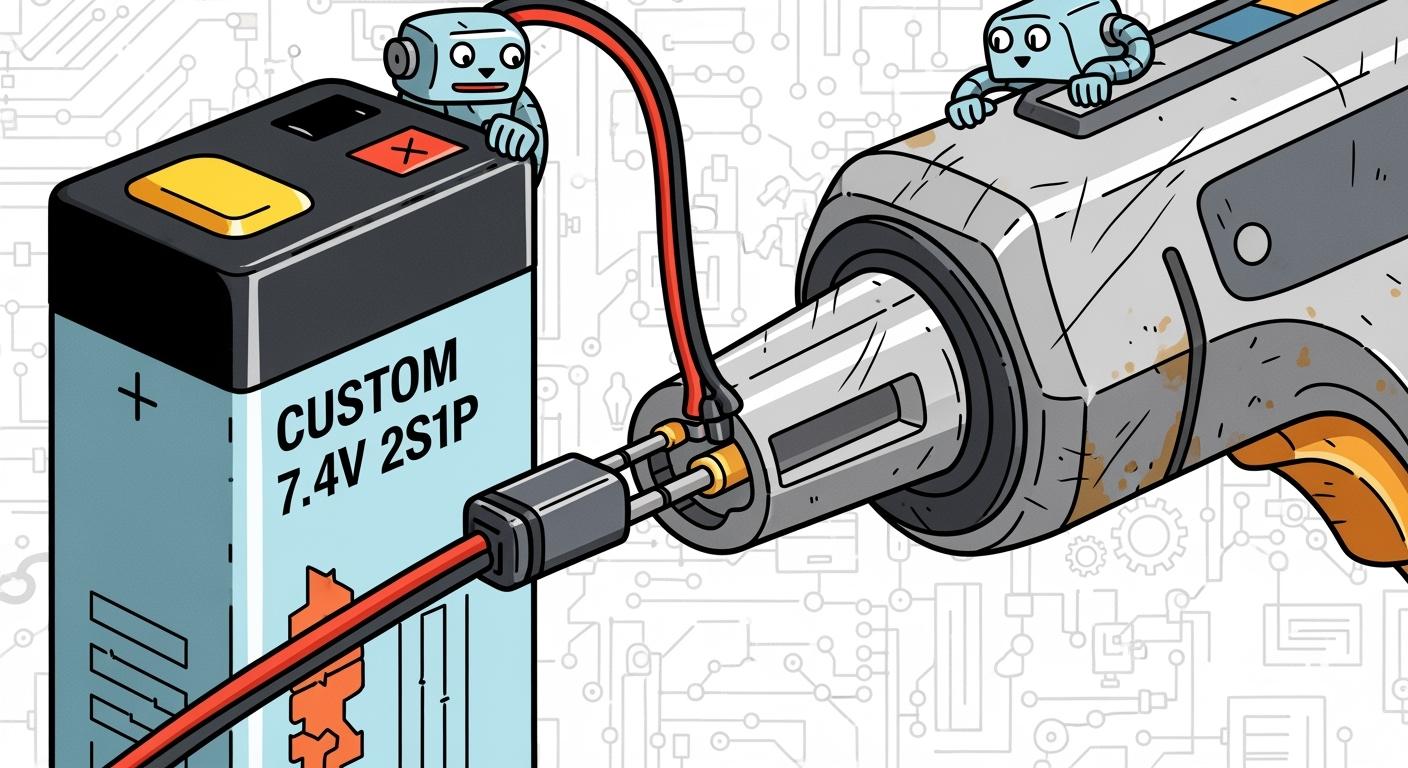
You depend on legacy inspection tools to keep operations running in industrial sectors. Custom 7.4V 2S1P Replacement Batteries use advanced lithium-ion chemistry to deliver strong reliability, high efficiency, and long service life. These packs help you avoid costly tool replacements and maintain productivity. When you choose high-quality battery solutions, you support the continued performance of your essential equipment.
Key Takeaways
Custom 7.4V 2S1P Replacement Batteries extend the life of legacy inspection tools, helping you avoid costly replacements and reduce electronic waste.
These batteries offer high energy density and stable voltage, ensuring reliable performance for critical applications in medical, robotics, and security sectors.
Investing in high-quality replacement batteries can save you money over time by minimizing downtime and avoiding the costs associated with new equipment.
Always verify battery specifications like voltage and capacity to ensure compatibility with your legacy tools, preventing operational issues.
Choose suppliers with strong certifications and a proven track record to guarantee the quality and safety of your battery solutions.
Part1: Replacement Batteries for Legacy Tools
1.1 What Are 7.4V 2S1P Packs
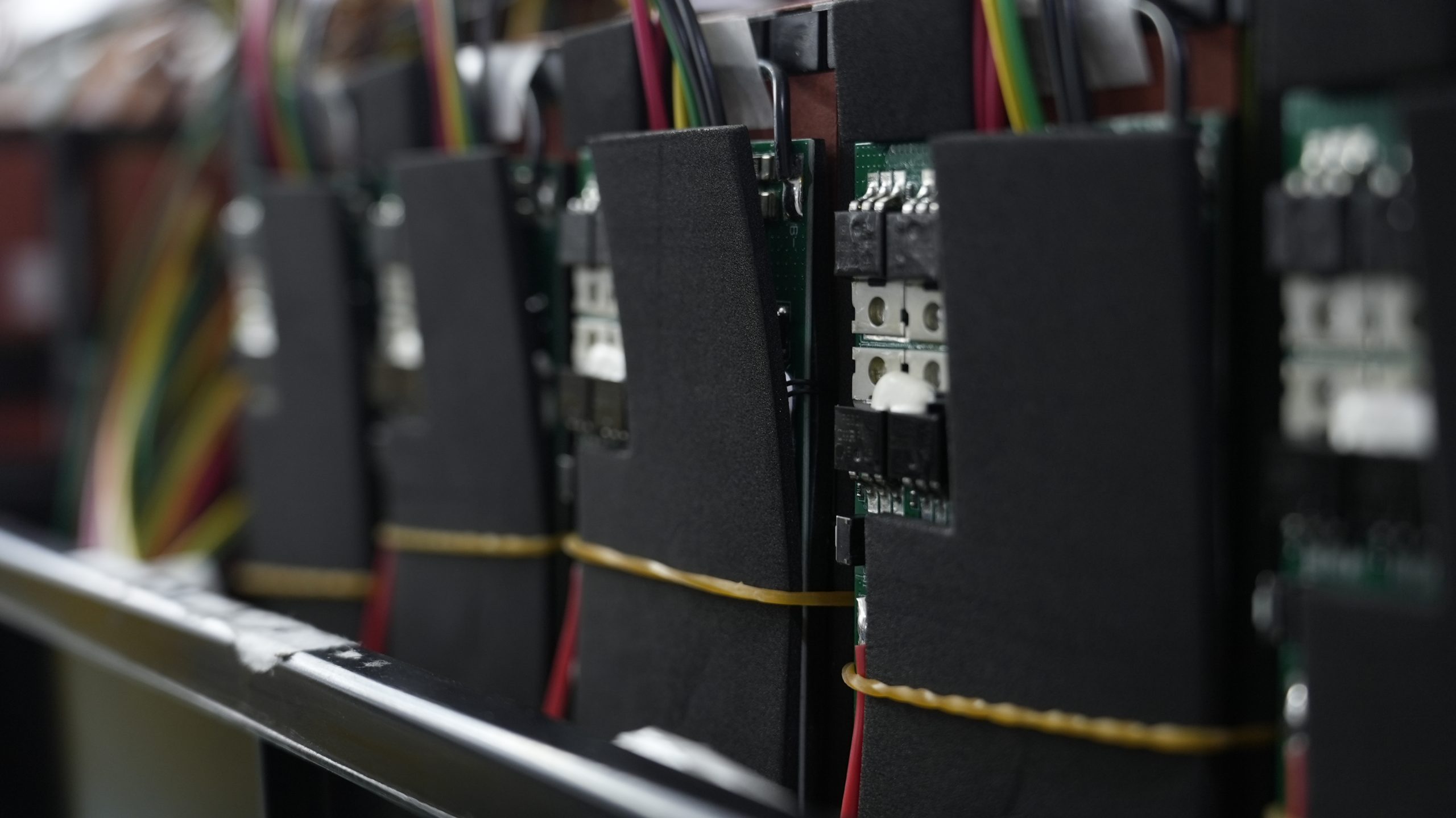
You often encounter 7.4V 2S1P lithium-ion battery packs in industrial and commercial inspection tools. These packs use two lithium-ion cells connected in series (2S) and one cell in parallel (1P). This configuration delivers a nominal voltage of 7.4V, which matches the requirements of many legacy devices. Manufacturers typically use high-quality 18650 lithium-ion cells for these packs. The chemistry provides high energy density, stable voltage, and long cycle life.
Here is a summary of typical technical specifications for a 7.4V 2S1P pack:
Specification | Detail |
|---|---|
Configuration | 2S1P |
Capacity | 800mAh |
Nominal Voltage | 7.4V |
Max. Charge Voltage | 8.4V |
Discharge Cut Off | 5.5V |
Max. Charge Current | 800mA |
Max. Discharge Current | 800mA |
Cycle life | 100 cycles ≥92% |
You can also find custom options with higher capacities, such as 2000mAh, 2200mAh, or even 3500mAh, to meet specific operational needs. These Replacement Batteries offer a self-discharge rate of less than 3% per month at 25°C and operate reliably in temperatures from -40°C to 85°C.
1.2 Compatibility and Applications
You will find that 7.4V 2S1P Replacement Batteries fit a wide range of legacy inspection tools. Their voltage and form factor make them ideal for devices that require stable, long-lasting power. Many sectors rely on these packs to keep essential equipment running.
Common applications include:
Power tools such as cordless drills and impact drivers, which need high torque and efficiency.
Drones and unmanned aerial vehicles (UAVs) used for infrastructure inspections, where lightweight and reliable power is critical.
Portable electronics, including handheld diagnostic devices and action cameras, which demand consistent performance.
Robotics and security systems, where stable voltage supports sensitive sensors and communication modules.
Medical and industrial inspection tools, where reliability and safety are top priorities.
You benefit from Replacement Batteries that match the original specifications of your legacy equipment. This compatibility ensures seamless integration and extends the operational life of your valuable assets.
Part2: Key Benefits and Performance
2.1 Extending Tool Lifecycle
You want your legacy inspection tools to last as long as possible. Custom 7.4V 2S1P lithium-ion packs help you achieve this goal. High energy density and quality cells allow your equipment to operate longer between charges. You can keep your tools in service for years, even when original batteries are no longer available. This approach supports sustainability by reducing electronic waste and maximizing the value of your existing assets.
Many industrial and commercial users in sectors like medical, robotics, and infrastructure rely on Replacement Batteries to extend the lifecycle of specialized devices. For example, a medical imaging tool with a custom battery pack can continue to deliver accurate results without the need for costly upgrades. In robotics, you can maintain older inspection robots for tunnel or pipeline checks, avoiding the expense of new equipment.
Tip: Regularly monitor battery health and replace packs before performance drops. This practice ensures consistent results and prevents unexpected downtime.
2.2 Reliability and Efficiency
You need batteries that deliver stable power and consistent performance. Custom 7.4V 2S1P lithium-ion packs use advanced cell balancing and protection circuits, often managed by a Battery Management System (BMS). These features protect against overcharge, over-discharge, and short circuits, which helps maintain safety and reliability.
High-quality lithium-ion cells provide a steady voltage output. This stability is critical for sensitive inspection tools in security and industrial applications. You can trust your equipment to perform accurately, even in demanding environments.
Here is a comparison of lithium-ion packs with standard nickel-cadmium (NiCd) and nickel-metal hydride (NiMH) batteries:
Feature | Lithium-Ion (7.4V 2S1P) | NiCd | NiMH |
|---|---|---|---|
Energy Density | High | Low | Medium |
Cycle Life | 300-500 cycles | 500-1000 cycles | 300-500 cycles |
Self-Discharge Rate | <3%/month | 10-15%/month | 20-30%/month |
Maintenance | Low | High | Medium |
Memory Effect | None | Yes | Minimal |
You see that lithium-ion packs offer higher energy density and lower maintenance. These benefits translate to longer run times and less frequent replacements.
2.3 Cost Advantages
You want to control costs while maintaining high performance. Replacement Batteries offer a cost-effective solution compared to purchasing new inspection tools. You avoid the expense of retraining staff or updating software that comes with new equipment.
Consider the following cost comparison:
Option | Upfront Cost | Ongoing Cost | Downtime Risk | Integration Effort |
|---|---|---|---|---|
Replacement Batteries | Low | Low | Minimal | Low |
New Tool Purchase | High | Medium | High | High |
Standard Off-the-Shelf Packs | Medium | Medium | Medium | Medium |
You see that custom battery packs minimize both upfront and ongoing costs. You also reduce downtime because you do not need to adapt to new systems. This approach is especially valuable for B2B users in sectors like security and industrial inspection, where operational continuity is critical.
Note: Investing in high-quality Replacement Batteries can save you money over time and help you avoid unexpected failures.
By choosing custom 7.4V 2S1P lithium-ion packs, you improve the performance, reliability, and cost-effectiveness of your legacy inspection tools. You keep your operations running smoothly and extend the useful life of your valuable equipment.
Part3: Technical Considerations
3.1 Choosing the Right Battery
Selecting the correct battery for your legacy inspection tools requires attention to voltage, capacity, and cell chemistry. You should confirm that the 7.4V 2S1P lithium-ion pack matches your device’s original specifications. In industrial and commercial applications, this ensures optimal performance and prevents compatibility issues. For example, a 2S lithium-ion battery consists of two cells in series, each with a nominal voltage of 3.7V, totaling 7.4V. When fully charged, the voltage reaches 8.4V, and it drops to about 6.0V when discharged. You can choose higher-capacity packs if your application demands longer run times, but always verify size and connector compatibility.
3.2 Safety and Quality
You need to prioritize safety and quality when sourcing Replacement Batteries for critical equipment in sectors like medical, robotics, and security. Manufacturers use strict quality assurance systems and international certifications to guarantee reliability. The table below summarizes key safety and quality measures:
Evidence Type | Description |
|---|---|
Certifications | Batteries meet UL, IEC62133, CB, CE, ROHS, and sometimes KC or BIS standards. |
Quality Assurance System | Manufacturers follow international management standards and maintain a complete quality system. |
Safety Mechanisms | Packs include protection against overcharging, discharging, and short-circuiting. Each battery undergoes cycle, safety, aging, and voltage tests before delivery. |
These measures help you avoid failures and ensure your inspection tools operate safely in demanding environments.
Tip: Always request documentation of certifications and test results from your supplier.
3.3 Installation Tips
Proper installation ensures your battery pack delivers reliable power and long service life. Follow these best practices:
Monitor each cell to keep voltage and current within safe limits.
Use integrated circuits (ICs) to supervise multiple lithium-ion cells, especially in larger packs.
Consider custom circuits for complex or high-capacity battery packs.
Handle lithium-ion batteries with care and follow all safety guidelines.
Best Practice | Description |
|---|---|
Monitoring Cells | Ensure cells stay within voltage and current limits. |
Use of ICs | ICs supervise multiple cells, crucial for larger packs. |
Custom Circuits | Larger packs may need custom circuits for optimal performance. |
You can further enhance safety and performance by integrating a Battery Management System (BMS). This system protects against overcharge, over-discharge, and temperature extremes.
Note: Proper installation and monitoring help maximize battery lifespan and reduce downtime in your operations.
Part4: Real-World Use Cases

4.1 Lifecycle Enhancement Examples
You can see the impact of custom 7.4V 2S1P lithium-ion battery packs in many industries. In the medical sector, hospitals often use portable ultrasound machines for quick diagnostics. When the original batteries become unavailable, you can install new lithium-ion packs to keep these devices in service. This approach helps you avoid the cost and disruption of replacing the entire tool.
In robotics, inspection robots check pipelines and tunnels in infrastructure projects. These robots often rely on older battery designs. By switching to modern lithium-ion packs, you can extend the robots’ operational life and improve their performance. Security companies also benefit. Many use legacy surveillance equipment that needs stable power. Replacement batteries allow you to maintain these systems without major upgrades.
Tip: Review your equipment inventory and identify tools that could benefit from battery upgrades. This step can help you plan for longer service life and better reliability.
4.2 User Experiences
Many B2B users report positive results after upgrading to custom lithium-ion battery packs. For example, an industrial inspection company replaced aging nickel-cadmium batteries in their handheld testers. After the switch, the testers ran longer and required less maintenance. The company reduced downtime and improved productivity.
A robotics integrator shared that their tunnel inspection robots performed more missions per charge after installing new lithium-ion packs. The robots also operated reliably in harsh environments. In the medical field, a hospital technician noted that portable diagnostic devices became lighter and easier to handle after the battery upgrade.
You can learn from these experiences. Upgrading to modern battery packs can help you keep your legacy tools running, improve efficiency, and reduce costs.
Part5: Sourcing and Integration
5.1 Finding Suppliers
You need a reliable supplier when sourcing custom 7.4V 2S1P lithium-ion battery packs for your legacy inspection tools. The right partner ensures your equipment receives high-quality power solutions. When you evaluate suppliers, focus on several key criteria. These factors help you select a partner who can meet your technical, quality, and business needs.
Criteria | Description |
|---|---|
Technical Capability & Quality | Assess expertise in battery chemistry, cell sourcing, BMS design, and assembly processes. |
Compliance & Certifications | Verify adherence to safety standards like UN38.3, IEC 62133, CE, RoHS, and others. |
Manufacturing Capacity & Reliability | Evaluate production scale, quality control procedures, and on-time delivery track record. |
Customization & Flexibility | Determine ability to meet specific requirements and engineering support for custom projects. |
Scalability & MOQ | Align MOQ with business needs and ensure capacity to scale production. |
Communication & Service | Importance of responsive communication, technical support, and clear documentation. |
You should request documentation for certifications and quality assurance. Strong communication and technical support help you resolve issues quickly. In sectors like medical, robotics, and security, these factors protect your investment and ensure operational continuity.
Tip: Choose suppliers with a proven track record in lithium-ion battery pack manufacturing for industrial and commercial applications.
5.2 Replacement Process
You can extend the life of your inspection tools by following a careful replacement process. Start by confirming the specifications of your original battery pack. Check voltage, capacity, connector type, and physical dimensions. This step prevents compatibility issues.
Follow these steps for a smooth integration:
Disconnect the old battery safely. Power off the device and use proper tools.
Inspect the battery compartment for damage or corrosion.
Install the new battery pack, ensuring correct polarity and secure connections.
Test the device to confirm proper operation.
Monitor performance during initial use.
You may need to calibrate your device after installing new Replacement Batteries. Always follow manufacturer guidelines for installation and safety. In critical sectors like infrastructure and medical, proper integration reduces downtime and supports reliable performance.
Note: Keep detailed records of battery replacements and maintenance schedules. This practice helps you track performance and plan future upgrades.
You can boost the lifecycle and reliability of legacy inspection tools in medical, robotics, security, and industrial sectors by choosing custom 7.4V 2S1P Replacement Batteries. Lower costs become possible with bulk orders, especially when you select premium cells that last up to 2,000 cycles. You should evaluate your needs, confirm supplier certifications, and check technical support response times. As automation and AI shape future inspection tools, investing in custom battery solutions keeps your equipment competitive and cost-effective.
FAQ
What does “2S1P” mean in a lithium-ion battery pack?
“2S1P” means two cells in series and one cell in parallel. You get a nominal voltage of 7.4V.
How do you ensure compatibility with legacy inspection tools?
You should match voltage, capacity, and connector type. Check your device’s original specifications. Many suppliers offer custom battery packs for medical and industrial equipment.
What safety features do custom lithium-ion packs include?
Manufacturers add protection circuits for overcharge, over-discharge, and short circuits. You often see Battery Management Systems (BMS) in packs for robotics, infrastructure, and medical devices.
Can you upgrade capacity for longer runtime?
You can request higher-capacity packs, such as 3350mAh or 3500mAh. This upgrade helps you extend operational time in daily operations.
How do you source reliable suppliers for custom battery packs?
You should look for suppliers with certifications like UL, IEC62133, and CE.


