

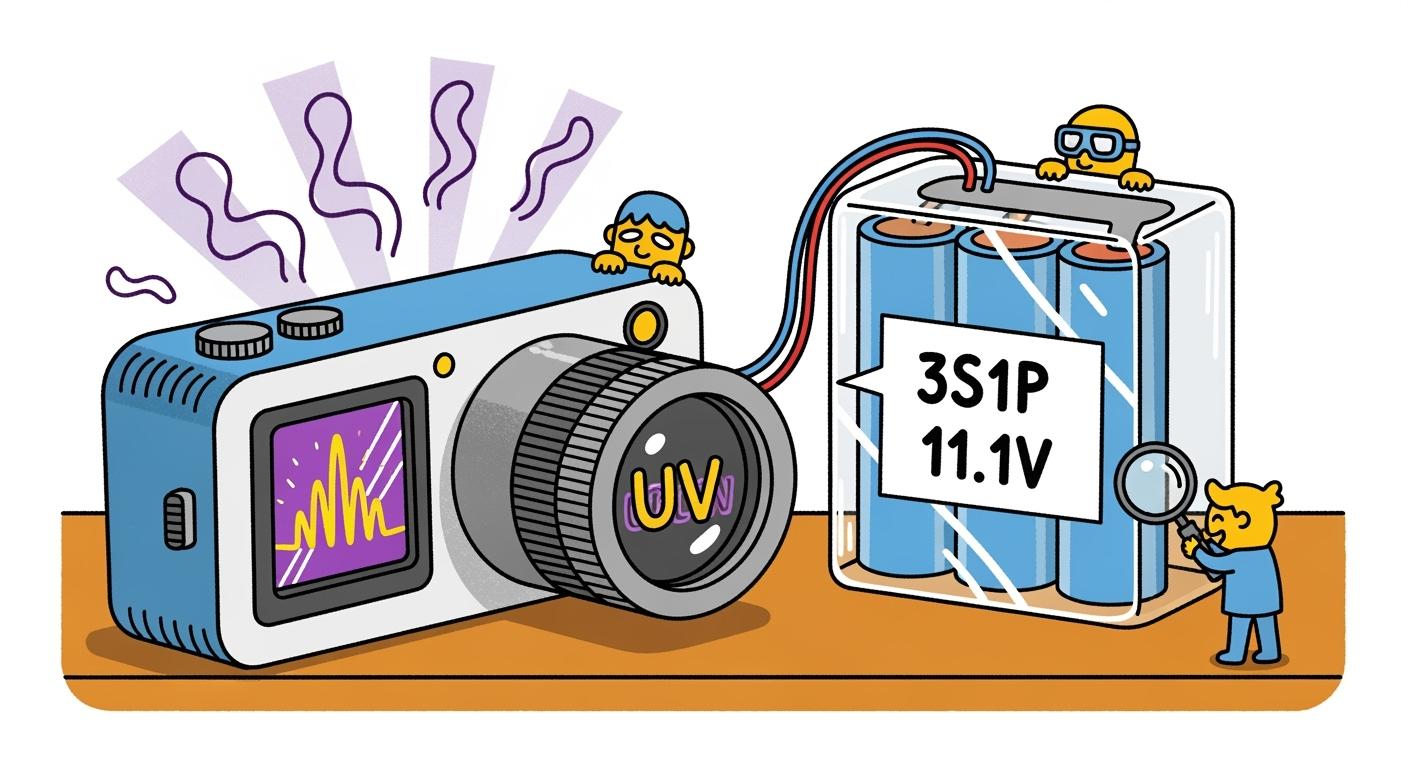
When you select a battery for a handheld UV corona camera, the 3S1P 11.1V configuration gives you a reliable solution. This setup uses three cells in series and one cell in parallel. You receive a steady 11.1V output and strong capacity, so your device runs longer without interruption. Li-ion Battery Solutions offer high energy density and easy rechargeability, making them ideal for portable imaging equipment in industrial environments. Custom designs help you meet operational demands, from power stability to device compatibility.
3S1P setup balances voltage and capacity for high-demand use.
Stable 11.1V output supports consistent performance in handheld devices.
Key Takeaways
The 3S1P 11.1V battery configuration provides reliable power and high energy density, making it ideal for handheld UV corona cameras.
Choose the right capacity for your battery pack to optimize run time and device integration, ensuring efficient performance during inspections.
Customization options for connectors and sizes enhance compatibility and ease of installation, reducing downtime in industrial applications.
Safety features like overcharge and short-circuit protection are essential for reliable operation in demanding environments.
Regular maintenance and proper charging practices extend battery life and ensure consistent performance for your devices.
Part1: Benefits of 3S1P 11.1V Batteries
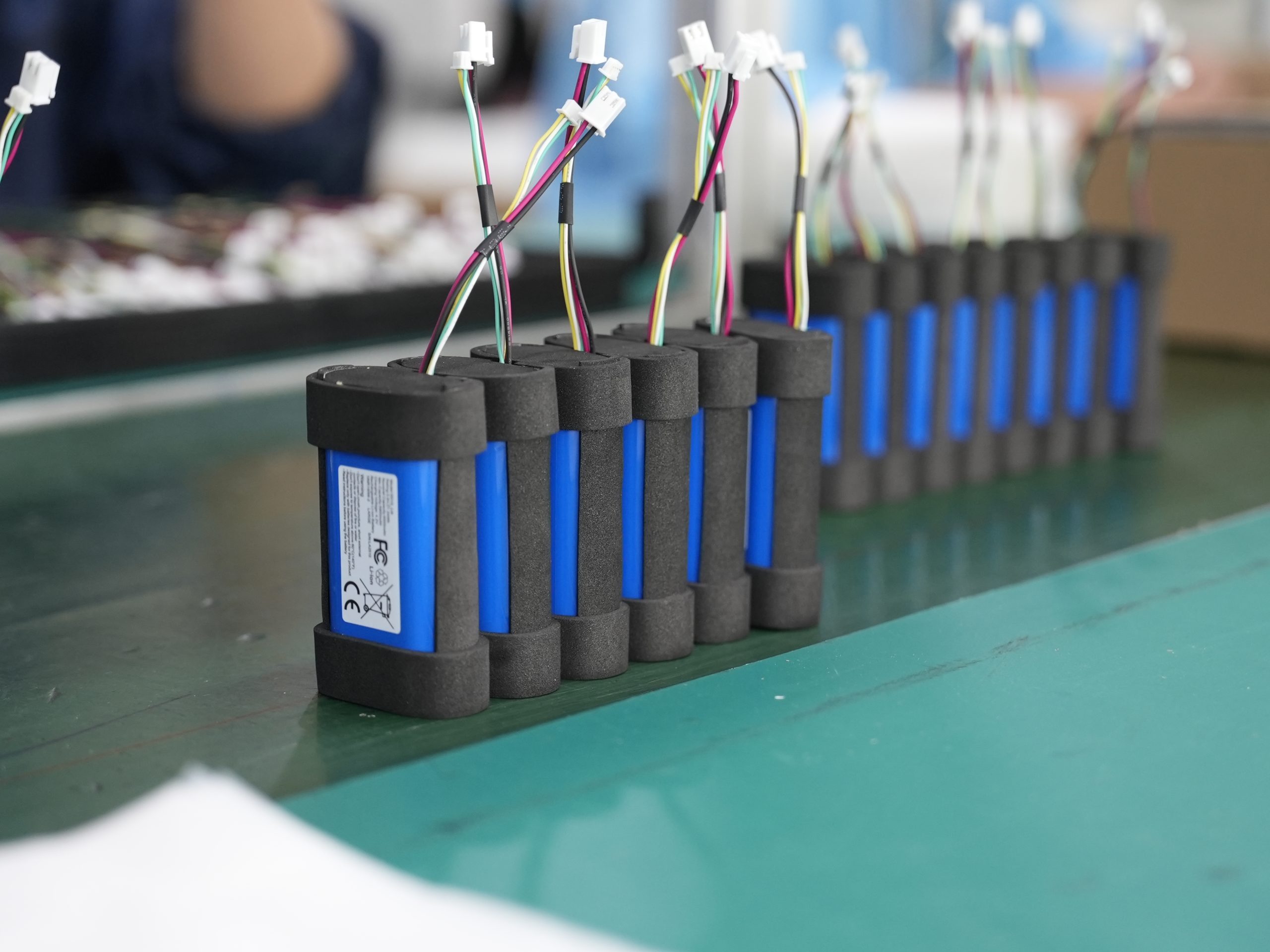
1.1 High Energy Density
You need batteries that deliver maximum power in a compact form. The 3S1P 11.1V Li-ion Battery Solutions stand out because of their high energy density. This means you get more energy stored per kilogram compared to other battery chemistries often used in handheld imaging devices. Take a look at the comparison below:
Battery Type | Energy Density (Wh/kg) |
|---|---|
Alkaline | ~100 |
NiMH | ~60-120 |
Li-ion 18650 | ~150-260 |
Li-Polymer | ~200-300 |
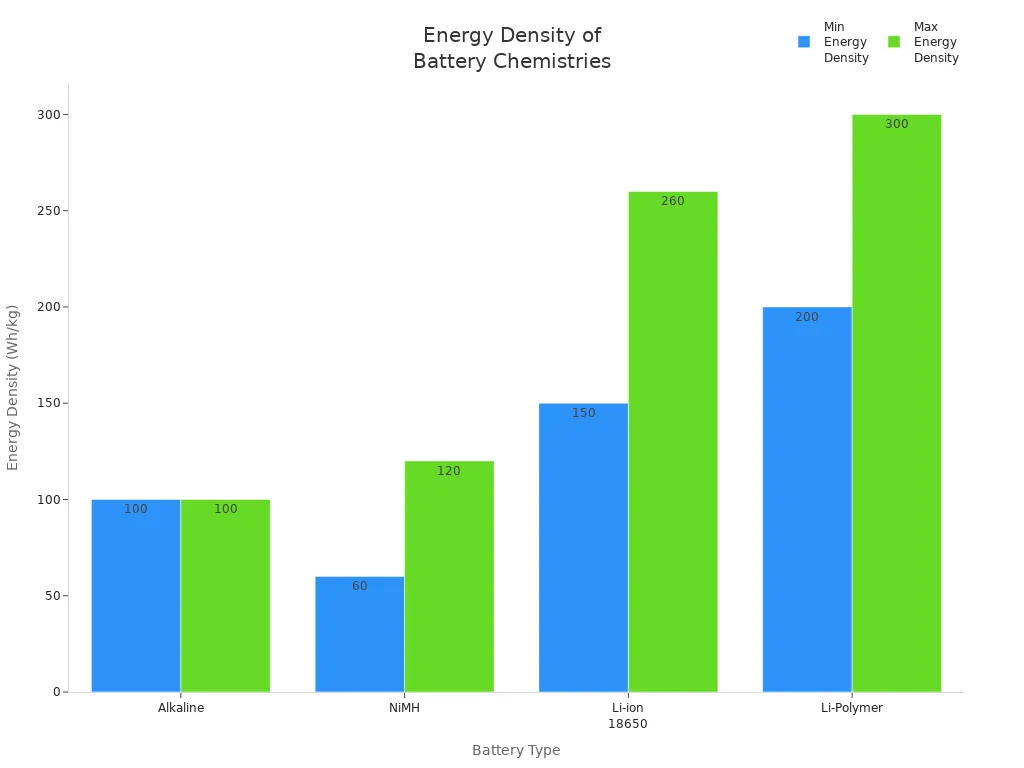
With Li-ion Battery Solutions, you achieve higher energy density than with Alkaline or NiMH batteries. This advantage allows your handheld UV corona cameras to operate longer and more efficiently.
1.2 Extended Run Time
You want your equipment to last through demanding inspection tasks. The 3S1P 11.1V configuration supports extended run time by providing a stable voltage and high capacity. This means fewer interruptions for battery changes or recharging. You can rely on consistent performance, which is essential for industrial inspections where downtime can be costly. Li-ion Battery Solutions help you maintain productivity and reduce maintenance cycles.
1.3 Portability for Handheld Devices
Portability matters when you use handheld UV corona cameras in the field. The 3S1P 11.1V Li-ion battery offers a lightweight and compact design. Here are some key features:
Feature | Description |
|---|---|
Voltage | 11.1V |
Capacity | 3000mAh |
Size | 2019.5210 mm |
Weight | Lightweight and compact design |
Advantages | High capacity, stable discharge voltage, small internal resistance, outstanding discharge properties, pollution-free, long cycle life, no memory effect |
You can easily integrate these batteries into your device without adding unnecessary bulk. The small size and light weight make them ideal for portable imaging solutions, letting your team work comfortably and efficiently.
Part2: Specifications of Li-ion Battery Solutions
2.1 Voltage and Capacity
You need a battery pack that delivers consistent voltage and meets the power demands of your handheld UV corona camera. The 3S1P configuration uses three cells in series, providing a nominal voltage of 11.1V. This voltage supports stable operation for sensitive imaging electronics. Typical capacity options range from 2000mAh to 8700mAh, allowing you to select the right balance between run time and size for your application.
Tip: Higher capacity means longer operation, but also increases the size and weight of the battery pack. Choose a capacity that matches your inspection schedule and device requirements.
Here is a comparison of common lithium battery chemistries used in industrial battery packs:
Chemistry | Platform Voltage | Energy Density (Wh/kg) | Cycle Life (cycles) |
|---|---|---|---|
LCO Lithium battery | 3.6V | 150-200 | 500-1000 |
NMC Lithium battery | 3.7V | 180-220 | 1000-2000 |
LiFePO4 Lithium battery | 3.2V | 90-140 | 2000-4000 |
LMO Lithium battery | 3.7V | 100-150 | 300-700 |
Solid-state | 3.7V | 250-350 | 1000-2000 |
Lithium metal | 3.7V | 350-500 | 500-1000 |
You can see that NMC Lithium battery and solid-state options offer higher energy density, while LiFePO4 Lithium battery provides longer cycle life. Li-ion Battery Solutions using NMC chemistry often strike a good balance for handheld devices.
2.2 Battery Life and Dimensions
You want your UV corona camera to operate for a full inspection cycle without interruption. A typical 3S1P 11.1V Li-ion battery pack with 8700mAh capacity can deliver up to 50 minutes of continuous use. This run time supports most industrial inspection routines.
Battery dimensions play a key role in device integration. For example, a standard pack may measure 2019.5210 mm. This slim profile fits easily into compact camera housings, maintaining portability and ergonomics.
Specification | Value |
|---|---|
Voltage | 11.1V |
Capacity | 8700mAh |
Run Time | Up to 50 minutes |
Dimensions | 2019.5210 mm |
Weight | Lightweight |
Compatibility | Customizable for device design |
If your company values sustainable design, you can explore battery packs built with recyclable materials and responsible sourcing. Learn more about our approach to sustainability.
2.3 Rechargeability and Efficiency
You expect your battery pack to last through hundreds of charge cycles while retaining most of its original capacity. Li-ion Battery Solutions excel in this area. You benefit from:
At least 500 deep cycles before significant capacity loss
Capacity retention rate of 80% after repeated use
Reliable 11.1V output throughout the cycle life
Typical capacity options such as 2Ah for compact designs
Efficient rechargeability reduces downtime and maintenance costs. You can recharge these battery packs quickly, supporting fast turnaround for field teams. The advanced cell chemistry also minimizes energy loss during storage and use.
If your business requires compliance with ethical sourcing, review our conflict minerals statement to ensure your battery solutions meet global standards.
Li-ion Battery Solutions provide the reliability and efficiency you need for demanding industrial applications. You can trust these packs to deliver consistent performance and long service life.
Part3: Customization Options
3.1 Capacity and Size Choices
You can tailor the capacity and size of your 3S1P 11.1V Li-ion battery pack to match the demands of your handheld UV corona camera. This flexibility lets you optimize run time, weight, and device integration for different industrial applications, including medical imaging, robotics, security systems, and infrastructure monitoring.
Common capacity options include:
2000mAh
2200mAh
2600mAh
3000mAh
3350mAh
3500mAh
You can select a battery pack that fits your inspection schedule and device requirements. The following table summarizes key specifications for a typical custom 3S1P 11.1V Li-ion battery:
Voltage | Capacity | Cycle Life | Charging Temperature | Discharging Temperature |
|---|---|---|---|---|
11.1V | 2Ah | ≥500 times | 0°C~45°C | -20°C~60°C |
You can request custom dimensions, wire types, and case materials to ensure seamless integration with your device. For example, you may need a slim battery for a compact camera or a higher-capacity pack for extended field use. Customization helps you achieve the right balance between portability and performance.
Tip: When you choose the right capacity and size, you improve device efficiency and reduce unnecessary downtime.
3.2 Connectors and Interfaces
You need reliable connectors and interfaces to ensure compatibility with your handheld UV corona camera. Customization options allow you to select the best connector type for your device, whether you require XT30, DC ports, or other specialized interfaces.
The table below shows how connector options vary across battery models:
Battery Model | Customization Options | Connector Types |
|---|---|---|
12V 11.1V 3.3Ah Li-ion Battery 3S1P | Optional protection or connectors | Customizable |
11.1V 1200mAh Li-ion Battery 16500 3S1P | Optional protection or connectors | Customizable |
11.1V 21700 Battery Pack | Different capacities and discharge rates | XT30, DC ports, other options |
You can specify wire length, connector type, and interface configuration to match your camera’s power input. This customization ensures secure connections, reduces installation time, and minimizes risk of compatibility issues. You also benefit from improved reliability in demanding environments such as industrial inspections and security monitoring.
Note: Custom connectors help you avoid reverse polarity and ensure safe operation. Always verify connector specifications before installation.
3.3 Protection Circuits
You must prioritize safety and reliability when designing battery packs for industrial use. Custom 3S1P 11.1V Li-ion battery solutions integrate advanced protection circuits to safeguard against common failure modes. These features protect your equipment and personnel in applications ranging from medical devices to consumer electronics.
Typical protection circuits include:
Protection Type | Description |
|---|---|
Overcharge | Prevents excessive voltage during charging. |
Over-discharge | Stops discharge below safe voltage. |
Short-circuit | Protects against unintended current paths. |
You also benefit from temperature protection, which activates at 65°C + 5°C to prevent overheating. Integrated Battery Management Systems (BMS) monitor cell health, balance charge, and extend cycle life.
To maintain safety, you should:
Avoid physical damage such as impacts or punctures.
Keep batteries away from high temperatures.
Use only specified chargers.
Ensure correct polarity during installation.
Operate batteries within recommended temperature ranges.
Custom protection circuits help you reduce risk, extend battery life, and maintain consistent performance. You gain peace of mind knowing your battery packs meet the highest safety standards for industrial environments.
⚡ Custom protection features are essential for reliable operation in critical applications. Always confirm that your battery solution includes comprehensive safety measures.
Part4: Integration & Safety
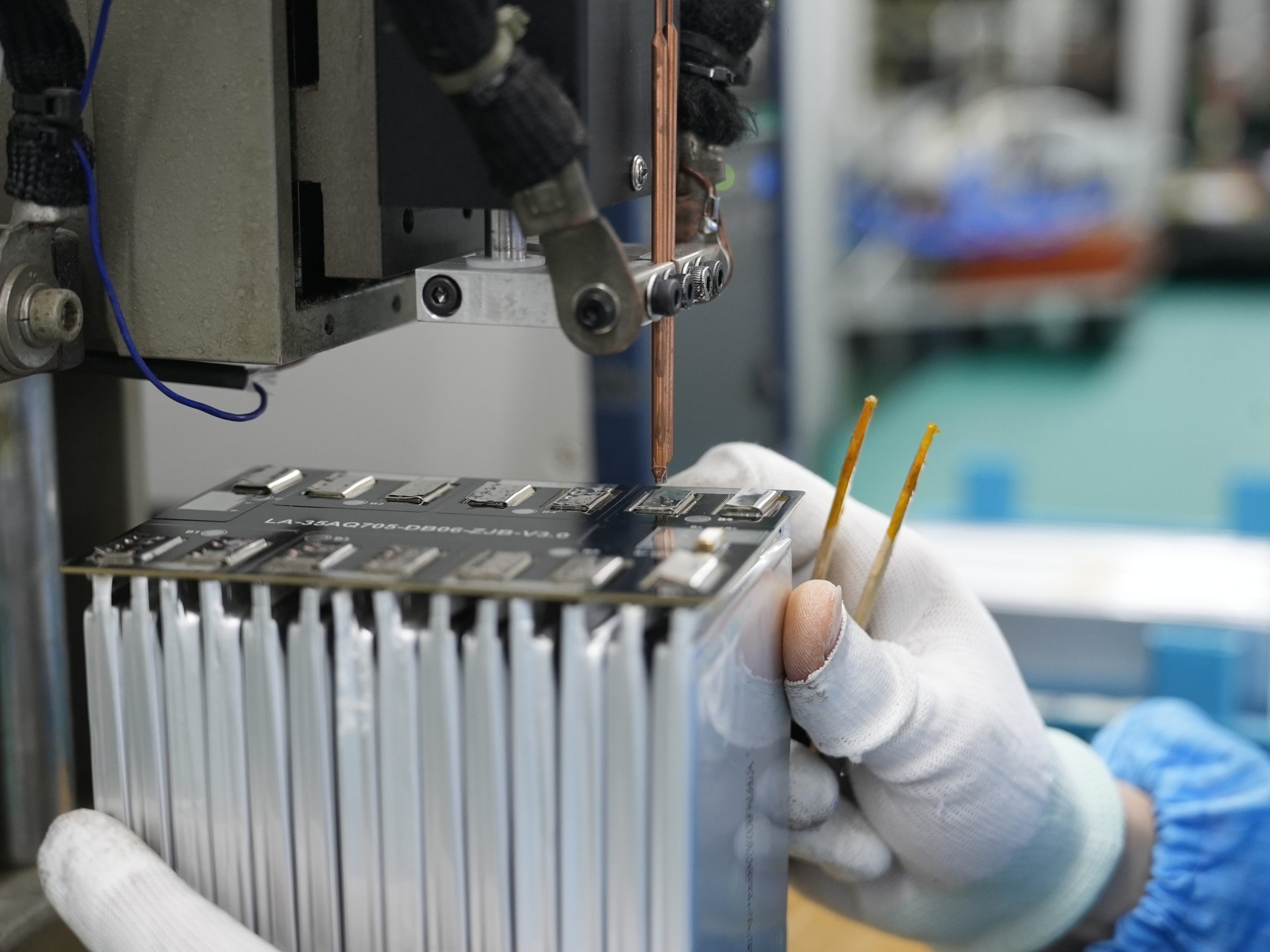
4.1 Installation Best Practices
You need to integrate your 3S1P 11.1V Li-ion battery pack with precision to ensure reliable operation in handheld UV corona cameras. Start by confirming the battery fits securely within the device housing. Use mounting brackets or foam padding to prevent movement during use. Always match the connector type to your camera’s power input. For industrial, medical, or robotics applications, verify that wiring and connectors meet your device’s voltage and current requirements. Label all connections clearly to avoid errors during installation. Test the battery pack after installation to confirm stable voltage and proper operation.
Tip: Use anti-static gloves when handling battery packs to reduce the risk of electrostatic discharge.
4.2 Safety Features
You must prioritize safety when deploying Li-ion battery packs in industrial environments. The following table summarizes essential safety features for 3S1P 11.1V Li-ion batteries:
Safety Feature | Description |
|---|---|
Overcharge Protection | Prevents the battery from charging beyond its maximum voltage. |
Over-discharge Protection | Ensures the battery does not discharge below a safe voltage level. |
Short Circuit Protection | Protects the battery from damage due to unintended short circuits. |
Advanced Battery Management System | Enhances safety, reliability, and performance of the battery pack. |
You should select battery packs with integrated Battery Management Systems (BMS) for applications in security systems, infrastructure monitoring, and consumer electronics. These features help prevent overheating, voltage spikes, and cell imbalance. For compliance, look for certifications such as UL, CE, RoHS, UN38.3, SGS, and TUV. The table below lists key certifications:
Certification | Description |
|---|---|
UL | Safety certification for electrical devices |
CE | Conformity with health, safety, and environmental protection standards |
RoHS | Restriction of hazardous substances in electrical and electronic equipment |
UN38.3 | Safety testing for lithium batteries during transport |
SGS | Quality Management System certification |
TUV | Quality Management System certification |
4.3 Charging and Maintenance
You extend battery life and maintain safety by following proper charging protocols and maintenance routines. Use a compatible Li-ion charger with balance charging to keep all cells healthy. Charge at a rate of 1C for optimal battery health. Avoid charging above 1C unless necessary, as it can reduce battery lifespan. Store batteries at a voltage between 11.4V and 11.6V in a cool, dry place away from sunlight and extreme temperatures. Use a LiPo-safe storage bag for added safety. Periodically check battery voltage during storage and operation.
Always use a compatible Li-ion charger with balance charging.
Prevent overcharging or undercharging to maintain battery lifespan.
Use a balance charger to ensure all cells are charged evenly.
Regularly check for cell imbalances to maintain battery health.
Store the battery at a voltage between 11.4V and 11.6V.
Keep the battery in a cool, dry place away from sunlight and extreme temperatures.
Use a LiPo-safe storage bag for added safety.
Periodically check the battery voltage during storage.
Note: Proper charging and maintenance routines help you maximize the lifespan and reliability of your Li-ion battery packs in industrial, medical, and security applications.
Part5: Choosing Li-ion Battery Solutions
5.1 Assessing Application Needs
You start by identifying the specific requirements for your handheld UV corona camera. Consider the environment where you will use the device—industrial inspections, medical imaging, robotics, security systems, or infrastructure monitoring. Each scenario demands different battery capacities, cycle life, and safety features. You evaluate the voltage and run time needed for your inspection schedule. You also check compatibility with your device’s design and power input. When you define your needs clearly, you ensure the battery solution supports your operational goals.
Tip: List your device’s voltage, capacity, and connector requirements before contacting suppliers.
5.2 Supplier Evaluation
You choose a supplier who understands your industry and offers reliable Li-ion battery packs. Look for experience in custom solutions for industrial, medical, and security applications. You review certifications such as UL, CE, RoHS, UN38.3, SGS, and TUV. You ask about warranty and after-sales support. Most suppliers provide a 1-year warranty and good after-sale service.
1-year warranty on products
Good after-sale service available
You compare lead times for samples and bulk orders. The following table shows typical delivery times:
Order Type | Lead Time |
|---|---|
Samples | About 10 days |
Bulk Order | 12-25 days |
You select a supplier who can deliver on schedule and provide technical support throughout the process.
5.3 Custom Design Process
You follow a clear process when designing a custom 3S1P 11.1V Li-ion battery solution. The steps include:
Enquiry and Design: You contact the supplier with your requirements. The technical team creates a tailored design for your device.
Sampling and Sample Testing: You receive test samples and evaluate performance in your application.
Confirmation and Production: You finalize specifications, sign the contract, and pay the deposit.
Delivery and Shipping: You make the final payment and arrange for safe delivery.
Order Type | Lead Time |
|---|---|
Standard Samples | 20-25 days |
Formal Orders | 20-25 days |
You ensure the battery solution meets your needs for safety, reliability, and performance in industrial environments. You also confirm that the supplier follows responsible sourcing practices. If sustainability matters to your business, review the supplier’s approach to sustainability and conflict minerals statement.
⚡ A well-defined custom design process helps you achieve optimal results for your handheld UV corona camera.
You gain reliable power, high energy density, and extended run time with custom 3S1P 11.1V Li-ion battery solutions for handheld UV corona cameras. You select capacity, size, and connectors to match your device. You benefit from advanced safety features and efficient integration.
Customization supports your industrial needs.
Safety and compatibility protect your equipment.
Explore tailored Li-ion battery packs for your next project. You improve performance and reliability in every inspection.
FAQ
What does 3S1P mean in Li-ion battery packs?
You see “3S1P” to describe three cells in series and one cell in parallel. This setup gives you 11.1V nominal voltage and strong capacity, ideal for handheld UV corona cameras in industrial settings.
Which Li-ion battery chemistry suits handheld UV corona cameras?
You often choose NMC Lithium battery for high energy density and balanced cycle life. LiFePO4 Lithium battery offers longer cycle life but lower energy density. LCO Lithium battery and LMO Lithium battery provide other options for specialized needs.
Chemistry | Platform Voltage | Energy Density (Wh/kg) | Cycle Life (cycles) |
|---|---|---|---|
NMC Lithium battery | 3.7V | 180–220 | 1000–2000 |
LiFePO4 Lithium battery | 3.2V | 90–140 | 2000–4000 |
LCO Lithium battery | 3.6V | 150–200 | 500–1000 |
LMO Lithium battery | 3.7V | 100–150 | 300–700 |
How do you maximize battery safety in industrial applications?
You select battery packs with integrated protection circuits. These include overcharge, over-discharge, and short-circuit protection. You also use a Battery Management System (BMS) to monitor cell health and balance charging.
Tip: Always use certified battery packs for industrial devices.
What maintenance steps extend Li-ion battery life?
You charge with a compatible Li-ion charger. You store batteries in a cool, dry place. You check voltage regularly and avoid deep discharge. You use balance charging to keep all cells healthy.
How do you customize a Li-ion battery pack for your device?
You specify voltage, capacity, connector type, and dimensions. You request protection features and select the right chemistry for your application. You work with suppliers who understand industrial requirements.


