

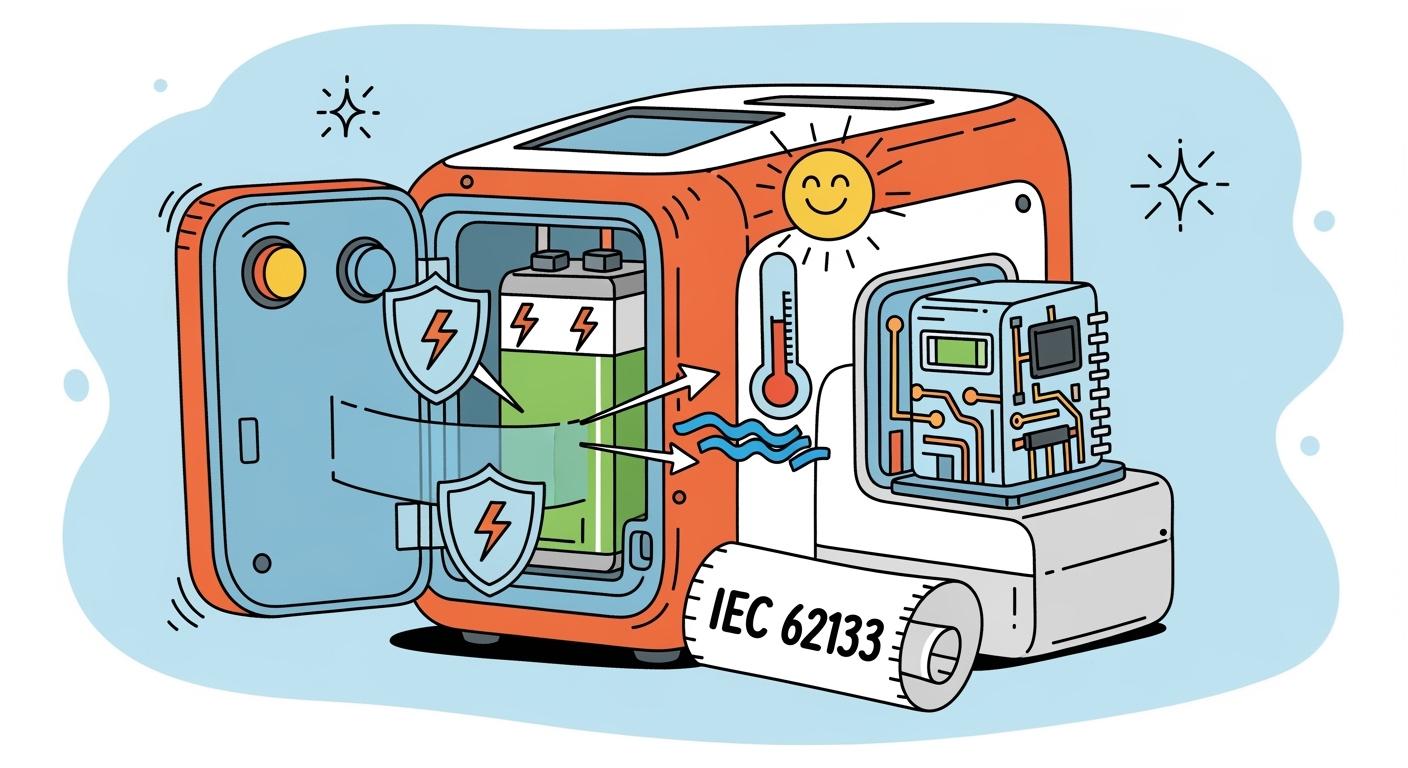
You must follow strict Safety Standards when making lithium battery packs for oxygen concentrators. These rules keep users safe and help you avoid problems. Problems can include device failure, delays with rules, and safety dangers when using or charging. The table below lists some common risks if you do not follow the rules:
Risk Description | Explanation |
|---|---|
Regulatory delays or rejections | Not following rules can cause big delays in getting approval. |
Device failure in the field | Old or changing batteries can make devices stop working without warning. |
Risks during use or charging | Charging the wrong way can be dangerous when the device is used. |
Instability in device electronics | Not following rules can mess up the device’s electronics and cause trouble. |
Challenges in managing recalls | If you cannot track batteries, it is hard to recall or fix them. |
You need BMS protection, good thermal control, and IEC 62133 compliance to keep things safe and get your product to market easily.
Key Takeaways
Always use strict safety rules to keep lithium battery packs safe and reliable for oxygen concentrators.
Put in a Battery Management System (BMS) to check battery health and stop problems like overheating and overcharging.
Follow IEC 62133 rules to sell batteries and earn trust from healthcare workers.
Use good ways to control heat so batteries do not get too hot and last longer.
Test and take care of batteries often to stop failures and keep people safe in hospitals.
Part1: Safety Standards Overview
1.1 Key Regulations for Medical Battery Packs
You need to know the main Safety Standards for lithium battery packs in oxygen concentrators. These rules help you make products that are safe and work well for medical use. The table below lists the most important standards and what they cover:
Certification/Standard | Overview | Key Focus |
|---|---|---|
IEC 62133 | Safety requirements for portable sealed secondary cells and batteries, including Li-ion | Mechanical, electrical, and environmental abuse |
UL 1642 | Focuses on safety of lithium cells, evaluating risks of fire or explosion | Individual cell safety under various conditions |
UL 2054 | Targets battery packs composed of multiple cells, evaluating overall safety | Protective circuitry, enclosure, and wiring safety |
ISO 13485 | Quality management for medical devices | Ensures compliance with safety and regulatory standards |
The FDA and other groups want you to follow these Safety Standards. This makes sure your lithium battery packs are safe and high quality. If you follow these rules, you can avoid device problems and keep people safe.
1.2 Impact of Compliance on Market Access
Following Safety Standards keeps patients and healthcare workers safe. It also helps you get your products approved and sold in more places. If you meet these standards, your battery packs are less likely to break or hurt someone. You lower the chance of recalls and legal trouble.
Note: If you do not follow these standards, you might have shipment delays, fail certification, or lose access to markets. Airlines and shipping companies have strict rules for lithium batteries because they can catch fire. You must follow these rules to ship your products by air or sea.
Always check the newest rules for each market. This helps you avoid expensive mistakes and makes sure your oxygen concentrators get to hospitals and clinics on time.
Part2: BMS Protection
2.1 BMS Functions and Fault Protection
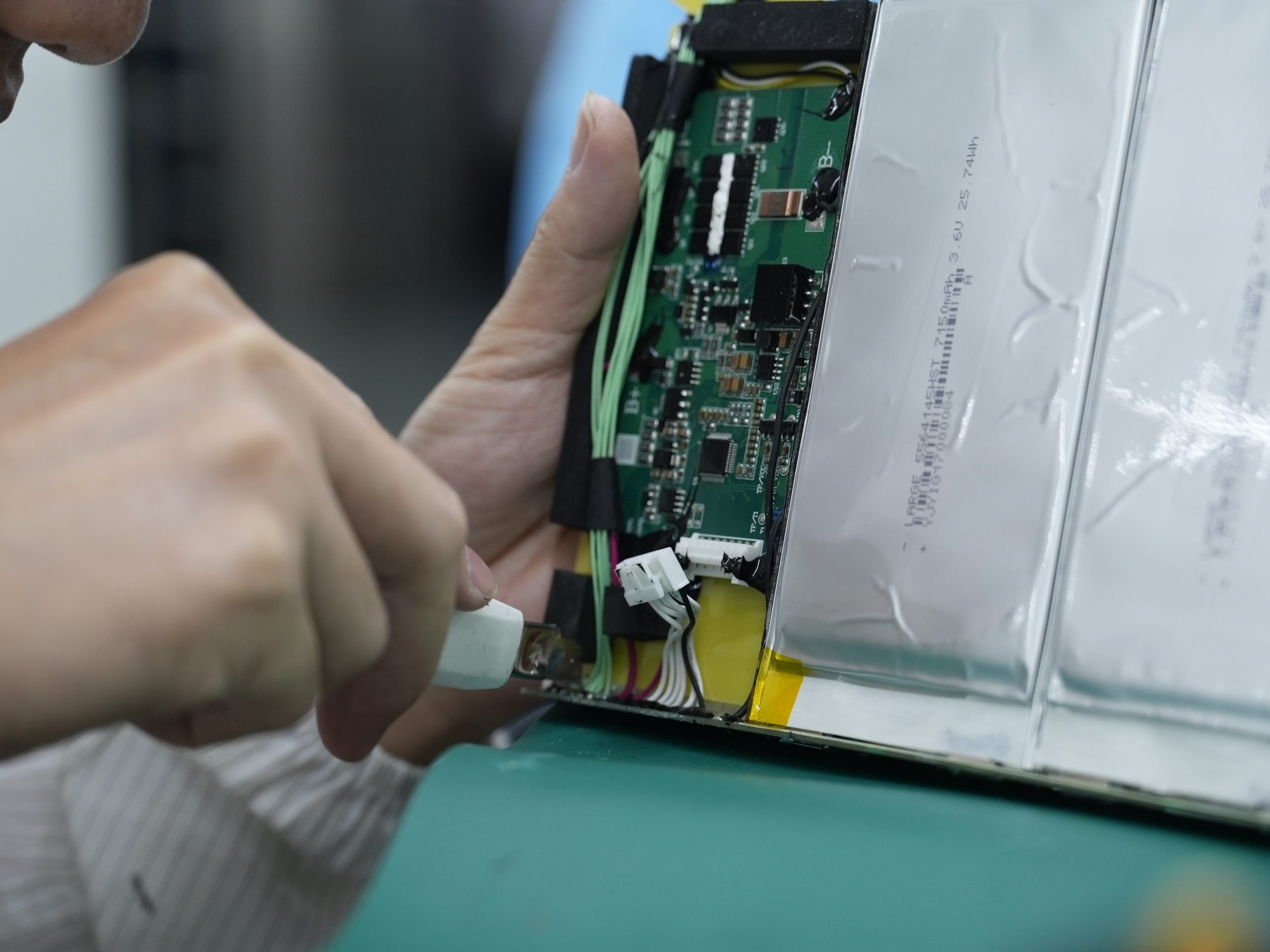
A Battery Management System, or BMS, is very important. It helps keep lithium battery packs safe in oxygen concentrators. The BMS works like the brain of the battery pack. It checks each cell to make sure everything is working right.
Here is a table that shows what a BMS does in medical lithium battery packs:
Core Function | Description |
|---|---|
Continuous Monitoring | Watches each cell’s voltage, current, and temperature to keep the pack safe. |
Protection and Safety Systems | Stops too much or too little voltage, which can hurt cells or start fires. |
Cell Balancing Technology | Makes sure all cell voltages are even for better performance and longer battery life. |
A BMS can find many types of problems. It can spot electrical faults like bad wires or blown fuses. It can find insulation faults, like shorts. It can notice thermal faults, such as leaks or overheating. It can see BMS faults, like sensor mistakes. It can catch electrochemical faults, like overcharging. It gives warnings, from small alerts to big shutdowns. It always checks voltage, current, and temperature. It uses chemical sensors to find harmful gases. It uses mechanical sensors to feel shocks or vibration.
Tip: A BMS helps you stop expensive recalls. It also keeps your devices safe in hospitals and clinics.
2.2 Monitoring and Regulation in Medical Devices
You must use a BMS that follows strict rules for medical devices. This keeps lithium battery packs safe and dependable. Here is how BMS monitoring and rules help you:
Make sure your design and tests follow FDA standards like UL 2054 and UL 1642.
Follow IEC 60601 and IEC 62133 for worldwide rules.
Use risk management and tracking to lower safety risks.
A BMS also balances cell voltages and controls heat. This is important for safe charging and using the battery. You keep patients and staff safe by using a BMS that meets these rules.
Part3: Thermal Control
3.1 Overheating Risks in Lithium Batteries
You need to watch out for overheating in lithium battery packs. When you use oxygen concentrators, batteries can get hot. This happens during charging or when used a lot. High heat can hurt the cells and make batteries not last as long. It can even cause fires or explosions. If you do not control the heat, people and machines can be in danger. Overheating can also make the device turn off suddenly. This can stop important medical care. Safety Standards say you must always check and control battery temperature.
Some lithium chemistries, like NMC and LCO, have more energy. They can get hot faster than LiFePO4. The table below shows how common lithium chemistries are different:
Chemistry | Platform Voltage (V) | Energy Density (Wh/kg) | Cycle Life (cycles) | Overheating Risk |
|---|---|---|---|---|
LiFePO4 | 3.2 | 90-120 | 2000+ | Low |
NMC | 3.7 | 150-220 | 1000-2000 | Medium |
LCO | 3.7 | 150-200 | 500-1000 | High |
LMO | 3.7 | 100-150 | 500-1000 | Medium |
Note: Pick the right chemistry for your needs. Lower overheating risk means it is safer to use with oxygen.
3.2 Thermal Management Strategies
There are many ways to control heat in lithium battery packs. Good design uses space between cells and lets air move around them. You can also use special materials to help move heat away. For example, phase-change polymers and graphene layers can soak up and spread heat. These materials help stop fires and keep batteries cool, even when used a lot.
Other ways include using temperature sensors and smart cooling systems. The BMS can turn off the battery if it gets too hot. You should test battery packs in real-life situations to make sure your heat control works. Following Safety Standards helps stop overheating and keeps devices safe for hospitals and clinics.
Tip: Check your battery packs often for heat damage, like swelling or color changes. Fixing problems early can stop bigger issues.
Part4: IEC 62133 and Safety Testing
4.1 IEC 62133 Requirements
You have to follow IEC 62133 when you make lithium battery packs for oxygen concentrators. This rule gives clear steps for safety and how well batteries work. It is for lithium-ion and nickel batteries in portable medical devices. IEC 62133 looks at how batteries and their protection circuits work together to stop dangers.
The table below lists the main things lithium battery packs must do for IEC 62133:
Test Type | Purpose | Key Parameters |
|---|---|---|
External short circuit | Checks battery when the ends are connected together | Less than 150°C rise, no fire or explosion in 1 hour |
Abnormal charging | Tests what happens if charged too much | No fire or explosion |
Forced discharge | Checks battery when used below safe voltage | No fire or explosion |
Crush | Pretends the battery is squished | No fire or explosion in 1 hour |
Impact | Drops or hits battery to see if it breaks | No fire or explosion |
Shock | Tests battery with hard shakes | No fire or explosion |
Thermal abuse | Heats battery to high temperature (130°C for Li-ion) | No fire or explosion in 30 minutes |
Cycling | Charges and uses battery many times at high heat | No fire, explosion, or leaks after cycling |
Internal short circuit | Checks what happens if battery fails inside | No fire or explosion |
You also need to add protective parts in your battery packs. These parts stop overcharging, using up too much power, and short circuits. IEC 62133 says you must watch voltage, current, and temperature. You should balance cells in packs with more than one cell for best safety and use.
Note: IEC 62133 is known all over the world as a basic rule for product approval. If you meet these rules, you can sell your products in more places and show they are safe.
4.2 Essential Safety Tests
You have to do many safety tests to show your lithium battery packs are safe for medical use. IEC 62133 tells you which tests to do to make sure batteries work well and do not fail in a dangerous way. Each test copies real problems that could happen in hospitals and clinics.
Here is a table that explains the main safety tests you must do:
Test Type | Description |
|---|---|
Overcharge Test | Checks what happens if the charger gives too much voltage. Battery is charged with steady current, not over 5.0V/cell. |
External Short Circuit | Done at two temperatures (20 ± 5°C and 55 ± 5°C). Circuit resistance is 80 ± 20 mΩ or less. Test can last up to 24 hours. |
Forced Discharge | Uses battery below safe voltage to see if it catches fire or explodes. |
Crush | Pushes hard on battery to see if it breaks. |
Impact | Drops or hits battery to check if it can take a hit. |
Shock | Shakes battery hard to see if it stays safe. |
Thermal Abuse | Heats battery to 130°C for 30 minutes to check for fire or explosion. |
Cycling | Charges and uses battery many times at high heat to check for leaks or failure. |
Internal Short Circuit | Pretends battery fails inside to see if it catches fire or explodes. |
You must use these tests to show your battery packs are safe for oxygen concentrators. The approval process checks how your batteries handle electric, physical, and heat stress. You must prove your battery packs have protection circuits and ways to watch them. These features help stop short circuits, overcharging, and getting too hot.
The table below shows what the IEC 62133 approval process looks at:
Key Aspect | Description |
|---|---|
Standard Applicability | For lithium-ion and nickel batteries in portable medical devices |
Test Categories | Includes overcharge, short circuit, heat, and physical stress tests |
System-Level Safety Emphasis | Looks at how battery and protection circuits work together |
Required Protective Mechanisms | Must stop overcharging, using up too much power, and short circuits |
Global Recognition | Used as a basic rule for product approval in many places |
Tip: Getting IEC 62133 approval helps hospitals and clinics trust your batteries. It shows your lithium battery packs follow strict Safety Standards and lowers the chance of battery problems.
You make batteries safer and more reliable by following IEC 62133. You help keep patients and workers safe from battery failures. You also make it easier to sell your products in other countries.
IEC 62133 approval makes sure lithium-ion batteries meet tough safety and performance rules.
It looks at important safety parts like stopping short circuits, overcharging, and heat problems.
Following IEC 62133 helps people trust your batteries and lowers the risk of battery accidents.
Part5: Implementation for Manufacturers and Users
5.1 Design for Compliance
You need to make lithium battery packs safe and follow the rules. This matters for medical devices, robots, security, buildings, electronics, and factories. Here are some good ways to do this:
Put insulation and space between cells to stop short circuits.
Use strong cases to protect from too much current.
Add vents or fans to help cool batteries and lower fire risk.
Use a Battery Management System (BMS) to watch battery health and warn if something is wrong.
Pick the best lithium chemistry for your needs. The table below shows how common chemistries compare:
Chemistry | Platform Voltage (V) | Energy Density (Wh/kg) | Cycle Life (cycles) | Overheating Risk |
|---|---|---|---|---|
LiFePO4 | 3.2 | 90-120 | 2000+ | Low |
NMC | 3.7 | 150-220 | 1000-2000 | Medium |
LCO | 3.7 | 150-200 | 500-1000 | High |
LMO | 3.7 | 100-150 | 500-1000 | Medium |
5.2 Testing and Quality Assurance
You should test lithium battery packs at every step. This keeps batteries safe in all jobs, like medical and factory work. Here are some smart things to do:
Add backup systems for extra safety.
Make sure the BMS can turn off the battery and warn people if there is a problem.
Build the BMS to block interference from other electronics.
Check BMS software with rules like IEC 62304.
Pick the right chemistry and write down any risks when you design.
Use trusted labs for tests like IEC 62133-2 and UN 38.3.
Put test results and risk checks in your paperwork for approval.
Watch battery performance after selling and plan safe ways to throw out old batteries.
Lab tests help you find problems before people use the batteries. Using world standards and getting certificates makes batteries safer.
5.3 User Safety Guidelines
You need to give users easy safety steps in every field. These tips help stop battery problems:
Bring extra, fully charged batteries if you need power for more than three hours.
Keep spare batteries in different bags so the ends do not touch.
Only use approved chargers and check wires and battery ends every month.
Clean battery ends with a dry, soft cloth.
Take old or broken batteries to special recycling centers.
If you follow these tips, battery accidents are less likely. Batteries with safety marks, like UL, give you more confidence.
You keep patients safe and protect your company by following Safety Standards for lithium battery packs in oxygen concentrators. Using BMS protection, good thermal control, and IEC 62133 compliance helps you stop failures and make batteries work better. You also get these benefits for a long time:
Batteries last longer and need fewer changes.
You spend less money and make less waste.
There are fewer problems and it is easier to keep track of batteries.
Some new changes to world rules are:
Change Description | Details |
|---|---|
Division by Chemistry | IEC 62133 now has separate rules for nickel and lithium chemistries (IEC 62133-1/2). |
New Definitions | The rules now explain words for batteries, leaks, and safety better. |
Expanded Requirements | There are more rules for lithium cells and batteries to make them safer. |
Keep watching for new rules and good ways to do things. This helps you follow the rules and give safe, reliable products.
FAQ
What is the main safety standard for lithium battery packs in medical devices?
You should use IEC 62133. This rule checks if lithium battery packs are safe. It is used for batteries in oxygen concentrators. The rule has tests for short circuits, too much charging, and heat. If you follow this rule, you can sell your products in many countries.
How does a BMS improve battery safety in oxygen concentrators?
A BMS watches voltage, current, and temperature. It stops the battery from getting too full or too hot. You get warnings if something is wrong. This system helps stop fires and device problems in hospitals.
Which lithium battery chemistry is safest for oxygen concentrators?
LiFePO4 is the safest for overheating. It has a platform voltage of 3.2V. Its energy density is 90–120 Wh/kg. It can last for over 2,000 cycles. See the table below to compare chemistries:
Chemistry | Platform Voltage (V) | Energy Density (Wh/kg) | Cycle Life | Overheating Risk |
|---|---|---|---|---|
LiFePO4 | 3.2 | 90–120 | 2000+ | Low |
NMC | 3.7 | 150–220 | 1000–2000 | Medium |
LCO | 3.7 | 150–200 | 500–1000 | High |
LMO | 3.7 | 100–150 | 500–1000 | Medium |
Why do you need thermal management in lithium battery packs?
Thermal management keeps batteries from getting too hot. This helps stop fires and sudden shutdowns. Good thermal control makes batteries last longer. It also keeps people safe in hospitals, clinics, and factories.
What happens if you skip IEC 62133 testing?
You could have recalls, shipping delays, or not be able to sell. Airlines and shipping companies may not let you send your batteries. Hospitals and clinics might not use your devices. Always test and certify your lithium battery packs before selling them.


