

You rely on industrial communication equipment to perform in environments where failure is not an option. Extreme temperatures, constant vibration, moisture, and electromagnetic interference can disrupt wireless signals, control devices, and remote monitoring systems. High-reliability lithium-ion battery packs help keep communication modules, industrial gateways, sensors, and backup systems powered through demanding conditions. With the right chemistry, enclosure design, thermal protection, and BMS, you can improve safety, runtime, and long-term stability in industrial systems and infrastructure applications.
Key Takeaways
High-Reliability Lithium Batteries provide long life and safety, making them ideal for harsh industrial environments.
Choose the right battery chemistry for your application to ensure optimal performance and reliability.
Regular monitoring and maintenance of batteries can extend their lifespan and reduce operational costs.
Consider total cost of ownership, including installation and maintenance, when selecting battery solutions.
Advanced battery management systems enhance safety and performance, preventing failures in critical operations.
Part 1: High-Reliability Lithium Batteries in Industrial Communication
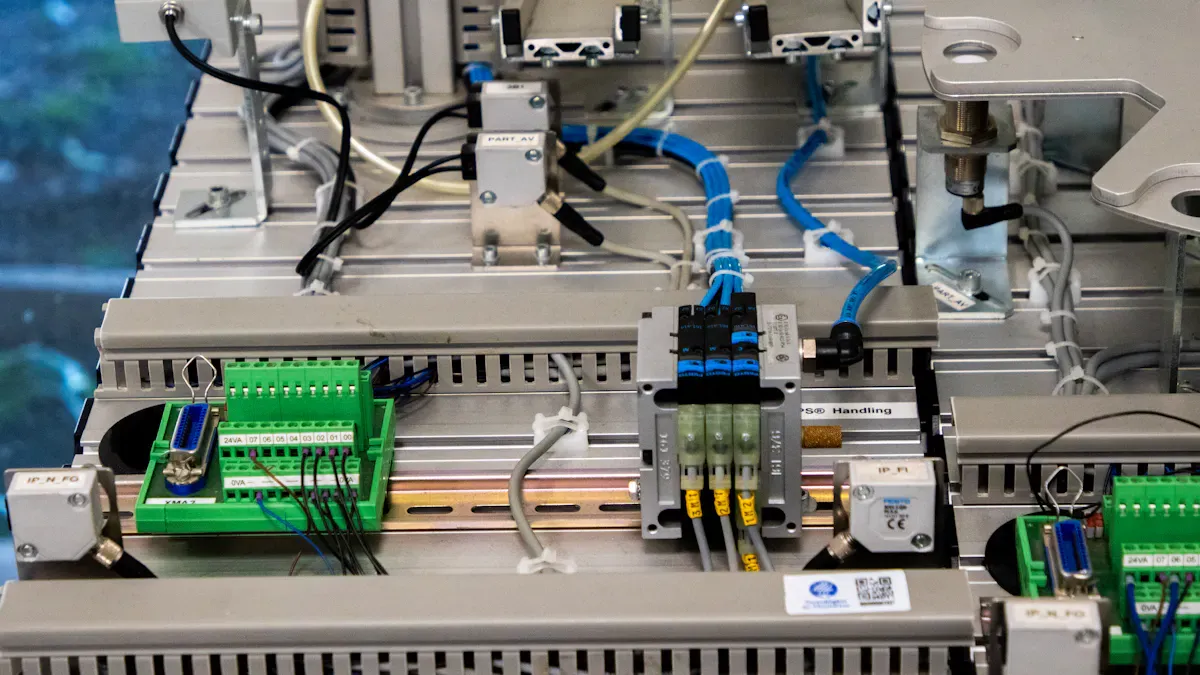
1.1 Key Reliability Factors
You need batteries that deliver consistent performance in the toughest industrial environments. High-Reliability Lithium Batteries stand out because they combine advanced safety features, long service life, and minimal maintenance. The following table highlights the primary reliability factors you should consider when evaluating lithium batteries for your communication equipment:
Reliability Factor | Description |
|---|---|
Safety | Integrated battery management systems (BMS) control charge rate, voltage, and temperature for safe operation. |
Maintenance | Continuous monitoring and management help prevent safety risks and unexpected failures. |
Design Life | Lithium batteries offer a longer design life than traditional chemistries, reducing replacement frequency. |
Cycle Life | You can cycle lithium batteries up to 25 times more than VRLA batteries, which extends operational lifespan. |
Battery Management System | Proprietary BMS provides tailored safety protection for each battery chemistry, including LiFePO4, NMC, LCO, and LMO. |
When you operate in harsh conditions, you must prioritize batteries that resist extreme temperatures, offer long cycle life, and maintain low self-discharge rates. These features ensure your systems stay powered and reliable:
Batteries that withstand extreme temperatures keep your equipment running in hot or cold environments.
Long cycle life reduces downtime and maintenance costs by minimizing replacements.
Low self-discharge rates help batteries retain their charge, supporting long-term energy storage and reducing operational expenses.
Choosing batteries with low self-discharge also supports sustainability by decreasing waste and promoting greener manufacturing practices.
You should always match the battery chemistry to your application. For example, LiFePO4 batteries provide excellent thermal stability and safety, making them ideal for medical and security systems. NMC and LMO chemistries offer high energy density, which suits robotics and industrial automation. LCO batteries are common in portable communication devices due to their lightweight design.
Tip: Always verify that your battery supplier provides detailed technical data and safety certifications for each chemistry. This ensures compatibility and reliability for your specific industrial needs.
1.2 Role in Mission-Critical Operations
You depend on High-Reliability Lithium Batteries to keep mission-critical systems running without interruption. These batteries play a vital role in sectors such as telecommunications, medical infrastructure, robotics, and security systems. Their impact extends across three layers of national infrastructure: communication, energy storage, and transport.
Lithium batteries support essential services in data centers, hospitals, telecommunication hubs, and industrial automation.
Their energy efficiency ensures your systems maintain power during outages, which is crucial for continuous operation.
Fast recharge capability allows for quick recovery after power loss, minimizing downtime.
The long lifespan of lithium batteries means you replace them less often, which is especially important in remote or hazardous locations.
You benefit from advanced battery management systems that monitor voltage, current, and temperature. These systems prevent overcharging and deep discharging, which protects your investment and extends battery life.
In global production and technology, lithium batteries hold strategic importance. For example, the U.S. military relies on lithium-based technologies for critical communications and advanced applications such as drones and energy weapons. Satellite systems also depend on lithium batteries to deliver navigation and communication services that support national security.
Note: When you select High-Reliability Lithium Batteries, you ensure your operations remain resilient, even in the most demanding environments.
Part 2: Power Needs and Battery Selection
2.1 Assessing Power Demands
You must evaluate the power requirements of your industrial communication equipment before selecting a battery solution. Devices such as industrial switches operate in extreme temperatures, from -40°C to 85°C. These switches often use dual power redundancy designs to ensure continuous operation during power failures. High protection ratings, like IP40 or IP67, indicate strong resistance to dust and moisture. You should consider the uptime, voltage, and current needs of your equipment. Modular battery systems allow you to scale energy storage as your network grows. Each module operates independently, which improves safety and maintenance efficiency. You can expand capacity or adjust power levels to meet changing demands in dynamic environments.
2.2 Choosing the Right Chemistry
Selecting the right battery chemistry is crucial for reliable performance. Lithium-ion batteries deliver high energy density and consistent energy over long periods. Their lightweight design and superior storage capacity make them ideal for applications that require immediate high-power output. You can choose from several chemistries, each with unique properties:
Battery Chemistry | Voltage Characteristics | Temperature Range | Power Delivery Capabilities |
|---|---|---|---|
LiFePO4 | Stable | Wide | High safety, moderate energy |
NMC | High | Moderate | High energy density |
LCO | High | Moderate | Lightweight, portable |
LMO | Moderate | Wide | Good for high discharge |
You should match the chemistry to your application. For example, LiFePO4 suits medical and security systems due to its thermal stability. NMC and LMO are preferred in robotics and industrial automation for their energy density and discharge rates. LCO works well in portable communication devices.
2.3 Why Lithium Is Preferred
You benefit from lithium batteries because they offer high energy density, longer lifespan, and reduced maintenance. High-Reliability Lithium Batteries enable longer operation times without increasing size or weight. You can optimize charging and discharging cycles, which supports sustainability and reduces waste. Modular designs allow for easy upgrades and replacements, minimizing downtime. Matching battery chemistry to your equipment ensures optimal performance. Lithium batteries provide high uptime and space efficiency, which is essential for modern data centers and industrial networks.
Tip: Optimized charging and discharging cycles help you achieve greater sustainability.
Part 3: Battery Life & Safety

3.1 Longevity and Cycle Life
You need batteries that last for years in demanding environments. High-Reliability Lithium Batteries offer long operational life and high cycle counts, which reduces downtime and replacement costs. You can choose between primary and secondary lithium batteries, depending on your application:
Primary lithium batteries last 10-20 years, making them ideal for security systems, infrastructure monitoring, and medical devices that require low maintenance.
Secondary lithium batteries provide 500 to over 2000 cycles, which suits robotics, industrial automation, and communication equipment that need frequent recharging.
Long battery life means you spend less on replacements and maintenance. You also minimize system downtime, which is critical for industrial and medical operations. Accurate monitoring of battery state of charge (SoC) and state of health (SoH) helps you optimize performance and extend service life. Efficient battery management systems play a key role in this process.
Tip: Extended battery life leads to lower operational costs and higher reliability for your business.
3.2 Safety Features and Certifications
You must ensure your batteries meet strict safety standards. The following table shows key certifications for lithium batteries in industrial communication:
Certification | Description |
|---|---|
UN38.3 | Transportation safety for lithium batteries |
UL/CSA | North American safety standards |
IEC | European compliance certifications |
ABYC E-13 | Marine industry requirements |
Manufacturers use advanced safety strategies to protect your systems:
Safety Strategy | Description |
|---|---|
Dedicated Safety Devices | Protection vents, current fuses, and additives to prevent faults |
Thermal Management | Air, liquid, or phase change cooling to control heat |
Fire Suppression | Extinguishing agents like water and halons for fire control |
These features help you avoid risks such as overheating, short circuits, and fire, which is essential for medical, robotics, and industrial applications.
3.3 Environmental Resistance
You operate in environments with extreme temperatures, moisture, and vibration. Lithium batteries must withstand these challenges to ensure reliable performance:
Condition | Performance Impact |
|---|---|
High Temperature | Risk of thermal runaway above 80°C; accelerated degradation |
Low Temperature | Power capacity drops sharply; from 800 W/L at 25°C to 10 W/L at -40°C |
Moisture | Needs robust construction to prevent damage |
Vibration | Must resist mechanical stress in mobile and industrial applications |
You should select batteries with strong environmental resistance for outdoor infrastructure, construction tools, and mobile robotics. This ensures your systems stay operational, even in harsh conditions.
Note: High-Reliability Lithium Batteries support critical operations in medical, security, and industrial sectors by delivering consistent power and safety.
Part 4: Cost, Maintenance, and Monitoring
4.1 Total Cost of Ownership
You need to understand the total cost of ownership when investing in lithium battery packs for industrial communication equipment. The initial purchase price represents only a fraction of the overall expense. You must consider installation labor, replacement costs, charging infrastructure, and downtime during maintenance. Lithium batteries offer significant cost savings compared to lead-acid systems. They last 10 years or more, cycle up to 4000 times, and discharge to lower levels without reducing lifespan. You benefit from higher efficiency, reduced maintenance, and space and weight savings. These advantages impact installation and operational costs across medical, robotics, security, and infrastructure applications.
Cost Factor | Impact on Ownership |
|---|---|
Extended Lifespan | Fewer replacements, lower costs |
Extended Cycle Life | Longer service, less downtime |
Greater Depth of Discharge | More usable energy, higher value |
Higher Efficiency | Lower energy loss, reduced expenses |
Reduced Maintenance | Less labor, fewer disruptions |
Space and Weight Savings | Easier installation, lower overhead |
Tip: Lithium-ion batteries range from $100 to $300 per kWh. For large systems, total costs can reach $20–$40 million, but long-term savings outweigh initial investments.
4.2 Maintenance Best Practices
You must follow best practices to maximize battery reliability and lifespan. Store lithium-ion batteries at around 15°C (59°F) and maintain a state of charge near 40%. Use fire suppression systems and ensure proper ventilation and humidity control. Isolate batteries within fire-rated buildings, use climate control, and install sensors to prevent thermal runaway. Regular maintenance enhances performance and longevity. Periodic checks, such as monitoring charge levels and storage conditions, prevent premature failure. Neglecting maintenance can lead to permanent loss of capacity. In medical, robotics, and security systems, proper care ensures uninterrupted operation.
Store batteries at ideal temperature and charge level.
Implement fire suppression and climate control.
Monitor battery conditions with sensors and detectors.
Schedule routine inspections to prevent capacity loss.
Note: Lithium iron batteries can last 5–15 years and provide up to 2000 complete cycles or 6000 partial cycles, depending on usage.
4.3 Performance Monitoring
You need robust performance monitoring tools to safeguard communication services and assets. Continuous monitoring tracks voltage, current, and temperature, enabling early fault detection and proactive maintenance. Custom lithium battery solutions require systematic evaluation of electrical, mechanical, and operational parameters. Environmental monitoring stations, asset tracking devices, and infrastructure sensors rely on reliable battery packs for uninterrupted operation in remote or harsh locations. Real-time diagnostics help you manage energy efficiently and extend battery life. Remote monitoring supports preventive maintenance and reduces downtime in industrial, medical, and security applications.
For advanced battery management, explore battery management systems (BMS), which provide real-time diagnostics and enhance reliability.
Part 5: Trends and Recommendations
5.1 Advances in Lithium Battery Technology
You see rapid progress in lithium battery technology shaping industrial communication equipment. Custom battery pack development lets you meet specific performance needs for medical devices, robotics, and security systems. Smart battery management systems give you critical data to optimize battery use and extend service life. Lithium-ion batteries deliver economic and environmental benefits, making them a preferred choice for industrial applications. You can select tailored voltage configurations and specialized enclosures to address unique challenges in infrastructure and consumer electronics. Smart battery functionality helps you manage charge cycles and predict runtime, improving reliability in harsh environments.
Modular battery systems are changing the way you approach sustainability. You replace only faulty modules, which reduces electronic waste. Modular designs allow practical disassembly and recycling of individual components. You use fewer raw materials over time, lowering environmental impact. Fewer replacements and repairs decrease carbon emissions.
Benefit | Description |
|---|---|
Reduced Waste | Only faulty modules need replacement, minimizing electronic waste. |
Easier Recycling | Modular systems allow practical disassembly and recycling. |
Resource Efficiency | Fewer raw materials needed over time, reducing environmental impact. |
Lower Carbon Footprint | Fewer replacements and repairs lead to less manufacturing and shipping. |
5.2 Selecting Reliable Power Solutions
You must use clear criteria to select reliable lithium battery power solutions for industrial communication equipment. Assess battery chemistry, voltage, capacity, and battery management system design for compatibility and safety. Ensure batteries meet international standards like UN38.3, IEC, and UL for safety and reliability. Evaluate manufacturing capability, quality control, and long-term supply reliability. Consider lifecycle costs, warranty terms, and degradation expectations over time.
Criteria | Description |
|---|---|
Technical Specifications | Assess battery chemistry, voltage, capacity, and BMS design for compatibility and safety. |
Compliance and Certification | Ensure batteries meet international standards for safety and reliability. |
Supplier Evaluation | Evaluate manufacturing capability, quality control, and supply reliability. |
Total Cost of Ownership | Consider lifecycle costs, warranty terms, and degradation expectations. |
You match energy and power requirements, duty cycles, and space constraints to your application. Prioritize total cost of ownership over initial price. Leverage customization for optimal performance. Look for essential certifications and stable manufacturer support.
To optimize battery reliability in harsh environments, follow these recommendations:
Manage extreme heat by keeping batteries below 86°F (30°C).
Control humidity with protective casings, especially in coastal areas.
Minimize dust exposure by cleaning devices and using dust-proof enclosures.
Stabilize power supply with surge protectors.
Limit power-hungry applications to extend battery life.
Tip: You improve operational efficiency and sustainability by adopting modular battery systems and smart management features.
When you select batteries for industrial communication, you must focus on these key factors:
Assess your application’s energy, power, and space needs.
Prioritize total cost of ownership, not just initial price.
Customize voltage, BMS, and enclosures for your system.
Review charge rates, temperature tolerance, and cycle life.
Regular testing and monitoring help you prevent failures and maintain safety. High-Reliability Lithium Batteries support your business with long life and strong performance. Choose solutions that match your operational and environmental demands for future-ready reliability.
FAQ
What makes lithium battery packs reliable for industrial communication equipment?
Reliable lithium-ion battery packs combine stable output, strong cell consistency, rugged construction, and a well-designed Battery Management System (BMS). These features help industrial communication equipment operate safely in environments with vibration, moisture, temperature changes, and electromagnetic interference. For demanding industrial systems, battery reliability depends on both cell chemistry and pack-level protection design.
How do LiFePO4, NMC, LCO, and LMO chemistries compare for industrial use?
What certifications should you look for in lithium battery packs?
You should check for UN38.3, IEC 62133, IEC 62619, CE, RoHS, and application-specific safety documentation. UN38.3 supports safe lithium battery transport. IEC 62133 is common for portable lithium batteries, while IEC 62619 applies to industrial lithium battery systems. Large Power can support certification planning for custom battery packs used in industrial, medical, security, and infrastructure applications.
How can you maximize battery life and safety in harsh environments?
You can maximize battery life by using a proper BMS, avoiding deep discharge, controlling operating temperature, selecting IP-rated enclosures, and matching the charger to the battery chemistry. Regular inspection, capacity checks, and real-time diagnostics help prevent unexpected failures in security cameras, industrial communication networks, and remote infrastructure equipment.
Which industries benefit most from high-reliability lithium batteries?
High-reliability lithium batteries support medical devices, robotics, security systems, infrastructure, and industrial automation. These applications need uninterrupted power, stable voltage, environmental resistance, and safe long-term operation.


