

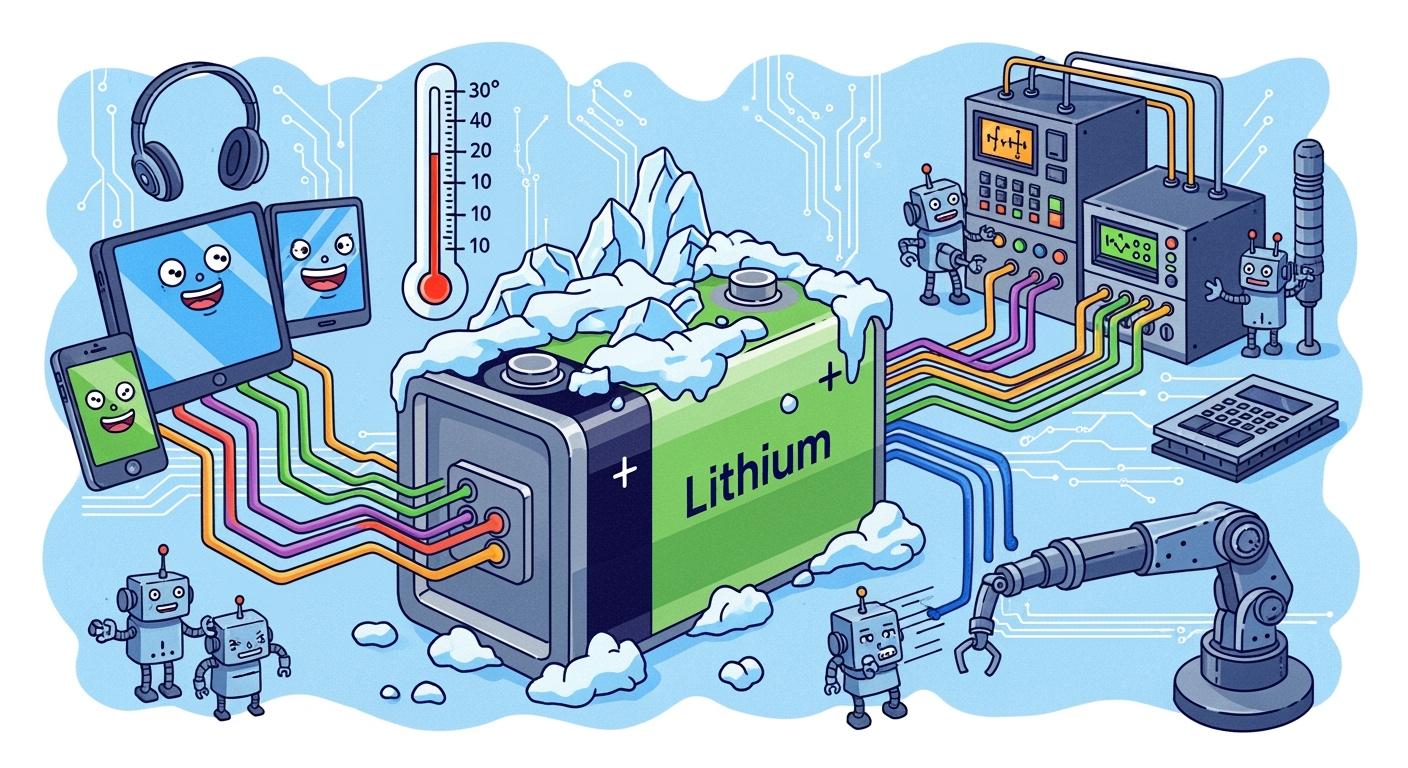
You face unique challenges when designing Low-Temperature Lithium Batteries for portable and industrial devices. Cold conditions slow down electrochemical reactions. This leads to less capacity and lower efficiency. You also see safety risks, such as lithium plating, which can cause internal short circuits. Cold weather forces batteries to use more energy to keep warm. These problems make reliable operation difficult. You need innovative solutions to ensure battery packs work safely and efficiently in harsh environments.
Key Takeaways
Low temperatures significantly reduce the capacity and efficiency of lithium batteries, dropping to as low as 20% at extreme cold. Choose batteries designed for cold climates to ensure reliable performance.
Safety risks increase in cold environments due to lithium plating and dendrite formation. Implement smart battery management systems to monitor and mitigate these risks.
Advanced electrolyte formulations and innovative electrode materials can enhance battery performance in low temperatures. Consider these options when designing battery packs for harsh conditions.
Effective thermal management techniques, such as heating solutions and liquid cooling, are essential for maintaining battery performance in cold weather. Always monitor battery temperatures during operation.
Selecting the right battery chemistry, like LiFePO4 or NMC, is crucial for applications in cold climates. These chemistries offer better capacity retention and cycle life in low temperatures.
Part 1: Low-Temperature Lithium Batteries—Key Challenges

1.1 Electrochemical Reaction Slowdown
You notice that Low-Temperature Lithium Batteries struggle to maintain normal electrochemical reactions in cold environments. When the temperature drops, the movement of lithium ions slows down. This makes it harder for the battery to deliver power. The charge-transfer resistance increases, which means the battery cannot move energy as efficiently. You see this effect most clearly below -20°C, where the battery’s performance drops sharply.
Recent studies show that the rate of lithium-ion transport decreases as temperature drops. Increased charge transfer resistance and sluggish ion movement within the electrolyte are central reasons for the decline in battery performance. This resistance increases significantly at lower temperatures, especially at the graphite-electrolyte interface, which creates barriers during both charging and discharging.
The following table summarizes how low temperatures affect the main electrochemical reactions in lithium batteries:
Evidence Description | Findings |
|---|---|
Increased charge-transfer resistance | Coulombic efficiency drops to ~30% at -20°C, indicating poor performance. |
Changes in SEI composition | Higher proportion of inorganic LiF and thinner SEI at low temperatures. |
Morphology of lithium deposits | Nanoscale deposits lead to increased ‘dead lithium’ formation, affecting efficiency. |
1.2 Capacity and Efficiency Loss
You experience a significant drop in both capacity and efficiency when using Low-Temperature Lithium Batteries in cold climates. At 0°C, these batteries retain about 95-98% of their capacity. When the temperature falls to -30°C, capacity drops to 50%. Below -30°C, you may see capacity decrease to only 20%. The energy efficiency also suffers. At optimal temperatures, lithium batteries can reach over 95% efficiency. Near 0°C, efficiency can fall below 80%. In practical terms, this means you get much less usable energy from your battery pack in cold weather.
At 0°C, lithium batteries retain about 95-98% capacity.
At -30°C, capacity drops to 50%.
Below -30°C, capacity can decrease to 20%.
You also need to manage discharge rates carefully. Batteries discharged at higher currents in cold conditions lose efficiency faster than those discharged at lower currents.
1.3 Safety Risks in Cold Environments
You face increased safety risks when operating lithium battery packs in low temperatures. The electrolyte becomes more viscous and less mobile, which slows down lithium-ion movement. When you charge a battery below 0°C, lithium ions may deposit on the anode surface instead of entering the anode material. This process, called lithium plating, is irreversible and leads to a permanent loss of capacity. Lithium plating can also form dendrites—needle-like structures that may pierce the separator and cause internal short circuits. These risks make it essential to use proper charging protocols and battery management systems in cold environments.
Lithium-ion batteries suffer from worsened performance when operated at low ambient temperatures, which is a major hindrance to the adoption of electric vehicles (EVs) in colder climates. Increased charge transfer resistance and sluggish transport through the bulk electrolyte at low temperatures are central reasons for the decline in battery performance.
1.4 Cycle Life Reduction
You will see the cycle life of Low-Temperature Lithium Batteries decrease with repeated exposure to cold. Each time you charge and discharge the battery at low temperatures, the risk of lithium plating and dendrite formation increases. This leads to higher internal resistance and a permanent loss of usable capacity. Over time, these effects shorten the battery’s lifespan and reduce reliability in both portable and industrial applications.
Low temperatures cause the electrolyte to become less mobile and more viscous.
This impedes lithium-ion movement between electrodes during charging.
Lithium ions may deposit on the anode surface, leading to lithium plating.
Lithium plating is irreversible and causes permanent capacity loss.
Dendrites from lithium plating can grow and cause internal short circuits.
Comparison of Lithium Battery Chemistries in Low-Temperature Environments
You should consider the differences between common lithium battery chemistries when designing for cold climates. The table below compares key properties:
Chemistry | Platform Voltage (V) | Energy Density (Wh/kg) | Typical Cycle Life (cycles) | Low-Temperature Performance |
|---|---|---|---|---|
LiFePO4 | 3.2 | 90-140 | 2000+ | Moderate |
NMC | 3.6-3.7 | 150-220 | 1000-2000 | Good |
LCO | 3.7 | 150-200 | 500-1000 | Poor |
LMO | 3.7 | 100-150 | 500-1000 | Moderate |
You see that NMC batteries usually perform better in cold environments compared to LCO and LMO. LiFePO4 offers good cycle life but may not deliver as much energy at low temperatures. Always match the chemistry to your application’s needs, especially for portable and industrial devices used in harsh climates.
Part 2: Performance Degradation Mechanisms
2.1 Ion Transport Limitations
You see that ion transport slows down in Low-Temperature Lithium Batteries when the temperature drops. Lithium ions move less efficiently between the electrodes. This happens because the charge transfer resistance increases and the solid electrolyte interphase (SEI) becomes less conductive. You also notice slow desolvation and sluggish movement through the porous electrodes. These changes make it harder for your battery pack to deliver power, especially in portable and industrial devices used in cold climates.
High local current densities can develop at the separator-cathode interface. This results from lower kinetics and reduced charge carrier mobility at low temperatures. Over time, you may see cathode particle fracture and more SEI layer formation, which both reduce battery life.
Mechanism | Description |
|---|---|
Poor Kinetics | Increased SEI resistance and reduced Li+ diffusion coefficient in electrodes |
Decreased Conductivity | Lower ionic and electronic conductivity, affecting electrolyte performance |
Li Plating | Formation of Li dendrites on anode surface, posing safety risks |
2.2 Increased Electrolyte Viscosity
You encounter another challenge with Low-Temperature Lithium Batteries: the electrolyte becomes thicker as the temperature drops. This higher viscosity slows down lithium-ion movement. As a result, your battery pack loses efficiency and cannot deliver energy as quickly. The conductivity of the electrolyte drops sharply at subzero temperatures. For example, at -20°C, the conductivity falls to less than 12% of its value at 45°C.
Higher viscosity leads to sluggish ionic transport.
Increased charge transfer resistance and slow desolvation make battery performance worse.
Temperature (°C) | Conductivity (% of 45 °C) |
|---|---|
-20 | < 12% |
45 | 100% |
You need to consider these changes when designing battery packs for use in cold environments.
2.3 Internal Resistance and Dendrite Formation
You must manage the rise in internal resistance that comes with cold temperatures. As resistance increases, lithium ions struggle to enter the anode’s graphite structure. This can cause lithium plating, where metallic lithium forms on the anode surface. Dendrites—needle-like structures—may grow from this plating. These dendrites can pierce the separator and cause internal short circuits, which can lead to rapid heating or even thermal runaway.
Cold temperatures increase internal resistance in batteries.
Dendrites form on the anode during rapid charging in cold conditions.
Dendrites can penetrate separators, causing internal short circuits and permanent damage.
Charging speeds must be limited in cold weather to reduce the risk of dendrite-induced short circuits. You need to use careful battery management strategies to keep your lithium battery packs safe and reliable in portable and industrial applications.
Part 3: Engineering Solutions for Low-Temperature Lithium Batteries
When you design lithium battery packs for cold climates, you need to use advanced engineering strategies. These solutions help you overcome the performance and safety challenges that come with low temperatures. You can improve battery reliability and efficiency by focusing on four main areas: electrolyte formulations, electrode materials, thermal management, and smart battery management systems.
3.1 Advanced Electrolyte Formulations
You can boost the performance of lithium battery packs in cold environments by using advanced electrolyte formulations. Standard electrolytes become thick and lose conductivity at low temperatures. To solve this, you can add special solvents and additives.
Fluorinated solvents increase ionic conductivity in lithium phosphate batteries.
These solvents lower both viscosity and melting points, which helps ions move more easily in the cold.
Batteries with these additives work better in extreme weather, making them ideal for industrial and portable devices used outdoors.
Laboratory tests show that batteries with advanced electrolytes can retain 93.3% of their capacity after 100 cycles at -60°C. This high level of reliability means your devices can keep running even in harsh winter conditions.
3.2 Electrode Material Innovations
You can also improve low-temperature performance by choosing the right electrode materials. New materials and structures help lithium ions move faster and reduce the risk of lithium plating.
The TNO-x@N | LiNi0.8Co0.1Mn0.1O2 pouch cell keeps a capacity of 2.05 Ah after 80 cycles at -30°C.
At -20°C, this cell delivers a stable capacity of 229.0 mAh g−1 and retains 99.8% of its capacity after 70 cycles.
At -30°C, it maintains a reversible capacity of 215.4 mAh g−1 after 70 cycles, which is much better than standard TNO or solid TNO cells.
A charge capacity of 212.5 mAh g−1 at -30°C equals 75.4% of the room-temperature capacity.
You can also use nanostructured or composite electrodes to further enhance performance. The table below compares a leading nanostructured material with commercial options:
Feature | Description |
|---|---|
Material | Anatase TiO2 nanoparticles in carbon nanopores |
Performance | High-rate anode for Li-ion hybrid supercapacitors |
Specific Capacity | ≈140 mAh g−1 (slow charge), ≈60 mAh g−1 (3.5 s fast charge) |
Operating Temp | Works at subzero temperatures as low as −40°C |
Comparison | 3–7x higher volumetric capacitance than commercial activated carbons |
These innovations help you design battery packs that deliver stable power for portable and industrial equipment, even in freezing conditions.
3.3 Battery Pack Thermal Management
You need to manage the temperature of your lithium battery packs to prevent performance loss and safety risks in cold climates. Several thermal management techniques can help:
Heating solutions, such as PTC heaters or heating films, keep batteries warm and safe for charging.
Liquid cooling systems maintain optimal battery temperatures, even when the environment is very cold.
Hybrid systems combine heating and cooling to give you the best performance in changing weather.
By using these methods, you can ensure your battery packs work reliably in outdoor industrial equipment, electric vehicles, and portable devices used in winter.
Tip: Always monitor the temperature of your battery packs during operation. This helps you avoid sudden drops in performance and extends battery life.
3.4 Smart Battery Management Systems
Smart Battery Management Systems (BMS) play a key role in keeping your lithium battery packs safe and efficient in low temperatures.
Preconditioning warms the battery before use, which reduces performance loss.
Advanced thermal management spreads heat evenly across the battery pack.
Robust cell balancing keeps all cells at similar voltage levels, even in the cold.
Enhanced safety features detect and fix problems like lithium plating.
Optimized power electronics give you accurate control and measurement in extreme cold.
Predictive algorithms use machine learning to forecast battery behavior based on past data.
With these smart systems, you can protect your battery packs from damage and get the most out of your investment, whether you use them in portable devices or industrial machinery.
By combining these engineering solutions, you can overcome the main challenges of Low-Temperature Lithium Batteries and ensure reliable operation in any climate.
Part 4: Applications in Portable and Industrial Devices
4.1 Portable Device Use Cases
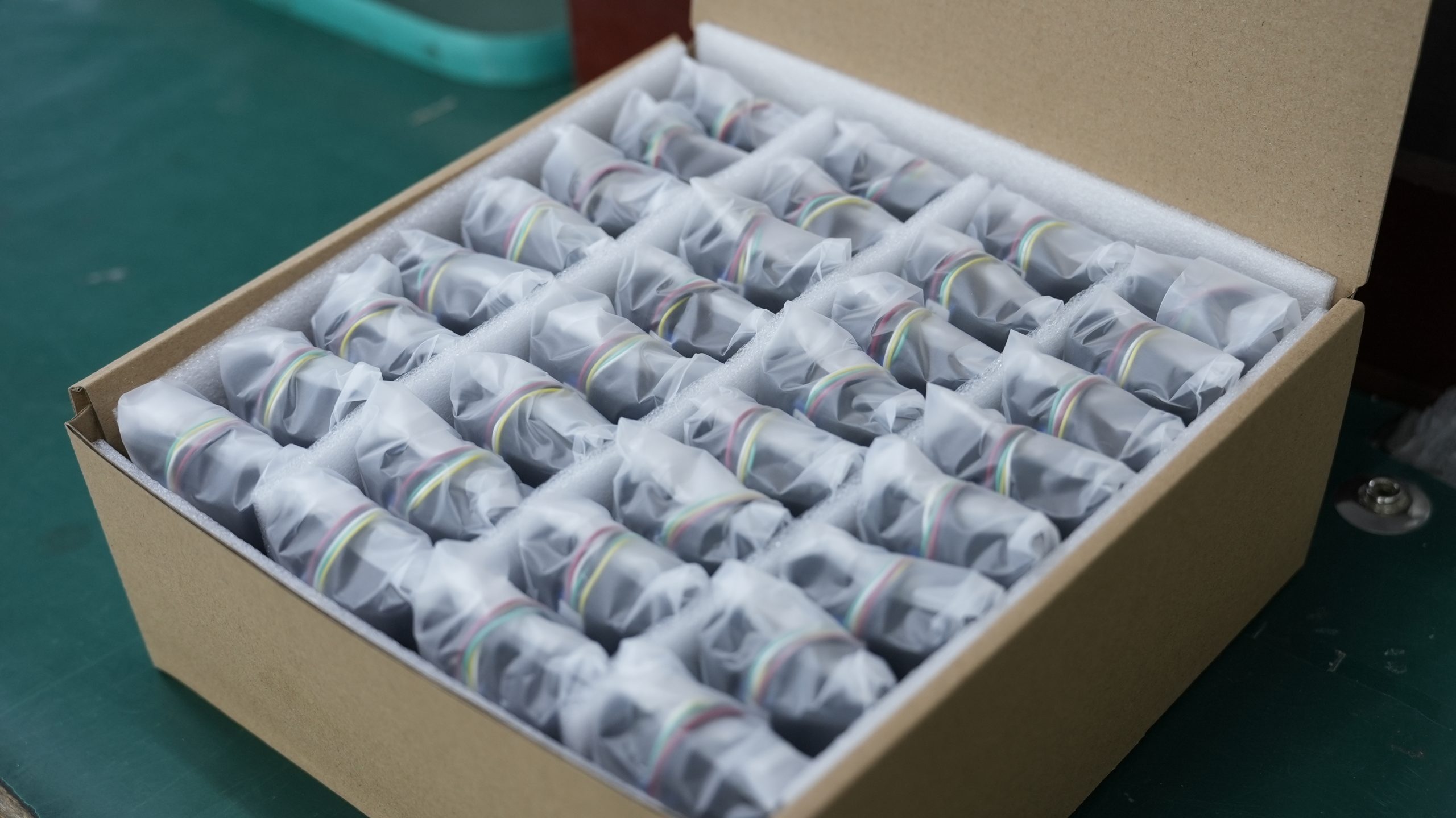
You rely on lithium battery packs in many portable devices, especially in cold environments. Medical equipment, such as portable defibrillators and infusion pumps, must work reliably during emergencies. LiFePO4 and NMC chemistries offer stable performance and long cycle life, making them popular choices for these applications. Security systems, including wireless cameras and motion sensors, often operate outdoors. You need batteries that can deliver power even when temperatures drop below freezing. Consumer electronics, like GPS trackers and rugged smartphones, also benefit from advanced battery designs. These devices use smart battery management systems to prevent sudden shutdowns and extend battery life in winter conditions.
Tip: Choose battery packs with advanced thermal management for portable devices used in extreme climates. This helps you avoid unexpected power loss.
4.2 Industrial Equipment in Cold Climates
You see lithium battery packs powering a wide range of industrial equipment in harsh environments. Robotics and drones used for infrastructure inspection must operate at subzero temperatures. In transportation, you find lithium batteries in railway signaling and remote monitoring systems. Field tests show strong performance in extreme cold:
Arctic coastal permafrost monitoring sensors in Svalbard maintained a 3.2V output at -42°C, retaining 82% capacity for continuous data transmission.
Offshore maritime beacon and AIS sensors used custom cells to enable cold-starting and peak power transmission at -35°C without voltage drop.
Industrial automation systems, such as pipeline monitoring and mining robots, also depend on reliable battery packs. You can select NMC or LiFePO4 chemistries for their balance of energy density and cycle life. These batteries help you maintain operations and safety, even in the most challenging climates.
4.3 Field Deployment Lessons
You learn valuable lessons from deploying lithium battery packs in real-world cold environments. Preconditioning and thermal management improve reliability. You should monitor battery health and use smart battery management systems to detect early signs of lithium plating or capacity loss. Field data shows that choosing the right chemistry and design can prevent failures. For long-term sustainability, consider the environmental impact of your battery choices.
Note: Regular maintenance and careful selection of battery packs help you achieve consistent performance in both portable and industrial applications.
You face several challenges when using lithium battery packs in cold environments. Low temperatures reduce capacity, increase internal resistance, and create safety risks. Ongoing research brings hope for better solutions.
Nanostructured materials and solid-state electrolytes improve low-temperature performance and safety.
AI and machine learning help you optimize battery design for harsh conditions.
Industry collaboration leads to advanced battery management systems and new chemistries for critical applications.
You can expect future batteries to deliver greater reliability, stability, and cost-effectiveness in both portable and industrial sectors.
FAQ
What makes LiFePO4 and NMC batteries suitable for cold climates?
You benefit from LiFePO4 and NMC batteries because they offer stable performance and long cycle life. These chemistries retain capacity better at low temperatures, making them ideal for medical equipment, security systems, and industrial automation.
How can you prevent lithium plating in cold environments?
You can prevent lithium plating by using smart battery management systems. Preconditioning warms the battery before charging. Limiting charging speed and monitoring temperature also reduce the risk of plating and dendrite formation.
Which industries rely on low-temperature lithium battery packs?
You see low-temperature lithium battery packs used in medical devices, security systems, robotics, drones, railway signaling, and offshore sensors. These industries require reliable power in harsh climates.
What is the impact of increased electrolyte viscosity on battery performance?
Increased electrolyte viscosity slows ion movement. You experience lower conductivity and reduced efficiency. Battery packs lose capacity and deliver less power in cold conditions.
How do you extend battery life in portable and industrial devices?
You extend battery life by choosing advanced electrode materials, using thermal management, and deploying smart battery management systems. Regular maintenance and monitoring help you achieve consistent performance.


