

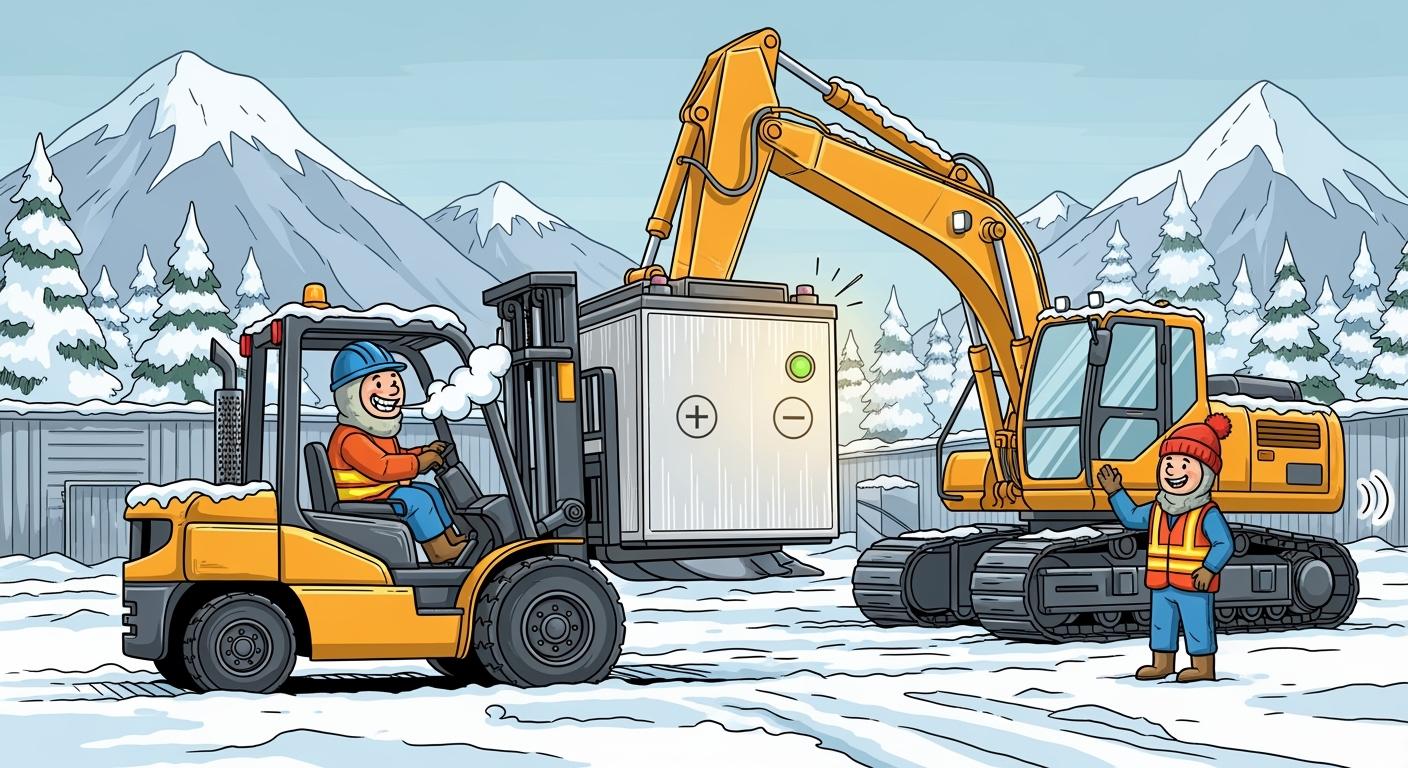
When you operate outdoor industrial equipment in cold climates, Low-Temperature Lithium Batteries deliver reliable performance and safety where standard batteries often fail. You benefit from stable discharge and reduced capacity loss even in freezing conditions. Proper selection and regular maintenance of these batteries help you maximize uptime and minimize risks.
Feature | Low-Temperature Lithium Batteries | Standard Batteries |
|---|---|---|
Performance in Cold | Maintains stable performance | Experiences degradation |
Capacity Loss | Reduced capacity loss | Higher capacity loss |
Safety in Charging | Safer charging | Riskier charging |
Key Takeaways
Low-Temperature Lithium Batteries perform reliably in cold climates, maintaining power where standard batteries fail.
Proper selection and maintenance of these batteries can maximize uptime and reduce risks in outdoor industrial equipment.
Monitor battery temperature during operation and charging to prevent safety hazards and ensure optimal performance.
Choose the right battery chemistry, like LiFePO4 or NMC, based on your specific operational needs and temperature requirements.
Follow best practices for storage and charging, such as keeping batteries partially charged and pre-warming them before use.
Part1: Cold Weather Challenges for Equipment

1.1 Battery Performance in Low Temperatures
You face significant challenges when operating lithium battery packs in cold environments. Low temperatures increase internal resistance, which complicates both charging and discharging. As resistance rises, voltage drops become more pronounced, and power output diminishes. Chemical reactions inside the battery slow down, reducing efficiency and making energy delivery less reliable. Charging below freezing can cause swelling and internal short circuits, which may result in permanent damage. These risks demand careful attention to battery selection and management.
Tip: Always monitor battery temperature during operation and charging to prevent safety hazards.
Decreased efficiency: Cold slows chemical reactions, lowering power output.
Voltage drop: Higher internal resistance causes significant voltage loss.
Safety risks: Charging below freezing can lead to swelling and internal short circuits.
1.2 Equipment Types Most Affected
Outdoor industrial equipment relies on consistent power, especially in harsh climates. You see the greatest impact in sectors where uninterrupted operation is critical. The following equipment types experience the most severe cold-weather challenges:
Industry | Equipment Examples |
|---|---|
Medical | Portable diagnostic devices, mobile imaging units |
Robotics | Autonomous vehicles, robotic arms |
Security System | Surveillance cameras, access control panels |
Infrastructure/Transportation | Traffic signals, railway sensors, remote monitoring stations |
Consumer Electronics | Outdoor kiosks, digital signage |
Industrial | Remote sensors, automated machinery |
Low-Temperature Lithium Batteries help you maintain reliable operation across these applications. You minimize downtime and reduce maintenance costs by choosing batteries designed for cold environments. Equipment in medical, robotics, and infrastructure sectors especially benefits from stable performance and enhanced safety.
Part2: Low-Temperature Lithium Batteries Technology
2.1 Key Features for Cold Environments
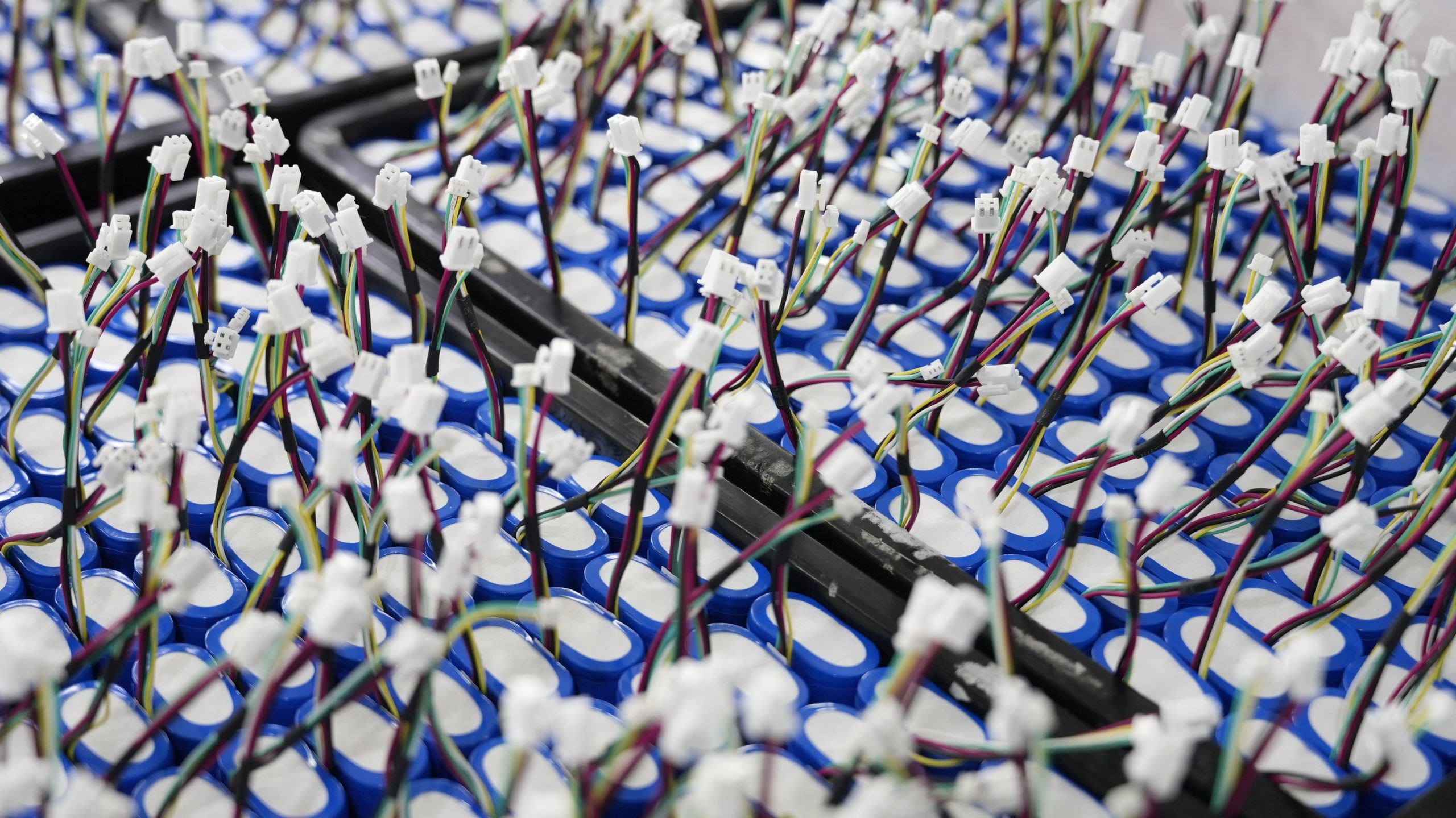
You need batteries that deliver consistent power, even when temperatures drop well below freezing. Low-Temperature Lithium Batteries use advanced materials and engineering to maintain high performance in harsh conditions. These batteries can operate efficiently at temperatures as low as -20°C (-4°F), which is essential for outdoor industrial equipment.
Key technical features include:
Lower internal resistance, which allows stable discharge from -20°C up to 60°C.
High discharge efficiency, with over 60% efficiency at 0.2C and -40°C, and over 80% at 0.2C and -30°C.
Capacity retention above 85% after 300 cycles when charged at 20°C to 30°C.
Use of high melting-point solvents in the electrolyte to manage viscosity and lithium ion transfer.
Thicker SEI (Solid Electrolyte Interphase) membrane at low temperatures, which increases impedance but protects the battery.
Three-dimensional anode structures that restrict lithium ion diffusion, affecting discharge capacity.
You also benefit from innovations in electrolyte chemistry. Manufacturers add electronegative fluorine atoms to polar solvent molecules, improving the desolvation process and lithium ion mobility. Compounds such as methyl 3,3,3-trifluoropionate (MTFP) and ethyl trifluoroacetate (ETFA) help batteries perform reliably in extreme cold.
Note: Small particle size in the electrode material enhances lithium ion diffusion and contact with the electrolyte, further improving cold-weather performance.
2.2 Differences from Standard Lithium Batteries
Low-Temperature Lithium Batteries differ from standard lithium batteries in several critical ways. You must use specialized chargers that maintain precise voltage and current levels. Charging protocols for these batteries often include pre-warming techniques to prevent lithium plating and degradation, which standard lithium batteries do not require.
Feature | Low-Temperature Lithium Batteries | Standard Lithium Batteries |
|---|---|---|
Operating Temperature Range | -40°C to 60°C | 0°C to 45°C |
Charging Protocol | Requires pre-warming and precise control | Standard charging |
Discharge Efficiency at -30°C | >80% | <30% |
Internal Resistance | Lower at low temperatures | Higher at low temperatures |
Safety in Cold Charging | Enhanced, with reduced risk of lithium plating | Increased risk of plating |
Maintenance Needs | Requires temperature monitoring and management | Standard maintenance |
You face risks such as reduced capacity and increased internal resistance if you do not follow proper charging protocols. These risks are less common with standard lithium batteries but can lead to permanent damage in low-temperature applications.
2.3 Types of Low-Temperature Lithium-Ion Batteries
You have several options when selecting Low-Temperature Lithium Batteries for industrial use. The main types include:
18650 lithium-ion
Soft polymer lithium-ion
Phosphate lithium-ion
Each type offers unique advantages and disadvantages for outdoor industrial equipment. The table below summarizes key points:
Battery Type | Advantages | Disadvantages |
|---|---|---|
Lithium Titanate (LTO) | Excellent cold charging | Reduced capacity in extreme cold |
LiPo (Soft Polymer) | Lightweight | Charging restrictions |
Ultra Low Temperature Lithium | Extreme environment use | Higher manufacturing cost |
You gain reliable cold-weather performance, faster charging at low temperatures, longer service life in cold regions, better energy efficiency, and lightweight design. You must also consider reduced capacity in extreme cold, charging restrictions, higher manufacturing costs, and the need for thermal management.
For a broader technical comparison, the table below outlines the main lithium battery chemistries used in industrial applications:
Chemistry | Standardized Name | Operating Temp Range | Energy Density (Wh/kg) | Cycle Life (cycles) | Cold Temp Performance | Safety Level |
|---|---|---|---|---|---|---|
Lithium Cobalt Oxide | LCO | 0°C to 45°C | 150-200 | 500-1000 | Poor | Moderate |
Lithium Nickel Manganese Cobalt Oxide | NMC | -20°C to 60°C | 150-220 | 1000-2000 | Good | High |
Lithium Iron Phosphate | LiFePO4 | -20°C to 60°C | 90-160 | 2000-4000 | Excellent | Very High |
Lithium Manganese Oxide | LMO | 0°C to 45°C | 100-150 | 500-1500 | Moderate | High |
Solid-State Lithium | Solid-State | -20°C to 60°C | 200-300 | 1000-3000 | Excellent | Very High |
Lithium Metal | Lithium Metal | -30°C to 60°C | 300-400 | 500-1000 | Excellent | Moderate |
You should select the chemistry that best matches your operational requirements, considering temperature range, energy density, cycle life, and safety.
Tip: Always consult with your battery supplier to ensure compatibility with your equipment and compliance with industrial safety standards.
Part3: Benefits for Outdoor Equipment
3.1 Reliability and Consistency
You depend on reliable power for outdoor industrial equipment, especially in cold climates. Low-Temperature Lithium Batteries deliver stable discharge performance, faster charging, and longer service life. These features ensure your operations remain consistent even when temperatures drop below freezing. You see these benefits across industries such as medical, robotics, security systems, infrastructure, consumer electronics, and industrial applications.
Feature | Benefit in Cold Climates |
|---|---|
Stable discharge performance | Ensures reliable operation where standard batteries fail. |
Faster charging capabilities | Ideal for quick energy replenishment in cold conditions. |
Longer service life | Maintains functionality in extreme conditions. |
You use these batteries to power remote monitoring systems, winter outdoor devices, and high-altitude electronics. Emergency backup systems in cold climates also rely on this technology. Real-world applications show improved reliability in electric vehicles, outdoor equipment, and renewable energy storage. For example, Tesla uses advanced thermal management and battery heaters to maintain performance during winter. RICHYE integrates high-conductivity materials and effective thermal management for reliable operation in extreme cold.
Application Area | Example Company | Key Innovations |
|---|---|---|
Electric Vehicles (EVs) | Tesla | Advanced thermal management systems, battery heaters, and liquid cooling systems for winter performance. |
Outdoor Equipment | RICHYE | High-conductivity materials and effective thermal management for reliable performance in extreme cold. |
Renewable Energy Storage | N/A | Cold-resistant materials and thermal management to ensure reliability in fluctuating temperatures. |
Tip: You can improve operational efficiency and reduce downtime by selecting batteries designed for cold environments.
3.2 Longevity and Safety
You need batteries that last and operate safely in harsh conditions. Lithium-ion batteries generally have a longer lifespan than lead-acid batteries in cold environments. Their efficiency can drop if not managed properly, but with the right design, you maintain effectiveness even in freezing temperatures. Cold temperatures can reduce available capacity due to thickening of the electrolyte, but proper management and battery chemistry selection help you overcome these challenges.
Safety features in low-temperature lithium batteries protect your equipment and personnel. Internal heaters maintain optimal temperature for battery operation. Temperature sensors monitor battery temperature to prevent overheating or freezing. Battery Management Systems (BMS) ensure safe charging and discharging. Self-healing functions allow the battery to recover from minor damages.
Feature | Description |
|---|---|
Internal heaters | Help maintain optimal temperature for battery operation. |
Temperature sensors | Monitor battery temperature to prevent overheating or freezing. |
Battery Management Systems | Ensure safe charging and discharging processes. |
Self-healing functions | Allow the battery to recover from minor damages. |
Cold temperatures can stress the battery’s parts, leading to damage.
Quick temperature changes can cause expansion and contraction, possibly harming the battery.
Note: You should always monitor battery health and follow recommended maintenance practices to maximize longevity and safety.
3.3 Performance Metrics in Cold
You measure battery performance by voltage stability, capacity retention, and operational efficiency. Low-Temperature Lithium Batteries maintain voltage and capacity at subzero temperatures, while standard lithium-ion batteries lose 30%-50% capacity below 0°C. Specialized electrolyte compositions and modified electrode materials improve conductivity and ion diffusion in freezing conditions. Internal heaters and sensors provide thermal management for stability.
Feature | Low-Temperature Lithium Batteries | Standard Lithium-Ion Batteries |
|---|---|---|
Performance in Cold | Maintains voltage and capacity at subzero temperatures | Loses 30%-50% capacity below 0°C |
Electrolyte Composition | Low-viscosity formulations for conductivity in freezing | Standard electrolytes can freeze and lose function |
Electrode Materials | Modified anodes/cathodes for better ion diffusion | Standard materials may hinder performance in cold |
Thermal Management | Includes internal heaters and sensors for stability | Lacks advanced thermal management features |
Applications | Suitable for EVs, aerospace, military, and outdoor use | Limited performance in cold environments |
You achieve higher operational efficiency and safety by integrating these batteries into your equipment. Industries such as medical, robotics, security systems, infrastructure, consumer electronics, and industrial sectors benefit from improved performance metrics in cold climates.
Callout: You should evaluate your current battery solutions and consider upgrading to low-temperature lithium batteries for enhanced reliability, longevity, and safety in cold environments.
Part4: Selecting and Managing Low-Temperature Lithium Batteries
4.1 Selection Criteria for Industrial Use
You must evaluate several factors when selecting low-temperature lithium batteries for outdoor industrial equipment. Start by confirming the minimum operating temperature for both discharge and charging. Battery chemistry plays a critical role. Choose LiFePO4 for safety, NMC for high energy density, or LTO for ultra-low-temperature charging. Capacity retention ensures your battery maintains performance over time in cold climates.
Minimum operating temperature: Verify discharge and charging ranges.
Battery chemistry: Match LiFePO4, NMC, or LTO to your application needs.
Capacity retention: Select batteries that sustain capacity in freezing conditions.
Tip: Low-temperature lithium batteries support stable discharge in freezing environments. They are essential for remote monitoring systems, winter outdoor devices, high-altitude electronics, and emergency backup systems.
4.2 Compatibility and Integration
Integrating low-temperature lithium batteries into existing equipment requires careful consideration. You must address challenges such as electrolyte viscosity, lithium ion mobility, and internal resistance. These factors affect performance and safety.
Challenge Type | Description |
|---|---|
Electrolyte Viscosity | Increases at low temperatures, affecting battery performance. |
Lithium Ion Mobility | Decreases, leading to reduced efficiency in energy transfer. |
Internal Resistance | Rises, causing performance degradation and increased heat generation. |
Voltage Drop | Occurs rapidly under load, impacting the battery’s ability to deliver power. |
Capacity Fade | Significant decrease in available capacity at low temperatures. |
Safety Risks | Increased internal resistance can lead to overheating and potential damage. |
Low-temperature lithium batteries improve system performance by maintaining reliability in sub-zero conditions. Enhanced ionic conductivity and improved electrode materials support faster lithium-ion movement and reduce charge transfer resistance.
Note: Battery management systems (BMS) help monitor temperature and prevent unsafe charging. Learn more about BMS integration.
4.3 Storage and Charging Best Practices
Proper storage and charging maximize battery lifespan and performance. Store batteries in dry, moderate environments between 10°C and 20°C (50°F and 68°F). Insulated storage cases or thermal bags help regulate temperature. Maintain a charge level between 50% and 80% during storage.
Store batteries in a warm place above 10°C when not in use.
Use insulation to maintain temperature.
Pre-heat batteries before use or charging if exposed to freezing conditions.
Active thermal management systems with heating elements optimize battery temperature.
When charging in cold weather:
Warm the battery before charging to at least 0°C.
Use low charging current to minimize risks.
Select cold-weather chargers designed for these environments.
Monitor battery temperature with a BMS.
Callout: GSL Energy’s LiFePO4 battery systems demonstrate resilience in telecom base stations, rural microgrids, and cold warehouses. Intelligent BMS protection and heating film options ensure reliable operation during extreme winter weather.
Low-temperature lithium batteries solve cold-weather challenges for your outdoor industrial equipment by maintaining high capacity and reliability where standard batteries fail. You ensure optimal performance by selecting advanced chemistries like LiFePO4 or solid-state, using proper installation, and following best maintenance practices.
Key Factor | Impact on Reliability in Cold Environments |
|---|---|
Advanced Electrolyte | Enhances ionic conductivity at low temperatures |
Optimized Materials | Improves ion flow and energy output |
Thermal Management | Prevents freezing and capacity loss |
You should store batteries in cool, dry places, keep them partially charged, and use dedicated chargers.
Evaluate your current battery packs and consider upgrading to low-temperature lithium solutions for improved uptime, safety, and cost savings.
FAQ
What makes low-temperature lithium batteries suitable for industrial outdoor equipment?
You benefit from advanced electrolyte formulations and optimized electrode materials. These features maintain high capacity and stable discharge at temperatures as low as -20°C. You ensure reliable operation for critical equipment in cold climates.
How do LiFePO4 and NMC batteries compare for cold-weather performance?
Chemistry | Operating Temp Range | Energy Density (Wh/kg) | Cold Temp Performance |
|---|---|---|---|
LiFePO4 | -20°C to 60°C | 90-160 | Excellent |
NMC | -20°C to 60°C | 150-220 | Good |
You select LiFePO4 for safety and longevity. You choose NMC for higher energy density.
Can you charge lithium battery packs safely below freezing?
You must pre-warm the battery to at least 0°C before charging. Specialized chargers and battery management systems help you prevent lithium plating and internal damage. You avoid safety risks by following manufacturer guidelines.


