

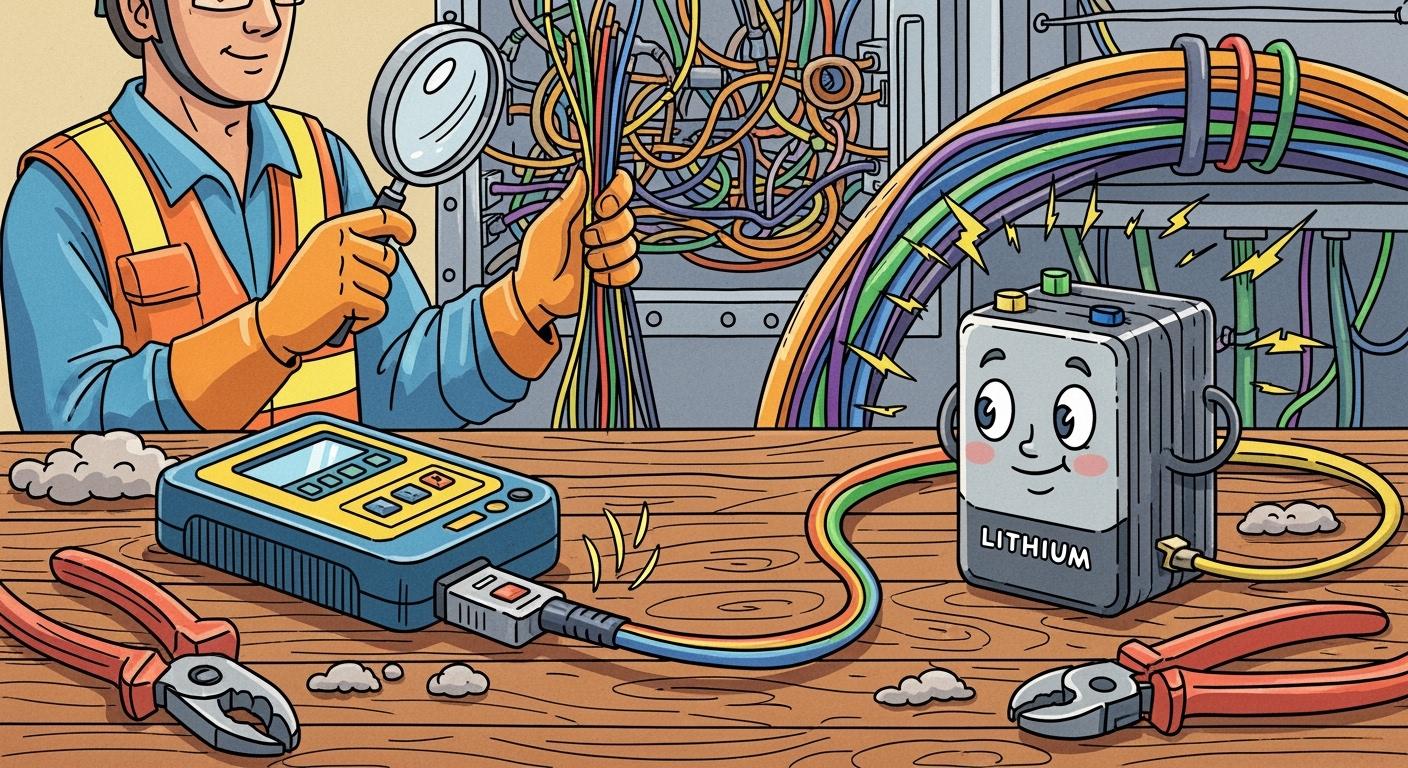
You face demanding conditions when locating cable faults in the field. Reliable, portable power keeps your equipment running and your team safe. Lithium Battery Solutions offer extended runtime, a lightweight build, and steady power output—key factors that boost technician efficiency and equipment usability. Recent studies show that these batteries improve workplace safety, reduce downtime, lower maintenance costs, and increase productivity:
Benefit | Impact on Technician Efficiency and Equipment Usability |
|---|---|
Improved workplace safety | Reduces risks for technicians, enhancing operational focus |
Reduced downtime | Increases availability of equipment for maintenance tasks |
Lower maintenance costs | Frees up technician time for other critical tasks |
Increased productivity | Allows technicians to accomplish more in less time |
Better energy efficiency | Enhances overall equipment performance and reliability |
Key Takeaways
Lithium batteries offer extended runtime, allowing up to 8 hours of continuous operation, which helps you complete more tasks without interruptions.
Lightweight designs reduce fatigue and improve mobility, making it easier to transport equipment across challenging work environments.
Long cycle life means fewer replacements, saving you time and money while ensuring reliable performance over the years.
Built-in safety features protect against overcharging and overheating, enhancing the safety of your operations in the field.
Choosing the right lithium battery chemistry, like LiFePO4 or NMC, ensures optimal performance and efficiency for your cable fault locator.
Part1: Power Needs for Portable Cable Fault Locators
1.1 Field Operation Demands
You often work in challenging environments when you locate cable faults. These environments include underground vaults, remote substations, and outdoor utility sites. You need equipment that is easy to carry, quick to set up, and reliable in all weather conditions. Portable cable fault locators must operate for long hours without access to grid power. You may need to test multiple cables or move between sites during a single shift.
Tip: Lightweight equipment reduces fatigue and helps you cover more ground in less time.
Lithium battery packs, such as LiFePO4 (Lithium Iron Phosphate) and NMC (Nickel Manganese Cobalt Oxide), provide high energy density. This means you get more power in a smaller, lighter package. You can carry your locator and battery together without straining your back. Many industries, including robotics and security systems, rely on lithium batteries for the same reasons—portability and long-lasting power.
1.2 Importance of Reliable Power
Reliable power is essential for accurate fault detection. If your battery fails during a test, you may lose valuable data or need to repeat the process. Consistent voltage output ensures your locator works at peak performance. Lithium chemistries like LCO (Lithium Cobalt Oxide) and LMO (Lithium Manganese Oxide) deliver steady power, which supports sensitive electronics in your equipment.
Extended runtime: You can work up to 8 hours on a single charge with modern lithium battery solutions.
Consistent performance: Lithium batteries maintain voltage, so your readings stay accurate from start to finish.
Reduced downtime: You spend less time swapping batteries and more time solving problems.
You see lithium battery technology in medical devices, industrial tools, and consumer electronics because professionals in these fields trust lithium for reliability. When you choose lithium battery packs for your cable fault locator, you ensure your work continues smoothly, even in demanding conditions.
Part2: Lithium Battery Solutions: Key Advantages
2.1 High Energy Density and Lightweight Design
You need equipment that is easy to carry and powerful enough to last through long shifts. Lithium Battery Solutions deliver high energy density, which means you get more power in a smaller, lighter package. This advantage makes a big difference when you work in the field, especially if you need to move between sites or carry your gear over long distances.
Here is a comparison of energy densities for common lithium battery chemistries used in portable cable fault locators:
Battery Type | Energy Density (Wh/kg) |
|---|---|
Li-ion | 150-250 |
Li-Po | 130-200 |
LiFePO4 | 90-120 |
You can see that lithium-ion batteries offer the highest energy density. This feature allows devices like the Fault Wizard 2 and TRD Cable Fault Locator to remain compact and lightweight, making them easier for you to transport and deploy. Many industries, including robotics, medical devices, and security systems, rely on lithium battery packs for the same reason. You benefit from less fatigue and greater mobility during your workday.
Note: Lightweight battery packs also reduce the risk of strain injuries and help you work more efficiently in tight or elevated spaces.
2.2 Extended Runtime and Consistent Output
You need your cable fault locator to work reliably for hours at a time. Lithium Battery Solutions can provide up to 8 hours of continuous operation on a single charge. This extended runtime means you can complete more tests and inspections without stopping to recharge or swap batteries.
Lithium chemistries like LiFePO4, NMC, LCO, and LMO deliver steady voltage throughout the discharge cycle. This consistent output ensures your readings stay accurate from start to finish. Devices such as the TRD Cable Fault Locator use this stable power to support sensitive electronics and advanced diagnostic features. You avoid interruptions and get reliable results, even in demanding environments.
You will also find lithium battery technology in infrastructure maintenance, industrial automation, and consumer electronics. These sectors trust lithium batteries for their ability to deliver long-lasting, dependable power.
Key benefits for you:
Complete more jobs per charge
Maintain accurate fault detection
Reduce downtime from battery changes
2.3 Recharge Cycles and Longevity
You want a battery that lasts for years, not months. Lithium Battery Solutions stand out for their long cycle life. Most lithium-ion battery packs can handle 2,000 to 3,000 recharge cycles, which means you can use them daily for several years before you notice any drop in performance.
Compare this to lead-acid batteries, which usually last for about 1,000 cycles. The table below shows the difference in average recharge cycles and lifespan:
Battery Type | Average Recharge Cycles | Lifespan (Years) |
|---|---|---|
Lithium-ion | 2,000 – 3,000 | 5+ |
Lead-acid | 1,000 | 3-5 |
You save money and reduce waste because you replace batteries less often. This long lifespan is one reason why lithium battery packs are popular in medical equipment, industrial tools, and security systems. You get reliable performance and lower total cost of ownership.
Tip: Choose lithium battery packs with proven chemistries like LiFePO4 or NMC for the best balance of safety, longevity, and performance.
Lithium Battery Solutions give you the power, reliability, and efficiency you need for modern cable fault location. You can trust these batteries to keep your equipment running, whether you work in electrical maintenance, infrastructure, or other demanding fields.
Part3: Performance and Usability in the Field

3.1 Enhanced Portability for Technicians
You need to move quickly between sites and carry your equipment with ease. Lithium Battery Solutions make your cable fault locator lighter and more compact. This portability boosts your productivity and helps you work more efficiently. You spend less time setting up and more time solving problems. You also maximize the space in your vehicle or facility, which lets you carry more tools and supplies.
Increased efficiency in operations
Reduced downtime for technicians
Maximized facility space utilization
Minimized maintenance requirements
Tip: Lightweight battery packs help you avoid fatigue and strain, especially during long shifts or when working in tight spaces.
3.2 Reduced Maintenance and Downtime
You want your equipment to work reliably with minimal interruptions. Lithium battery packs require less maintenance than older battery types. You spend less time checking, replacing, or servicing batteries. This means you can focus on your main tasks and keep your workflow steady. Fewer battery changes also reduce the risk of errors or delays during critical operations.
Many industries, including medical, robotics, security systems, and infrastructure, rely on lithium battery packs for their low maintenance needs. You benefit from longer intervals between servicing and fewer unexpected breakdowns.
3.3 Reliable Operation in Extreme Conditions
You often face harsh weather and temperature extremes in the field. Lithium Battery Solutions perform better than lead acid batteries in cold environments. Cold temperatures slow down chemical reactions in batteries, which can reduce efficiency. Lead acid batteries struggle more in these conditions, leading to power loss and difficulty starting equipment. Lithium batteries, especially those with advanced thermal management systems, maintain better functionality and deliver steady power even when temperatures drop.
You can trust lithium battery packs to support your cable fault locator in challenging environments. This reliability is crucial for sectors like infrastructure, industrial automation, and consumer electronics, where consistent performance matters.
Note: If you want to learn more about responsible sourcing and sustainability in lithium battery manufacturing, check our upcoming section on safety and durability.
Part4: Safety and Durability
4.1 Built-in Safety Features
You need to trust your equipment in the field. Lithium Battery Solutions include advanced safety features that protect you and your devices. Most battery packs use built-in battery management systems (BMS) to monitor voltage, temperature, and current. These systems prevent overcharging, overheating, and short circuits. You also benefit from automatic cell balancing, which keeps each cell in the battery pack working at its best. This technology reduces the risk of failure and extends battery life. Many industries, such as medical and robotics, rely on these safety features to keep operations running smoothly.
Tip: Always choose battery packs with certified safety features for your cable fault locator.
4.2 Ruggedness and Environmental Resistance
You often work in tough environments. Your battery packs must handle shocks, drops, and exposure to dust or moisture. Lithium Battery Solutions show strong resistance to environmental hazards. You can look for these certifications and standards to ensure ruggedness:
UL 2580 Certification proves that battery packs can survive thermal, mechanical, and electrical abuse. This simulates real-world failure scenarios.
EN 1175 Standard sets electrical safety requirements for industrial trucks. This ensures safe integration of batteries with vehicle systems.
ISO 26262 (ASIL C) provides a functional safety framework used in electric vehicle battery testing and design. This ensures comprehensive safety measures.
These features help your battery packs perform well in infrastructure, security systems, and industrial applications.
4.3 Compliance with Industry Standards
You must follow strict safety rules when you transport and use lithium batteries. Lithium battery solutions for portable cable fault locators must comply with regulations like UN/DOT 38.3. This standard covers transportation testing and safety. It ensures safe packaging and shipment of lithium batteries, which are classified as dangerous goods. Following these rules helps you reduce safety risks during transport and keeps your team safe.
Note: Always check for compliance labels before using or shipping battery packs.
Part5: Comparing Battery Technologies
5.1 Lithium vs. Lead-Acid
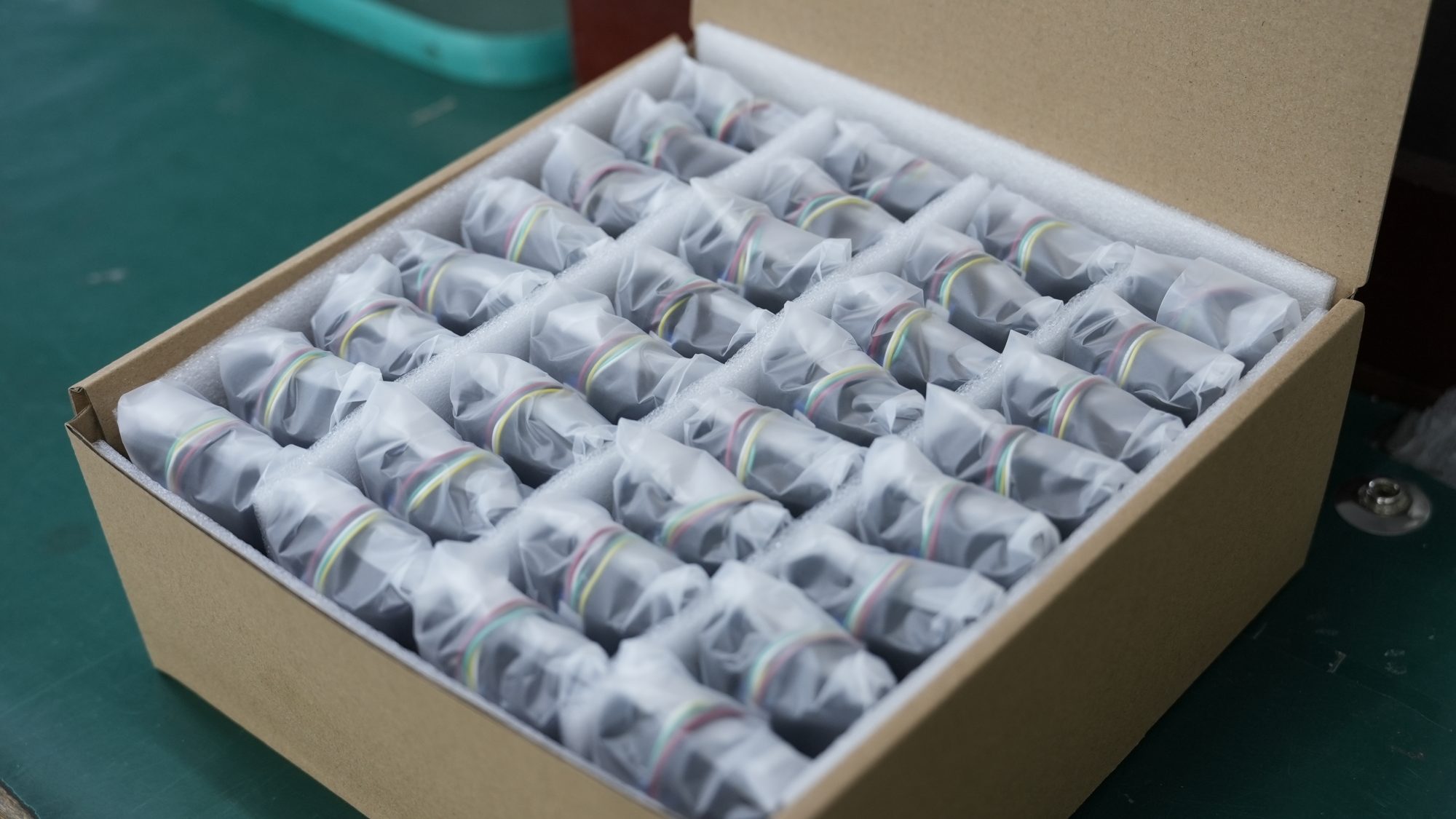
You often choose between lithium (LiFePO4) and lead-acid (SLA) batteries for portable cable fault locators. Lithium batteries give you a clear advantage in the field. They last much longer, charge faster, and deliver steady power even as they discharge. Lead-acid batteries lose power as they drain and struggle in high or low temperatures. The table below shows how these two options compare:
Performance Characteristic | Lithium Batteries (LiFePO4) | Lead-Acid Batteries (SLA) |
|---|---|---|
Cyclic Performance | Ten times the cycle life | Lower cycle life |
Power Delivery | Constant throughout discharge | Decreases over time |
Charging Time | Four times faster | Slow |
Temperature Performance | Superior at high temperatures | Reduced capacity at high temperatures |
Cold Temperature Performance | Higher discharge capacity | Accepts low current charges |
You save time and reduce replacement costs with lithium batteries. In medical, robotics, and industrial sectors, professionals rely on lithium for these reasons.
5.2 Lithium vs. Other Alternatives
You may also consider alternatives like alkaline batteries. Lithium batteries offer several key advantages:
High energy density, so your equipment stays lighter and runs longer.
Longer lifespan, which means fewer replacements.
Reliable performance in extreme temperatures.
Consistent energy output, even for high-drain devices.
Fewer replacements, making them more environmentally friendly.
Alkaline batteries, on the other hand, do not perform well in high-drain devices and lose power quickly when not in use. You see lithium batteries used in security systems, consumer electronics, and infrastructure because they handle demanding tasks better.
5.3 Practical Implications for Utility Work
Your choice of battery technology affects your daily work. Lithium batteries improve operational efficiency and reduce downtime. They store and deliver energy more efficiently, degrade more slowly, and benefit from advanced battery management systems (BMS). These features help you complete more jobs with fewer interruptions.
Metric | Description |
|---|---|
Round-trip efficiency (RTE) | Measures how much energy you get back from what you store. |
Outage characteristics | Fewer outages mean more reliable equipment in the field. |
Degradation patterns | Slower decline in performance means longer-lasting batteries. |
Technological advancements | Better thermal management and BMS reduce downtime and boost safety. |
You also save money over time. While lithium batteries cost more upfront, you only need to buy them once every ten years. Lead-acid batteries require multiple replacements, raising your total cost. In utility, medical, and industrial applications, lithium battery packs give you the best value and reliability.
Part6: Selecting and Maintaining Lithium Battery Solutions
6.1 Choosing the Right Battery Pack
You need to select a battery pack that matches your cable fault locator’s power requirements and your work environment. Start by checking the recommended lithium chemistry, such as LiFePO4 or NMC, for your device. These chemistries offer high energy density and long cycle life, which are essential for field operations in sectors like infrastructure, medical, and industrial automation. Look for battery packs with a built-in battery management system (BMS) to protect against overcharging and overheating. A reliable BMS helps you maintain safe operation, especially when you use your equipment in demanding environments like robotics or security systems.
When you evaluate battery packs, consider warranty and support options. Many suppliers offer a 30-day money-back guarantee and warranties ranging from 11 to 12 years. You can also access technical support by submitting your order information or proof of purchase. These options give you peace of mind and help you resolve issues quickly.
6.2 Maintenance and Optimization Tips
Proper maintenance ensures your battery pack delivers consistent performance. Follow these best practices to extend battery life and reduce downtime:
Maintenance Aspect | Best Practice Description |
|---|---|
Temperature Restrictions | Do not charge below 32°F; battery must warm to 40°F+ before charging. |
Charger Requirements | Use a lithium-compatible charger to avoid battery damage. |
Storage Charge Level | Store at 60-80% charge; never at 100% to prolong lifespan. |
Voltage Monitoring | Check voltage monthly; recharge if below 13.0V. |
Temperature Monitoring | Ensure storage above 40°F; check weekly in winter. |
Tip: Always use the charger recommended by your battery supplier. This reduces the risk of damage and ensures optimal charging cycles.
6.3 Maximizing Battery Life
You can maximize battery life by following a few simple steps. Store your battery at a partial charge, ideally between 60% and 80%. Avoid charging or storing batteries in extreme temperatures. Monitor voltage regularly and recharge if it drops below 13.0V. If you work in cold climates, check battery temperature weekly during winter. These habits help you get the most from your battery pack, whether you use it in consumer electronics, medical devices, or industrial tools.
If you need support, most suppliers offer long-term warranties and technical assistance. You can open a support ticket or contact customer service with your order details. This support ensures your battery pack stays reliable for years.
Lithium battery solutions give you reliable power for portable cable fault locators. You benefit from high energy density, long cycle life, and steady power output. These features support long shifts and tough environments in sectors like infrastructure, medical, and robotics.
Smaller, lighter designs make your work easier.
Fewer replacements save you time and money.
Continuous operation means fewer interruptions.
Factor | Description |
|---|---|
Application-specific needs | Match battery to your device and job requirements. |
Total cost of ownership | Focus on long-term value and efficiency. |
Regulatory compliance | Choose certified batteries for safety and reliability. |
Choose the right lithium battery pack to boost your field success and efficiency.
FAQ
What lithium battery chemistries work best for portable cable fault locators?
You get the best results with LiFePO4 and NMC chemistries. These options offer high energy density, long cycle life, and stable platform voltage. You see them used in medical devices, robotics, security systems, and industrial tools.
How long can a lithium battery pack power my cable fault locator?
Most lithium battery packs provide up to 8 hours of continuous operation. You can complete multiple tests or inspections in one shift. Devices in infrastructure and consumer electronics rely on this extended runtime for reliable performance.
What maintenance steps help maximize lithium battery life?
You should store your battery at 60-80% charge, avoid charging below 32°F, and use a lithium-compatible charger. Regular voltage checks and temperature monitoring keep your battery healthy. These steps support long-term use in industrial and medical applications.
Are lithium battery packs safe for use in harsh environments?
You benefit from built-in battery management systems and rugged designs. Lithium battery packs resist shocks, moisture, and extreme temperatures. You see these safety features in security systems, infrastructure, and robotics equipment.
How do lithium batteries compare to lead-acid batteries for field work?
Lithium batteries last longer, charge faster, and deliver steady power. Lead-acid batteries lose capacity over time and struggle in cold conditions. You save money and reduce downtime by choosing lithium for your cable fault locator.


