

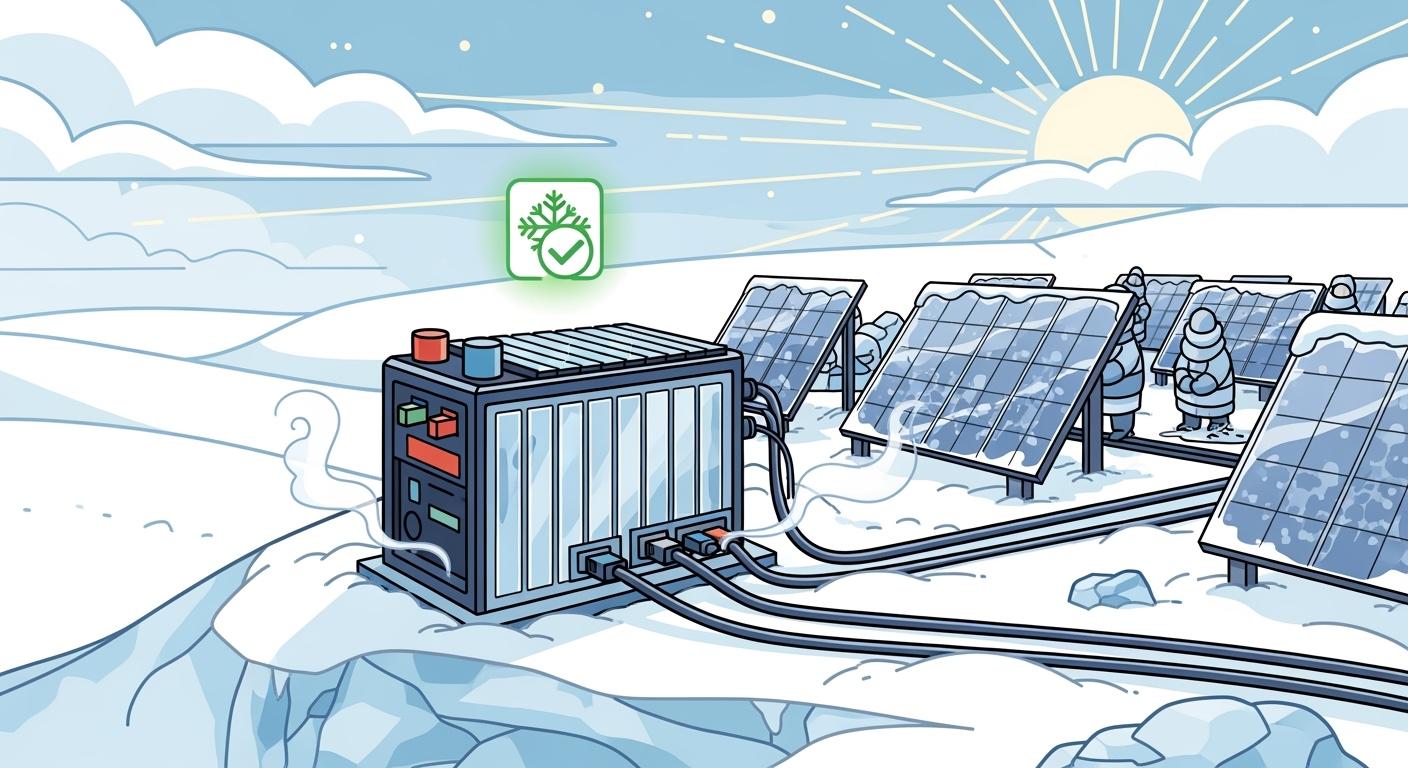
You depend on lithium-based solar energy storage batteries for reliable performance, even in harsh winter climates. However, these batteries often struggle in freezing or subzero conditions.
The performance of LIBs will degrade at temperatures below 0 °C.
Low-Temperature Performance remains a critical concern because cold weather can reduce battery capacity by up to 50%, cause voltage drops, and increase internal resistance.
Evidence Type | Description |
|---|---|
Performance Degradation | Lithium-ion batteries can experience a capacity reduction of 20-50% at sub-zero temperatures. |
Increased Internal Resistance | Cold temperatures lead to higher internal resistance, resulting in voltage drops. |
Safety Concerns | Risks of thermal runaway and short circuits increase in extreme cold. |
You need practical solutions and a clear understanding of these technical challenges to ensure stable operation in demanding environments.
Key Takeaways
Lithium batteries can lose up to 50% capacity in freezing temperatures. Plan for reduced energy availability during winter months.
In cold weather, internal resistance increases, making it harder for batteries to deliver power. This can lead to voltage drops and system shutdowns.
Avoid charging lithium batteries below freezing to prevent damage. Use a Battery Management System to protect against unsafe charging.
Implement effective thermal management systems to maintain optimal battery temperatures. Consider hybrid systems for the best performance in extreme conditions.
Regular monitoring and maintenance are crucial for battery reliability in winter. Schedule inspections and use remote monitoring tools to catch issues early.
Part 1: Low-Temperature Performance Challenges
1.1 Capacity Loss Below Freezing
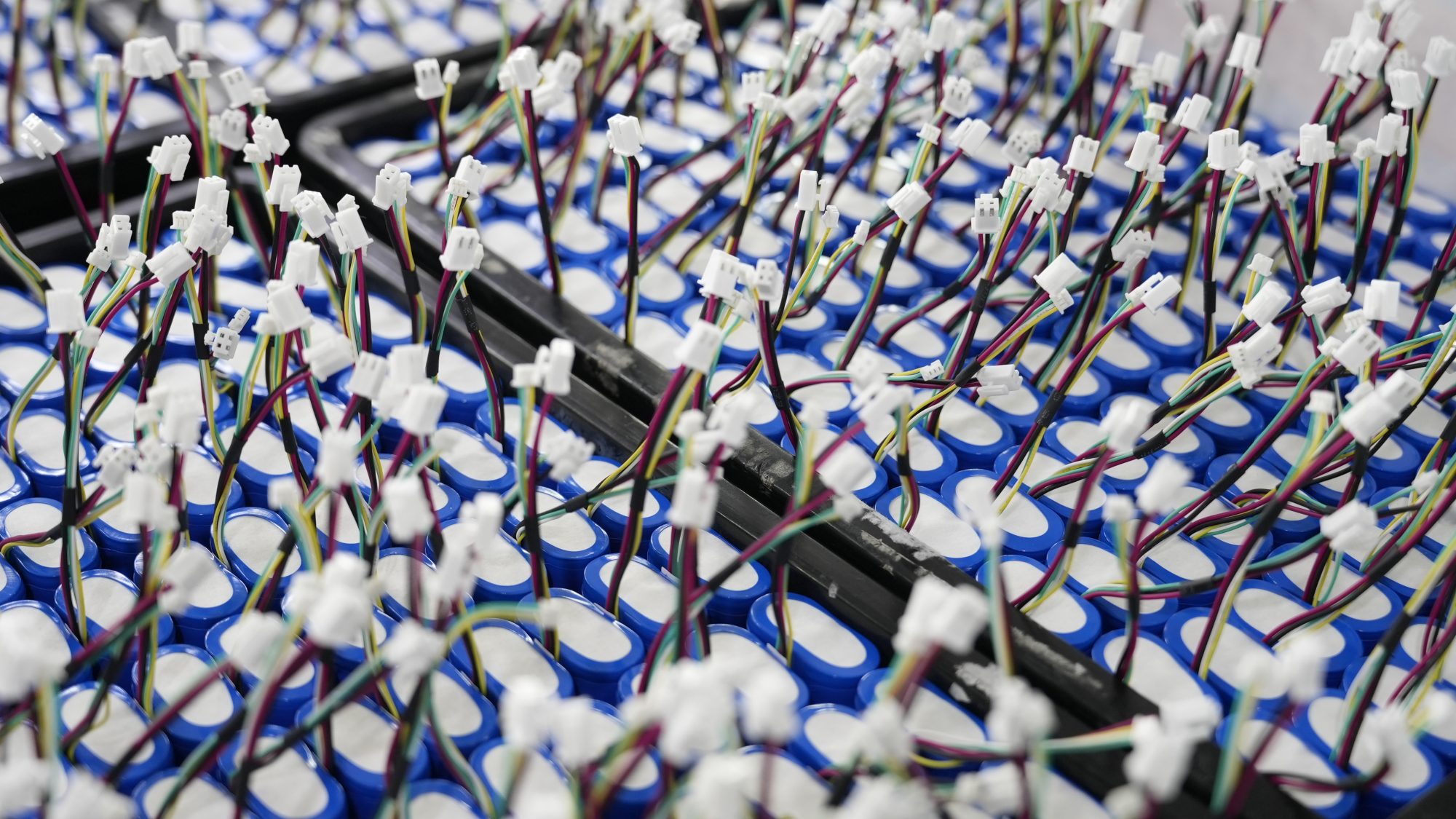
You face significant challenges when operating lithium battery packs in cold environments. Low-Temperature Performance drops sharply as the temperature falls below 0°C. The main reason for this decline is the thickening of the electrolyte inside the battery. As the temperature decreases, the electrolyte becomes more viscous. This change slows down the movement of lithium ions between the electrodes.
As temperatures drop, the chemical reactions inside lithium battery packs slow down. This leads to a noticeable reduction in battery capacity.
For example, a lithium-ion cell rated at 100% capacity at 25°C may only deliver about 50% at -18°C. Most 1950 mAh cells retain around 92% capacity at 0°C, but this can fall to 80% or less at -20°C. You see this effect in many sectors, including medical devices, robotics, and industrial backup systems. These applications require reliable energy even in harsh outdoor conditions.
Temperature (°C) | Typical Capacity Retained (%) |
|---|---|
25 | 100 |
0 | 92 |
-18 | 50 |
-20 | 80 or less |
The drop in Low-Temperature Performance means you must plan for reduced energy availability during winter months.
1.2 Increased Internal Resistance
You also need to consider the rise in internal resistance when using lithium battery packs in cold climates. As the electrolyte thickens, ionic conductivity drops. This makes it harder for lithium ions to move, which increases the battery’s internal resistance.
The internal resistance rises as the temperature falls, causing higher energy loss during both charging and discharging.
The battery finds it more difficult to deliver power efficiently, which can trigger voltage drops under load.
These voltage drops may cause low-battery warnings or even unexpected shutdowns in critical systems, such as security infrastructure or medical equipment.
Aspect | Description |
|---|---|
Viscosity Increase | High viscosity of the electrolyte limits performance at lower temperatures. |
Ionic Conductivity Reduction | Reduced ionic conductivity impedes lithium-ion transport. |
Internal Resistance Increase | Higher internal resistance results from increased impedance during ion migration. |
You must account for these changes in Low-Temperature Performance when designing systems for outdoor or unheated environments.
1.3 Charging Limitations in Cold
Charging lithium battery packs below freezing presents unique risks. At temperatures under 0°C, the battery’s chemistry changes. Charging in these conditions can cause lithium plating on the anode, which may lead to permanent damage or safety hazards.
Charging lithium-based batteries at temperatures below 0°C is often restricted or disabled by the Battery Management System (BMS). The BMS adjusts charge current and voltage limits to protect the battery.
You see these restrictions in industrial, infrastructure, and security system applications. The BMS will often prevent charging until the battery warms up. This limitation ensures safety but can disrupt operations if you do not plan for it.
Part 2: Solutions for Stable Operation
2.1 Thermal Management and Heating
You need to keep lithium battery packs within their optimal temperature range to ensure reliable performance in outdoor solar energy storage systems. Outdoor environments can cause both excessive heat build-up and dangerous cold exposure. Without effective thermal management, battery safety and lifespan suffer.
You can choose from several thermal management systems:
Type of System | Description | Advantages | Disadvantages |
|---|---|---|---|
Passive Systems | Use natural processes like convection and conduction for heat dissipation. | Simple, low cost, reliable. | Limited effectiveness in high-power or extreme climates. |
Active Systems | Use external energy, such as fans or pumps, for temperature management. | Precise control, effective in demanding conditions. | Higher complexity, cost, and energy use. |
Hybrid Systems | Combine passive and active elements for optimized performance. | Balanced efficiency and robust protection. | May still need energy for active parts during peak use. |
Hybrid systems often provide the best results for outdoor installations. They keep battery temperatures steady and reduce energy consumption by using passive cooling for minor heat. In harsh conditions, hybrid systems outperform single-method approaches.
You should always follow manufacturer guidelines for thermal management. Many lithium battery packs designed for medical, robotics, or security applications include built-in heating elements or temperature sensors. These features help maintain Low-Temperature Performance and prevent damage during cold spells.
2.2 Battery Management Strategies
You can protect lithium battery packs from cold-related damage by using advanced battery management strategies. A modern battery management system (BMS) monitors temperature, voltage, and current in real time. This system prevents overcharging and ensures safe operation, especially in winter.
Tip: Avoid charging lithium batteries in sub-zero conditions. Charging at low temperatures can cause unstable lithium plating, which increases the risk of internal short circuits.
You should use BMS solutions that optimize charging practices. For example, charge batteries in warmer environments when possible, use slow charging rates, and select chargers with temperature compensation features. These steps help prevent overcharging and extend battery life.
Strategy | Description |
|---|---|
Optimizing Charging Practices | Charge in warmer environments, use slow rates, and employ chargers with temperature compensation. |
Regular Maintenance and Monitoring | Conduct routine checks and use monitoring systems for real-time battery health data. |
Advanced BMS algorithms improve the accuracy of state of charge (SOC) and state of health (SOH) estimations. This accuracy is crucial in cold weather, where the risk of over-discharge or overcharging increases.
You should also ensure proper storage conditions for lithium battery packs. In industrial and infrastructure settings, regular maintenance checks during cold spells help maintain performance and safety.
2.3 Installation and Insulation Best Practices
Proper installation and insulation play a key role in maintaining battery performance in extreme cold. You should insulate battery enclosures to protect against temperature swings. Weather-resistant cabinets and heating elements help keep batteries within their safe operating range.
Insulated enclosures reduce temperature fluctuations by minimizing heat transfer from the outside environment. Some enclosures use reflective surfaces to reduce heat absorption from sunlight.
Evidence Type | Description |
|---|---|
Thermal Insulation | Insulated enclosure walls minimize heat transfer from the external environment. |
Reflective Surfaces | Coatings or materials that reflect sunlight and reduce heat absorption. |
You should also enable temperature compensation features in your charging systems. This adjustment allows the system to automatically change charging parameters based on ambient temperature. In colder temperatures, you may need to adjust charging voltage to maintain battery capacity.
Note: Always follow manufacturer recommendations for installation and winter operation. Regular maintenance checks during cold weather ensure that lithium battery packs continue to deliver reliable power for critical applications in medical, robotics, security, and industrial sectors.
Part 3: Battery Technology Comparison

3.1 Lithium vs. Lead-Acid in Cold
You must compare lithium-based batteries and lead-acid batteries when designing solar energy storage for extreme cold. Each technology responds differently to freezing temperatures. The table below highlights the main differences in Low-Temperature Performance, capacity retention, and cycle life:
Battery Type | Low-Temperature Performance | Capacity Retention | Cycle Life |
|---|---|---|---|
Lithium-based | Superior | Maintains stability | Longer |
Lead-acid | Inferior | Significant loss | Reduced |
Lithium battery packs, including chemistries like LiFePO4 and NMC, perform reliably at temperatures as low as -20°C (-4℉). You benefit from their resistance to wear during freeze-thaw cycles and minimal capacity loss over time. Lead-acid batteries, such as AGM and Gel types, offer lower energy density and heavier weight. They can provide steady power but lose significant capacity in subzero conditions. Lead sulfate crystal growth can also limit their performance and cause early failure. However, lead-acid batteries are cost-effective and recyclable, which may appeal to projects with strict environmental requirements.
3.2 Choosing the Right Battery for Extreme Conditions
You should consider several factors when selecting a battery for reliable operation in harsh climates:
Focus on material optimization. Advanced anode materials and improved electrolytes enhance cold-weather performance.
Design your system with thermal management in mind. Use heating elements and insulation to maintain optimal battery temperature.
Follow safety standards. Reliable operation in extreme cold depends on robust safety features.
Lithium-ion batteries offer higher energy density, faster charging, and longer cycle life than lead-acid batteries. They suit applications in medical devices, robotics, security systems, and industrial backup where consistent power is critical. Lead-acid batteries remain popular for their lower cost and recyclability, but they require careful management in freezing environments. Some cold regions use AGM or Gel Sealed Lead Acid Batteries for their resilience, though these still face reduced charge ability in subzero temperatures.
Tip: Cold climates may require additional heating or management systems for both lithium and lead-acid batteries. Always match your battery choice to your application’s specific demands and environmental challenges.
Part 4: Actionable Tips for Winter Reliability
4.1 Monitoring and Maintenance
You need to monitor your lithium battery packs closely during winter. Real-time monitoring tools help you track battery state-of-charge (SOC), solar panel output, and overall system health. Many modern inverters and batteries, such as those used in security systems and industrial backup, offer remote monitoring features. These tools let you detect issues early and reduce the need for manual inspections in freezing weather.
EG4’s monitoring systems provide real-time data on SOC and system performance.
Remote monitoring helps you spot problems before they cause downtime.
Many lithium battery packs now include remote access for enhanced oversight.
Regular maintenance ensures your batteries stay reliable in cold climates. You should follow a clear schedule for inspections and diagnostics. The table below outlines best practices for maintenance frequency and tasks:
Frequency | Tasks | Performed By |
|---|---|---|
Monthly | Visual inspection, check for alerts, clean exterior | User |
Quarterly | Check connection tightness, review performance logs | User / Installer |
Annually | Full system diagnostic, firmware updates, torque checks | Qualified Technician |
Routine checks help you catch loose connections, firmware issues, or early signs of wear. This approach keeps your lithium battery packs ready for critical applications in medical, robotics, and infrastructure sectors.
4.2 Product Selection and Manufacturer Guidance
You should select lithium battery packs designed for reliable operation in freezing conditions. Cold weather slows discharge rates and reduces capacity, so you need products with features that address these challenges. Look for batteries with preheating functions and insulated enclosures to maintain optimal performance.
Choose batteries with low internal resistance to minimize voltage drops in cold weather.
Select models that support preheating and include robust insulation.
Use a Battery Management System (BMS) to prevent overcharging and thermal runaway.
Always follow manufacturer guidelines for winter operation. Store batteries in well-insulated spaces and keep them at 40% charge between 41°F and 68°F when not in use. Regularly check fluid levels and ensure terminal connections stay secure. These steps help you maintain safety and extend battery life, especially in demanding sectors like industrial automation and security infrastructure.
Tip: Prioritize lithium battery packs with advanced monitoring, heating, and BMS features for the best winter reliability.
You can ensure reliable lithium battery performance in harsh winter conditions by taking proactive steps. Store batteries in insulated environments, use thermal covers, and monitor charging temperatures. Key challenges include capacity reduction, increased internal resistance, and shortened cycle life. Choose advanced chemistries, robust thermal management, and smart BMS for your system.
Key Design Factor | |
|---|---|
Proper insulation | Maintains stable battery temperature |
Smart BMS | Prevents unsafe charging in cold conditions |
Reduces risk of performance loss |
Understanding low-temperature performance helps you reduce costs and maintain uptime in critical sectors.
FAQ
What happens if you charge lithium battery packs below freezing?
Charging below 0°C can cause lithium plating, which damages the battery and creates safety risks. You should always let the battery warm up before charging. Most Battery Management Systems (BMS) will block charging in these conditions.
How can you improve lithium battery performance in cold environments?
You can use insulated enclosures, built-in heating elements, and an advanced battery management system (BMS) to improve lithium battery performance in cold environments. These features help maintain a suitable operating temperature, reduce capacity loss, and protect battery health. Many industrial, security, and outdoor systems rely on such solutions for reliable winter operation. Large Power’s proprietary low-temperature battery technology supports discharge at temperatures as low as −40°C.
Which lithium battery chemistry works best in extreme cold?
You should consider Lithium Titanate Oxide (LTO) for the best cold-weather performance in critical applications.
Do lithium battery packs need special maintenance in winter?
You should schedule regular inspections, monitor state-of-charge, and check for alerts. Remote monitoring tools help you track battery health without manual checks. This approach supports uptime in medical, robotics, and infrastructure sectors.
Can you use lithium battery packs outdoors year-round?
Yes, you can use lithium battery packs outdoors all year. You must follow manufacturer guidelines, use proper insulation, and enable thermal management. These steps ensure stable operation for security systems, industrial backup, and other critical applications.


