


You depend on reliable power to keep security and surveillance equipment running without interruption. Power loss can leave cameras, monitoring devices, and access controls vulnerable. Battery systems address these risks by providing backup energy, especially in critical environments like infrastructure or industrial sites. Many facilities now choose lithium batteries, such as LiFePO4 or NMC, for their long life and resilience to extreme temperatures. The table below shows common battery types used in security applications:
Battery Type | Pros | Cons | Use Case |
|---|---|---|---|
Alkaline Batteries (AA, 9V) | Affordable, widely available, easy to replace | Shorter lifespan, especially in high-power devices | Best for low-consumption devices like safes or keypads |
Lithium Batteries | Longer life, withstands extreme temperatures, high energy density | Higher cost | Ideal for electronic locks, access control systems, and smart locks |
Rechargeable Batteries | Environmentally friendly, cost-effective over time | Needs regular recharging, may degrade faster with heavy use | Great for devices with built-in charging capabilities or backup systems |
Key Takeaways
Battery systems provide essential backup power for security cameras and monitoring devices, ensuring continuous operation during outages.
Lithium batteries, like LiFePO4 and NMC, offer long life and resilience to extreme temperatures, making them ideal for outdoor and remote surveillance.
Uninterruptible Power Supply (UPS) systems protect surveillance networks from power surges and interruptions, enhancing overall reliability.
Regular maintenance of battery systems, including monitoring charge status and replacing aging batteries, extends lifespan and ensures dependable performance.
Choosing the right battery chemistry and system design is crucial for meeting the specific power needs of your surveillance applications.
Part 1: Battery Systems for Continuous Security
1.1 Power Backup for Cameras and Devices
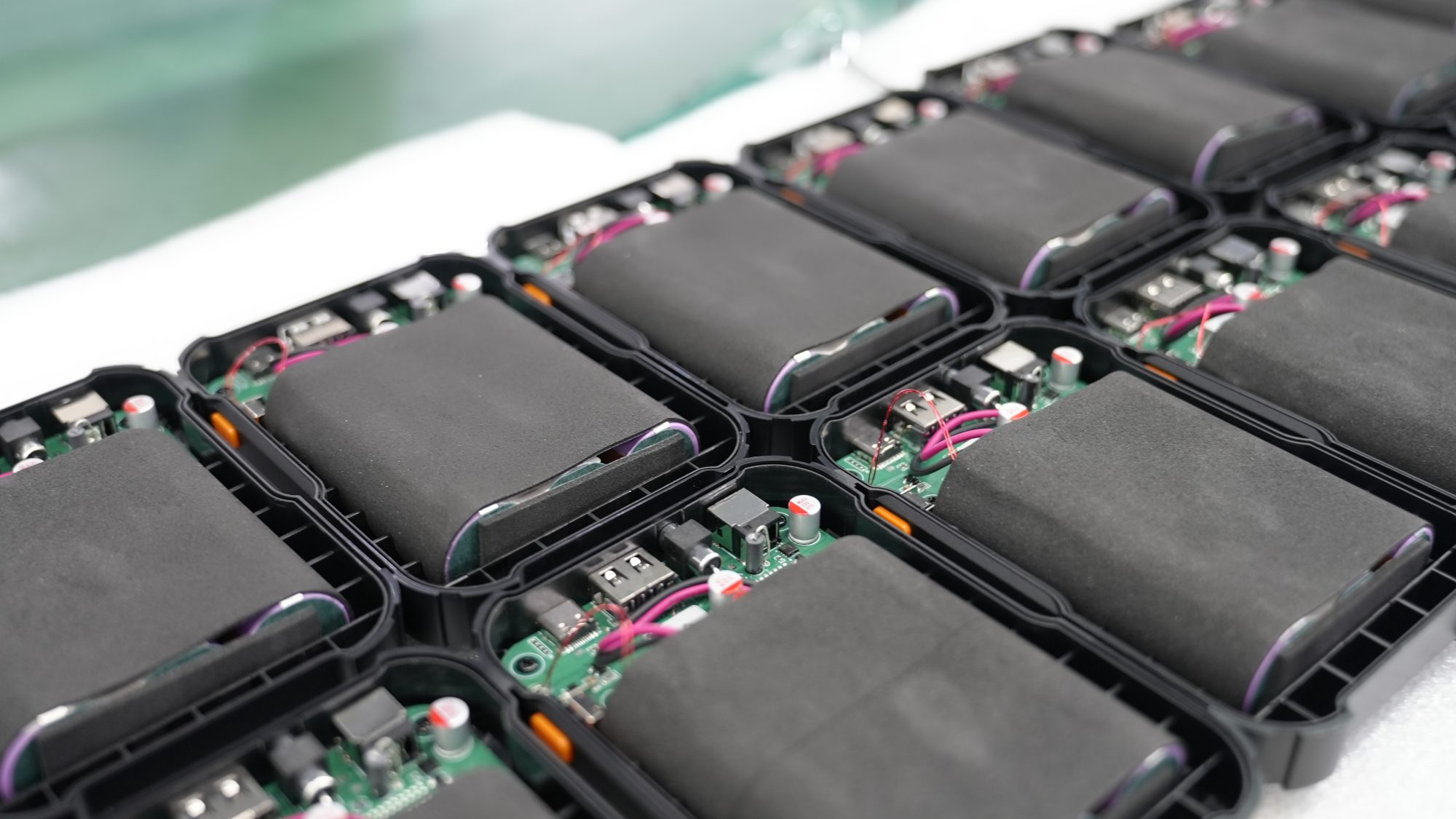
You need continuous operation for your security cameras and monitoring devices. Battery systems play a critical role in preventing downtime. When the main power fails, these systems deliver consistent voltage to your surveillance equipment. This prevents unexpected shutdowns and protects sensitive footage from corruption. You can maintain network connectivity, which allows for real-time alerts and remote access even during outages.
Battery backup systems keep cameras and recorders running without interruption.
They stabilize voltage, which helps avoid data loss and equipment damage.
You can deploy these systems in off-grid or remote locations, ensuring reliable surveillance where grid power is not available.
Modern lithium battery groups, such as LiFePO4 and NMC, offer long runtimes and high reliability. For example, a typical security system base station can operate up to 24 hours on backup power. Wireless cameras using rechargeable lithium-ion batteries often last two to three years before replacement. These features make lithium battery systems ideal for security, infrastructure, and industrial applications where reliability is essential.
1.2 UPS and Network Protection
Uninterruptible Power Supply (UPS) systems protect your networked security devices from power surges and interruptions. You can think of a UPS as a buffer that absorbs excess voltage and shields sensitive equipment from damage. When utility power fails or fluctuates, the UPS provides near-instantaneous battery backup. This ensures your surveillance network stays online and operational.
UPS systems include surge suppression to guard against voltage spikes after outages.
They reduce the risk of system failure during both long and short outages.
With advanced UPS solutions, you can lower the probability of failure by up to 21% during extended outages and by 80% during short interruptions.
Most power sags and outages last less than ten seconds. Without UPS protection, your security network faces a much higher risk of failure. By integrating UPS with lithium battery systems, you enhance the resilience of your security, medical, and industrial infrastructure.
1.3 Lithium Batteries for Outdoor Use
Outdoor security equipment faces harsh conditions. You need batteries that can handle extreme temperatures and weather. Lithium batteries, including LiFePO4, NMC, LCO, and LMO chemistries, provide several advantages for outdoor and remote installations.
High energy density means you get more power in a smaller, lighter package. This is important for portable or pole-mounted cameras.
Long cycle life allows lithium batteries to be charged and discharged many times with minimal degradation. This ensures years of reliable service in outdoor environments.
Low self-discharge rates help lithium batteries retain their charge when not in use, which is valuable for backup systems or devices with infrequent activity.
Low maintenance requirements reduce the need for frequent servicing, which is ideal for hard-to-reach installations.
You should note that lithium batteries perform differently in extreme temperatures. Cold weather slows chemical reactions, which can reduce capacity and discharge rates. High temperatures can accelerate internal degradation, lowering energy storage and delivery. Proper temperature regulation and battery management systems help maintain optimal performance and extend battery life.
You can rely on lithium battery systems for outdoor security, infrastructure, robotics, and industrial applications. Their durability and efficiency make them the preferred choice for continuous surveillance in challenging environments.
Part 2: How Battery Systems Operate
2.1 Charging and Power Management
You rely on advanced charging and power management to keep your surveillance equipment running efficiently. Battery Systems use a Battery Management System (BMS) to monitor and control charging, discharging, and cell balancing. The BMS protects your lithium batteries, such as LiFePO4, NMC, LCO, and LMO, from unsafe conditions.
Component | Function |
|---|---|
Internal switch (relay/MOSFET) | Disconnects battery to prevent unsafe operation. |
Precharge system | Eliminates excessive inrush currents when connecting to loads. |
Electromagnetic relays | Controls safe connection to loads. |
Balancing mechanisms | Maintains equal voltage and State of Charge across cells. |
Temperature control | Prevents overheating during charging and operation. |
Communication | Shares vital information with other system components. |
Tip: Accurate voltage, current, and temperature measurements help determine the battery’s state of charge and ensure safety.
Modern charging algorithms use AI to optimize charging speed and voltage. You benefit from dynamic charging patterns, prevention of overcharging, and predictive maintenance. These features extend battery lifespan and reduce downtime in security, medical, and industrial applications.
Aspect | Description |
|---|---|
Dynamic Charging Patterns | AI analyzes real-time data to optimize charging speed and voltage. |
Preventing Overcharging | AI chargers reduce power flow when batteries are full. |
Predictive Maintenance | AI forecasts battery failures for timely servicing. |
2.2 Monitoring and Switching Functions
You need seamless power transitions to avoid interruptions in surveillance. Battery Energy Storage Systems (BESS) store electricity and discharge it as needed. These systems include battery banks, inverters/converters, and automatic transfer switches. You gain uninterrupted operation in security, robotics, and infrastructure by using these technologies.
Monitoring cell temperatures during use and charging ensures safety.
Energy cuts off automatically if temperature limits are reached.
Automatic transfer switches enable quick switching between power sources.
2.3 Integration with Surveillance Equipment
You integrate battery systems with modern surveillance equipment by following best practices. You implement ambient temperature monitoring to manage resistance changes. Secure network integration uses SNMPv3 with strict access controls. You store data for at least 24 months to predict failures and justify budgets.
Safe mounting and enclosure options protect battery packs from environmental damage.
Proper wiring techniques connect battery packs to CCTV hardware, minimizing power loss.
Printed circuit boards (PCBs) provide stable connections and efficient integration.
You schedule regular firmware checks and apply critical patches promptly. Annual discharge tests and alarm verification ensure reliability. Training staff and creating standard operating procedures support smooth operation in medical, industrial, and security systems.
Part 3: Choosing Battery Systems for Surveillance
3.1 Assessing Power and Runtime Needs
You must evaluate the power requirements of your surveillance network before selecting battery systems. Start by calculating the total wattage of all cameras, recorders, and networking devices. Power consumption calculators help you sum these values accurately. You determine the required runtime by considering how long your system needs to operate during outages. This step ensures your battery system can support continuous operation in security, medical, robotics, and industrial environments.
Total Power Consumption: Add the wattage of each device in your surveillance setup.
Required Runtime: Decide how many hours of backup power you need for uninterrupted monitoring.
Tip: Always plan for extra capacity to accommodate future expansion or unexpected power surges.
You should also consider the peak load and standby consumption. Surveillance systems often require higher power during recording or data transmission. By sizing your battery system correctly, you avoid downtime and protect critical infrastructure.
3.2 Compatibility and Expandability
You need battery systems that integrate seamlessly with your existing surveillance equipment. Compatibility ensures stable voltage and reliable operation across all devices. Expandability allows your power backup to grow with your network, supporting additional cameras or sensors as your security needs evolve.
Feature | Description |
|---|---|
Expandable Energy Storage | Capacity scales from 6 kWh up to 90 kWh, meeting diverse power needs during outages. |
High Continuous Output | A single unit delivers up to 7,680 W; multiple modules provide 10 kW Turbo output. |
Fast Automatic Switchover | Backup power activates in less than 20 milliseconds, preventing downtime for sensitive devices. |
Solar Integration and Efficiency | Supports solar input, enhancing backup runtime and energy efficiency. |
You benefit from modular battery systems that allow easy upgrades. These features support surveillance networks in medical facilities, industrial plants, and remote infrastructure. Solar integration improves sustainability and reduces operational costs.
Note: When expanding your surveillance network, verify that your battery system supports additional modules and maintains compatibility with new devices.
3.3 Maintenance and Lifespan
You maintain battery systems by following a regular schedule. Proper maintenance extends battery lifespan and ensures reliable performance in security, robotics, and industrial applications. Lithium batteries, such as LiFePO4, NMC, LCO, and LMO, offer longer life and lower maintenance compared to lead-acid batteries.
Maintenance Task | Frequency | Notes |
|---|---|---|
Check battery charge status | Regularly | Essential for battery health |
Charge battery to 50% before storage | Before storage | Prevents damage during long-term storage |
Recharge battery every six months | Every six months | Maintains battery capacity |
Monitor battery run time | Regularly | Compare with new battery run time |
Replace battery if run time drops below 80% | As needed | Indicates aging battery |
Follow product-specific charging instructions | Every charge | Ensures safe operation |
You monitor battery run time and replace batteries when capacity drops below 80%. Lithium batteries last significantly longer than lead-acid batteries, reducing replacement costs and downtime.
Lithium Iron Phosphate (LiFePO4) batteries provide around 2000 cycles at 100% depth of discharge (DOD).
At 50% DOD, LiFePO4 batteries deliver over 4500 cycles.
Lead-acid batteries typically offer about 450 cycles at 100% DOD and 800 cycles at 50% DOD.
Battery Type | Lifespan (Years) | Cycle Life (Cycles) |
|---|---|---|
Lithium | 10+ | 4000+ |
Lead-Acid | 3-5 | 200-400 |
Lithium batteries last over 10 years, requiring only one purchase in that period.
Lead-acid batteries may need replacement two or three times, increasing costs.
You select lithium battery systems for their durability and performance in harsh environments. These batteries support surveillance in medical, robotics, security, infrastructure, and industrial sectors.
Lithium Battery Chemistry Comparison
You compare lithium battery chemistries to choose the best option for your surveillance application. The table below shows standardized data for platform voltage, energy density, and cycle life.
Chemistry | Platform Voltage (V) | Energy Density (Wh/kg) | Cycle Life (Cycles) | Typical Application Scenario |
|---|---|---|---|---|
LiFePO4 | 3.2 | 120 | 2000-4500 | Security, medical, robotics, industrial |
NMC | 3.7 | 180 | 1000-2000 | Consumer electronics, infrastructure |
LCO | 3.7 | 150 | 500-1000 | Cameras, portable devices |
LMO | 3.7 | 100 | 700-1500 | Industrial, medical, infrastructure |
Solid-State | 3.7 | 250 | 3000+ | Advanced robotics, medical |
Lithium Metal | 3.7 | 350 | 1000+ | High-density industrial, security |
If you want to learn more about conflict minerals in lithium battery production, visit Conflict Minerals Statement.
You select the chemistry based on your application scenario, required cycle life, and energy density. LiFePO4 batteries offer high safety and long life for security and industrial systems. NMC and LCO batteries provide higher energy density for portable devices and consumer electronics. Solid-state and lithium metal batteries deliver advanced performance for robotics and medical equipment.
Tip: Always match battery chemistry to your operational environment and performance requirements.
You ensure your surveillance network remains reliable, scalable, and cost-effective by choosing the right battery systems and maintaining them properly.
Part 4: Critical Scenarios and Applications

4.1 Backup During Outages
You face significant risks when power outages strike your surveillance systems. Power loss remains the leading cause of IT downtime, affecting 77% of organizations. Hardware failures, human error, cybersecurity attacks, software bugs, and external events also contribute to system interruptions. When you use lithium battery systems like LiFePO4 or NMC, you protect your cameras, recorders, and network devices from sudden shutdowns. Battery backup systems act as your first line of defense, providing immediate power and preventing data loss. A UPS gives you time to save critical footage and shut down equipment safely. This approach supports continuous operation in security, medical, robotics, and industrial environments.
Tip: Battery backup systems fill the gap until generators activate, ensuring no surveillance blind spots during outages.
4.2 Remote and Off-Grid Surveillance
You often deploy surveillance in locations without reliable grid access. Brief power interruptions can create blind spots, making reliable backup power essential. Lithium battery systems, especially those with solar charging, deliver stable energy for remote monitoring. These systems support off-grid installations in infrastructure, industrial, and security sectors. You can integrate solar panels to charge batteries, reducing dependence on fossil fuels and supporting sustainability goals.
Battery backups ensure continuous operation for cameras and recorders.
Solar integration extends runtime and supports green energy initiatives.
Professional systems use UPS, backup generators, and redundant recording to maintain seamless monitoring.
4.3 Extreme Conditions Performance
You need battery systems that perform reliably in harsh environments. Lithium batteries like LiFePO4 and NMC offer robust performance across a wide temperature range. Advanced design features help maintain reliability:
Design Feature | Benefit |
|---|---|
Explosion-proof safety system | Safe operation under extreme conditions |
High-precision control system | Stable temperature and humidity regulation |
Robust material and build quality | Long-term durability in industrial and outdoor settings |
Specialized electrolytes enable operation down to -40°C. Phase change materials and microchannel cooling plates manage heat spikes and ensure uniform temperature. These innovations support surveillance in medical, robotics, infrastructure, and industrial sectors, where reliability is critical.
Note: Choosing the right lithium battery chemistry and design features ensures your surveillance systems stay operational, even in the most demanding scenarios.
You rely on robust battery systems to keep your security and surveillance operations running without interruption. Lithium batteries and UPS solutions deliver superior reliability, faster recharge times, and a smaller footprint, which lowers your total cost of ownership. These systems support continuous monitoring in medical, robotics, infrastructure, and industrial sectors.
Evaluate your current backup strategy to ensure it meets modern demands.
For tailored solutions, consider engineering services and modular options from providers like nVent SCHROFF.
FAQ
What makes LiFePO4 batteries ideal for security and industrial surveillance?
You benefit from LiFePO4 batteries due to their long cycle life (2000–4500 cycles), high safety, and stable platform voltage (3.2V). These features support continuous operation in security, industrial, and infrastructure applications, even in harsh environments.
How do lithium battery systems handle extreme temperatures?
You can rely on lithium chemistries like LiFePO4 and NMC for robust performance from -40°C to 60°C. Advanced battery management systems regulate temperature, ensuring reliable operation for medical, robotics, and outdoor security equipment. For camera networks, access control, and outdoor monitoring projects, explore Large Power’s security camera battery solution.
Can you expand lithium battery backup systems as your network grows?
You can scale modular lithium battery systems easily. Expandable designs allow you to add capacity as you add cameras or sensors. This flexibility supports growing needs in industrial, infrastructure, and medical surveillance networks. For project-specific voltage, capacity, enclosure, and BMS requirements, you can request a custom lithium battery pack from Large Power.
What is the typical maintenance required for lithium battery systems?
You perform routine checks on charge status and run time. You replace batteries when capacity drops below 80%. Lithium batteries require less frequent maintenance than lead-acid, reducing downtime in security, robotics, and industrial sectors.
Which lithium battery chemistry suits portable surveillance devices best?
You should choose NMC or LCO batteries for portable surveillance. These chemistries offer higher energy density (NMC: 180 Wh/kg, LCO: 150 Wh/kg) and lighter weight, making them ideal for consumer electronics, mobile cameras, and compact security devices.


