

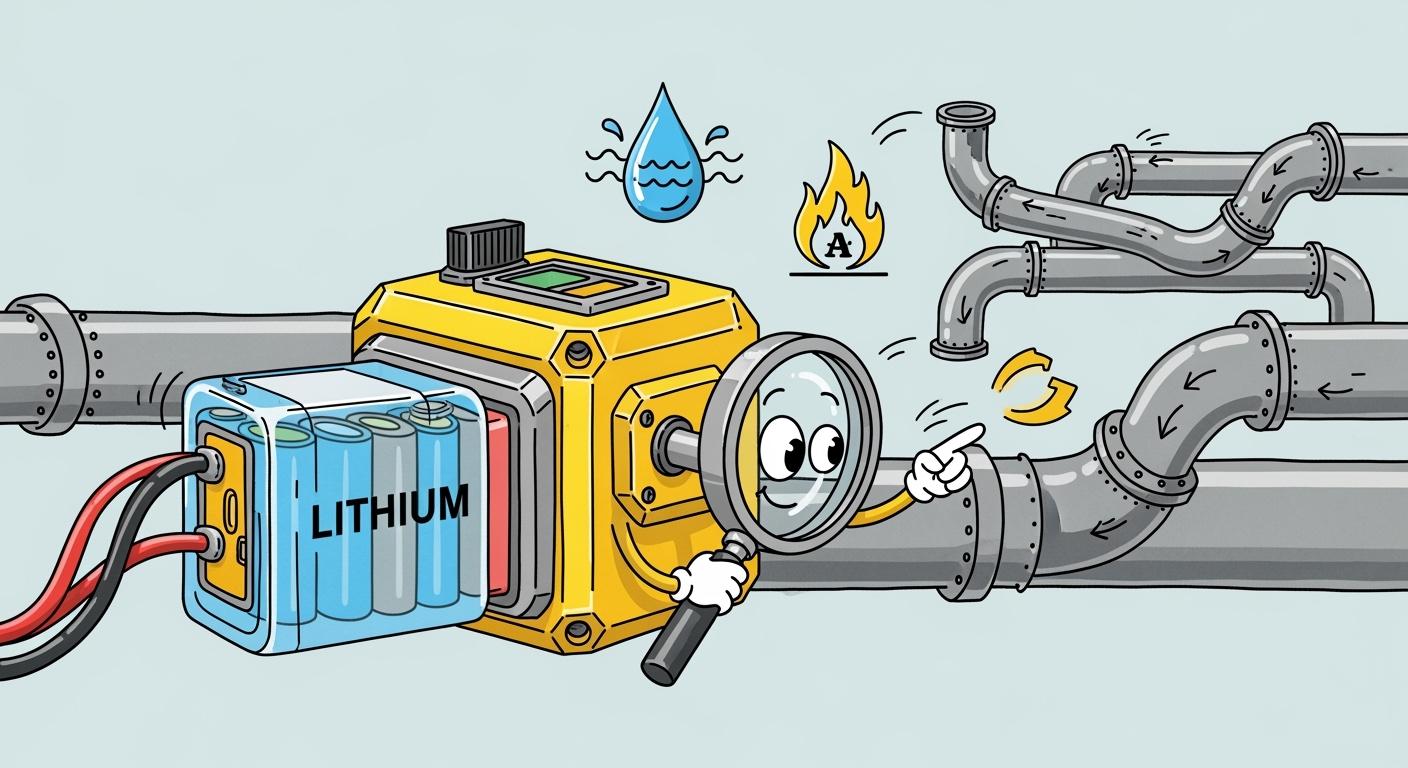
You rely on leak detection equipment to keep gas, water, and pipeline inspections safe and efficient. Power reliability shapes your results and impacts your bottom line. Lithium Battery Solutions deliver consistent energy, reduce maintenance, and support advanced inspection tools. You can see a lower total cost of ownership compared to alkaline batteries, which require frequent replacements and higher labor costs. You need to consider reliability, safety, battery lifespan, and performance when selecting the right power source for your operations.
Key Takeaways
Choose lithium batteries for leak detection equipment to ensure reliable power and reduce maintenance costs.
LiFePO4 batteries offer longer life and safety, making them ideal for continuous monitoring in harsh environments.
Advanced battery management systems enhance safety by monitoring battery health and preventing failures.
Consider environmental factors like temperature and humidity when selecting the right battery chemistry for your equipment.
Regular maintenance and proper battery management can extend battery life and improve operational efficiency.
Part1: Power Needs in Leak Detection
1.1 Equipment Types and Inspection Challenges
You use a wide range of leak detection equipment in gas, water, and pipeline inspections. Each type brings unique power demands and operational challenges. The following table outlines common equipment and their functions:
Type of Equipment | Description |
|---|---|
Spot Detector | Finds leaks in plumbing systems using a probe and data communication device. |
Hydroscopic Tape-Based Sensor | Sensing tape around pipes signals when moisture is detected, but may produce false alarms. |
Continuous Run Sensor | Cables with sensors run along water systems, providing data on leak location and size. |
Tracer Gas Leak Detection | Uses tracer gases like helium to find leaks by detecting escaping gas. |
Intelligent Cable Sensor | Senses environmental differences to locate leaks and indicates their position along the cable. |
Infrared Thermography | Uses infrared imaging to detect leaks before they become visible in hidden pipes and structures. |
You may also rely on acoustic leak detectors, flame ionization detectors, and fluorescent leak detection tools. These devices often operate in harsh environments, which can strain battery performance. Fixed units and portable detectors require stable power to ensure continuous monitoring and accurate results.
Tip: Select equipment that matches your inspection environment and power needs. This helps you avoid downtime and false alarms.
1.2 Impact of Power Reliability on Operations
Power reliability plays a critical role in leak detection. Reliable tools help you maintain safety and performance in industrial operations. When you use dependable power sources, you reduce the risk of missed leaks and unplanned downtime. Consistent inspection results depend on stable energy supply.
Lithium Battery Solutions support your need for uptime and operational efficiency. These batteries deliver steady power, which is essential for sensitive sensors and advanced data communication. In challenging environments, proper thermal management through leak detection also protects battery longevity and safety. Effective systems help you identify abnormal conditions early, preventing hazardous situations and ensuring battery reliability.
You can improve user independence and ease of use by choosing the right battery solution. This focus on reliability leads to better precision, sensitivity, and overall operational success.
Part2: Lithium Battery Solutions for Industrial Inspection
2.1 Battery Chemistries: LiFePO4, NMC
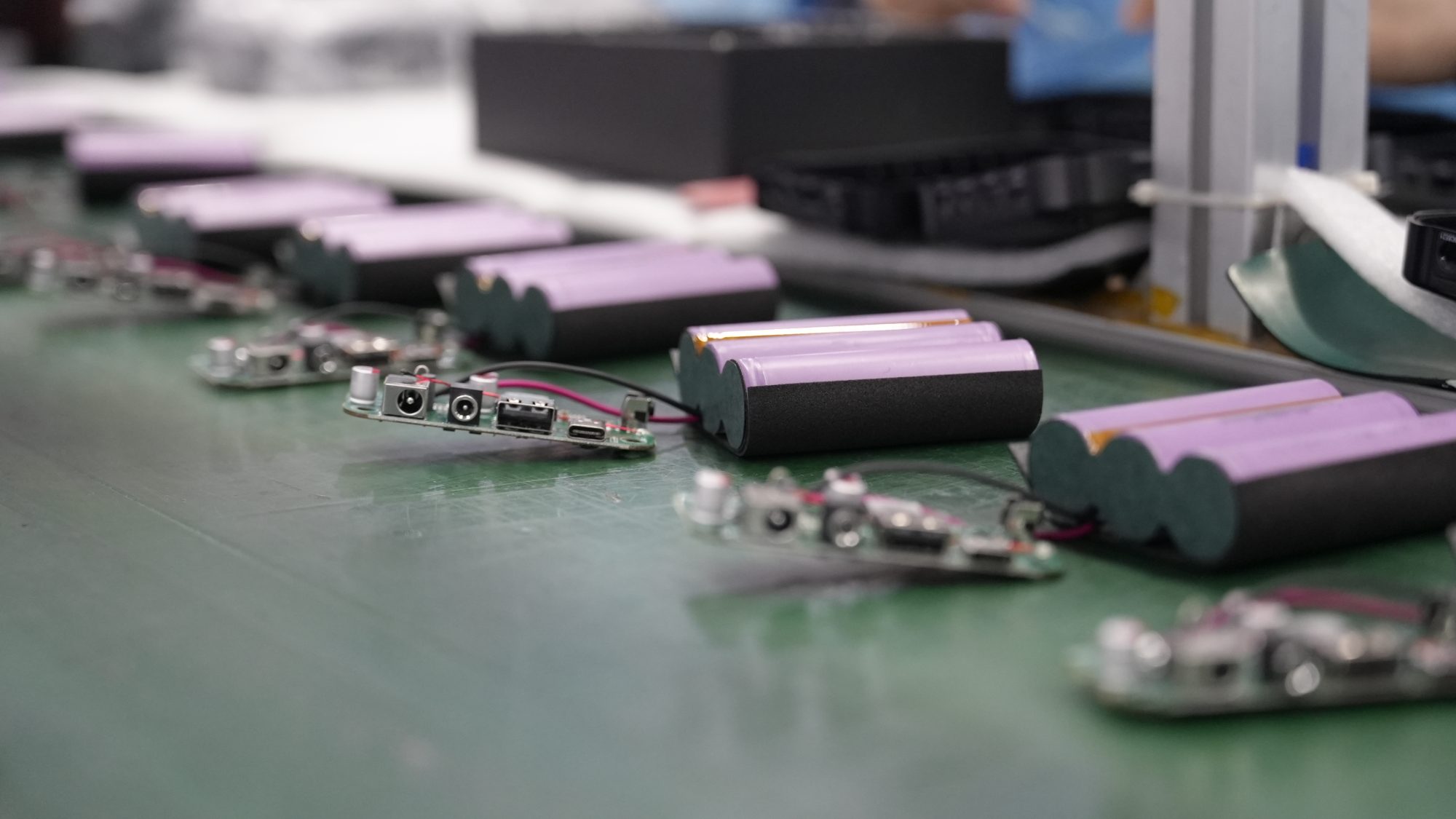
You need to understand the differences between LiFePO4 Lithium battery and NMC Lithium battery chemistries when selecting power for leak detection equipment. Each chemistry offers unique advantages for industrial inspection.
Battery Type | Energy Density (Wh/kg) | Cycle Life (Charge Cycles) | Cost Analysis |
|---|---|---|---|
LiFePO4 Lithium battery | 90–120 | 2,000–5,000+ | Higher initial cost, lower lifetime cost |
NMC Lithium battery | 150–250 | 1,000–2,000 | Lower initial cost, higher replacement frequency |
LiFePO4 Lithium battery packs provide longer cycle life and greater safety. You can expect these batteries to last through thousands of charge cycles, which reduces replacement frequency. NMC Lithium battery packs deliver higher energy density, making them suitable for applications where space and weight matter. However, you may need to replace NMC batteries more often due to their shorter cycle life.
Battery Type | Energy Density | Cycle Life | Safety | Thermal Runaway Risk |
|---|---|---|---|---|
LiFePO4 Lithium battery | Lower | Longer | Safer | Lower |
NMC Lithium battery | Higher | Shorter | Less Safe | Higher |
You often see lithium-ion batteries used in leak detection equipment because they offer high energy density and low self-discharge rates. These features support continuous operation and reliable data collection. For applications that require frequent battery changes, the long-term cost benefits of LiFePO4 Lithium battery packs outweigh their higher initial investment. NMC Lithium battery packs remain popular for portable devices where weight and size are critical.
2.2 Battery Management Systems and AI Integration
You can improve safety and efficiency by using advanced battery management systems (BMS) in your lithium battery packs. A high-quality BMS monitors voltage and temperature, which helps prevent hazards like overheating or overcharging. You also benefit from features such as cell balancing and real-time diagnostics. These features extend battery life and ensure reliable performance in demanding environments.
Advanced BMS tracks battery health and predicts failures before they happen.
Temperature sensors and state-of-charge management help you avoid unexpected downtime.
System integration allows you to monitor multiple batteries across your inspection fleet.
Artificial intelligence (AI) now plays a key role in battery management. AI-powered systems use mathematical models to predict battery degradation and optimize charging cycles. You can use AI to support predictive maintenance, which reduces downtime and extends equipment life. Organizations that use AI for predictive maintenance report up to 90% fewer unexpected battery failures. In industrial automation, this means you can keep your leak detection equipment running longer and more efficiently.
Tip: AI integration in battery management also supports sustainable manufacturing by optimizing energy use and reducing waste.
2.3 Safety, Certifications, and Maintenance Reduction
You must prioritize safety and compliance when deploying lithium battery solutions in industrial inspection. LiFePO4 Lithium battery packs offer a lower risk of thermal runaway and higher safety margins compared to NMC Lithium battery packs. You should look for batteries with certifications that match your region’s regulations.
Region | Regulatory Focus | Key Requirements |
|---|---|---|
Americas | Government incentives, safety regulations | Portable detector integration, battery integrity |
Europe | Comprehensive battery regulations | Leakproof certification, recycling protocols |
Middle East | Advanced diagnostic demand | Aviation and defense sector compliance |
Africa | Portable detection in developing markets | Equipment safeguarding in telecom and off-grid installations |
Asia-Pacific | Manufacturing hub, automation | Leak detection in automated assembly lines |
You can reduce maintenance needs by up to 75% with lithium battery solutions. These batteries provide stable energy output, longer service life, and faster charging. Fewer replacements mean lower operational costs and less downtime for your inspection teams. When you choose certified lithium battery packs, you ensure compliance with safety standards and support efficient, reliable inspections.
Callout: Regular maintenance and proper battery management extend the life of your lithium battery packs and protect your investment.
Part3: Choosing the Right Lithium Battery Solution
3.1 Assessing Power and Environmental Requirements
You must evaluate your inspection environment before selecting a lithium battery pack. Start by identifying the gases you need to detect and the type of monitoring—continuous or intermittent. Consider the area you want to cover and how close your sensors will be to leak sources. Environmental factors like temperature, humidity, wind, salt, and sand can affect battery performance. You should also check if your equipment will face vibration or chemical exposure. These factors influence which battery chemistry—LiFePO4 Lithium battery, NMC Lithium battery, LCO Lithium battery, or LMO Lithium battery—fits best.
Target gases and detection sensitivity
Temperature and humidity range
Vibration and chemical exposure
Area coverage and deployment needs
Maintenance frequency and uptime expectations
Testing protocols must meet standards such as UN 38.3, which ensures batteries withstand thermal cycling, humidity, and vibration during transport and use. You should validate batteries for low and high temperatures, sealing, and corrosion resistance.
3.2 Selection Criteria and Application Fit
You need to match battery features to your application. For portable leak detectors, battery size, weight, and form factor matter. Cylindrical cells work well in rugged industrial tools. Prismatic cells fit thin devices in medical or security systems. Polymer cells suit custom shapes in robotics or consumer electronics.
Application Sector | Preferred Cell Type | Key Requirement | Example Chemistry |
|---|---|---|---|
Industrial Inspection | Cylindrical | Long cycle life, safety | LiFePO4 Lithium battery |
Medical Devices | Prismatic/Polymer | Lightweight, compact | NMC Lithium battery |
Robotics | Polymer | Custom shape, high energy | NMC Lithium battery |
Security Systems | Prismatic | Reliable backup, thin profile | LCO Lithium battery |
Infrastructure | Cylindrical | Durability, long runtime | LiFePO4 Lithium battery |
You should also review warranty and support. Most suppliers offer a two-year warranty if you follow maintenance guidelines. Keep a log of inspections and actions to protect your warranty.
3.3 Case Studies: Gas, Water, Pipeline Inspection
You can see how lithium battery packs perform in real-world scenarios:
Gas Leak Detection: Industrial systems use ER34615-powered detectors for years of continuous operation. This ensures safety in chemical plants.
Water Quality Testers: Remote monitoring devices rely on long-lasting LiFePO4 Lithium battery packs. Frequent battery changes are not practical in the field.
Pipeline Inspection Robots: NMC Lithium battery packs power lightweight robots that travel inside pipelines. These batteries offer high energy density and support advanced sensors.
You gain reliable, long-lasting power for leak detection equipment with lithium battery solutions. Proper battery selection reduces downtime, lowers replacement costs, and supports continuous data collection.
Primary lithium batteries offer lower total cost of ownership for long-term, low-power applications.
The wrong battery choice leads to costly service windows and failed deployments.
You should follow industry best practices. Test and analyze batteries for your storage needs. Share results with facility managers to meet safety standards.
Standard | Description |
|---|---|
UL 1642 | Testing lithium battery cells |
UN/DOT 38.3 | Safe transport of lithium batteries |
IEC 61960 | Battery performance standard |
You can use these resources to guide your decisions and ensure safe, efficient operations.
FAQ
What makes LiFePO4 Lithium battery packs a good choice for industrial leak detection?
You get long cycle life, high safety, and stable performance with LiFePO4 Lithium battery packs. These batteries work well in harsh environments and reduce maintenance needs. Many industrial users prefer them for continuous monitoring and demanding inspection tasks. For leak detection, pipeline inspection, and field monitoring projects, explore Large Power’s industrial battery solutions.
How do you select the right battery chemistry for your inspection equipment?
You should match battery chemistry to your application. Use LiFePO4 Lithium battery for long life and safety. Choose NMC Lithium battery for high energy density and lighter weight. Consider your device’s size, runtime, and environmental conditions. Large Power can help you build a custom lithium battery pack matched to your inspection device’s voltage, enclosure, runtime, and BMS requirements.
What certifications should you look for in lithium battery packs?
You need to check for certifications like UL 1642, UN/DOT 38.3, and IEC 61960. These standards ensure safety, transport compliance, and reliable performance. Certified batteries help you meet regulatory requirements in industrial and infrastructure projects.
How does a Battery Management System (BMS) improve safety?
A BMS monitors voltage, temperature, and charge levels. You benefit from real-time alerts and automatic shutdowns if problems occur. This system protects inspection equipment and extends battery life, especially in harsh industrial and field-service environments.
Can lithium battery packs reduce downtime in pipeline inspection?
Yes. You experience fewer battery changes and longer runtimes with lithium battery packs. This reliability supports continuous data collection and reduces service interruptions in pipeline, water, and gas inspection operations. For mission-critical inspection tools, choose battery packs designed with the right chemistry, protection circuit, and field-replaceable structure.


