

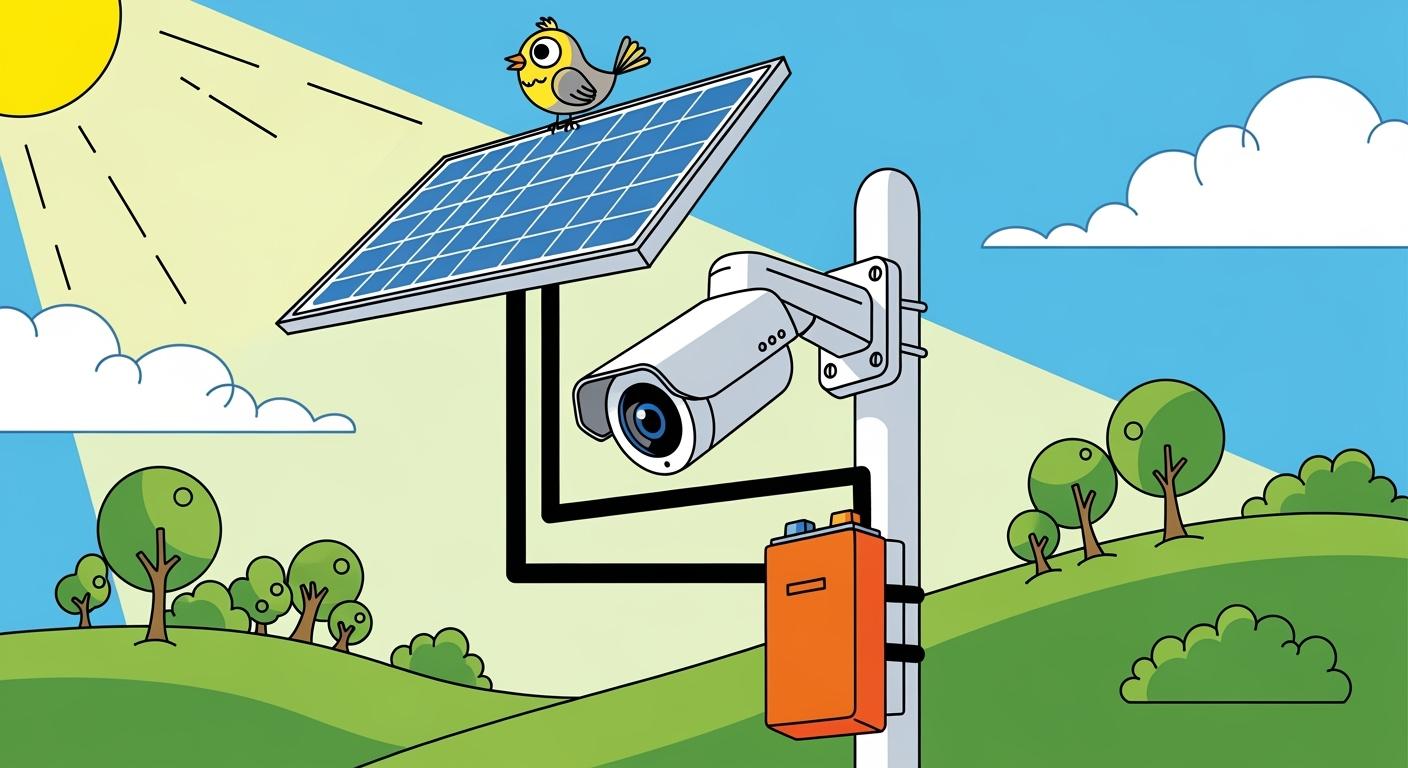
You need reliable power for outdoor IP cameras and security monitoring systems, especially in remote or off-grid locations. Solar-powered battery packs deliver continuous, wire-free energy, even when the electrical grid fails. These systems use photovoltaic panels that maintain over 20% efficiency and can power cameras for months on stored energy alone. You benefit from reduced maintenance, lower operational costs, and a cleaner energy footprint. This technology ensures your security operations stay active, regardless of weather or power outages.
Key Takeaways
Solar-powered battery packs provide reliable energy for outdoor IP cameras, ensuring continuous operation even in remote locations.
These systems reduce maintenance needs and operational costs, allowing you to save money while enhancing security.
Lithium battery technology ensures long-lasting power, enabling cameras to function during outages and harsh weather conditions.
Solar-powered solutions support sustainability goals by using renewable energy, helping you lower your carbon footprint.
You can easily expand and relocate your security system without complex wiring, adapting to changing security needs efficiently.
Part1: Solar-Powered Battery Packs and Uninterrupted Power
1.1 Continuous Operation in Remote Areas
You face unique challenges when deploying outdoor IP cameras in remote or off-grid locations. The absence of grid power, harsh environmental conditions, and connectivity issues can disrupt your security operations. The table below outlines the main operational challenges:
Challenge | Description |
|---|---|
Reliable Power Source | Outdoor IP cameras require a consistent power supply, which is often unavailable in remote areas. |
Connectivity Issues | Lack of access to traditional wired or wireless networks complicates camera operation. |
Harsh Environmental Conditions | Extreme weather can impact camera performance, necessitating robust design and weatherproofing. |
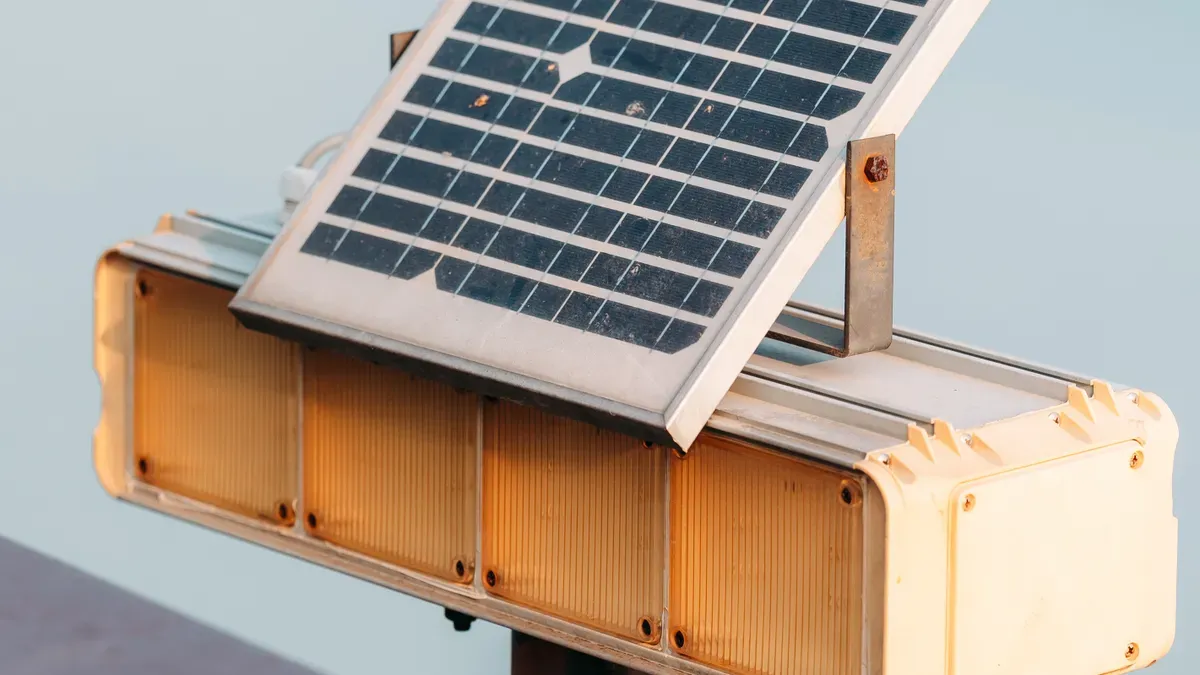
Solar-Powered Battery Packs address these challenges by providing a reliable, wire-free energy source. You can use solar panels rated between 2 to 6 watts to convert sunlight into electrical current. These panels achieve conversion efficiencies above 20%, which means you get more usable energy even in less-than-ideal sunlight. The system powers your camera in real time and charges the internal lithium battery pack for continuous operation.
Cameras operate 24/7 using stored energy from lithium battery packs.
Solar panels and batteries work together to ensure uninterrupted surveillance, even at night or during cloudy weather.
You can deploy these systems in locations without electrical infrastructure, such as construction sites, remote warehouses, or critical infrastructure points.
You must consider battery life and weatherproofing when planning installation. Proper placement of solar panels and regular maintenance, such as cleaning the panel surface and checking connectors, will maximize performance. Lithium battery packs offer high energy density and long cycle life, making them ideal for security, infrastructure, and industrial applications.
Tip: Adjust camera settings like motion sensitivity and night mode to optimize energy consumption and extend battery life.
1.2 Power Outage Protection
You cannot afford downtime in your security monitoring systems. Power interruptions can leave critical assets unprotected and disrupt operations. Solar-Powered Battery Packs provide an independent power source, ensuring your cameras remain operational during grid failures or emergencies.
These systems prevent downtime by supplying renewable energy, even when the main power grid is unavailable.
Lithium battery packs store excess solar energy, so your cameras continue to function during nighttime or extended outages.
You reduce vulnerability during emergencies, such as storms or infrastructure failures, by relying on a self-sustaining power solution.
Solar-powered systems also support sustainability goals by reducing reliance on fossil fuels.
You can further enhance reliability by integrating a battery management system (BMS) to monitor battery health and performance.
By choosing Solar-Powered Battery Packs with advanced lithium battery technology, you ensure continuous, reliable security monitoring for your business, regardless of location or power availability.
Part2: Maximizing Uptime and Reducing Maintenance
2.1 Extended Operation and Power Management
You need your security monitoring systems to run without interruption. Solar-Powered Battery Packs use advanced lithium-ion technology, such as LiFePO4, to store energy efficiently. These batteries can power outdoor IP cameras through the night and during cloudy weather. Battery capacities range from 5,000 to 18,000 mAh, so you can expect 1 to 6 months of operation in standby mode. Some premium models, like the TP-Link Tapo C425, reach up to 300 days of standby time. AI-powered motion detection helps conserve energy by activating recording only when real threats appear.
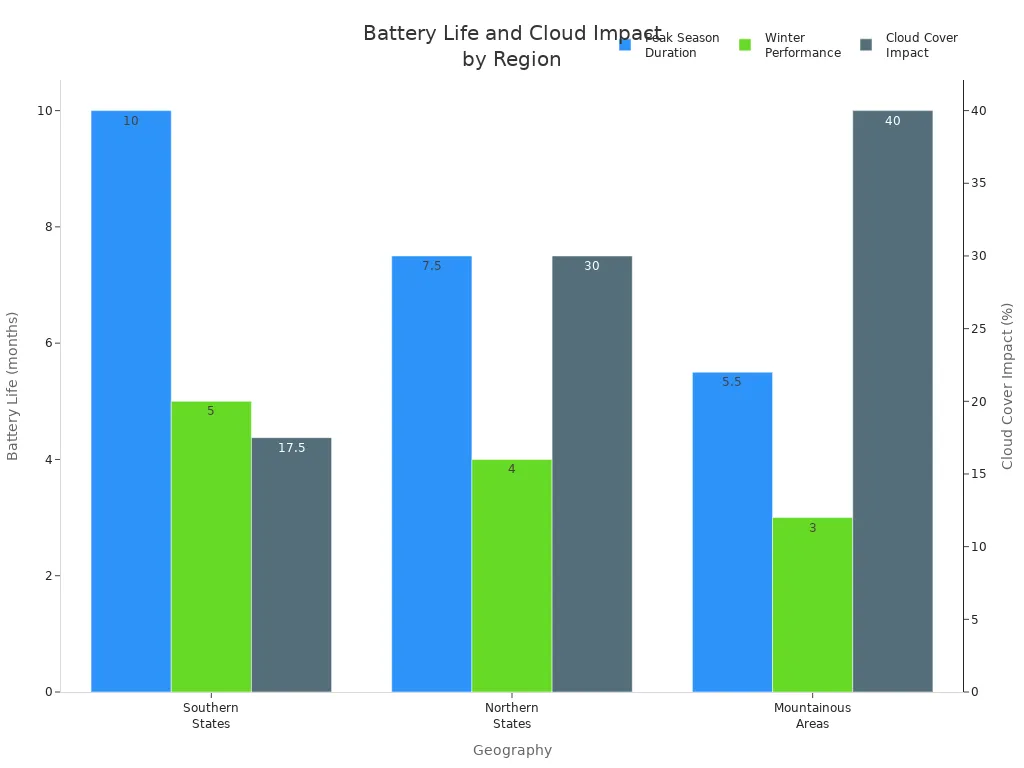
The table below shows how battery life and performance change based on location and weather:
Geography | Peak Season Duration | Winter Performance | Cloud Cover Impact |
|---|---|---|---|
Southern States | 8–12 months | 4–6 months | 15–20% reduction |
Northern States | 6–9 months | 3–5 months | 25–35% reduction |
Mountainous Areas | 4–7 months | 2–4 months | 30–50% reduction |
You can use these systems in many sectors, including medical, robotics, infrastructure, and industrial applications. Reliable power management means you spend less time worrying about downtime.
2.2 Lower Maintenance Needs
You want to reduce maintenance and operational costs. Solar-powered systems only need periodic cleaning of the solar panels and simple battery checks. Traditional battery solutions often require electrical troubleshooting and wire repairs, which increase labor and downtime.
You save on electricity bills because these systems use sunlight instead of grid power.
Over a 10-year period, you can cut operational costs by more than 70%.
You do not need to invest in expensive electrical infrastructure for remote sites.
Your business gains independence from grid reliability and avoids service interruptions.
Tip: Schedule regular panel cleaning and battery health checks to maximize uptime and extend battery life.
Part3: Reliable Performance in Harsh Environments
3.1 Weather and Temperature Resistance
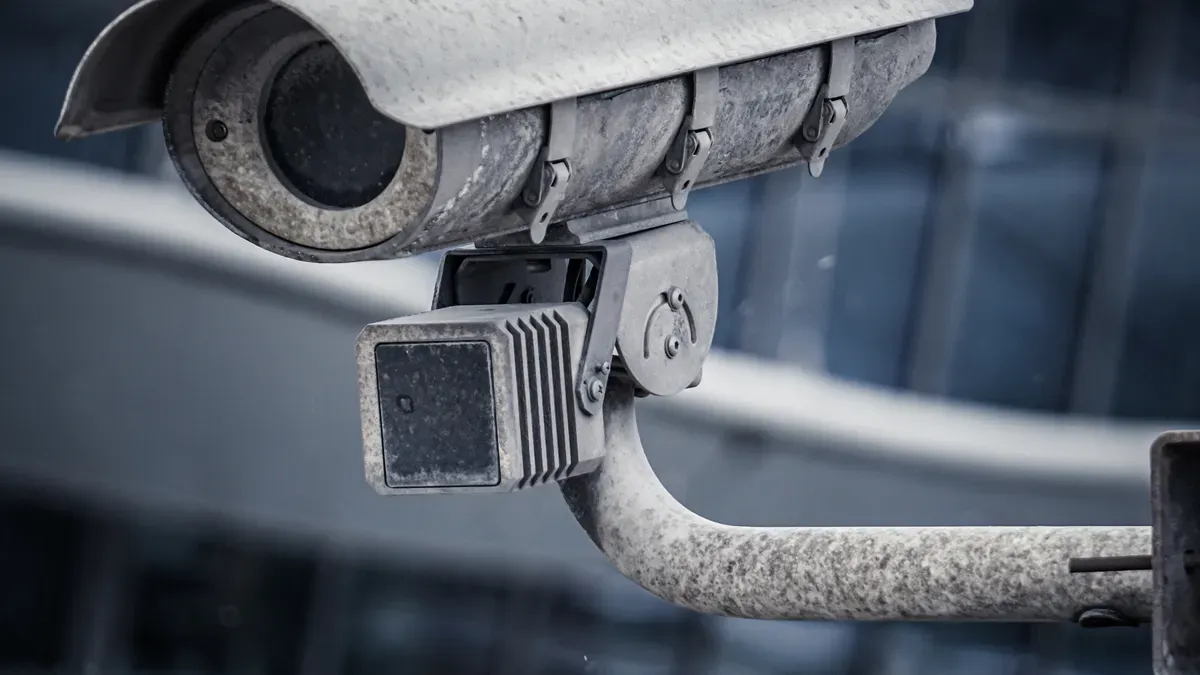
You need security monitoring systems that perform reliably in harsh conditions. Solar-Powered Battery Packs use lithium battery technology to deliver consistent power, even when weather changes rapidly. Most systems operate efficiently in temperatures from -4°F to 122°F. You benefit from weather resistance rated at IP65, which protects against dust and water. This durability is essential for outdoor IP cameras used in security, infrastructure, and industrial applications.
Modern solar panels capture 10–25% of energy on cloudy days. You can expect continued functionality, although charging efficiency drops during shade or low-angle sunlight. Battery capacity ranges from 3,000 to 13,000 mAh, affecting how long your cameras run without sunlight. Some solar chargers, like the Goal Zero Nomad 20, perform well even in indirect sunlight, so you maintain surveillance during inclement weather.
Lithium battery packs withstand extreme temperatures and moisture.
IP65-rated enclosures protect sensitive electronics from dust and rain.
Solar panels provide energy on cloudy days, ensuring cameras stay active.
Note: Schedule routine inspections to check for dust buildup and water ingress. This helps maintain optimal performance.
3.2 Consistent Functionality Off-Grid
You deploy security cameras in locations without access to the electrical grid. Solar-Powered Battery Packs enable you to operate cameras in night-vision mode until the battery depletes. It takes 6 to 8 hours to fully charge the battery, allowing for 1 week to over 3 months of operation without additional charging. Power-saving settings, such as turning off unnecessary features, extend battery life.
A fully charged 10,400 mAh battery can last for weeks in motion-activated mode. You place solar panels in areas with daily sunlight to recharge batteries efficiently. These systems are ideal for medical, robotics, infrastructure, and consumer electronics applications where wiring is impractical.
Chemistry | Cycle Life | Energy Density (Wh/kg) |
|---|---|---|
LiFePO4 | 2,000–7,000 | 90–160 |
NMC | 1,000–2,000 | 150–220 |
LTO | 10,000–20,000 | 70–80 |
Solid-State | 1,000–10,000 | 250–500 |
You select battery chemistry based on your operational needs. LiFePO4 offers long cycle life and stable performance. NMC provides higher energy density for compact installations. LTO excels in rapid charging and extreme environments. Solid-State batteries deliver high energy density and safety.
Solar-powered cameras operate in remote locations without wiring.
Battery packs support long-term surveillance in off-grid scenarios.
You optimize system settings to maximize uptime and reliability.
Tip: Adjust camera settings for motion detection and night-vision to conserve battery power and extend operational duration.
Part4: Flexibility and Scalability of Solar Security Systems
4.1 Easy Expansion and Relocation
You can expand your outdoor IP camera network quickly with solar-powered lithium battery packs. These systems do not require complex wiring or major infrastructure changes. You simply add more cameras where you need coverage. This approach works well for growing businesses, construction sites, and temporary events.
Benefit | Description |
|---|---|
Scalability | You add cameras easily without major infrastructure changes. |
Cost-effective | You avoid electrical wiring and reduce ongoing electricity costs. |
Versatility | You deploy cameras in outdoor locations with limited electrical access. |
You gain flexibility by mounting cameras wherever sunlight is available. This feature benefits historic properties, rental spaces, and remote areas. You do not need to alter walls or install new wiring. You can relocate cameras as your security needs change. For example, you move cameras to monitor new construction zones or adapt to shifting site layouts.
Solar-powered systems allow for quick installation without complex wiring.
You install cameras in remote areas lacking electrical service.
Traditional wired systems require extensive installation, limiting flexibility.
Tip: Use lithium battery packs with modular design for easy customization and replacement. This supports rapid deployment in medical, robotics, infrastructure, and industrial applications.
4.2 Adapting to Changing Security Needs
You must adapt your security system as your business evolves. Solar-powered lithium battery packs provide uninterrupted power, so your cameras operate continuously. These batteries store excess energy during sunny periods, allowing cameras to function at night or during cloudy weather. You benefit from cost efficiency and environmental sustainability, which is ideal for commercial and industrial settings.
Feature | Description |
|---|---|
Flexible Installation | You deploy cameras in various scenarios without extensive setup. |
Remote Management | You monitor and control systems from a distance, reducing on-site visits. |
All-Weather Stability | You maintain reliable operation in diverse environmental conditions. |
Modular Design | You customize and replace components based on specific needs. |
You support rapid deployment for temporary security needs, such as events or construction projects. You set up and relocate systems within 30 minutes. Off-grid operation ensures continuous surveillance, even in remote locations. Real-time monitoring with cellular connectivity enables immediate response to incidents.
You adapt your security system for medical, robotics, infrastructure, and consumer electronics applications.
Lithium battery packs with battery management systems (BMS) enhance reliability and safety.
Note: Choose standardized lithium battery chemistries, such as LiFePO4 or NMC, for optimal performance and adaptability across industries.
Solar-powered lithium battery packs give you reliable, long-term power for outdoor IP cameras and security systems. You benefit from high energy density, durability, and minimal maintenance, which lowers costs and keeps your operations running. These systems operate off-grid, stay functional during outages, and help you meet sustainability goals by reducing CO₂ emissions.
You eliminate electricity bills and reduce maintenance needs.
You support eco-friendly practices across medical, robotics, infrastructure, and industrial sectors.
To integrate solar-powered solutions, follow these steps:
Learn the basics of solar-powered IP cameras and lithium battery packs.
Select equipment with the right battery chemistry and capacity.
Plan your system layout for best performance.
Install and connect all components.
Monitor and maintain your system for long-term reliability.
For advanced safety and performance, consider adding a Battery Management System (BMS).
FAQ
How do solar-powered lithium battery packs improve reliability for outdoor IP cameras?
You get continuous power for your cameras, even in remote or off-grid areas. Lithium battery packs store solar energy efficiently. This setup keeps your security systems running during outages or harsh weather. You reduce downtime and maintenance.
Which battery chemistry works best for outdoor security systems?
Chemistry | Cycle Life (cycles) | Energy Density (Wh/kg) | Best Use Case |
|---|---|---|---|
LiFePO₄ | 2,000–7,000 | 90–160 | Security, Industrial |
NMC | 1,000–2,000 | 150–220 | Consumer Electronics |
LTO | 10,000–20,000 | 70–80 | Robotics, Medical |
Choose LiFePO₄ for long life and stable performance in outdoor security.
Can you use solar-powered battery packs in harsh environments?
Yes. You can deploy lithium battery packs with IP65-rated enclosures. These resist dust, rain, and extreme temperatures. Your cameras stay active in security, infrastructure, and industrial settings.
How does a Battery Management System (BMS) help?
A BMS monitors battery health, prevents overcharging, and extends battery life. You improve safety and reliability for your security systems.
Are solar-powered systems sustainable and compliant with conflict mineral regulations?
Yes. You lower your carbon footprint by using solar energy. You also support responsible sourcing. Read about our Approach to Sustainability and Conflict Minerals Statement. For outdoor camera projects, Large Power can help you design solar-compatible lithium battery packs with BMS protection, IP-rated enclosures, and stable long-term backup power.


