
Understanding LiPo Battery Voltage for Optimal Performance
Understand LiPo battery voltage ranges (3.0V-4.2V per cell) to enhance performance, extend lifespan, and ensure safety with proper monitoring and maintenance.


Understand LiPo battery voltage ranges (3.0V-4.2V per cell) to enhance performance, extend lifespan, and ensure safety with proper monitoring and maintenance.

Learn how to calculate battery run time using capacity, power consumption, and efficiency. Get accurate results for lithium and other battery types.

Understand button battery sizes and types, including lithium, alkaline, silver oxide, and zinc air. Learn how size impacts energy capacity and device compatibility.

Learn how to read lithium battery discharge and charging curves to analyze SoC, DoD, and C-rate, ensuring optimal performance and extended battery life.
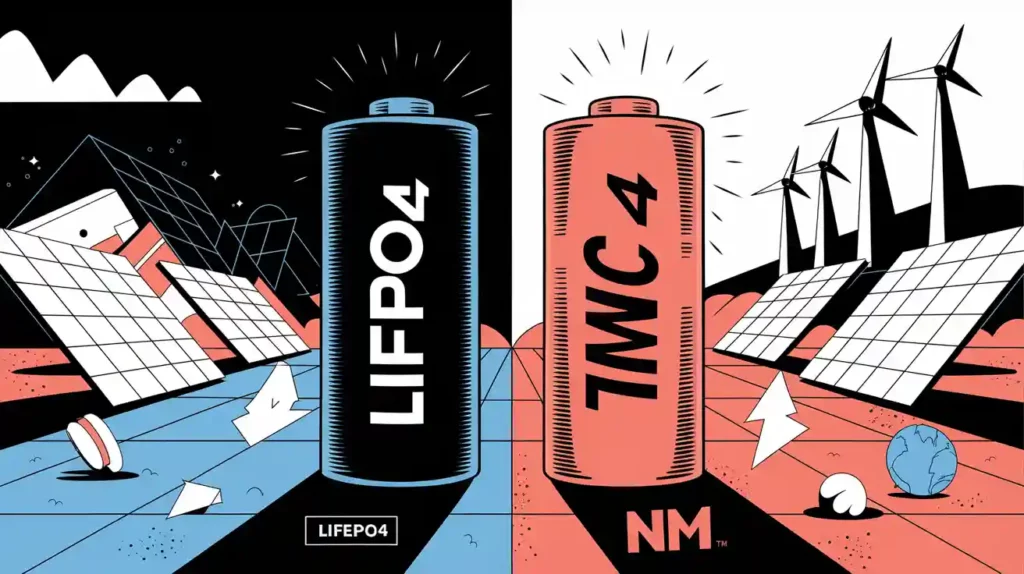
Will LiFePO4 replace NMC batteries? LiFePO4 excels in safety and cost, but NMC dominates high-performance EVs due to superior energy density.

A lithium battery charging cycle involves fully charging, discharging, and recharging the battery. Learn how it impacts lifespan and performance efficiency.

Compare Passive Balancing vs Active Balancing in lithium batteries. Learn how each method impacts efficiency, cost, and application suitability.

A voltage regulator ensures stable voltage output, protecting devices from fluctuations, enhancing efficiency, and extending the lifespan of lithium battery systems.
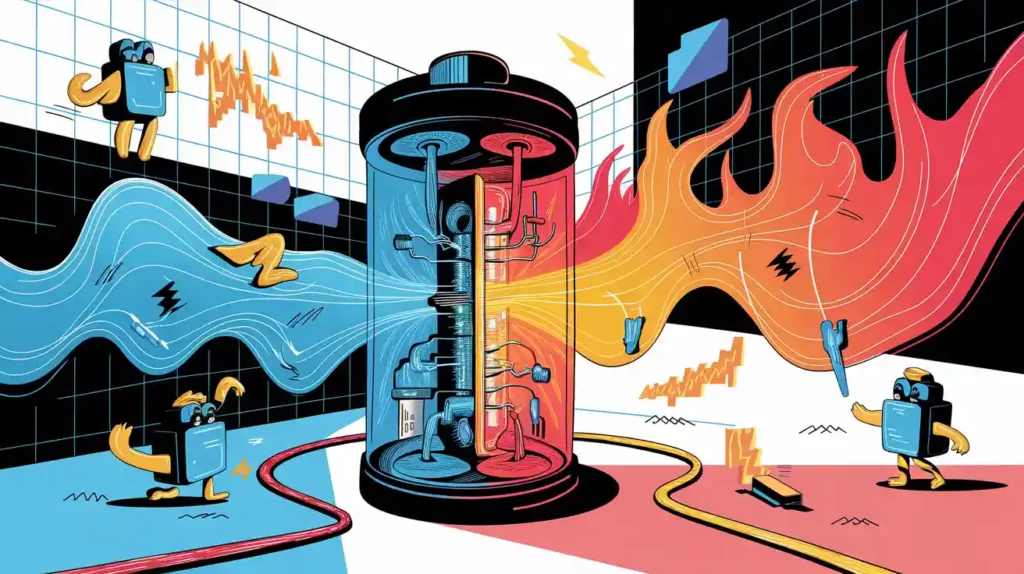
Explore how temperature impacts voltage sag in lithium batteries, affecting performance and reliability, and discover strategies for effective thermal management.
Voltage vs Amperage in lithium batteries: Voltage defines energy potential, while amperage controls current flow. Learn their roles in performance and safety.

Understand the causes of low voltage in LiPo batteries, its risks, and effective fixes like proper storage, charging, and using a Battery Management System.

Thermal-conducting interlayers about lithium battery enhance safety by managing heat, preventing thermal runaway, and improving performance in demanding applications.


