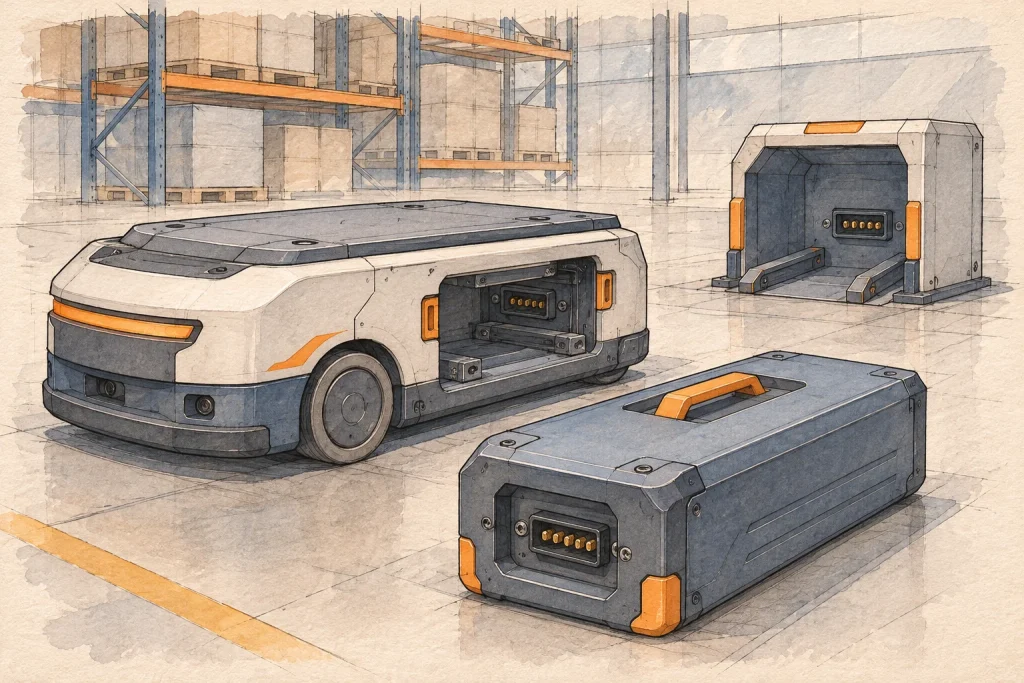
Custom Robot Battery Packs: An OEM Guide to Specification, Integration, and Validation
An OEM guide to custom robot battery packs for AGVs, AMRs and humanoids. Specify duty cycle, integrate the BMS and charger, and verify packs before release.


An OEM guide to custom robot battery packs for AGVs, AMRs and humanoids. Specify duty cycle, integrate the BMS and charger, and verify packs before release.
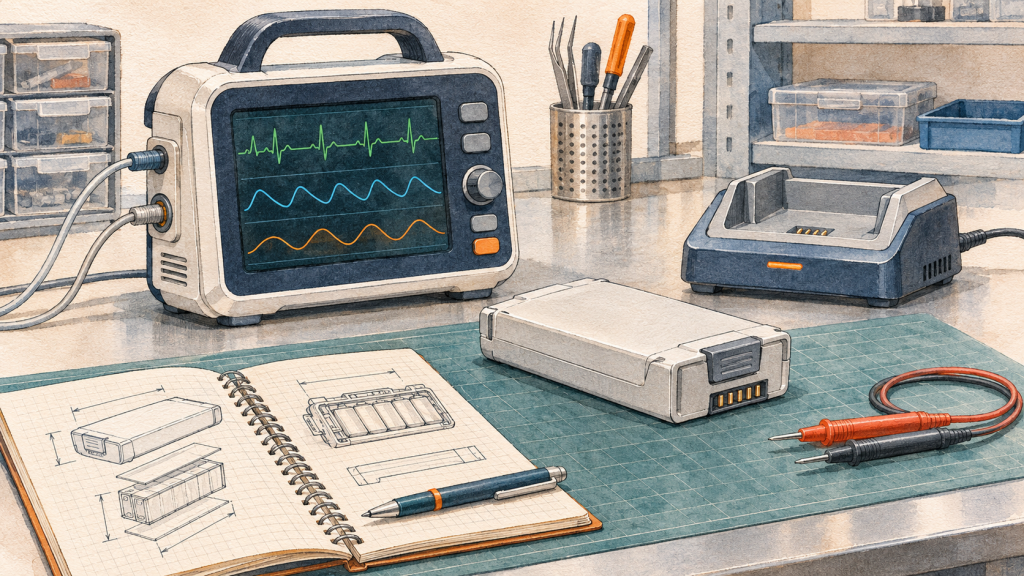
Quick Answer: Define what the medical device must do when external power is lost or battery energy runs low. Convert
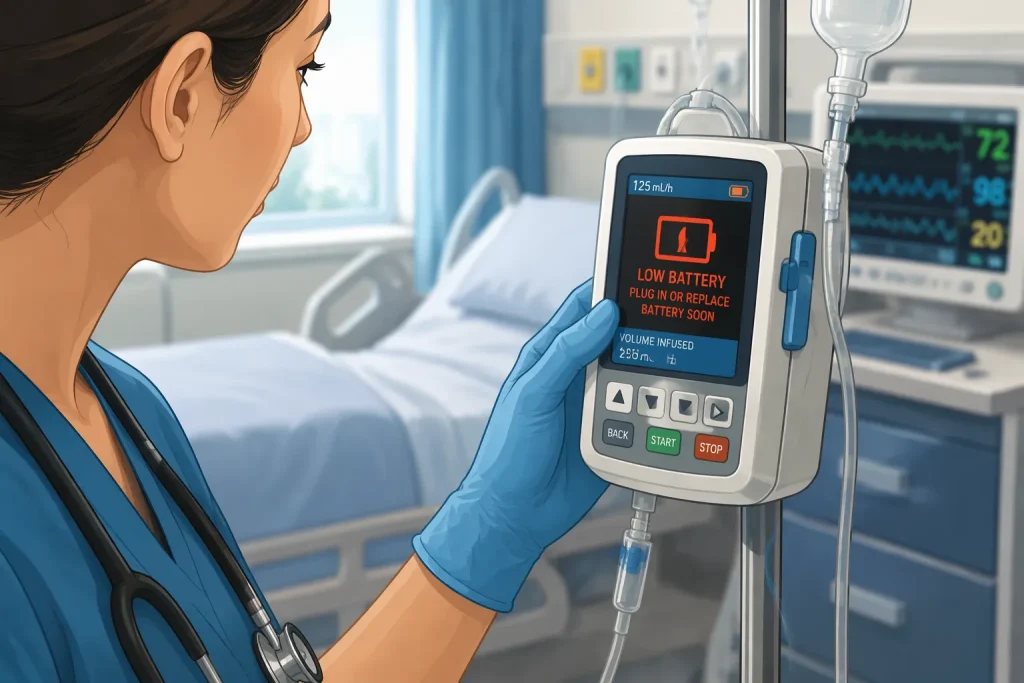
Quick Answer: Define the low-charge warning margin as the minimum usable time between the alarm and the required device action.
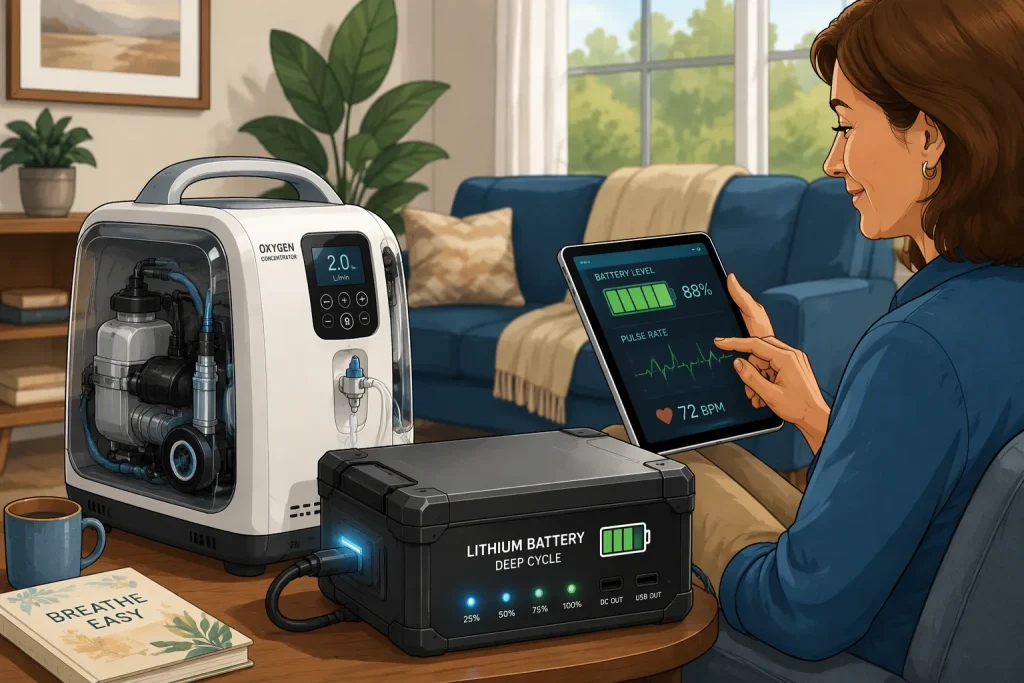
Quick Answer: Size the lithium battery pack for both the compressor’s startup voltage sag and the energy used over its
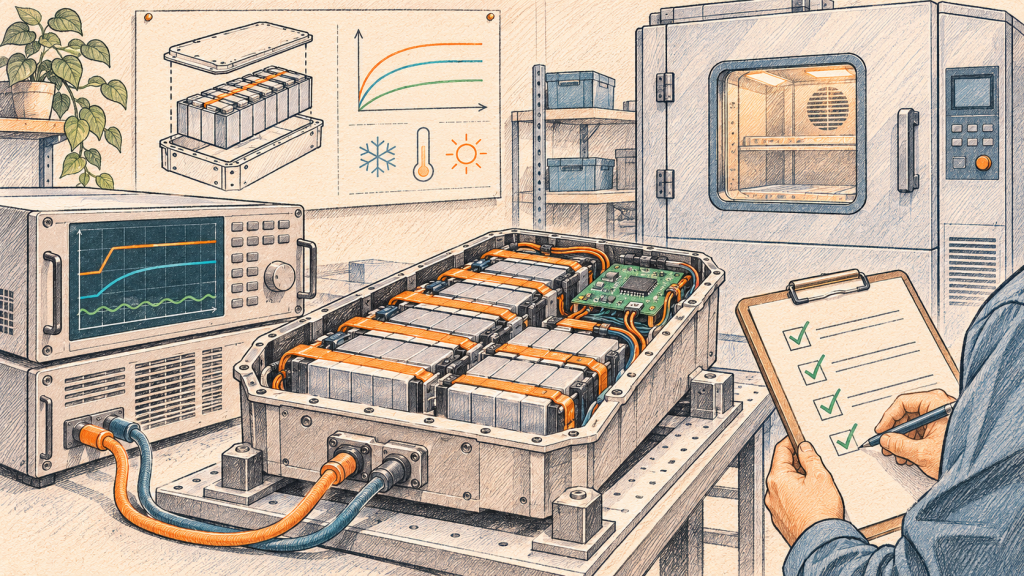
Quick Answer: Define what the battery pack must do under the device’s actual operating conditions. Qualify the cell model and
Quick Answer: When a robot battery pack limits regenerative charging because of high state of charge, low cell temperature, or
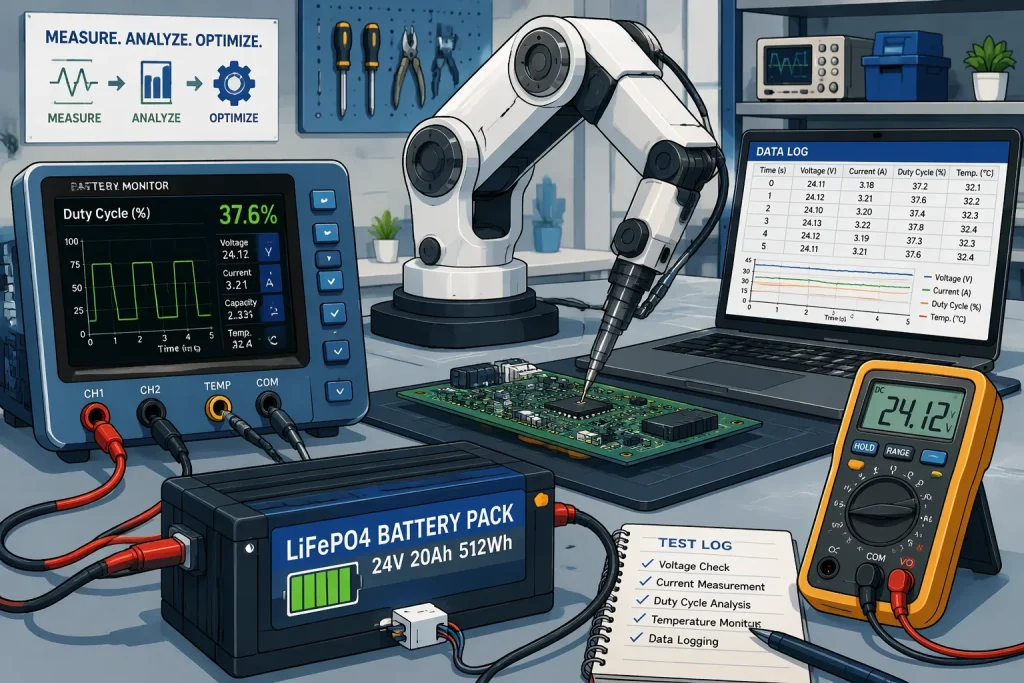
Quick Answer: Estimate robot runtime by weighting measured pack power in each operating mode by the time spent in that

Gas cylinders are essential in many workshops and manufacturing facilities. They supply compressed gases for welding, cutting, heating, cooling, laboratory
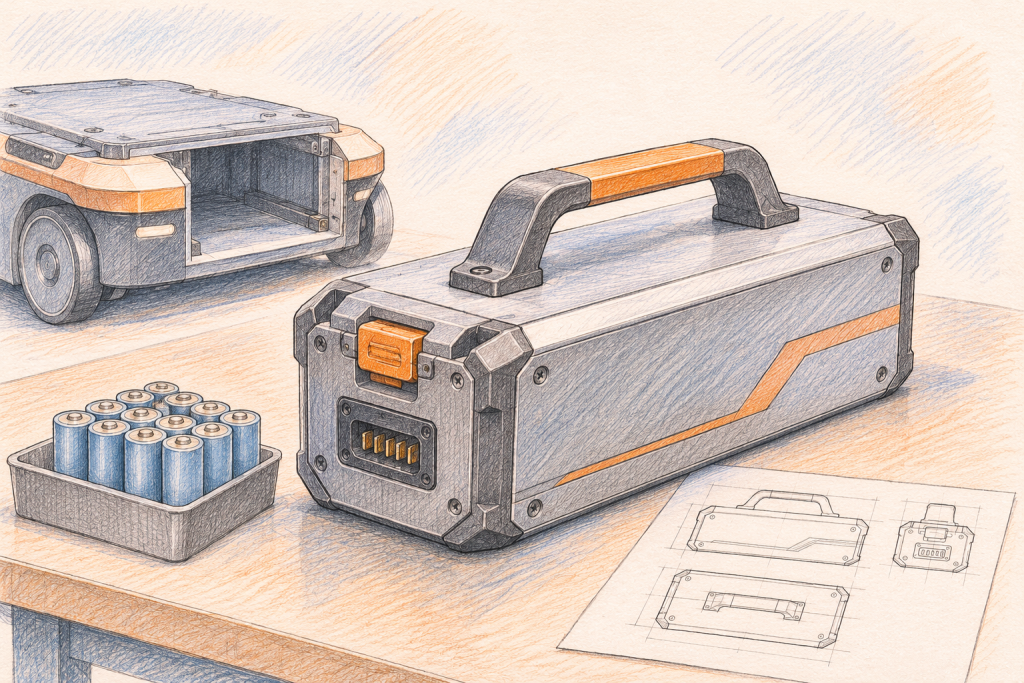
Quick Answer: Start with the device’s operating requirements, agree on the pack architecture and cell-matching criteria, then use EVT, DVT,

A battery system can report state of charge with confidence and still get its grid export wrong by several kilowatts.

Battery manufacturing facilities need to control chemical exposure, stored electrical energy, fire risk, and thermal events without slowing production unnecessarily.
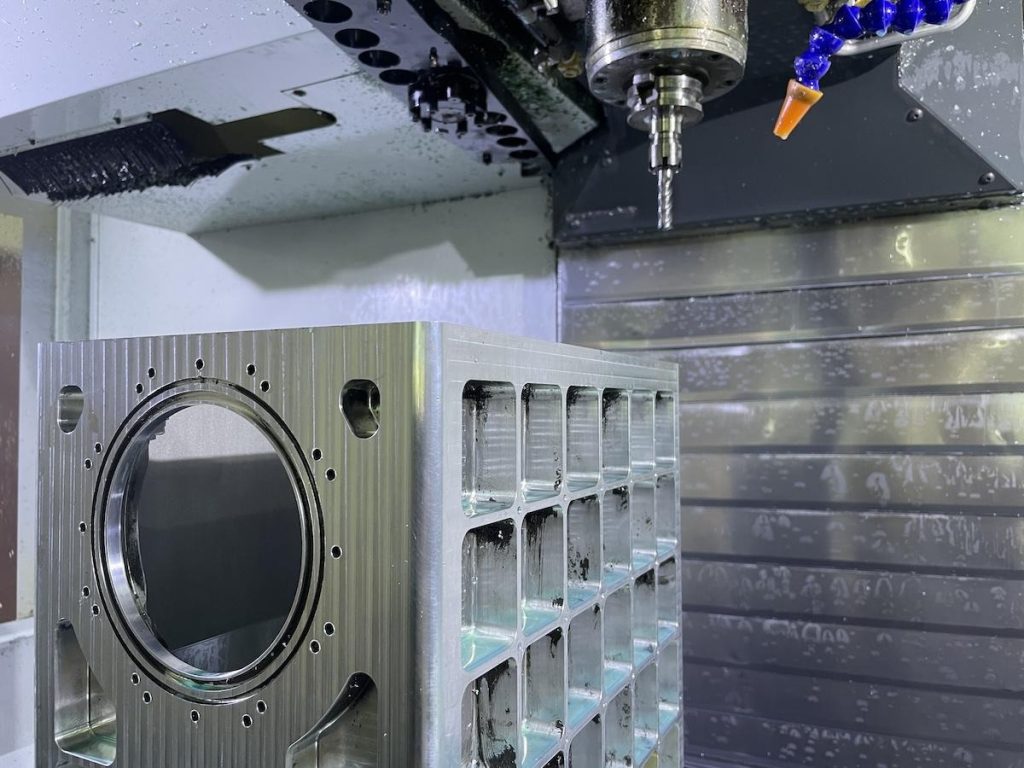
Large aerospace mounting plates must remain flat for accurate assembly, load transfer, and alignment between attached components. Machining broad surfaces,


