

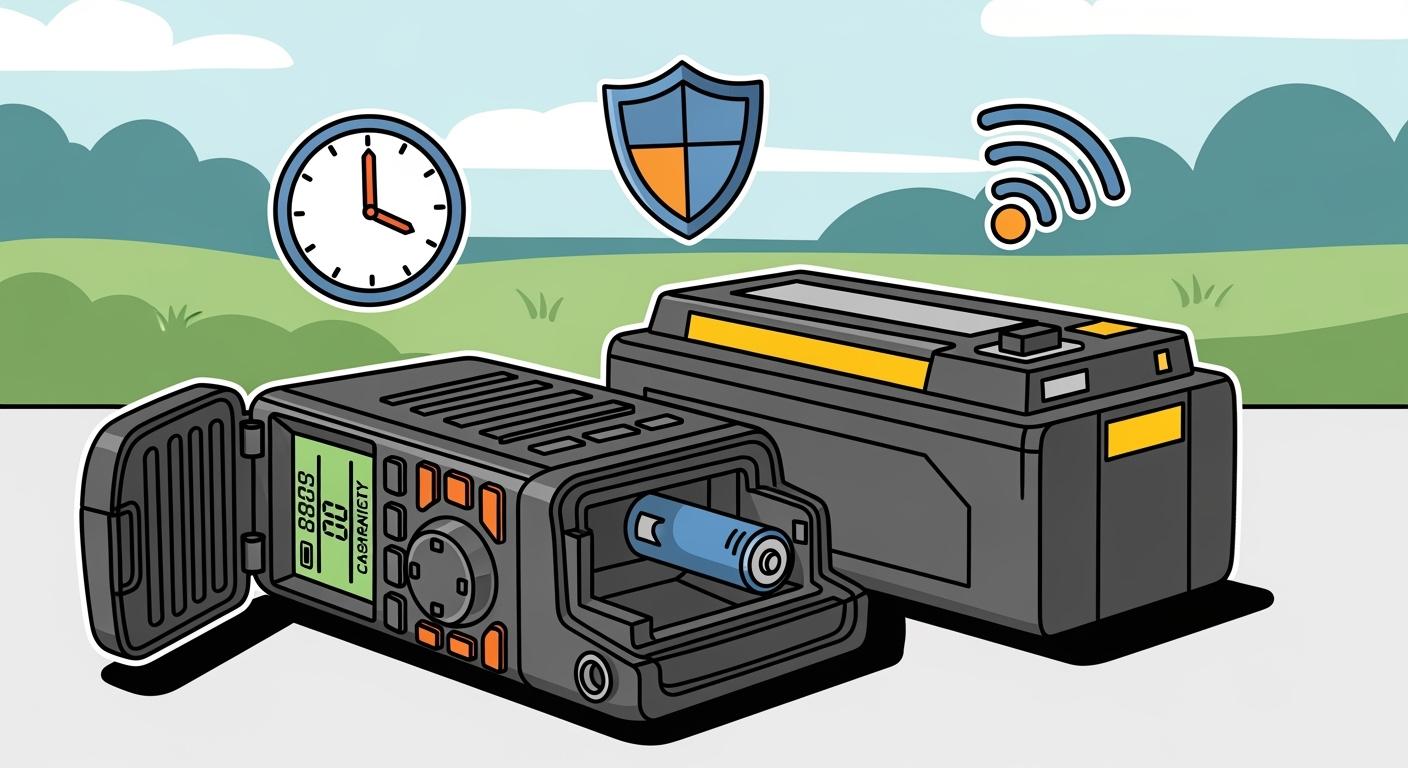
You rely on professional digital radios to maintain clear communication in demanding environments. Battery performance directly impacts your ability to stay connected and operational in the field. Selecting the right battery chemistry—whether lithium-ion or NiMh—affects runtime, weight, and reliability. Meeting strict Battery Requirements ensures your P25/DMR radios deliver consistent power and support mission-critical operations without interruption.
Key Takeaways
Choose high-capacity lithium batteries like LiFePO4 or NMC for longer runtime and lighter weight in P25/DMR radios.
Follow strict charging and maintenance protocols to extend battery life and ensure safety during operation.
Select reputable manufacturers with proven quality assurance to guarantee reliable battery performance in critical environments.
Train field teams on battery care and usage to maximize reliability and reduce errors in demanding conditions.
Always verify that batteries meet safety certifications to protect your teams and ensure compliance in regulated sectors.
Part1: Battery Requirements for P25/DMR Radios

1.1 Capacity and Runtime
You depend on reliable power to keep your P25/DMR radios operational during long shifts and critical missions. Battery capacity, measured in milliamp-hours (mAh), determines how long your radio can function before needing a recharge. Higher capacity batteries extend runtime, reducing the frequency of swaps and downtime. For professional applications, you often require batteries with capacities ranging from 1800mAh to 3500mAh, depending on radio model and operational demands.
Energy density plays a crucial role in maximizing runtime without increasing weight. Lithium-ion batteries deliver higher energy density compared to NiMh, allowing you to carry lighter packs with longer operational hours. The table below shows typical energy densities for both chemistries:
Battery Type | Energy Density (Wh/kg) |
|---|---|
Lithium-ion | 150 – 250+ |
NiMH | 60 – 110 |
When you select batteries for mission-critical radios, you must consider both capacity and energy density to meet stringent battery requirements. This ensures your teams maintain communication throughout extended deployments in sectors such as security systems, infrastructure, and industrial operations.
1.2 Lithium-Ion vs. NiMh Comparison
Choosing the right battery chemistry impacts performance, reliability, and operational readiness. Lithium-ion batteries offer several advantages over NiMh for P25/DMR radios:
Lithium-ion batteries are lightweight.
Lithium-ion batteries have a larger cell capacity.
Lithium-ion batteries are better suited for mission-critical operations.
NiMh batteries are heavier.
NiMh batteries drain quicker.
NiMh batteries are less volatile than lithium-ion.
On average, lithium-ion batteries last 300 to 500 charge/discharge cycles or two to three years, depending on usage and capacity. NiMh batteries typically offer fewer cycles and shorter lifespan. You benefit from lithium-ion’s superior energy density, which translates to longer runtime and reduced weight—critical for field teams in medical, robotics, and security applications.
To help you evaluate lithium battery packs for professional radios, the table below compares standardized lithium chemistries used in advanced sectors:
Chemistry | Platform Voltage (V) | Energy Density (Wh/kg) | Cycle Life (cycles) | Typical Applications |
|---|---|---|---|---|
LiFePO4 | 3.2 | 90 – 140 | 2000+ | Medical, robotics, infrastructure |
NMC | 3.7 | 150 – 220 | 1000 – 2000 | Security systems, industrial, consumer |
LCO | 3.7 | 150 – 200 | 500 – 1000 | Consumer electronics |
LMO | 3.7 | 100 – 150 | 300 – 700 | Industrial, infrastructure |
Solid-State | 3.7 – 4.2 | 250+ | 2000+ | Medical, robotics, security |
Lithium Metal | 3.7 – 4.2 | 300+ | 1000+ | Advanced medical, industrial |
You should prioritize lithium battery packs with chemistries that match your operational needs. For example, LiFePO4 offers high cycle life and safety for medical and robotics, while NMC provides balanced energy density and longevity for security and industrial sectors.
1.3 Weight and Portability Factors
Weight and portability affect how easily your teams can carry and deploy radios in the field. Lithium-ion batteries weigh less than NiMh, making them ideal for extended use and rapid mobility. You reduce fatigue and improve efficiency by choosing lighter battery packs, especially in sectors like infrastructure maintenance and robotics.
When you select lithium battery packs, consider the balance between capacity and weight. Higher energy density means you can achieve longer runtime without increasing the load. This advantage is critical for professionals who require reliable communication during long shifts or in challenging environments.
Tip: Always check the weight specifications of battery packs before procurement. Lightweight lithium chemistries such as NMC and solid-state batteries offer superior portability for mission-critical operations.
1.4 Safety and Certifications
Safety remains a top priority when you deploy radios in hazardous or regulated environments. Batteries must meet strict certifications to ensure safe operation and compliance with industry standards. The table below summarizes key certifications for professional radio batteries:
Certification Type | Description |
|---|---|
Intrinsically Safe (I.S.) | Batteries must not produce sparks or release energy that could ignite flammable atmospheres, even under abusive conditions. |
IEC 60079-11 | Standard dictating the requirements for components to be considered intrinsically safe. |
You must also look for FM and Limited CSA Approval for Division I, Class I, Groups C and D, Class II, Groups E, F, and G, Class III. CSA certification covers Division I, Class I, Groups A, B, C, and D, Class II, Groups E, F, and G, Class III, and Division II, Class I, Groups A, B, C, and D.
ATEX certification is essential for equipment used in explosive atmospheres within the EU, categorizing environments based on exposure risk. IECEx certification ensures global safety compliance, making it crucial for companies operating internationally.
Note: Always verify that your battery packs meet all relevant Battery Requirements and certifications before deployment. This protects your teams and ensures compliance in medical, security, and industrial sectors.
Part2: Battery Care and Maintenance
2.1 Charging Best Practices
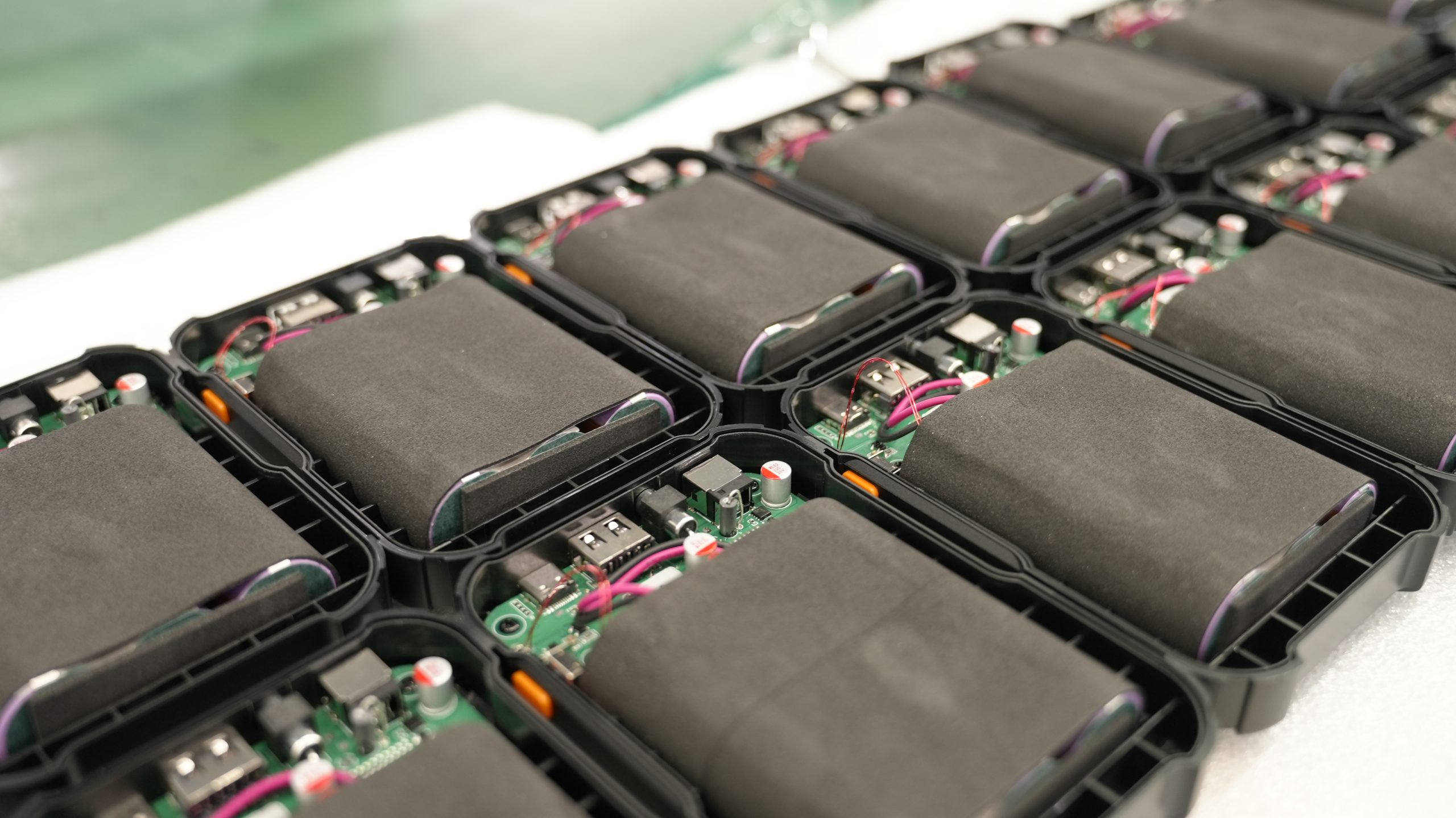
You must follow strict charging protocols to maximize battery lifespan and reliability in your P25/DMR radios. Improper charging can damage lithium battery packs, reduce their service life, and create safety risks. Overheating may occur, especially with lithium chemistries like NMC or LCO, which are vulnerable to thermal runaway. To avoid these issues:
Use only manufacturer-approved chargers.
Disconnect radios once fully charged.
Avoid charging in extreme temperatures.
Never leave batteries unattended during charging.
Tip: Always follow the charging guidelines provided by your supplier to meet Battery Requirements and ensure safe operation in security, medical, and industrial environments.
2.2 Storage and Handling
Proper storage and handling protect your investment and maintain operational readiness. You should:
Store batteries in a cool, dry place with at least 30% charge.
Avoid exposing battery packs to direct sunlight or freezing conditions.
Handle batteries with care to prevent drops or impacts.
Consequence | Explanation |
|---|---|
Reduced battery lifespan | Using incorrect chargers or exposing batteries to extreme temperatures can significantly shorten their life. |
Safety risks | Overheating or short-circuiting due to improper handling can pose serious safety hazards. |
Compromised communication reliability | Dirty contacts or using counterfeit batteries can disrupt energy flow, leading to unreliable communication. |
2.3 Maintenance Schedules
You should implement a regular maintenance schedule for your radio fleet. This practice helps you catch minor issues before they escalate and ensures your batteries deliver peak performance. Key steps include:
Clean radios and battery contacts after each use.
Perform battery health checks regularly.
Replace batteries when health indicators show poor performance.
Routine maintenance reduces operational downtime and extends the life of your lithium battery packs, supporting reliable communication in mission-critical sectors.
2.4 Common Mistakes to Avoid
Many users make preventable errors that shorten battery life or compromise safety. The most frequent mistakes include:
Overcharging batteries.
Ignoring manufacturer charging guidelines.
Failing to disconnect radios after charging.
Skipping regular battery health checks.
Note: By avoiding these mistakes, you improve reliability and reduce unexpected downtime for your P25/DMR radio systems.
Part3: Choosing Quality Batteries and Suppliers
3.1 Evaluating Manufacturers
You need to select manufacturers who demonstrate proven expertise in lithium battery packs for professional digital radios. Look for companies with a strong track record in sectors such as medical, robotics, security systems, and industrial operations. Manufacturers should offer advanced chemistries like LiFePO4, NMC, LCO, and LMO, each with strict platform voltage, energy density, and cycle life data. Reliable suppliers conduct quality-assurance checks, including voltage, internal impedance, and capacity testing for all cells. They also perform random inspections on at least 10% of inventory to ensure consistent performance.
3.2 Assessing Battery Quality
Quality assessments directly impact your field performance and mission-critical reliability. You should review the following aspects when evaluating lithium battery packs:
Aspect | Details |
|---|---|
Quality-Assurance | Voltage, internal impedance, and capacity checks; PCM function testing; inspection of critical dimensions and appearance; random production quality inspections (≥10% inventory) |
Battery Options | NiMh and lithium-ion; lithium-ion batteries are lightweight and have larger cell capacity, ideal for mission-critical operations |
Warranty | Standard warranty on radios and accessories protects your investment in radio equipment |
Tip: Always request detailed quality reports from your supplier. High-quality batteries reduce downtime and support reliable communication in challenging environments.
3.3 Warranty and Support
Warranty terms play a crucial role in protecting your investment and ensuring operational readiness. You typically receive a 1-year warranty for batteries used in Motorola professional digital radios. Suppliers should offer flexible warranty testing as part of annual maintenance, with options for interim testing to troubleshoot systems. If a defect occurs, suppliers must provide make-whole payments or equipment repair and replacement. Procurement agreements may trigger warranty claims automatically upon defect discovery. Liquidated damages tied to commissioning milestones help offset costs from project delays.
Warranty testing forms part of annual maintenance.
Suppliers must repair or replace defective equipment.
Agreements may trigger warranty claims automatically.
Liquidated damages offset project delays.
Negotiating warranty terms determines responsibilities for performance testing and service agreements. You should clarify exclusion events, such as failure to follow supplier recommendations, to avoid disputes.
3.4 Standards Compliance
You must ensure that your batteries meet all relevant industry standards and certifications. Compliance with Battery Requirements guarantees safe operation in regulated environments. Look for certifications such as IEC 60079-11, ATEX, IECEx, FM, and CSA. These standards confirm that lithium battery packs are safe for use in medical, security, and industrial sectors. Always verify documentation and certification before deployment.
Note: Standards compliance protects your teams and ensures your radios operate reliably in mission-critical scenarios.
Part4: Maximizing Field Reliability
4.1 Quick Swap and Backup Solutions
You must keep your communication systems running without interruption. Quick swap battery designs allow your teams to replace depleted lithium battery packs—such as LiFePO4 or NMC—within seconds. This feature proves essential in sectors like security systems and industrial operations, where downtime can lead to safety risks or lost productivity. You should also implement backup battery strategies to maintain continuous power. The table below highlights how backup solutions improve reliability during mission-critical deployments:
Evidence Type | Description |
|---|---|
Continuous Power Supply | Backup batteries ensure that telecom networks remain operational without interruption, which is critical for service continuity. |
Regulatory Compliance | Telecom operators must meet minimum backup time obligations set by regulators, which backup batteries help fulfill. |
Remote Monitoring | Intelligent Battery Management Systems (BMS) provide real-time monitoring and fault detection, enhancing reliability and reducing operational risks. |
4.2 Training Field Teams
You need well-trained teams to maximize battery reliability. Effective training includes hands-on instruction and clear procedures. Consider these best practices:
Provide 4-6 hours of hands-on instruction covering:
Resistance graphs
Temperature-voltage relationships
Alarm interpretation
Create a written SOP with instructions for sensor replacement, threshold adjustments, and bypass procedures.
Offer on-site training tailored to telecom crews.
You build confidence and reduce errors by investing in comprehensive training for your field teams.
4.3 Adapting to Environmental Challenges
You face harsh conditions in many deployment scenarios. Lithium battery packs—especially those using LiFePO4 or NMC chemistries—offer stable performance in extreme temperatures and high-vibration environments. You should select batteries with robust enclosures and advanced BMS to protect against dust, moisture, and impact. This approach ensures reliable operation in medical, robotics, and infrastructure applications.
Tip: Always verify that your battery packs meet environmental ratings for your sector before field deployment.
4.4 Real-World Usage Tips
You can extend battery life and improve reliability with a few practical habits:
Rotate backup batteries to ensure even usage.
Monitor battery health using BMS alerts.
Store batteries at recommended charge levels.
Clean contacts regularly to maintain optimal energy flow.
These steps help you maintain operational readiness and reduce unexpected downtime in mission-critical environments.
You must prioritize high-capacity, certified lithium battery packs—such as LiFePO4 or NMC—to ensure your P25/DMR radios deliver reliable performance in demanding sectors like security systems, medical, and industrial operations.
Select reputable suppliers with proven quality assurance.
Follow strict maintenance and charging protocols.
Invest in ongoing team training for optimal field readiness.
Tip: Consistent care and the right battery choice keep your communication systems operational when it matters most.
FAQ
What lithium battery chemistry offers the best cycle life for P25/DMR radios?
NMC batteries provide the best balance between cycle life and compact energy density. Contact Large Power to discuss custom battery solutions for P25/DMR radios.
How do you ensure battery safety in hazardous environments?
You must select lithium battery packs with certifications like IEC 60079-11, ATEX, and IECEx. These standards guarantee safe operation in security systems, industrial, and medical sectors. Always verify documentation before deployment.
Why should you choose lithium-ion over NiMh for professional radios?
Lithium-ion batteries, such as NMC and LCO, deliver higher energy density (150–250+ Wh/kg) and lighter weight. You achieve longer runtime and easier portability, which is critical for field teams in robotics, security, and industrial operations.
How often should you replace lithium battery packs in mission-critical radios?
You should replace lithium battery packs every two to three years or after 300–500 cycles for NMC and LCO chemistries. LiFePO4 batteries may last longer with lower energy capacity. Regular health checks help you maintain reliability.
What is the recommended storage practice for lithium battery packs?
Store lithium battery packs in a cool, dry place at 30–50% charge. Avoid extreme temperatures. This practice preserves battery health for use in medical, infrastructure, and security systems.


