

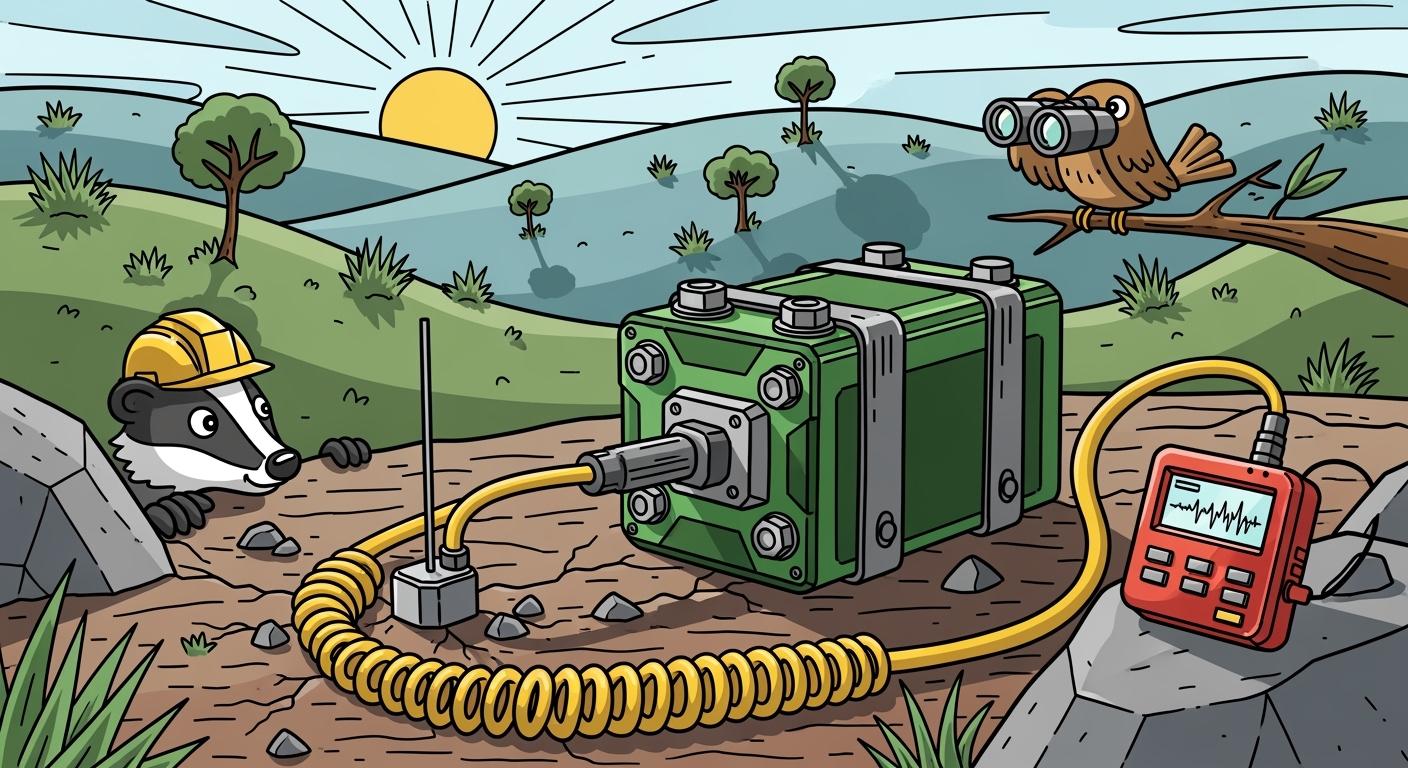
Remote seismic nodes may operate for weeks or months without access to grid power, making battery runtime, environmental resistance, and predictable state-of-charge estimation critical to survey reliability. Custom long-endurance battery packs can be designed around each node’s voltage, average and peak power consumption, deployment period, available enclosure space, and operating temperature range.
Lithium-ion cells provide the energy density required for extended field operation, while rugged enclosures, sealed connectors, low-power BMS design, and accurate battery monitoring help reduce unexpected node shutdowns. A split architecture that separates the battery pack from the sensing unit can also simplify battery replacement and capacity upgrades, although connector sealing, cable resistance, and mechanical protection must be carefully evaluated.
Design Feature | Operational Benefit |
|---|---|
Replaceable or Split Battery Architecture | Simplifies field servicing and allows capacity to be adapted to survey duration |
High-Energy-Density Cell Selection | Extends operating time without excessive equipment weight |
Low-Temperature Battery Design | Supports more reliable deployment in cold and high-altitude environments |
BMS and State-of-Charge Monitoring | Helps field teams identify low-capacity or abnormal packs before data collection is interrupted |
Rugged Sealed Enclosure | Protects the battery against moisture, dust, vibration, shock, and handling damage |
Self-Diagnostic Functions | Support battery-health assessment from deployment through node retrieval |
For seismic and other remote industrial monitoring systems, the battery should be treated as part of the complete sensing architecture. Cell chemistry, BMS power consumption, enclosure design, connector selection, and environmental testing all influence usable runtime and data continuity.
Key Takeaways
Long-Endurance Battery Packs ensure continuous power for seismic nodes, even in remote areas.
These battery packs improve data quality by preventing power failures and data loss.
Rugged and modular designs reduce maintenance needs and operational costs.
Lithium-ion technology offers high energy density and long cycle life.
Smart battery management systems enhance reliability and safety in seismic surveys.
Part1: Reliability in Remote Surveys
1.1 Operational Continuity
You depend on operational continuity when deploying seismic nodes in remote locations. Long-Endurance Battery Packs deliver reliable backup power during seismic events and after, keeping your critical infrastructure running. These battery packs support emergency services, hospitals, and communication networks during grid outages. You gain extended power delivery, which allows seismic nodes to operate without interruption. SmartSolo and Stryde platforms use advanced lithium-ion battery chemistries, such as LiFePO4 Lithium battery and NMC Lithium battery, to maximize energy density and cycle life. Real-time seismic monitoring combined with energy storage systems helps you manage risks proactively, enabling rapid recovery and minimal downtime.
Long-Endurance Battery Packs provide backup power for seismic nodes.
They maintain continuous operation in harsh environments.
You benefit from enhanced risk management and faster recovery.
1.2 Data Quality and Integrity
You need accurate and reliable data for seismic surveys. Long-Endurance Battery Packs ensure that seismic nodes record data without gaps or interruptions. The separation of battery packs from main units reduces the risk of power failures, which improves data integrity. SmartSolo and Stryde systems demonstrate how robust battery solutions protect data quality in challenging environments. You avoid data loss, which is critical for infrastructure projects, medical applications, and industrial monitoring.
Consistent power supply from Long-Endurance Battery Packs guarantees high-quality seismic data, even in extreme conditions.
1.3 Maintenance Reduction
You reduce maintenance needs by using Long-Endurance Battery Packs. These battery packs feature rugged designs and optimized charge-discharge cycles, which minimize the frequency of battery replacements. Modular battery systems allow you to swap packs quickly, saving time and resources. SmartSolo and Stryde platforms show that maintenance reduction leads to lower operational costs and improved reliability. You spend less time on-site, which is important for remote surveys in difficult terrain.
Modular battery packs simplify maintenance.
Rugged designs withstand harsh climates.
You achieve longer intervals between service visits.
Part2: Challenges in Remote Environments

2.1 Harsh Climate Adaptation
You face extreme temperatures and unpredictable weather when you deploy seismic nodes in remote areas. Lithium battery packs, such as LiFePO4 Lithium battery and NMC Lithium battery, help you overcome these challenges. You can rely on systems like the BAIS-i, which operates with two 3.6V lithium AA batteries and functions in a wide temperature range from -30°C to 71°C. In volcanic regions, you may encounter temperatures up to 85°C. You need batteries that can handle these extremes. You can choose between rechargeable lithium-ion batteries and non-rechargeable lithium-thionyl chloride batteries based on the expected temperature range and ease of purchase.
You can prevent overheating by using non-rechargeable batteries with a suitable operating range.
You can reposition batteries for better cooling, such as moving them to the top of a PVC tube.
You can add a thermal insulator inside the tube to minimize heat transfer.
These strategies help you maintain reliable power for seismic nodes, even in the harshest climates.
2.2 Accessibility Issues
You often work in locations that are difficult to reach. Mountainous terrain, dense forests, and remote deserts make regular maintenance nearly impossible. You need lithium battery packs with high energy density and long cycle life, such as NMC Lithium battery and LiFePO4 Lithium battery, to ensure your seismic nodes operate for extended periods. You reduce the need for frequent site visits, which saves time and resources. This reliability is critical for applications in infrastructure, industrial monitoring, and security systems.
Reliable lithium battery packs help you maintain continuous operation in places where access is limited.
2.3 Traditional Battery Limitations
You may find that traditional battery technologies cannot meet the demands of remote seismic surveys. These batteries often require frequent maintenance and replacement. They struggle to provide long-term, reliable power in harsh environments. You cannot depend on them for decades of operation in inaccessible locations. Lithium battery packs, including LCO Lithium battery and LMO Lithium battery, offer better performance, higher energy density, and longer service life. You gain a clear advantage by choosing advanced lithium battery solutions for your seismic nodes.
Part3: Long-Endurance Battery Packs Features
3.1 Lithium-Ion Technology
You rely on advanced lithium-ion technology to power seismic nodes in demanding environments. LiFePO4/LiFePO4 Lithium battery and NMC/NMC Lithium battery chemistries offer high energy density, long cycle life, and stable platform voltage. These batteries support continuous operation for weeks or months, even in remote or hazardous locations. You can select the right chemistry for your application. For example, LiFePO4/LiFePO4 Lithium battery provides excellent thermal stability and safety, making it ideal for infrastructure and medical monitoring. NMC/NMC Lithium battery delivers higher energy density, which suits industrial and robotics applications where compact size and long runtime matter.
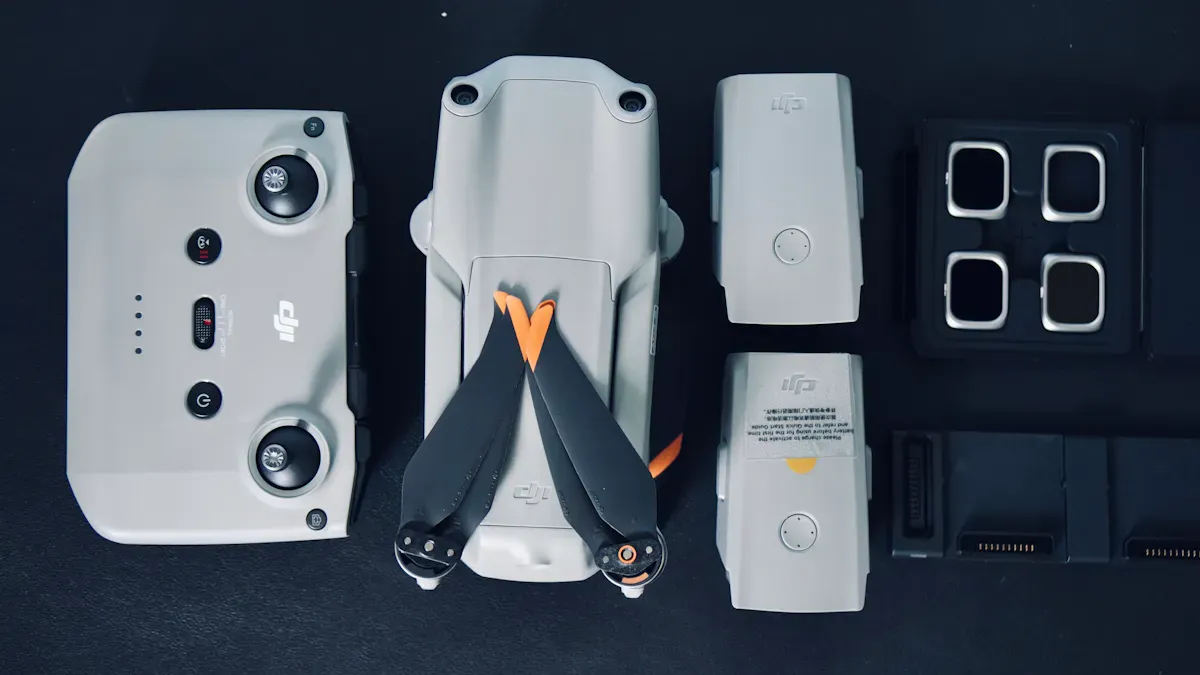
You benefit from the separation of battery packs from main units. This design allows you to swap batteries quickly, minimizing downtime and keeping your seismic nodes running efficiently. You avoid replacing entire units, which saves costs and reduces material waste. The detachable battery pack also protects against environmental damage, ensuring reliable performance in extreme conditions.
You can swap battery packs in the field for continuous data collection.
You reduce operational costs by replacing only the battery pack.
You maintain high reliability, even in harsh climates.
3.2 Rugged and Modular Design
You need battery packs that withstand vibration, moisture, and temperature extremes. Long-Endurance Battery Packs feature rugged enclosures and robust connectors, which protect internal components from dust, water, and impact. The modular design gives you flexibility. You can scale your power system by adding or removing battery modules to match the energy needs of each project.
Modular battery junction box architectures offer scalability and customization. You can easily maintain, replace, or upgrade battery packs in the field. This approach reduces downtime and supports long-term reliability. For example, the Ford Mustang Mach-E battery uses a modular structure with accessible connections and replaceable cooling components. This design extends battery life, lowers repair costs, and supports a circular economy.
Tip: Modular battery packs help you adapt to changing project requirements and simplify maintenance in remote locations.
You can choose custom solutions for unique operational needs. Some battery packs feature zone-4 rated configurations for high-seismic areas, custom bracing systems for stability, and engineering for critical infrastructure like transportation hubs or hospitals.
Feature | Description |
|---|---|
Zone-4 rated configurations | Designed for areas with the highest seismic demands. |
Custom bracing systems | Provides maximum stability through tailored anchoring solutions. |
Engineered for critical infrastructure | Specifically made for essential facilities like transportation hubs or hospitals. |
3.3 Optimized Charge-Discharge Cycles
You maximize energy efficiency and battery lifespan by using optimized charge-discharge cycles. Advanced battery management systems (BMS) learn more actively regulate cell voltages during charging and discharging. This process prevents overcharging, balances cells, and maintains consistent state of charge (SOC) across the battery pack.
The following table shows how optimized cycles improve performance:
Operational Period | Description | Benefits |
|---|---|---|
Charging Balance | Actively regulates cell voltages during charging to prevent overcharging and maintain consistent SOC across cells. | Enhances overall efficiency and safety of the battery pack. |
Discharging Balance | Corrects cellular imbalances during inactivity and discharge. | Increases overall efficiency and durability, ensuring even discharge and longer lifespan. |
You gain longer operational periods and reduce the risk of unexpected failures. Long-Endurance Battery Packs with optimized cycles support applications in security systems, industrial monitoring, and medical devices, where reliability and safety are critical.
Part4: Integration and Innovations
4.1 Smart Battery Management
You gain reliability and safety when you use smart battery management systems in seismic node operations. These systems help you monitor and control every aspect of battery performance. You see improvements in operational efficiency and data quality. Smart battery management technology offers several key features:
Power-On Self-Diagnostics: Each node tests sensors, data systems, GPS, battery, and memory. You receive immediate alerts if any irregularities appear.
Continuous Sensor Monitoring: The system checks sensor health at all times. You reduce risks from sensor drift or failures.
Real-Time Data Quality Control: The platform monitors data quality as it collects information. You spot anomalies quickly and address them before they affect your results.
You rely on these features to maintain high standards in seismic surveys. Smart battery management supports your operations in medical, robotics, security systems, and industrial sectors.
4.2 Seamless Node Integration
You achieve seamless integration when you use Long-Endurance Battery Packs with modular lithium battery chemistries like LiFePO4/LiFePO4 Lithium battery and NMC/NMC Lithium battery. The separation of battery packs from main units allows you to swap batteries without disrupting node operation. You benefit from stable platform voltage and high energy density, which supports continuous data collection in remote environments.
You can connect battery packs to seismic nodes using robust connectors and junction boxes. This setup ensures reliable power delivery and easy maintenance. You adapt quickly to changing project requirements by scaling battery modules as needed.
Tip: Modular integration helps you reduce downtime and maintain operational flexibility in harsh conditions.
4.3 Real-World Applications
You see real-world benefits when you deploy advanced lithium battery packs in seismic nodes. These solutions support infrastructure monitoring, medical devices, robotics, and industrial systems. You extend survey duration and improve reliability in challenging environments.
Application Scenario | Lithium Battery Chemistry | Key Benefit |
|---|---|---|
Medical Monitoring | LiFePO4/LiFePO4 Lithium battery | Thermal stability, safety |
Robotics | NMC/NMC Lithium battery | High energy density |
Security Systems | LCO/LCO Lithium battery | Long cycle life |
Infrastructure (Transport) | LMO/LMO Lithium battery | Stable platform voltage |
Industrial Monitoring | NMC/NMC Lithium battery | Extended runtime |
You select the right chemistry for each application. You maximize performance and reliability by matching battery features to operational needs.
Part5: Comparing Battery Solutions
5.1 Modern vs. Traditional Packs
You see a clear difference when you compare modern lithium battery packs, such as LiFePO4/LiFePO4 Lithium battery, to traditional AGM batteries. Modern packs deliver longer operational lifespan and higher reliability. The unique olivine structure of LiFePO4/LiFePO4 Lithium battery gives you exceptional stability. This chemistry withstands repeated charging and discharging without significant degradation. You benefit from consistent performance in seismic, industrial, and infrastructure monitoring.
Battery Type | Operational Lifespan | Cycle Life (at 80% DoD) | Capacity Retention |
|---|---|---|---|
LiFePO4 | 4,000 cycles | Retains 80% | |
AGM | 3-7 years | Varies | Varies |
Note: AGM batteries may last over a decade in optimal conditions, but factors like installation, temperature, and maintenance often reduce their lifespan.
5.2 Cost and Lifecycle Benefits
You must consider the total cost of ownership (TCO) when selecting battery solutions for seismic nodes. Lithium-ion battery systems, including LiFePO4/LiFePO4 Lithium battery and NMC/NMC Lithium battery, require a higher initial investment. However, you gain value over time due to lower maintenance, fewer replacements, and longer service intervals.
TCO for lithium-ion systems includes initial purchase, operational costs, and replacement expenses.
Premium lithium-ion packs may cost more upfront, but they offer better value over 10-15 years.
Hidden costs, such as installation complexity and ongoing maintenance, can impact your budget.
You reduce downtime and service visits, which is critical for remote industrial and infrastructure projects.
5.3 Industry Adoption
You notice rapid adoption of lithium battery packs across sectors like medical monitoring, robotics, security systems, transportation infrastructure, and industrial monitoring. Companies choose LiFePO4/LiFePO4 Lithium battery and NMC/NMC Lithium battery for their high energy density, stable platform voltage, and long cycle life. You see these chemistries powering seismic nodes, supporting continuous data collection, and improving reliability in harsh environments.
Tip: Modern lithium battery packs help you meet demanding project requirements and maintain operational excellence in remote and challenging locations.
You gain reliable performance and extended survey duration with Long-Endurance Battery Packs in seismic nodes. Lithium-ion chemistries like LiFePO4/LiFePO4 Lithium battery and NMC/NMC Lithium battery deliver high energy density and stable platform voltage. Rugged, modular designs help you adapt to harsh environments and simplify maintenance.
You support medical, robotics, security, infrastructure, and industrial applications with advanced battery solutions.
Battery technology continues to evolve, offering new opportunities for seismic research and remote operations.
FAQ
What makes LiFePO4/LiFePO4 Lithium battery packs reliable for seismic nodes?
You get high thermal stability, long cycle life (up to 4,000 cycles), and stable platform voltage. These features make LiFePO4/LiFePO4 Lithium battery packs ideal for seismic nodes in infrastructure and medical monitoring applications.
How do you choose the right lithium battery chemistry for your project?
You match your needs to battery features. For high energy density, use NMC/NMC Lithium battery. For safety and stability, select LiFePO4/LiFePO4 Lithium battery. For long cycle life, LCO/LCO Lithium battery works well in security systems.
Can you swap battery packs in the field?
Yes. Modular lithium battery packs let you swap batteries quickly. You keep seismic nodes running without long delays. This feature reduces downtime in industrial and infrastructure projects.
What is the main advantage of modular battery design?
You gain flexibility. You scale power systems by adding or removing modules. This approach supports different project sizes in robotics, medical, and industrial sectors.
How do lithium battery packs improve data quality in remote surveys?
You ensure continuous power for seismic nodes. This prevents data gaps and loss. Reliable lithium battery packs, like NMC/NMC Lithium battery, support long-term monitoring in harsh environments.


