

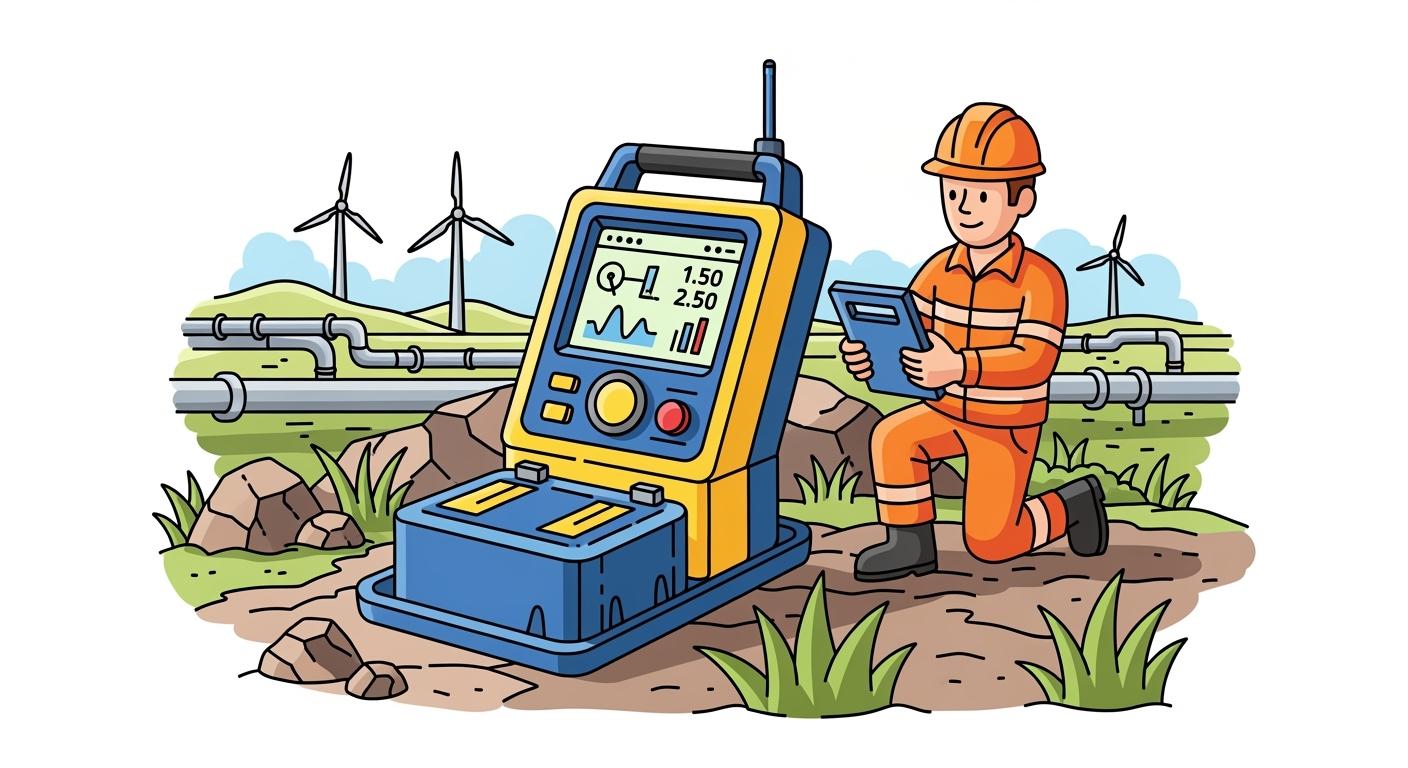
You rely on portable industrial monitoring devices to keep operations running smoothly in the field. Reliable battery systems give your equipment the stable power needed for accurate data collection, even in tough conditions. When power quality drops, you risk malfunctions and data loss, which can slow down inspections and reduce efficiency. Using advanced battery monitoring and management keeps your devices working at their best, protecting critical assets and ensuring your monitoring stays precise.
Quick Answer
Portable industrial monitoring devices need lithium battery systems that maintain stable power during remote inspection, vibration, temperature changes, and long field shifts. A customized pack can integrate the right chemistry, BMS protection, enclosure design, connector layout, and charging strategy for continuous monitoring.
Key Takeaways
Reliable battery systems ensure stable power for portable monitoring devices, preventing data loss and malfunctions.
Choose lightweight batteries with high energy density to improve portability and reduce fatigue during field operations.
Select batteries that meet safety and environmental standards to protect your devices in harsh conditions.
Regular maintenance and monitoring of battery systems extend their lifespan and enhance performance.
Consider the total cost of ownership when selecting batteries, as rechargeable options often provide better long-term value.
Part 1: Battery Systems Requirements
1.1 Power Stability
You need power stability to ensure your portable industrial monitoring devices work without interruption. Fluctuations in voltage or current can cause errors in data collection or even device failure. Battery systems with integrated monitoring and management help you track battery health in real time. These systems use actionable data to predict when a battery might fail, so you can replace it before it causes downtime. Some advanced solutions use machine learning to analyze usage patterns and optimize performance, giving you longer runtimes and more reliable operations.
1.2 Portability & Weight
You often carry monitoring devices across large sites or remote locations. Lightweight battery systems make your job easier and reduce fatigue. You should look for batteries that offer high energy density, which means they store more power in a smaller package. This feature is especially important for field teams who need to move quickly and efficiently. Compact designs also allow you to fit battery packs into tight spaces within your equipment, improving overall portability.
1.3 Safety & Environmental Resistance
You work in environments that can be dusty, wet, or even hazardous. Battery systems must meet strict safety and environmental standards to keep your devices running safely. Many industrial batteries use a multi-layer protection architecture. This design includes customizable thresholds for overvoltage, overcharge, and thermal limits. Intrinsic safety circuit design prevents ignition in hazardous areas, which is critical in industries like petrochemicals.
Tip: Always check the IP rating of your battery system to ensure it matches your work environment.
Here is a quick reference for common IP ratings:
IP Rating | Dust Protection | Water Protection | Applications |
|---|---|---|---|
IP65 | Dust-tight | Water jets | Manufacturing, warehouses |
IP67 | Complete dust | Temporary immersion | Utilities, public safety |
IP68 | Highest dust | Continuous submersion | Marine environments |
In the petrochemical industry, battery management systems with explosion-proof features operate safely in areas with flammable gases. These systems resist salt-mist corrosion and use enclosures rated IP67 or higher, ensuring stable operation in harsh conditions.
Part 2: Battery Systems Types
2.1 Lithium-Ion Packs
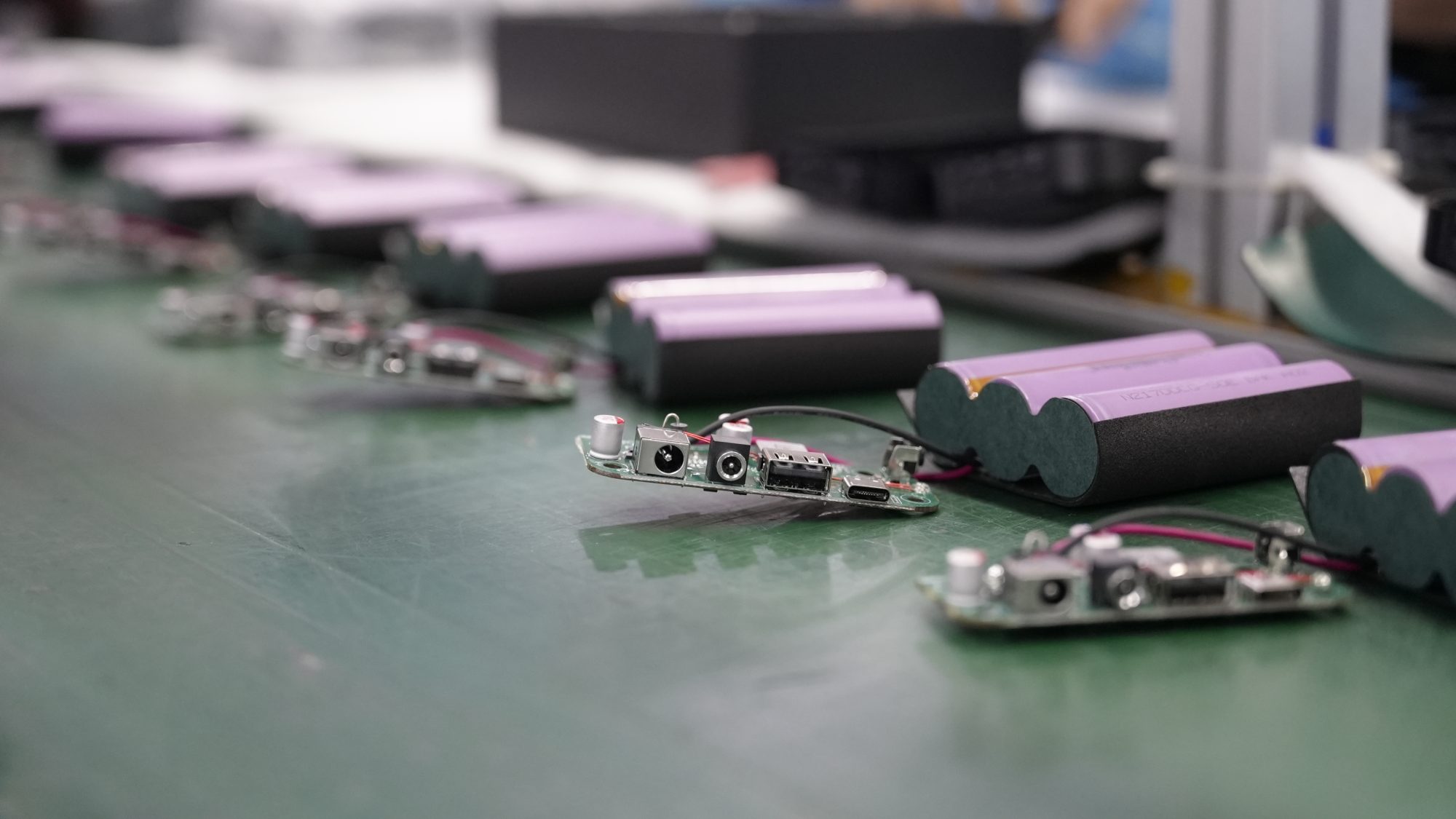
You will find lithium-ion battery packs in most modern portable industrial monitoring devices. These packs dominate the market with a 55-60% share because they offer high energy density, long cycle life, and fast charging. Lithium-ion chemistries such as LiFePO4, NMC, LCO, and LMO provide different balances of safety, energy, and lifespan. You can expect platform voltages from 3.2V (LiFePO4) to 3.7V (NMC, LCO, LMO), with energy densities ranging from 100 to 300 Wh/kg. These packs work well with advanced battery monitoring systems and BMS, giving you real-time data and protection features.
Characteristic | Lithium-Ion Batteries |
|---|---|
Platform Voltage | 3.2V–3.7V |
Energy Density | 100–300 Wh/kg |
Cycle Life | 700–950 cycles (up to 10,000+) |
Charging Time | 80% in under 1 hour |
Note: Lithium-ion batteries charge quickly and last longer, but they may lose performance in extreme cold.
2.2 Nickel-Metal Hydride
Nickel-metal hydride (NiMH) batteries hold about 15% of the rechargeable market. You might use them in applications where cost is a concern or where moderate energy density is acceptable. NiMH batteries offer 55–110 Wh/kg energy density and 500–800 cycles. They tolerate a wide temperature range and cost less upfront than lithium-ion packs. However, they charge more slowly and have a shorter lifespan.
Characteristic | NiMH Batteries |
|---|---|
Platform Voltage | 1.2V |
Energy Density | 55–110 Wh/kg |
Cycle Life | 500–800 cycles |
Charging Time | 4–6 hours |
2.3 Alkaline & Alternatives
Alkaline batteries remain common in low-drain or backup applications, holding 70–75% of the single-use market. You might choose them for devices that do not need frequent battery changes. Alkaline batteries are cheap and easy to find, but they are single-use and create more waste. Lithium primary batteries last longer and perform well in extreme temperatures, but they cost more and are not rechargeable.
Battery Type | Advantages | Disadvantages |
|---|---|---|
Alkaline | Cheap, high energy density, easy to source | Single-use, waste, poor for high-drain loads |
Lithium | Long-lasting, works in extreme temperatures | Expensive, non-rechargeable |
NiMH | Rechargeable, cost-effective over time | Lower energy density, higher initial cost |
Tip: Alkaline batteries can leak if left unused in devices for too long.
2.4 Rechargeable vs. Disposable
You should consider whether your application benefits more from rechargeable or disposable batteries. Rechargeable battery systems, especially lithium-ion and NiMH, reduce waste and lower long-term costs. Disposable batteries like alkaline or lithium primary types suit low-use or emergency backup roles. Most modern monitoring devices support battery monitoring and BMS integration, which work best with rechargeable packs for real-time health tracking and safety.
Rechargeable batteries: Best for frequent use, lower total cost, compatible with advanced monitoring.
Disposable batteries: Useful for infrequent use or backup, but create more waste and require more frequent replacement.
Part 3: Performance Comparison
3.1 Capacity & Runtime
You need to choose battery systems that deliver enough capacity and runtime for your industrial monitoring devices. Lithium-ion packs, especially those using chemistries like LiFePO4, NMC, LCO, and LMO, offer high energy density. This means you get more power in a smaller, lighter package. For example, NMC and LCO chemistries provide energy densities between 150–250 Wh/kg, while LiFePO4 offers around 100–160 Wh/kg. Higher energy density allows your devices to run longer between charges, which is essential for field operations.
Lithium Chemistry | Platform Voltage | Energy Density (Wh/kg) | Cycle Life (cycles) |
|---|---|---|---|
LiFePO4 | 3.2V | 100–160 | 2,000+ |
NMC | 3.7V | 150–220 | 1,000–2,000 |
LCO | 3.7V | 150–250 | 500–1,000 |
LMO | 3.7V | 100–150 | 700–1,500 |
Devices with higher capacity batteries can operate for extended periods, reducing the need for frequent battery swaps.
3.2 Lifespan & Cycle Life
You want batteries that last through many charge and discharge cycles. Lithium-ion batteries typically support 500 to 2,000 cycles, depending on the chemistry and usage. Nickel-metal hydride batteries usually provide 500 to 1,000 cycles. Alkaline batteries, while common for backup, do not offer a defined cycle life since they are single-use. Longer cycle life means fewer replacements and less downtime for your operations.
Lithium-ion: 500–2,000 cycles
Nickel-metal hydride: 500–1,000 cycles
3.3 Weight & Portability
You benefit from lighter battery systems, especially when you need to carry devices across large industrial sites. Lithium-ion packs stand out for their high energy density and low weight. NiMH batteries weigh more for the same capacity, making them less ideal for portable applications. Alkaline batteries are lightweight but lack the energy density and rechargeability needed for demanding field work.
Lighter batteries help reduce fatigue and improve mobility for your field teams.
3.4 Maintenance & Cost
You must consider both maintenance needs and total cost of ownership. Lithium-ion battery packs require routine maintenance, costing about $6–$12 per kWh annually. Lead-acid batteries, by comparison, need $200–$300 per quarter for maintenance and are more labor-intensive. Lithium-ion batteries also degrade at a rate of about 2–3% per year, which affects long-term costs but still offers a lower total cost of ownership than many alternatives.
Battery Type | Maintenance Cost (Annual) | Total Cost of Ownership (TCO) per kWh |
|---|---|---|
Lithium-ion | $6–$12 per kWh | $0.2–0.4 |
Lead-acid | $800–$1,200 | N/A |
Regular maintenance and monitoring help extend battery life and reduce unexpected costs.
Part 4: Battery Selection & Management
4.1 Choosing Battery Systems
You need to select battery systems that match your industrial monitoring application. Start by evaluating the reliability, environmental fit, and compatibility with your devices. Consider the system scale and energy throughput to ensure the battery can handle your operational demands. Use the table below to guide your selection process:
Criteria | Description |
|---|---|
Reliability | Choose components that perform under critical conditions, especially for backup applications. |
System scale | Match battery capacity to the power needs of your site, from remote outposts to large facilities. |
Environmental fit | Test batteries for temperature, humidity, and elevation at your location. |
Battery compatibility | Select batteries rated for your device’s chemistry (LiFePO4, NMC, LCO, LMO, etc.). |
Energy throughput | Check durability ratings for high-use or high-drain applications. |
Battery monitoring systems and battery management systems (BMS) play a key role in your selection. Battery monitoring systems give you real-time visibility and early warnings about battery health. BMS, embedded within the battery, manage safe operation and optimize usage. Both systems enhance reliability and reduce maintenance needs.
Aspect | Battery Monitoring System | Battery Management System (BMS) |
|---|---|---|
Location | External to battery | Embedded within battery |
Function | Real-time health data | Manages safety and usage |
Key Benefits | Early warnings, visibility | Safety, efficiency, communication |
Role in Selection | Improves reliability | Ensures safety and performance |
Tip: Use battery systems with advanced monitoring and BMS for the best performance and safety in industrial environments.
4.2 Maintenance Tips
You can extend the lifespan of your batteries with proper maintenance. Intelligent monitoring systems track voltage and temperature in real time, helping you detect issues early. CTP technology optimization reduces unnecessary discharge cycles and slows battery aging. Automated maintenance solutions identify performance drops and suggest actions based on real-time data.
Follow these steps for effective battery maintenance:
Inspect and clean terminals and cables regularly.
Use proper charging techniques for your battery chemistry.
Monitor battery life with automated systems.
Keep battery packs balanced to prevent uneven wear.
Control temperature to avoid overheating or freezing.
Store batteries according to manufacturer guidelines.
Perform equipment-specific maintenance as recommended.
Regular maintenance ensures optimal performance and extends battery life. It also reduces the risk of unexpected failures and supports compliance with safety standards. Monitoring systems enable predictive maintenance and provide real-time alerts for quick corrective action.
4.3 Safety Practices
You must follow strict safety protocols when handling, charging, and disposing of batteries. Safe handling prevents accidents and protects your team. The table below summarizes key safety practices:
Safety Protocols | Description |
|---|---|
Safe Handling Procedures | Avoid crushing or dropping batteries. Use insulated tools. Wear gloves and eye protection. |
Emergency Response Planning | Prepare an emergency action plan for lithium battery incidents. Coordinate with local authorities. |
Dedicated Charging Areas | Charge batteries in ventilated zones away from combustibles. Use non-combustible surfaces. |
Manufacturer-Compliant Chargers and Cables | Use approved chargers and cables. Replace damaged cables immediately. |
Battery Disposal | Recycle batteries at designated sites. Bag or tape ends before disposal. |
Common causes of battery-related safety incidents include thermal runaway, overcharging, over-discharging, and mechanical damage. Monitor individual cell temperatures to prevent overheating. Store batteries away from heat sources and dispose of damaged units properly.
Note: Improper storage or exposure to heat can cause lithium batteries to ignite unexpectedly.
4.4 Environmental Impact
You should consider the environmental impact of your battery choices. Lithium-ion batteries offer high energy density but require intensive mining, which can harm ecosystems and deplete water resources. NiMH batteries have a moderate footprint and use fewer toxic materials, but mining can still disrupt habitats. Recycling programs help recover valuable materials and reduce landfill waste.
Battery Type | Environmental Impact | Recycling Impact |
|---|---|---|
NiMH | Moderate footprint, fewer toxic materials than NiCd, but mining can cause habitat destruction. | Recycling programs recover materials and reduce landfill waste. |
Lithium-ion | Higher energy density, but intensive mining harms ecosystems and depletes water resources. | Advancements in recycling technologies aim to recover lithium and cobalt, reducing new mining needs. |
Many countries have introduced recycling and disposal programs for batteries. In China, manufacturers must participate in recycling initiatives and support national energy storage projects. The EU and USA have developed standardized recycling policies to address environmental challenges. In Washington DC, battery producers must join stewardship organizations and implement collection programs. Industrial users must follow Universal Waste requirements, collecting and segregating batteries for proper disposal.
Tip: Always recycle batteries at approved facilities to minimize environmental harm and comply with regulations.
Part 5: Field Applications

5.1 Field Operations
You depend on battery systems to power industrial monitoring devices during field operations. These systems include battery banks, inverters, battery management systems (BMS), transfer switches, and control units. Each part works together to keep your equipment running, even when you face power outages or harsh conditions. You see these setups in industries like infrastructure, robotics, medical, and security systems.
Field operations often bring unique challenges. You may encounter issues such as:
Not defining key performance indicators (KPIs) before collecting data, which can make big data hard to manage.
Lacking a clear owner for battery maintenance and reporting.
Skipping regular reviews of battery data.
Neglecting battery monitor upkeep, which can cause disconnections and data loss.
To address these challenges, you should:
Assign responsibility for battery system maintenance.
Set up regular data reviews.
Keep battery monitors in good condition.
You can also integrate renewable energy sources with lithium battery packs (LiFePO4, NMC, LCO, LMO) to improve sustainability and reduce costs. For example, in grid operations, the Narada project in Bennewitz used a lead-carbon battery system for frequency regulation, showing how battery selection impacts performance and reliability.
5.2 Remote Inspection
Remote inspection tasks rely on stable battery systems, especially in off-grid or hard-to-reach locations. You use advanced technologies like X-ray and CT for quality checks in battery production, medical devices, and aerospace components. These inspections require batteries with high energy density and long cycle life, such as lithium-ion chemistries (LiFePO4, NMC, LCO, LMO).
You face several challenges during remote inspections:
Challenge | Solution |
|---|---|
Off-grid power requirements | Use portable lithium batteries instead of petrol generators for X-ray systems. |
Inconvenience of traditional methods | Adopt battery technology to avoid transporting combustion engines. |
Environmental restrictions | Choose eco-friendly battery solutions to meet site regulations. |
In aviation and space, you need even more detailed inspections using microCT and nanoCT. These tools help you spot faults early and keep operations safe. By selecting the right battery systems, you ensure your devices work reliably in remote or regulated environments.
When you select and manage Battery Systems for portable industrial monitoring devices, you set your team up for success. Follow these best practices:
Use effective battery monitoring to manage performance.
Schedule proactive maintenance to avoid downtime.
Review battery data regularly for better planning.
Track total cost of ownership with historical data.
Advanced monitoring and management systems help you track key metrics:
You should prioritize lithium-ion packs and advanced monitoring. These tools give you real-time warnings, protect against safety risks, and extend service life. Reliable Battery Systems keep your field and remote operations running smoothly.
FAQ
What lithium battery chemistry should you choose for industrial monitoring devices?
Chemistry | Energy Density (Wh/kg) | Cycle Life (cycles) | |
|---|---|---|---|
LiFePO4 | 3.2V | 100–160 | 2,000+ |
NMC | 3.7V | 150–220 | 1,000–2,000 |
LCO | 3.7V | 150–250 | 500–1,000 |
LMO | 3.7V | 100–150 | 700–1,500 |
Choose based on your runtime, safety, and cycle life needs.
How does a Battery Management System (BMS) improve reliability?
A BMS tracks voltage, temperature, and charge cycles. You get real-time alerts for faults or unsafe conditions. This system helps you prevent failures and extend battery life.
What maintenance steps help maximize lithium battery lifespan?
You should keep batteries clean, use proper chargers, and monitor temperature. Schedule regular inspections and use automated monitoring tools. These steps help you avoid early failures.
Can you use lithium battery packs in extreme environments?
Yes, you can use LiFePO4, NMC, LCO, and LMO packs in harsh conditions. Always check the IP rating and temperature range. Some chemistries perform better in cold or hot climates.
Why should you recycle industrial lithium batteries?
Recycling recovers valuable materials and reduces environmental harm. You also meet regulatory requirements and support sustainability goals for your business.
Need a custom battery design? For industrial monitoring devices, explore our custom battery solutions or contact Large Power for a battery design review.


