


Custom Battery Packs play a vital role in powering utility and railway inspection instruments. You depend on these solutions for longer runtime, improved safety, and reliable performance in demanding field conditions. Lithium-ion technology delivers high energy density and efficient power delivery. Advanced battery management systems protect your equipment and optimize operation.
You gain confidence knowing your inspection tools run longer and safer, even in tough environments.
Key Takeaways
Custom battery packs extend the runtime of inspection tools, reducing downtime and increasing productivity.
Lithium-ion technology offers high energy density, making battery packs lighter and more portable.
Smart battery management systems enhance reliability by monitoring charge and health in real-time.
Built-in protection circuits and thermal management ensure safe operation in demanding environments.
Choosing the right cell chemistry and BMS improves performance and safety for specific applications.
Part1: Runtime Enhancement with Custom Battery Packs
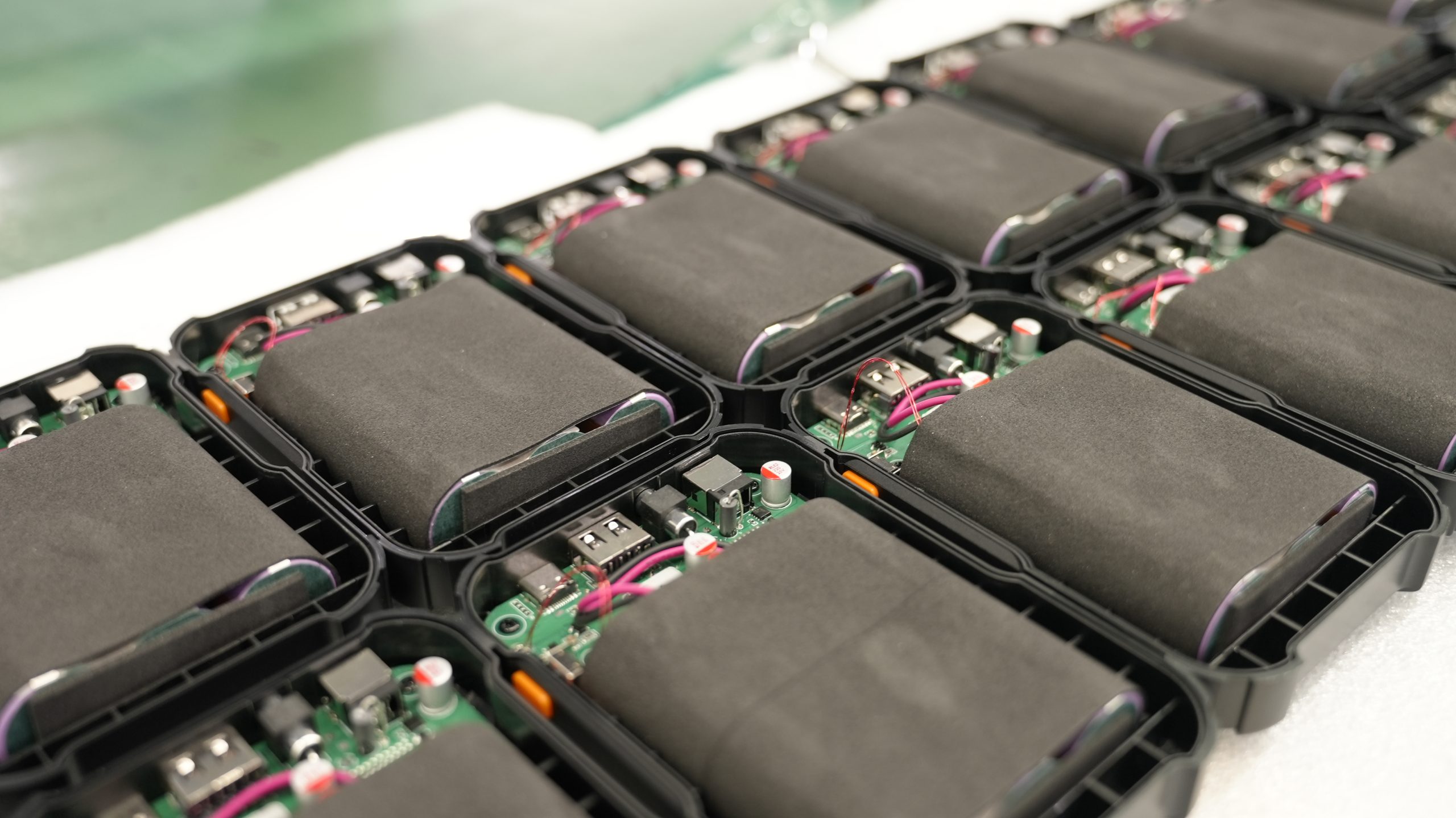
1.1 Capacity Optimization
You rely on Custom Battery Packs to deliver extended operational duration for field inspection devices. High-capacity designs allow your teams to complete surveys and inspections without frequent battery changes. For example, the Workdry Group adopted advanced battery solutions, which enabled engineers to finish documentation in real time during inspections. This improvement reduced survey completion time from several hours to less than one hour. You minimize downtime and avoid repeat site visits, which boosts productivity and customer satisfaction. Custom Battery Packs support tailored voltage and discharge rates, so you can match battery performance to your specific equipment needs in sectors like infrastructure, robotics, and medical devices.
1.2 Energy Density and Portability
Lithium-ion technology provides high energy density, making battery packs lighter and more portable. You benefit from compact designs such as the Batt Pack, which lets field technicians operate equipment in remote locations without external power sources. Increased energy density also improves operational effectiveness, as seen with the Nebula Portable Battery Module Cycler. This device offers fast energy replenishment and higher field service efficiency. When you select Custom Battery Packs, you must consider the trade-offs between energy density and weight. Lithium Cobalt Oxide batteries deliver high energy density for space-constrained devices, while Lithium Iron Phosphate batteries offer greater safety and longevity for larger applications.
1.3 Smart Battery Management
Smart battery management systems (BMS) maximize runtime and reliability. You gain real-time monitoring of State-of-Charge and State-of-Health, which helps prevent unexpected downtime. Advanced BMS communicate with main controllers for predictive maintenance and alerts, boosting uptime and safety. Protection circuits and smart BMS are critical for applications in industrial, medical, and security systems. If you want to learn more about battery management systems, visit BMS and PCM. Custom Battery Packs with integrated BMS ensure your inspection instruments perform reliably in demanding environments.
Part2: Safety and Compliance
2.1 Protection Circuits and Thermal Management
You need Custom Battery Packs that protect your inspection instruments and ensure safe operation in the field. Built-in protection circuits play a critical role in preventing electrical hazards. These circuits include:
Overcurrent protection
Short-circuit protection
Cell balancing mechanisms
You benefit from these features because they reduce the risk of equipment failure and extend battery life. Effective thermal management is also essential. You avoid overheating and excessive cooling, which can degrade performance and create safety hazards. Techniques such as proper heat dissipation, spacing between cells, and the use of heat sinks help maintain safe operating temperatures. A Battery Management System (BMS) monitors temperature and prevents overcharging and overheating. You see these safety measures in action across industrial, medical, robotics, and security system applications.
2.2 Industry Standards
You must comply with strict industry standards when deploying lithium battery packs in railway and utility sectors. The following table summarizes key standards:
Standard | Description |
|---|---|
UL 9540 | Safety of energy storage systems, including charging and grid interaction. |
UL 1973 | Safety for batteries in stationary applications. |
UL 1741 | Inverters and energy storage for grid-connected systems. |
IEEE 1547 | Interconnection of distributed resources with power systems. |
CSA FC1 | Canadian safety standards for energy storage. |
NFPA 70 | National Electrical Code for safe installations. |
NFPA 2 | Hydrogen technologies and safety. |
ASME Boiler and Pressure Vessel Code | Design and construction of pressure vessels. |
ASME B31 | Piping systems safety standards. |
You also need to meet regulatory requirements such as UN 38.3 for safe transport of lithium-ion batteries. This standard includes tests for altitude, thermal changes, vibration, shock, short circuit, impact, overcharge, and forced discharge. Staying updated with regulations like the IATA Lithium Battery Guidance Document ensures your shipments remain compliant and safe.
Responsible sourcing matters. You should review your supplier’s conflict minerals statement to confirm that materials for Custom Battery Packs come from ethical sources.
2.3 Reliability in Harsh Environments
You operate in challenging conditions, so you require battery packs that maintain reliability in extreme temperatures and moisture. Proper heat dissipation, cell spacing, and the use of heat sinks or phase change materials help prevent thermal runaway. Air and liquid cooling methods transfer heat away from cells. You should avoid exposing batteries to temperatures above 140°F (60°C) or below -4°F (-20°C) to prevent capacity loss. Effective thermal management systems are crucial for prolonging battery life in infrastructure, industrial, and consumer electronics applications.
Part3: Field Performance and Durability

3.1 Environmental Resistance
You need battery packs that withstand harsh outdoor and industrial environments. Custom Battery Packs use high-impact resistant materials for their outer casing, protecting your equipment from physical stresses. You benefit from water-resistant designs that operate reliably in rain or heavy downpours. Seals and gaskets prevent water ingress, so your inspection instruments remain dependable in wet conditions. These battery packs also resist dust and sand, keeping electrical connections clean. You can rely on consistent performance across extreme temperatures, from freezing cold to intense heat. UV stabilizers and antioxidants in the polymer matrix help prevent photodegradation, while UV-resistant coatings protect junction boxes from sunlight damage.
Key environmental resistance features:
High-impact resistant casing
Water resistance with seals and gaskets
Dust and sand protection
Extreme temperature tolerance
UV-resistant materials and coatings
3.2 Rugged Mechanical Design
You face vibration and mechanical shock during field operations. Custom Battery Packs use high-strength aluminum extrusion structures and friction stir welding for durability and weight reduction. Armored steel skid plates resist puncture and deformation from impacts. CNC-machined housings and flexible sheet-metal assemblies allow for custom integration in specialty vehicles and industrial equipment. Precision-machined venting channels and explosion-proof discs provide thermal runaway protection and EMI/RFI shielding.
Application Area | Challenges | Solutions |
|---|---|---|
Electric Heavy Trucks | High vibration, long-distance freight duty cycles | High-strength aluminum extrusion structures with friction stir welding for weight reduction. |
Marine & Offshore | Salt corrosion, extreme waterproofing | 316L stainless steel or aluminum with C5-M corrosion protection and IP68-grade sealing. |
Agricultural & Mining | Bottom impact, high torsional stress | High-strength armored steel skid plate with formed-and-welded sheet metal construction. |
Specialty Vehicles | Irregular layouts, customized designs | CNC-machined monoblock housings or flexible sheet-metal assemblies for custom integration. |
Engineered Pack Features | Thermal runaway, EMI/RFI shielding | Precision-machined venting channels, explosion-proof discs, and conductive coatings. |
Military and aerospace programs require battery designs that perform predictably under shock, vibration, altitude, and temperature extremes.
3.3 Usability and Maintenance
You improve operational efficiency by following best practices for battery maintenance. Advanced cooling systems boost energy efficiency by up to 8%. You avoid extreme temperatures, keeping batteries away from conditions above 140°F (60°C) and below -4°F (-20°C). You regularly check and clean battery connections to prevent dust and corrosion. You prevent overloading and overheating by matching battery capacity to your devices. Overcharging and deep discharging reduce battery lifespan, so you monitor charge cycles closely.
Recommended maintenance practices:
Avoid extreme temperatures
Clean battery terminals regularly
Prevent overloading and overheating
Monitor charge and discharge cycles
You support sustainable practices by choosing battery packs designed for long life cycles and robust construction. This reduces waste and supports environmental goals in utility and railway inspection instruments.
Custom Battery Packs deliver reliable performance for medical, robotics, security systems, infrastructure, consumer electronics, and industrial sectors. You gain confidence knowing your equipment will operate efficiently and safely in demanding environments.
Part4: Selecting and Designing Custom Battery Packs
4.1 Cell Chemistry Choices
You must select the right cell chemistry to ensure your battery pack meets the demands of railway and utility inspection instruments. Different lithium chemistries offer unique advantages for field applications in medical, robotics, security systems, infrastructure, consumer electronics, and industrial sectors. Consider these factors when choosing cell chemistry:
Long life and low self-discharge rates help you reduce maintenance and replacement costs.
Safety and ability to handle continuous and pulse demands protect your equipment during heavy use.
Predictable voltage behavior supports accurate metering electronics.
Compatibility with hybrid supercapacitors supplies peak current when needed.
Resistance to vibration and moisture ensures reliable operation in harsh environments.
Wide temperature window and good safety record allow for deployment in extreme conditions.
The following table compares common lithium battery chemistries used in Custom Battery Packs:
Cell Chemistry | Platform Voltage (V) | Energy Density (Wh/kg) | Cycle Life (cycles) | Performance Characteristics | Safety Characteristics | Cost Implications |
|---|---|---|---|---|---|---|
Lithium Cobalt Oxide (LCO) | 3.7 | 150-200 | 500-1,000 | High energy density, suitable for portable electronics, but shorter lifespan and overheating risk. | Prone to overheating, requires careful management. | Higher cost due to materials, justified for energy density needs. |
Lithium Iron Phosphate (LFP) | 3.2 | 90-120 | 2,000-5,000 | Lower energy density, but longer lifespan and stable performance under high temperatures. | Excellent safety, can handle high temperatures well. | More affordable, cost-effective for industrial applications. |
Nickel Manganese Cobalt (NMC) | 3.6 | 150-220 | 1,000-2,000 | Good balance of energy density, lifespan, and cost, commonly used in electric vehicles. | Requires effective cooling systems to prevent thermal runaway. | Slightly more expensive, but flexible for various applications. |
You should match cell chemistry to your operational needs. For example, LFP batteries suit industrial and infrastructure applications where safety and long cycle life matter most. LCO batteries fit portable devices in medical and security systems that require high energy density. NMC batteries offer versatility for robotics and specialty vehicles.
4.2 Battery Management Systems
You need a robust Battery Management System (BMS) to maximize safety and performance. The latest advancements in BMS technology help you reduce downtime and extend battery life. Over 2,000 BMS designs exist for various applications, each with enhanced safety features and real-time monitoring capabilities.
The table below highlights key BMS advancements:
Advancement | Description |
|---|---|
Fast Charging Solutions | Enables quick charging, reducing downtime for AGVs, crucial for continuous operations. |
Wireless Charging | Allows for charging without physical connections, maintaining power levels during brief stops. |
Real-time Monitoring | Provides ongoing data about battery status, enhancing performance and lifespan. |
Predictive Maintenance | Anticipates potential issues, allowing for proactive management of battery health. |
Adaptive Charging | Adjusts charging based on battery needs, optimizing efficiency and longevity. |
Sustainability and Recycling | Focuses on eco-friendly materials and recycling programs to minimize environmental impact. |
When selecting a BMS, you should:
Check if an off-the-shelf solution meets your voltage, current, and temperature requirements.
Evaluate configuration flexibility to match your design goals.
Decide if time-to-market is a priority, which may favor off-the-shelf options.
Choose a custom BMS for unique requirements or specialized control functions.
You must integrate advanced BMS features to monitor critical parameters, prevent overcharging, and maintain cell balance. This ensures reliable operation in demanding field environments.
4.3 Integration and Custom Enclosures
You must address integration challenges when designing custom enclosures for battery packs. Enclosures protect internal components and ensure compliance with industry standards like UN 38.3. You need to select materials that balance durability and cost, such as polycarbonate for high impact resistance or nylon for chemical and abrasion resistance.
Common integration challenges include:
Compliance with industry standards to avoid legal issues.
Material selection for performance in various conditions.
Structural integrity to secure internal components and prevent damage from shocks and vibrations.
Sealing methods to protect against moisture and dust ingress.
Thermal management to address heat dissipation and integrate safety circuits.
Branding and aesthetic customization without compromising functionality.
Upgrading legacy designs to optimize space and improve performance.
Custom enclosures enhance durability and safety. Thermoplastics and long-glass fiber materials withstand higher temperatures than steel and aluminum, reducing the risk of thermal runaway. You can use foam padding to absorb shocks, ribbed internal structures to lock components in place, and modular compartments for easy assembly and maintenance.
The following table summarizes enclosure compliance factors:
Compliance Factor | Description |
|---|---|
UN 38.3 Certification | Mandatory for lithium battery transportation, covering vibration, thermal, and crush tests. |
Drop & Impact Resistance | Enclosures must protect cells from mechanical stress. |
Thermal & Fire Safety | Flame-retardant materials may be required for high-risk applications. |
You can choose sealing techniques such as ultrasonic welding for fast, glue-free bonding, mechanical fasteners for easy servicing, or gaskets and adhesives for waterproof applications.
Best practices for consulting with custom battery solution providers include:
Begin with a needs assessment to understand your application requirements.
Define technical parameters such as voltage and capacity based on load demands.
Review form factor and space constraints for proper fit.
Identify operational conditions to select appropriate battery chemistry.
Ensure battery safety through comprehensive testing.
Use premium cells from trusted brands.
Implement automated production processes to minimize human error.
Integrate advanced BMS to monitor critical parameters.
Conduct rigorous safety testing, including thermal cycling and short-circuit tests.
Ensure compliance with international safety standards like UL and CE.
You gain optimal results by working closely with solution providers who understand your sector-specific challenges and can tailor Custom Battery Packs to your needs.
You see measurable gains when you use Custom Battery Packs in inspection instruments for medical, robotics, security systems, infrastructure, consumer electronics, and industrial sectors. Lithium-ion technology and advanced battery management systems deliver longer service life, predictable performance, and safer maintenance.
Improvement Type | Description |
|---|---|
Longer service life | Custom battery packs increase cycle life, reducing the need for replacements and lowering costs. |
Predictable performance | Custom packs ensure stable performance under real conditions, minimizing surprises in the field. |
Easier service and safer maintenance | Modular designs allow for quick battery changes, enhancing safety and reducing downtime. |
You can take these steps to optimize your battery solution:
Consider your inspection philosophy for diagnostics.
Implement full inspection for inexpensive diagnostics.
Use sampling-based inspection for expensive diagnostics.
You gain reliable performance and safety by consulting with solution providers who understand your operational needs.
FAQ
What advantages do custom lithium battery packs offer for industrial inspection instruments?
You gain longer runtime, improved safety, and reliable performance. Custom lithium battery packs match your operational needs in harsh environments. You benefit from advanced battery management systems and tailored chemistries for medical, robotics, security systems, infrastructure, and industrial applications. Contact Large Power for custom battery solutions.
How do you ensure compliance with safety standards for lithium battery packs?
You select battery packs certified to standards like UL 9540, UN 38.3, and IEEE 1547. You verify supplier documentation and request test reports. You confirm that packs meet requirements for transport, installation, and operation in your sector.
Which lithium battery chemistry should you choose for field inspection devices?
You choose Lithium Iron Phosphate for safety and long cycle life in industrial settings. You select LCO for high energy density in portable medical or security devices. NMC offers balanced performance for robotics and specialty vehicles.
How does a Battery Management System (BMS) improve reliability?
You use a BMS to monitor voltage, temperature, and charge cycles. The system prevents overcharging, overheating, and cell imbalance. You receive real-time alerts and predictive maintenance, which reduces downtime and extends battery life.
What maintenance practices help maximize lithium battery pack lifespan?
You avoid extreme temperatures, clean terminals regularly, and monitor charge cycles. You match battery capacity to your device. You follow manufacturer guidelines for storage and handling. These practices help you reduce replacement costs and maintain performance.


