

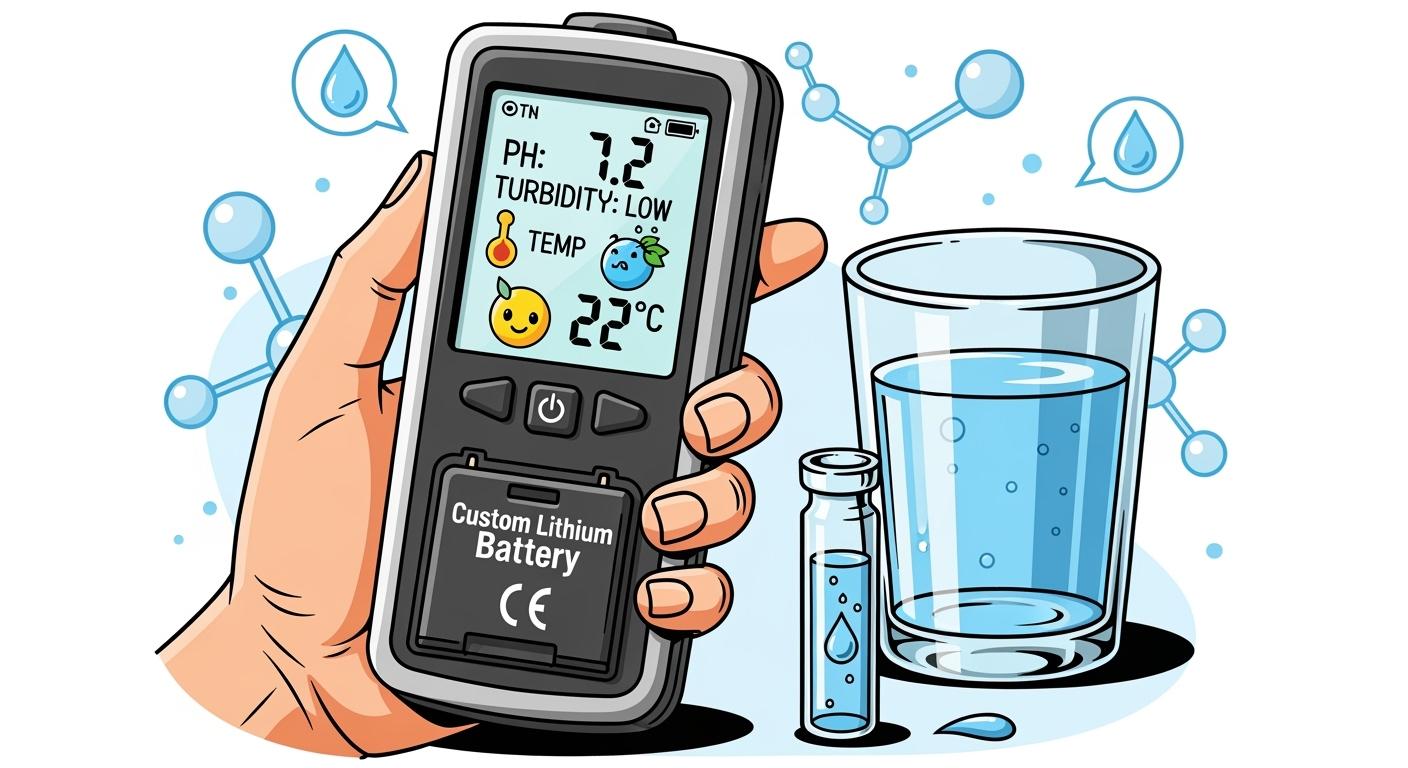
You need reliable power for portable water quality monitoring equipment, especially in environments where energy autonomy and data integrity matter most. Custom Lithium Batteries deliver extended runtime and rugged durability, helping your devices operate efficiently despite challenges like biofouling, temperature swings, and strict regulatory standards. With advanced cell types such as 18650 and 21700 formats, you can overcome size limitations, integrate seamlessly, and maintain measurement accuracy in the field.
Key Takeaways
Custom Lithium Batteries provide longer runtime and higher energy density, making them ideal for portable water quality monitoring in remote locations.
Advanced Battery Management Systems (BMS) ensure safety and reliability by preventing overcharge, over-discharge, and short-circuit events.
Customizable battery sizes and chemistries, like LiFePO4 and NMC, allow seamless integration into compact devices across various industries.
Environmental testing ensures these batteries perform reliably in harsh conditions, such as extreme temperatures and high humidity.
Partnering with certified labs and meeting standards like UN38.3 and IATA ensures safe transport and compliance for OEM deployment.
Part1: Why Custom Lithium Batteries Are Essential
1.1 Powering Portable Water Quality Devices
You need reliable power sources to operate portable water quality monitoring devices in the field. Custom Lithium Batteries offer superior energy density compared to other battery types, which means your equipment can run longer and deliver more accurate results. The table below shows how lithium batteries outperform alternatives in energy density:
Battery Type | Energy Density (Wh/L) | Comparison |
|---|---|---|
Lithium Primary | 400-1200 | 2-3x higher |
Alkaline | 250-400 | Lower energy density |
Zinc-Carbon | N/A | Lower energy density |
Higher energy density allows you to deploy devices in remote locations without frequent battery changes. You can trust Custom Lithium Batteries to maintain consistent voltage and performance, which is essential for collecting reliable water quality data.
1.2 Enhancing Runtime and Durability
You want your monitoring equipment to operate for extended periods and withstand tough conditions. Custom Lithium Batteries improve energy density and operational efficiency. They lead to longer runtimes and reduced downtime compared to standard battery solutions. Extended runtimes are crucial for accurate data capture in portable water quality monitoring devices.
Custom lithium battery packs improve energy density and operational efficiency.
They lead to longer runtimes and reduced downtime compared to standard battery solutions.
Extended runtimes are crucial for accurate data capture in portable water quality monitoring devices.
Durability matters when your devices face harsh environments. Custom Lithium Batteries use advanced battery management systems and optimized power profiles to protect components and extend battery life. The table below highlights the main factors that contribute to improved durability:
Factor | Description |
|---|---|
Enhanced Energy Density | Custom batteries can achieve higher energy densities, resulting in longer flight times without increasing weight. |
Power Management Optimization | Custom packs can deliver precise voltage and current profiles, ensuring consistent performance and reducing stress on components. |
Advanced Battery Management Systems | Sophisticated BMS provides real-time monitoring and safety features, enhancing battery lifespan and reliability. |
You benefit from batteries that last longer and require less maintenance, which helps you keep your monitoring equipment running smoothly.
1.3 Meeting OEM Demands
You face unique challenges as an OEM, such as device miniaturization and long deployment cycles. Custom Lithium Batteries are specifically designed to meet the requirements of your devices. Manufacturers can produce batteries with precise dimensions, such as a thickness of just 0.4 mm, which is crucial for compact devices in medical, robotics, and industrial sectors. You can select the right capacity and voltage profile to match your application, whether you need LiFePO4 Lithium battery for long cycle life, NMC Lithium battery for high energy density, or LCO Lithium battery for consumer electronics.
Custom Lithium Batteries enable you to extend deployment cycles and operate efficiently in diverse environments, including infrastructure and security systems. You gain flexibility to integrate batteries into your devices, even when space is limited. This customization helps you deliver reliable products that stand out in the market.
Tip: Custom Lithium Batteries allow you to tailor power solutions for your devices, ensuring optimal performance and longevity in demanding field conditions.
Part2: Key Benefits for OEMs
2.1 Superior Performance and Efficiency
You want your devices to deliver consistent results and operate efficiently in the field. Custom Lithium Batteries help you achieve this goal by offering advanced battery chemistries and optimized pack designs. You can select from LiFePO4 Lithium battery, NMC Lithium battery, LCO Lithium battery, or LMO Lithium battery, each with unique platform voltage, energy density, and cycle life characteristics. For example, LiFePO4 Lithium battery provides a platform voltage of 3.2V, energy density of 90-160 Wh/kg, and cycle life exceeding 2000 cycles. NMC Lithium battery offers a platform voltage of 3.7V, energy density of 150-220 Wh/kg, and cycle life around 1000 cycles.
The table below shows how advanced lithium battery chemistries contribute to superior performance:
Advantage | Description |
|---|---|
Thermal Stability | Safe operation at high temperatures (up to 55°C), preventing thermal runaway. |
Long Cycle Life | Remarkably long cycle life compared to other chemistries, ensuring longevity and reliability. |
High Energy Density | Provides more power and energy density than lead acid and many other lithium chemistries. |
You can deploy monitoring equipment in medical, robotics, security system, infrastructure, consumer electronics, and industrial sectors. Custom Lithium Batteries allow you to maximize runtime and minimize maintenance, which improves operational efficiency and reduces costs.
2.2 Reliability in Harsh Conditions
You need batteries that perform reliably in extreme environments. Custom lithium battery packs undergo rigorous environmental testing for temperature, humidity, shock, and vibration. You benefit from compliance with ATEX and IECEx standards, which ensures safe operation in hazardous locations. Gas venting mechanisms prevent dangerous reactions, and heat sinks, cooling systems, and thermal sensors manage temperature.
Temperature range validation includes steady-state and cold-start behavior.
Self-discharge is evaluated with storage time assumptions to ensure long-term reliability.
Termination design, such as tabs, axial leads, and weld quality, impacts real-world performance.
Resistance measurement methods and visual inspection standards are critical for consistent performance.
Environmental testing evaluates how a battery performs under conditions such as temperature extremes, humidity, vibration, shock, altitude, and other environmental stress factors. For critical applications, environmental testing helps confirm whether a battery pack can operate reliably in real-world conditions.
You can trust your devices to operate in challenging field environments, such as remote infrastructure sites or security systems exposed to harsh weather.
2.3 Competitive Edge
You want your products to stand out in the market. Custom Lithium Batteries give you a competitive advantage by enabling longer service life and fewer replacements. You reduce battery turnover, which lowers total cost of ownership and minimizes waste. Modular designs allow for quick battery changes, making service and maintenance easier and safer.
Longer service life and fewer replacements
Predictable performance in real settings
Easier service and safer maintenance
You can deliver reliable solutions to your customers in sectors like medical, robotics, and industrial applications. Custom Lithium Batteries help you differentiate your products, improve customer satisfaction, and build a reputation for quality and reliability.
Part3: Customization Options
3.1 Capacity and Size Flexibility
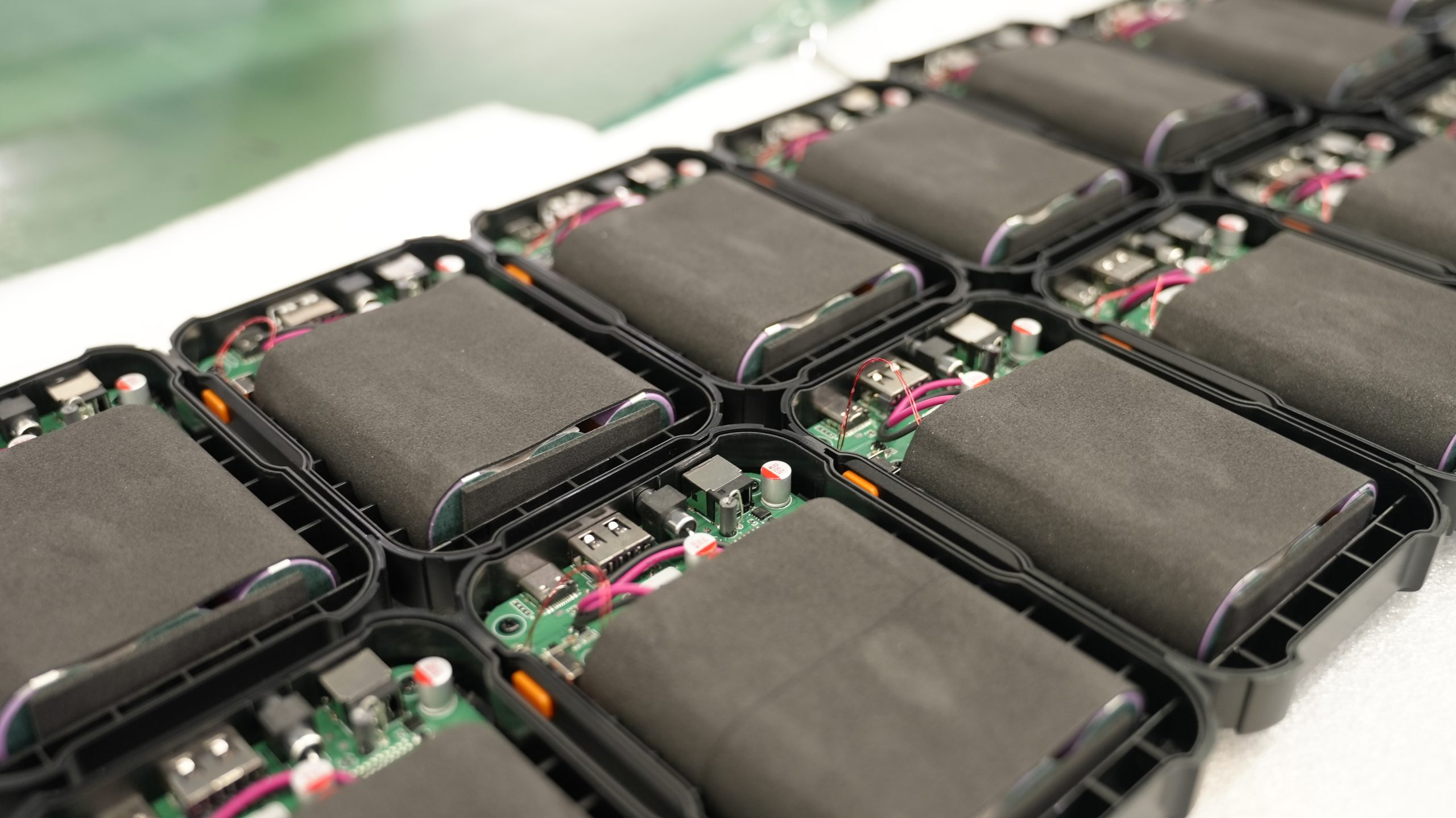
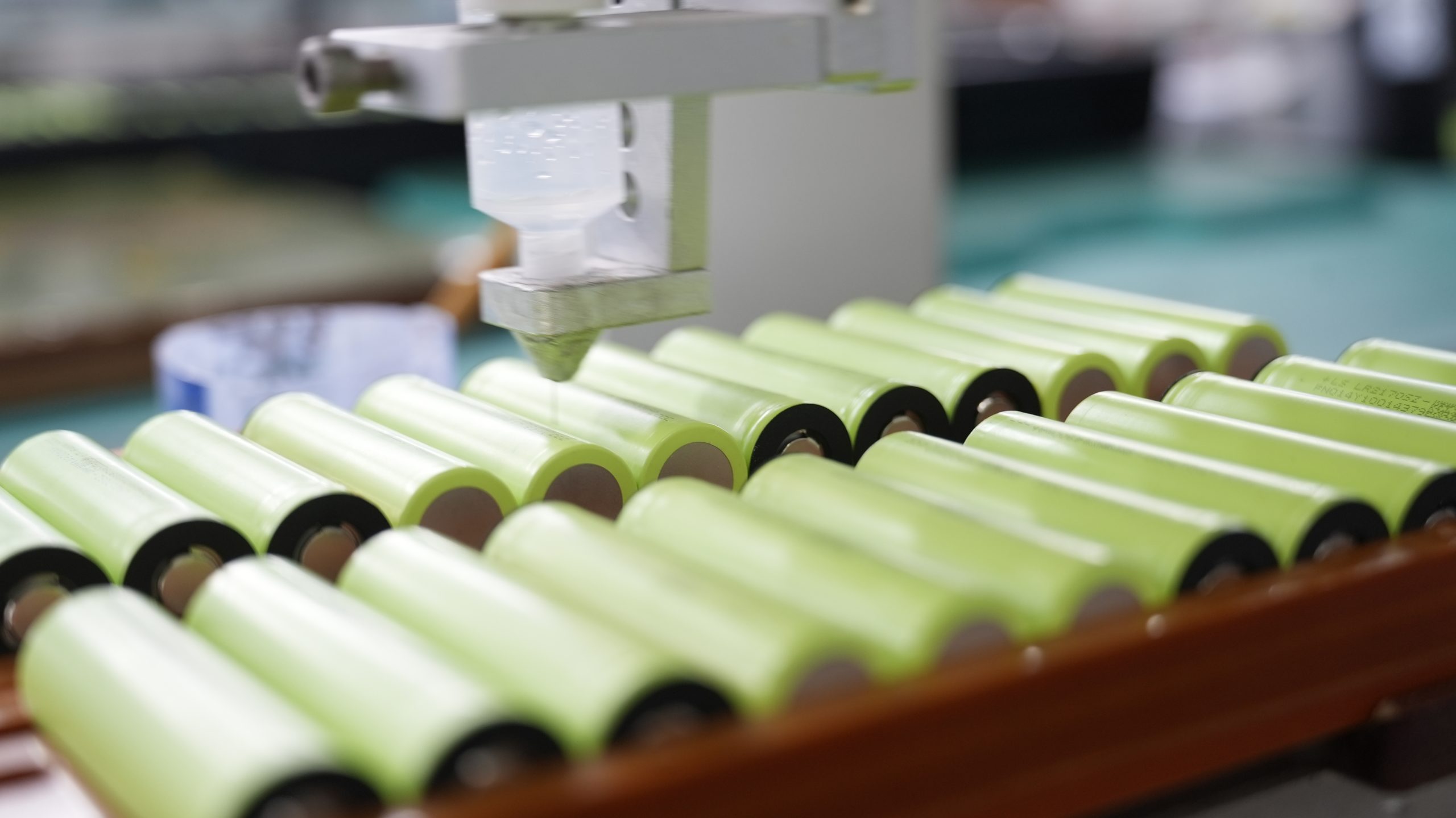
You need battery packs that fit your device and deliver the right amount of power. You can select lithium-ion cells based on energy density and cycle life. You configure cells in series or parallel to meet voltage and capacity needs. You use 3D modeling and prototyping to design enclosures that fit your device and manage heat. You consider durability so the enclosure withstands environmental factors. You also choose between cylindrical cells like 18650, 21700 or polymer pouches, depending on your assembly challenges and performance criteria. You evaluate if the battery is removable, the form factor, weight and size requirements, power needs, device life expectancy, and cell supplier availability.
Choose cells for performance and longevity.
Arrange cells for voltage and capacity.
Design enclosures for fit and thermal management.
Select cell types for assembly and application needs.
You can tailor battery packs for medical, robotics, security system, infrastructure, consumer electronics, and industrial devices.
3.2 Safety and Protection Features
You want batteries that protect your equipment and ensure reliable operation. You integrate low-internal-resistance cells for stable output and accurate probe readings. You use protection circuits to guard against over-charge, over-discharge, and short-circuit. You customize the battery pack with PCM/BMS protection boards and wiring harnesses for safety. Battery Management Systems (BMS) provide real-time monitoring and optimized charge/discharge profiles.
Feature | Description |
|---|---|
Low-internal-resistance cells | Stable output for accurate readings, preventing misreading and inconsistent values. |
Integrated protection circuits | Protection against over-charge, over-discharge, and short-circuit, extending sensor lifespan. |
Full battery-pack customization | PCM/BMS protection board and wiring harness for tailored safety solutions. |
You reduce risk and extend the life of your water quality monitoring equipment.
3.3 Integration and Environmental Adaptability
You need battery packs that integrate easily and withstand harsh environments. You use custom algorithms for precise monitoring and optimized charge/discharge profiles. You validate temperature range, humidity, shock, and vibration resistance. You select enclosures that resist water, dust, and chemicals. Battery Management Systems (BMS) help you adapt to changing conditions and maintain performance. You deploy battery packs in medical, robotics, security system, infrastructure, consumer electronics, and industrial sectors.
Use custom algorithms for monitoring and optimization.
Validate environmental resistance for reliable operation.
Select enclosures for protection against water and dust.
You ensure your devices operate reliably in demanding environments and meet unique requirements.
Part4: Integration Process for OEMs
4.1 Choosing a Battery Partner
You need a battery partner who meets your technical and quality requirements. Evaluate candidates using clear criteria. Review process capability through Cp/Cpk analysis and reliability testing. Check quality management procedures at every stage. Confirm stable supply with dual-sourcing and inventory planning. Align transport and safety requirements early and verify documentation. The table below summarizes key evaluation criteria:
Criteria | Description |
|---|---|
Process Capability Validation | Validate process capability through Cp/Cpk analysis and reliability testing. |
Quality Management | Ensure robust quality control procedures at every stage. |
Supply Chain Management | Confirm stable supply with dual-sourcing and inventory planning. |
Compliance Testing | Align transport and safety requirements early and verify documentation. |
Tip: Choose a partner who demonstrates strong quality control and supply chain stability.
4.2 Prototyping and Testing
You must confirm feasibility by defining requirements, load profiles, and environmental conditions. Test samples under plans that mirror real-world load profiles. Build prototypes and validate performance before mass production. Use incoming inspection standards for critical materials. Set in-process checkpoints, such as weld pull tests and hermeticity screens. Record end-of-line electrical testing. Document quarantine and disposition processes for any issues.
Confirm requirements, load profile, and environment.
Test samples under real load profiles.
Build prototypes and validate performance.
Ensure stable lot performance over time with SPC and batch records.
Note: Battery management systems play a key role in testing and integration.
4.3 Certification and Compliance
You must meet strict certification standards for lithium battery packs. UN38.3 certification covers electrical, mechanical, and environmental safety for transport. IATA certification ensures safe shipping practices and requires annual training for employees involved in shipping. Partner with certified labs, such as TÜV SÜD, to navigate regulatory requirements efficiently. The table below lists important standards:
Certification Standard | Description |
|---|---|
UN38.3 Certification | Mandatory testing for lithium batteries covering electrical, mechanical, and environmental safety for transport. |
IATA Certification | Ensures safe shipping practices for lithium batteries, requiring annual certification for employees involved in shipping. |
Certified Labs | Partnering with labs like TÜV SÜD is crucial for compliance and navigating regulatory requirements efficiently. |
Always verify that your battery partner provides documentation for all required certifications.
4.4 Lifecycle Support
You need lifecycle support to maintain reliability and performance. Monitor gasket placement, adhesive amount, and potting quality to ensure water resistance. Define assembly steps and quality checks to prevent sealing gaps and misalignments. Conduct end-of-line checks, including visual inspection, electrical testing, and water-resistance sampling. Integrate the battery with the full system, including connectors and thermal paths, for effective waterproofing.
Aspect | Description |
|---|---|
Production Quality Control | Ensures that gasket placement, adhesive amount, and potting quality are monitored to maintain water resistance. |
Assembly Steps Definition | OEM teams should define assembly steps and quality checks to prevent sealing gaps and misalignments. |
End-of-Line Checks | Includes visual inspection, electrical testing, and water-resistance sampling to ensure battery reliability. |
System-Level Engineering | The battery must be integrated with the full system, including connectors and thermal paths, for effective waterproofing. |
Lifecycle support ensures your water quality monitoring devices operate reliably throughout their service life.
Part5: Applications and Case Studies
5.1 Real-World OEM Successes
You can see the impact of advanced lithium battery packs in many industries. In the medical sector, you might use portable water quality analyzers to monitor hospital water systems. These devices often rely on NMC Lithium battery packs with a platform voltage of 3.7V, energy density of 150-220 Wh/kg, and a cycle life of about 1000 cycles. This chemistry supports long shifts and reduces the need for frequent battery changes.
In robotics, you may deploy autonomous water sampling robots in remote reservoirs. These robots often use LiFePO4 Lithium battery packs. With a platform voltage of 3.2V, energy density of 90-160 Wh/kg, and a cycle life over 2000 cycles, these batteries ensure reliable operation during extended missions.
Security system OEMs use water quality sensors powered by LCO Lithium battery packs. These batteries provide a platform voltage of 3.7V, energy density of 150-200 Wh/kg, and a cycle life of 500-1000 cycles. You can trust these packs for consistent performance in critical infrastructure monitoring.
5.2 Best Practices and Lessons Learned
You should follow best practices to maximize the value of your lithium battery packs:
Select the right chemistry for your application. For example, choose LiFePO4 Lithium battery for long cycle life or NMC Lithium battery for high energy density.
Validate battery performance in real-world conditions. Test for temperature, humidity, and vibration resistance.
Integrate a robust Battery Management System (BMS) to monitor charge and discharge cycles.
Document all assembly and quality control steps to ensure consistent results.
A table of lessons learned from OEM projects:
Lesson Learned | Practical Insight |
|---|---|
Chemistry Selection Matters | Match battery chemistry to device needs for best results. |
Environmental Testing Is Key | Simulate field conditions to avoid failures. |
BMS Integration Is Essential | Use BMS for safety and longer battery life. |
Quality Control Prevents Issues | Standardize assembly and inspection for reliability. |
Tip: You can improve device reliability and customer satisfaction by applying these best practices.
Custom Lithium Batteries transform how you power portable water quality monitoring equipment. You gain longer runtime, higher reliability, and better performance in medical, robotics, and industrial applications. Tailored solutions help you meet strict requirements and stand out in the market.
Choose the right battery partner to ensure success.
Define your device’s power needs.
Validate battery performance in real-world conditions.
Confirm all certifications before deployment.
FAQ
What lithium battery chemistry should you choose for portable water quality monitoring equipment?
You should select the chemistry based on your application. For long cycle life, use LiFePO4 Lithium battery (3.2V, 90-160 Wh/kg, >2000 cycles). For high energy density, choose NMC Lithium battery (3.7V, 150-220 Wh/kg, ~1000 cycles). Contact Large Power for custom battery solutions for portable water quality monitoring equipment.
How do custom lithium battery packs improve device reliability?
Custom lithium battery packs use advanced Battery Management Systems (BMS) and protection circuits. These features help you prevent overcharge, over-discharge, and short-circuit events. You get consistent performance and longer device life.
What certifications do lithium battery packs require for OEM deployment?
You must ensure your battery packs meet UN38.3 and IATA certifications for safe transport and handling. Partner with certified labs like TÜV SÜD for compliance. Always request documentation for each certification.
How do you ensure battery performance in harsh environments?
You should validate battery packs through environmental testing. Test for temperature, humidity, vibration, and shock. Use enclosures that resist water and dust. This process ensures reliable operation in medical, robotics, and industrial sectors.
Can you customize battery pack size and capacity for your device?
Yes. You can tailor the pack’s size, shape, and capacity to fit your device. Choose from cylindrical cells like 18650, 21700 or polymer pouches. This flexibility supports integration in compact medical, security system, and consumer electronics equipment.


