

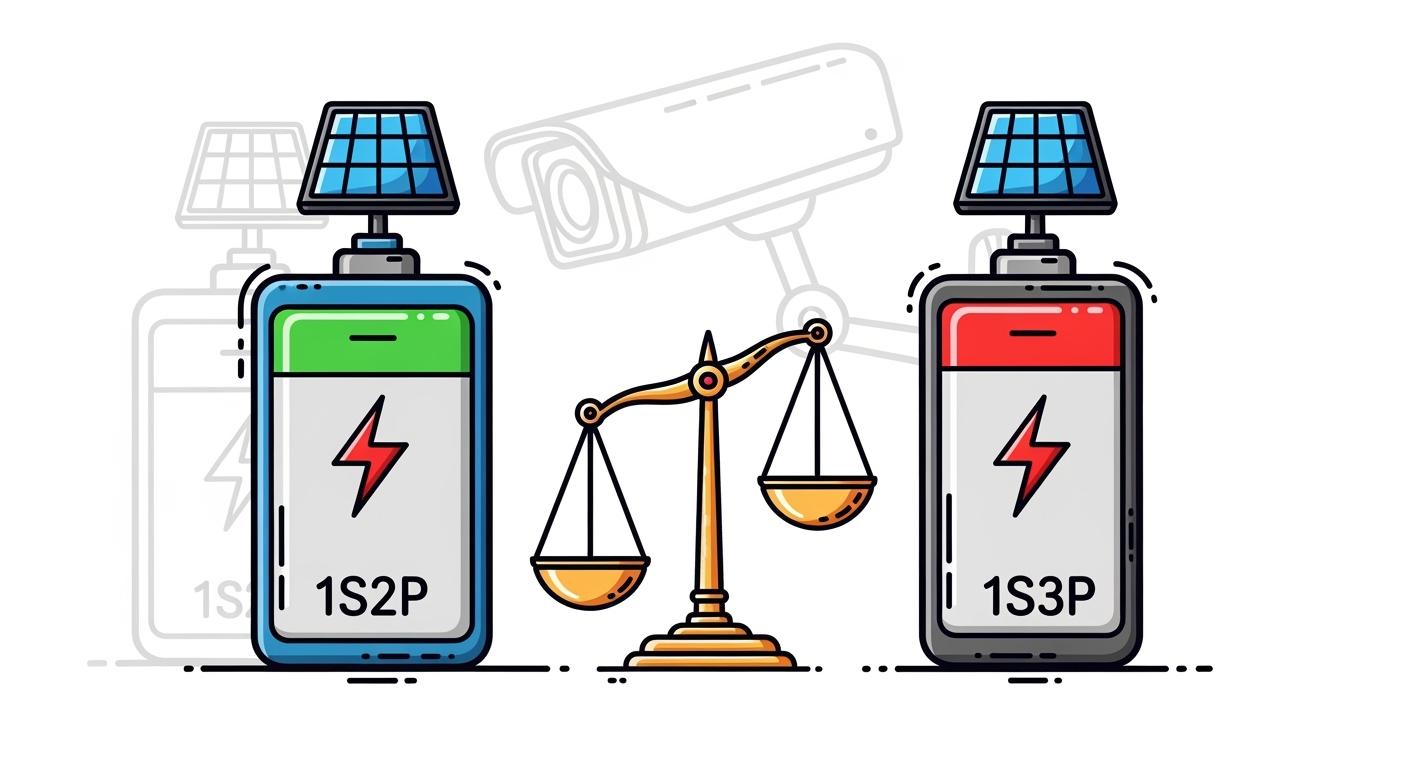
You want the best performance from your solar-powered IPCs. The 1S2P configuration usually gives you a stronger balance between energy density and battery life cycle. When you choose the right lithium battery pack, you make sure your devices run longer and need fewer replacements. Optimizing both energy density and life cycle helps you save costs and improve reliability in your operations.
Key Takeaways
Choose the 1S2P configuration for most solar-powered IPCs to achieve a strong balance of energy density and battery life.
Evaluate your IPC’s power needs carefully. Opt for 1S3P if longer runtime or higher current is essential for your application.
Consider the total cost of ownership, including maintenance and replacement cycles, not just the initial purchase price.
Implement a reliable Battery Management System (BMS) to enhance battery life and ensure safe operation.
Regularly monitor usage patterns and environmental conditions to extend the life cycle of your battery packs.
Part1: Best Balance—1S2P or 1S3P?
1.1 Direct Recommendation for IPCs
You want your solar-powered IPCs to operate reliably and efficiently. For most applications, the 1S2P lithium battery pack offers the best balance between performance and longevity. This configuration provides enough capacity to support daily operations while maintaining a manageable size and weight. You can expect consistent power delivery, which is critical for IPCs that must run continuously in remote or outdoor environments. The 1S2P setup also simplifies maintenance and replacement schedules, making it a practical choice for large-scale deployments.
Tip: If your IPCs require higher current or longer runtime, you may consider 1S3P. However, for most standard solar-powered IPCs, 1S2P remains the optimal solution.
1.2 Key Decision Factors
When you choose between 1S2P and 1S3P, you need to evaluate several important factors:
Energy Density: The 1S2P configuration typically delivers higher energy density. This means you get more power in a smaller, lighter package. Higher energy density allows you to maximize the available space in your IPC enclosure and reduce installation complexity.
Life Cycle: You want your battery pack to last through many charge and discharge cycles. The 1S2P setup usually offers a solid life cycle, balancing capacity and longevity. The 1S3P configuration can extend the life cycle further by spreading the load across more cells, but it increases size and cost.
Application Requirements: Consider the power demands of your IPCs. If your devices need to operate for extended periods without sunlight, or if they draw high current, the 1S3P configuration may provide the extra capacity you need.
Cost and Maintenance: The 1S2P battery pack often results in lower initial costs and simpler maintenance routines. You can streamline inventory and reduce downtime with fewer battery replacements.
You should match your choice to your operational needs. For most solar-powered IPCs, the 1S2P lithium battery pack gives you the best combination of energy density, life cycle, and cost-effectiveness.
Part2: 1S2P and 1S3P Explained
2.1 What is 1S2P?
You often see the term 1S2P when working with lithium battery packs for solar-powered IPCs. This configuration means you connect one cell in series and two cells in parallel. In practice, you use two identical lithium cells side by side. Both cells share the load, which increases the total capacity and helps extend the cycle life. For example, if each cell has a nominal voltage of 3.7V and a capacity of 2500mAh, the 1S2P pack delivers 3.7V and 5000mAh. You get higher energy density compared to larger parallel groups, which keeps your battery pack compact and efficient. Many security and industrial IPCs use 1S2P packs because they balance size, weight, and performance.
2.2 What is 1S3P?
A 1S3P lithium battery pack uses one cell in series and three cells in parallel. You connect three identical cells side by side, which increases the total capacity even more. Using the same cell example, a 1S3P pack provides 3.7V and 7500mAh. This setup gives you longer runtime and can handle higher current draws. However, the pack becomes larger and heavier. You may choose 1S3P for IPCs in remote infrastructure or robotics where longer operation between charges is critical. The energy density per unit volume may decrease slightly, but you gain more total stored energy.
2.3 Series vs. Parallel Basics
You need to understand how series and parallel connections affect your battery system. Series connections increase voltage, while parallel connections increase capacity. The table below shows how each configuration impacts system performance:
Configuration Type | Key Benefits | Impact on System Performance |
|---|---|---|
Series | Higher Voltage, Simplified Wiring, Reduced Current | Increases overall voltage, reduces current stress on components |
Parallel | Increased Capacity, Enhanced Reliability, Flexible Configuration | Boosts total energy storage, allows for continued operation despite single battery failure |
Hybrid | Optimized Voltage and Capacity, Improved Efficiency, Enhanced Flexibility | Combines benefits of both series and parallel, minimizes energy losses, customizable to energy needs |
When you design a lithium battery pack for solar-powered IPCs, you must consider both energy density and cycle life. The right balance ensures your devices run efficiently and reliably in demanding environments.
Part3: Energy Density Comparison

3.1 Energy Density in 1S2P
You want your solar-powered IPCs to run efficiently. The 1S2P lithium battery pack uses one cell in series and two cells in parallel. This setup gives you a compact design with high energy density. You get more power per unit volume, which helps you maximize the space inside your IPC enclosure. For example, a typical 1S2P pack with lithium nickel manganese cobalt oxide (NMC) cells delivers 3.7V and 5000mAh. You can expect an energy density around 220 Wh/kg. This configuration works well in security cameras, industrial sensors, and smart meters. You benefit from a lighter battery pack that supports longer operation between charges.
3.2 Energy Density in 1S3P
The 1S3P configuration connects three cells in parallel. You gain extra capacity, but the energy density drops slightly because the pack becomes larger and heavier. A standard 1S3P lithium battery pack with NMC cells provides 3.7V and 7500mAh. The energy density usually measures about 210 Wh/kg. You may use this setup in applications where longer runtime is critical, such as remote monitoring stations or robotics. You trade some energy density for increased total energy storage.
Configuration | Voltage (V) | Capacity (mAh) | Energy Density (Wh/kg) | Cycle Life (cycles) | Typical Application |
|---|---|---|---|---|---|
1S2P (NMC) | 3.7 | 5000 | 220 | 800-1000 | Security IPCs, Sensors |
1S3P (NMC) | 3.7 | 7500 | 210 | 900-1100 | Remote Monitoring, Robotics |
Note: Higher energy density means you can fit more power into a smaller space. This is important for IPCs that need to stay compact and lightweight.
3.3 Impact on IPC Runtime
Energy density affects how long your IPCs can operate before needing a recharge. With 1S2P, you get a balance of runtime and size. Your devices stay light and easy to install. With 1S3P, you extend runtime, but the battery pack grows larger. You must decide which matters more for your application: longer runtime or higher energy density. Solar charging also benefits from higher energy density. Your IPCs can store more energy during sunny periods and run longer during cloudy days. You improve reliability and reduce maintenance needs by choosing the right configuration.
Part4: Life Cycle Analysis
4.1 Life Cycle in 1S2P
You rely on the 1S2P lithium battery pack for consistent performance in solar-powered IPCs. This configuration uses two cells in parallel, which helps distribute the load and reduce stress on each cell. You benefit from a typical cycle life of 800–1000 cycles when using lithium nickel manganese cobalt oxide (NMC) chemistry. Security cameras and industrial sensors often use 1S2P packs because they balance capacity and longevity. You can expect fewer replacements and stable operation in moderate environments.
Tip: Proper battery management practices, such as using a reliable Battery Management System (BMS), extend the life cycle and prevent premature degradation.
4.2 Life Cycle in 1S3P
You choose the 1S3P configuration when your IPCs require longer runtime or higher current. This setup uses three cells in parallel, which spreads the load even further. You see a cycle life of 900–1100 cycles with NMC chemistry. Remote monitoring stations and robotics benefit from this configuration because it supports extended operation and higher power demands. The larger pack size increases longevity but may require more frequent maintenance checks.
Configuration | Cycle Life (cycles) | Typical Chemistry | Application Scenario |
|---|---|---|---|
1S2P | 800–1000 | NMC | Security IPCs, Industrial Sensors |
1S3P | 900–1100 | NMC | Remote Monitoring, Robotics |
4.3 Longevity and Degradation
You want your battery packs to last as long as possible. Several factors influence how quickly batteries degrade in both 1S2P and 1S3P setups:
Factor | Description |
|---|---|
Usage Patterns | Frequent deep discharges and rapid charging cycles accelerate wear on the cells. |
Environmental Conditions | Extreme temperatures (heat or cold) lead to faster degradation compared to moderate conditions. |
Battery Management Practices | Proper management can mitigate degradation, while poor practices can exacerbate it. |
You improve longevity by monitoring usage patterns and maintaining moderate environmental conditions. You also protect your investment by implementing advanced battery management systems. When you optimize these factors, you extend the life cycle and reduce downtime for your solar-powered IPCs.
Part5: Performance in Solar-Powered IPCs
5.1 Charge/Discharge Rates
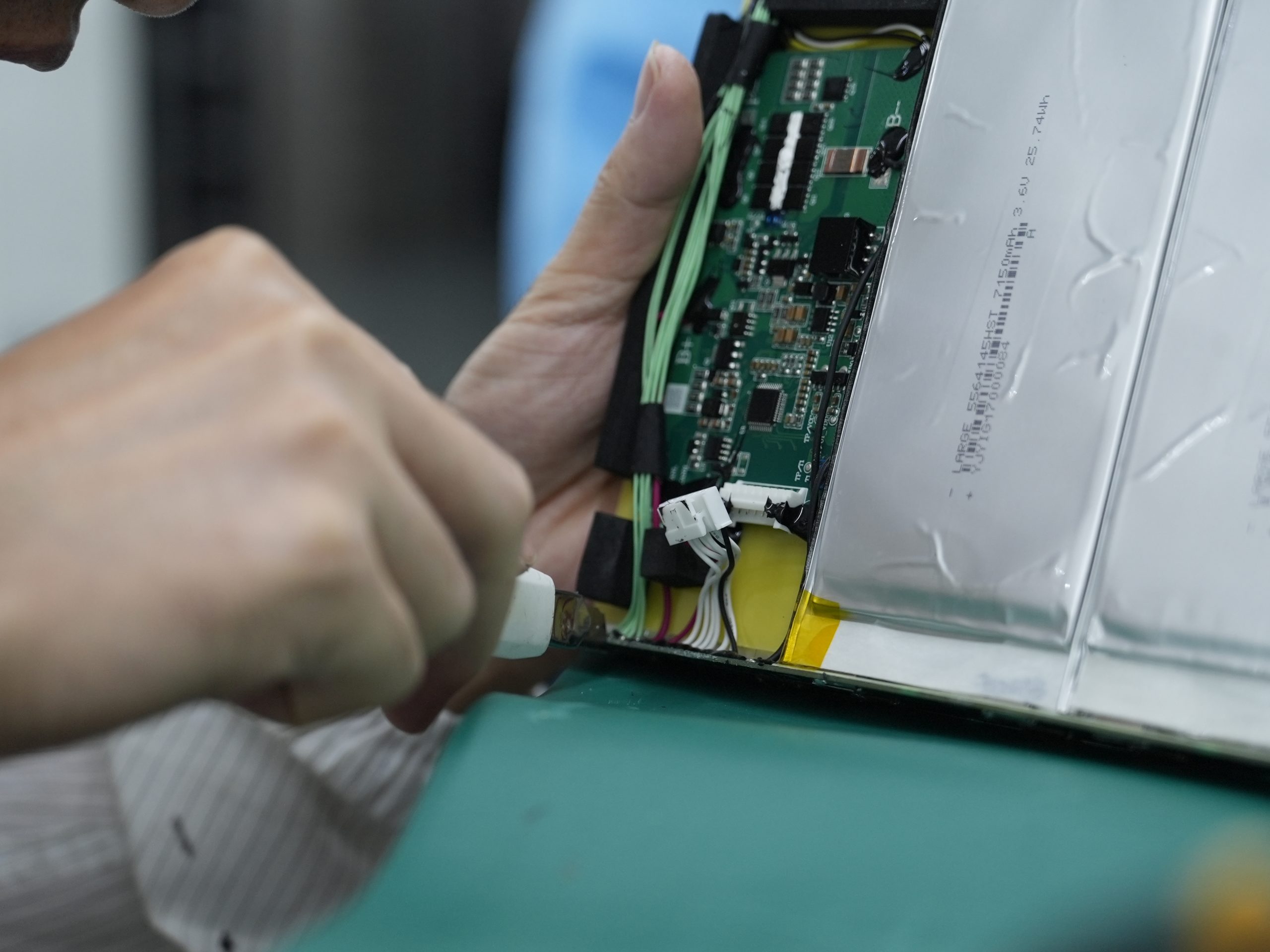
You need to understand how charge and discharge rates affect your solar-powered IPCs. The 1S2P configuration supports moderate charge and discharge rates. This setup works well for IPCs with steady power needs. You get reliable performance without stressing the cells. The 1S3P configuration handles higher current loads. You can use this setup for IPCs that require bursts of power or longer operation during low sunlight. More parallel cells mean lower current per cell, which reduces heat and extends battery life.
Tip: Use a quality Battery Management System (BMS) to monitor and control charge/discharge rates. This step protects your lithium battery pack and improves safety.
5.2 Environmental Impact
You want to minimize the environmental footprint of your IPC deployments. Both 1S2P and 1S3P lithium battery packs use fewer resources than larger, multi-series packs. The 1S2P configuration uses less material and produces less waste over time. The 1S3P setup lasts longer but requires more cells, which increases recycling needs. You should consider the full lifecycle of each configuration. Responsible recycling and proper disposal reduce environmental risks. For more on sustainable practices, visit Our Approach to Sustainability.
Configuration | Material Use | Recycling Needs | Typical Lifespan |
|---|---|---|---|
1S2P | Lower | Moderate | 2–3 years |
1S3P | Higher | Higher | 2.5–3.5 years |
5.3 Reliability in Field Use
You need reliable power for IPCs in remote or harsh environments. The 1S2P configuration offers a good balance of reliability and simplicity. You can install and maintain these packs with minimal effort. The 1S3P configuration provides extra redundancy. If one cell fails, the others keep your IPC running. You should choose 1S3P for critical applications where uptime matters most. Both setups benefit from regular maintenance and monitoring. Reliable lithium battery packs reduce downtime and support continuous operation.
Note: Field reliability depends on proper installation, routine checks, and using high-quality components.
Part6: Cost and Sustainability
6.1 Cost Comparison
You need to consider both the initial investment and the long-term expenses when choosing between 1S2P and 1S3P lithium battery packs. The 1S2P configuration usually costs less upfront because it uses fewer cells. You save on materials, assembly, and shipping. The 1S3P pack requires more cells, which increases the initial price. Over time, the 1S3P configuration may offer better value in high-demand applications because it supports more cycles and longer runtimes. You should match your choice to your IPC’s power needs and budget.
Configuration | Initial Cost | Long-Term Value | Typical Use Case |
|---|---|---|---|
1S2P | Lower | Good | Standard IPCs, cost-sensitive |
1S3P | Higher | Excellent | High-demand, long-runtime IPCs |
Tip: Calculate the total cost of ownership, not just the purchase price. Factor in replacement cycles and downtime.
6.2 Replacement and Maintenance
You want to minimize downtime and maintenance costs. The 1S2P battery pack is easier to replace due to its smaller size and lighter weight. You can swap these packs quickly in the field. The 1S3P configuration lasts longer between replacements because it spreads the load across more cells. You may need to check these packs more often for cell balance and health. Using a reliable Battery Management System (BMS) helps you monitor both configurations and extend their service life.
1S2P: Easier handling, faster swaps, more frequent replacements.
1S3P: Longer intervals, more checks, higher upfront effort.
6.3 Environmental Considerations
You should evaluate the environmental impact of your battery choice. The 1S2P pack uses fewer materials, which reduces waste and simplifies recycling. The 1S3P pack lasts longer but requires more resources to produce and recycle. Both configurations benefit from responsible recycling and proper disposal. You can lower your carbon footprint by choosing packs with certified sustainable materials and by following best practices for end-of-life management.
Note: Sustainable battery choices support your company’s ESG goals and reduce long-term environmental risks.
Part7: Recommendations & Summary Table
7.1 Quick-Reference Table
You can use the table below to compare the main features of 1S2P and 1S3P lithium battery pack configurations. This summary helps you make fast decisions for your solar-powered IPC projects.
Feature | 1S2P Configuration | 1S3P Configuration |
|---|---|---|
Voltage | 3.7V | 3.7V |
Capacity | 5000mAh (example) | 7500mAh (example) |
Energy Density | Higher (approx. 220 Wh/kg) | Slightly lower (approx. 210 Wh/kg) |
Cycle Life | 800–1000 cycles | 900–1100 cycles |
Size & Weight | Compact, lightweight | Larger, heavier |
Initial Cost | Lower | Higher |
Runtime | Standard | Extended |
Maintenance | Simple, quick swaps | Longer intervals, more checks |
Best Use Case | Security IPCs, sensors | Remote monitoring, robotics |
Note: These values use lithium nickel manganese cobalt oxide (NMC) chemistry as a reference.
7.2 Decision Tips for B2B
You want to choose the right battery pack for your business. Consider these tips when selecting between 1S2P and 1S3P for your solar-powered IPCs:
Assess Power Needs: Review the daily energy consumption of your IPCs. Choose 1S2P for standard loads. Select 1S3P if you need longer runtime or higher current.
Evaluate Space Constraints: Check the available space in your IPC enclosure. Use 1S2P for compact designs. Pick 1S3P if you can accommodate a larger pack.
Plan for Maintenance: If you need fast and easy replacements, 1S2P offers simpler handling. For less frequent maintenance, 1S3P provides longer service intervals.
Consider Total Cost: Look beyond the initial price. Calculate the total cost of ownership, including replacements and downtime.
Prioritize Reliability: For critical infrastructure, 1S3P gives you extra redundancy. For standard applications, 1S2P balances performance and cost.
Use a Quality BMS: Always integrate a reliable Battery Management System (BMS) to protect your investment and extend battery life.
You improve operational efficiency and reduce long-term risks by matching your battery choice to your project’s needs.
You now understand how 1S2P and 1S3P lithium battery packs compare for solar-powered IPCs. For most scenarios, you achieve the best balance of energy density, life cycle, and cost with 1S2P. Always match your battery choice to your device’s power needs and operational goals.
FAQ
What does 1S2P mean for lithium battery packs?
You see 1S2P when one cell connects in series and two cells connect in parallel. This setup increases capacity while keeping voltage stable. You often use this configuration in compact solar-powered IPCs.
How does 1S3P affect battery life cycle?
You get a longer life cycle with 1S3P. More cells share the load, which reduces stress on each cell. This setup works well for IPCs that need extended runtime or higher current.
Which configuration offers better energy density?
You achieve higher energy density with 1S2P. This means you store more energy in a smaller, lighter pack. You benefit from easier installation and lower shipping costs.
When should you choose 1S3P over 1S2P?
You should select 1S3P if your IPCs require longer operation between charges or higher current output. This configuration suits remote monitoring or robotics where downtime is costly.
Why is a Battery Management System (BMS) important?
You need a BMS to monitor and protect your lithium battery pack. It prevents overcharging, deep discharge, and overheating.


