

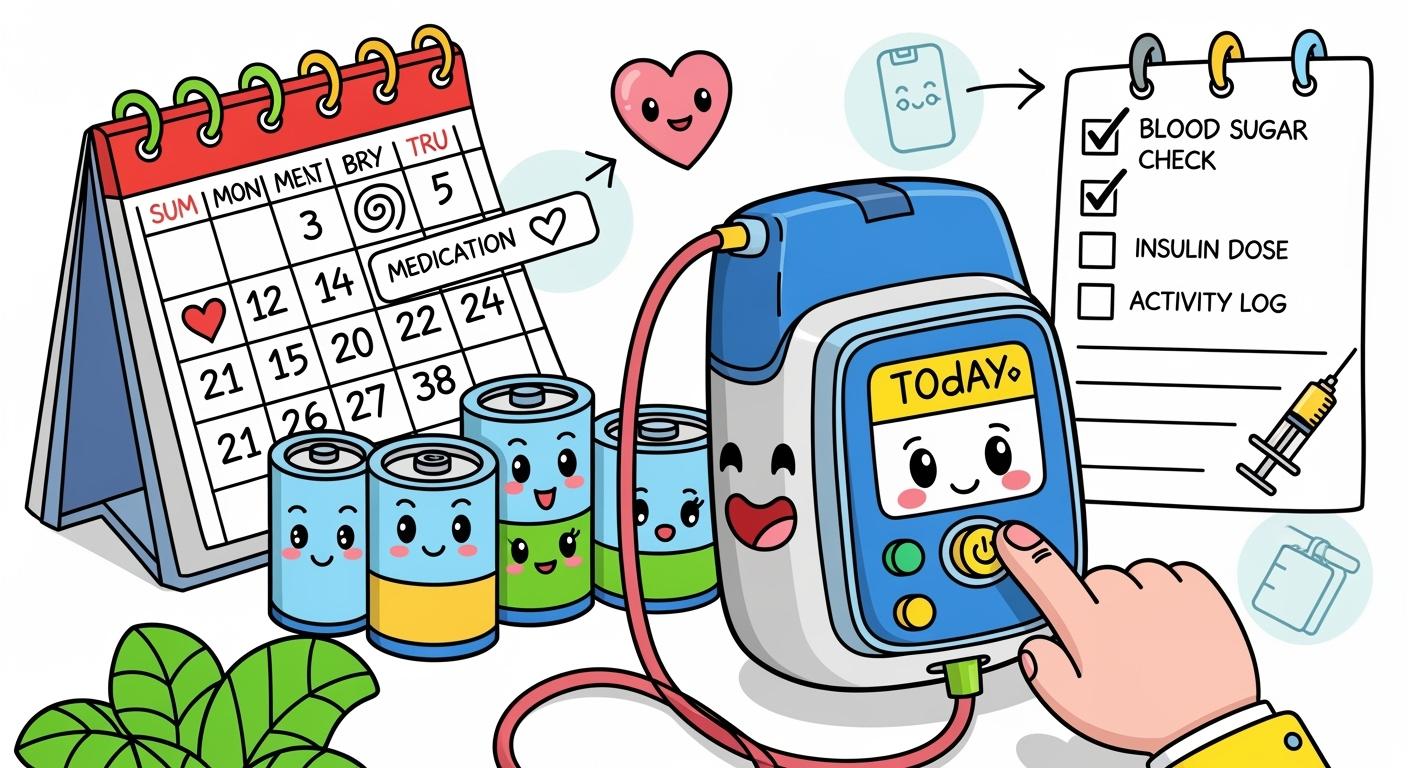
You face critical decisions in lithium battery selection to keep insulin pumps running safely and efficiently. Making the right lithium battery selection impacts smart drug delivery and patient safety. Most lithium-ion batteries in insulin pumps last between two and five years, influenced by maintenance and usage:
Average lifespan: 2–5 years
Common battery-related failures in insulin pump devices include:
Issue Type | Description |
|---|---|
Battery Replacement Needed | The pump requires a new AA battery due to insufficient power. |
Software Issue | A software problem has been identified that causes excessive battery drain, leading to injuries. |
You must address these risks through informed lithium battery selection and robust management practices.
Key Takeaways
Choose lithium batteries with high energy density and long cycle life to ensure reliable insulin delivery and reduce replacement frequency.
Always verify that batteries meet medical-grade standards and regulatory compliance to ensure patient safety and device reliability.
Monitor battery health regularly and follow manufacturer guidelines to prevent unexpected interruptions in insulin delivery.
Part1: Lithium Battery Selection for Insulin Pumps
1.1 Key Criteria for Battery Choice
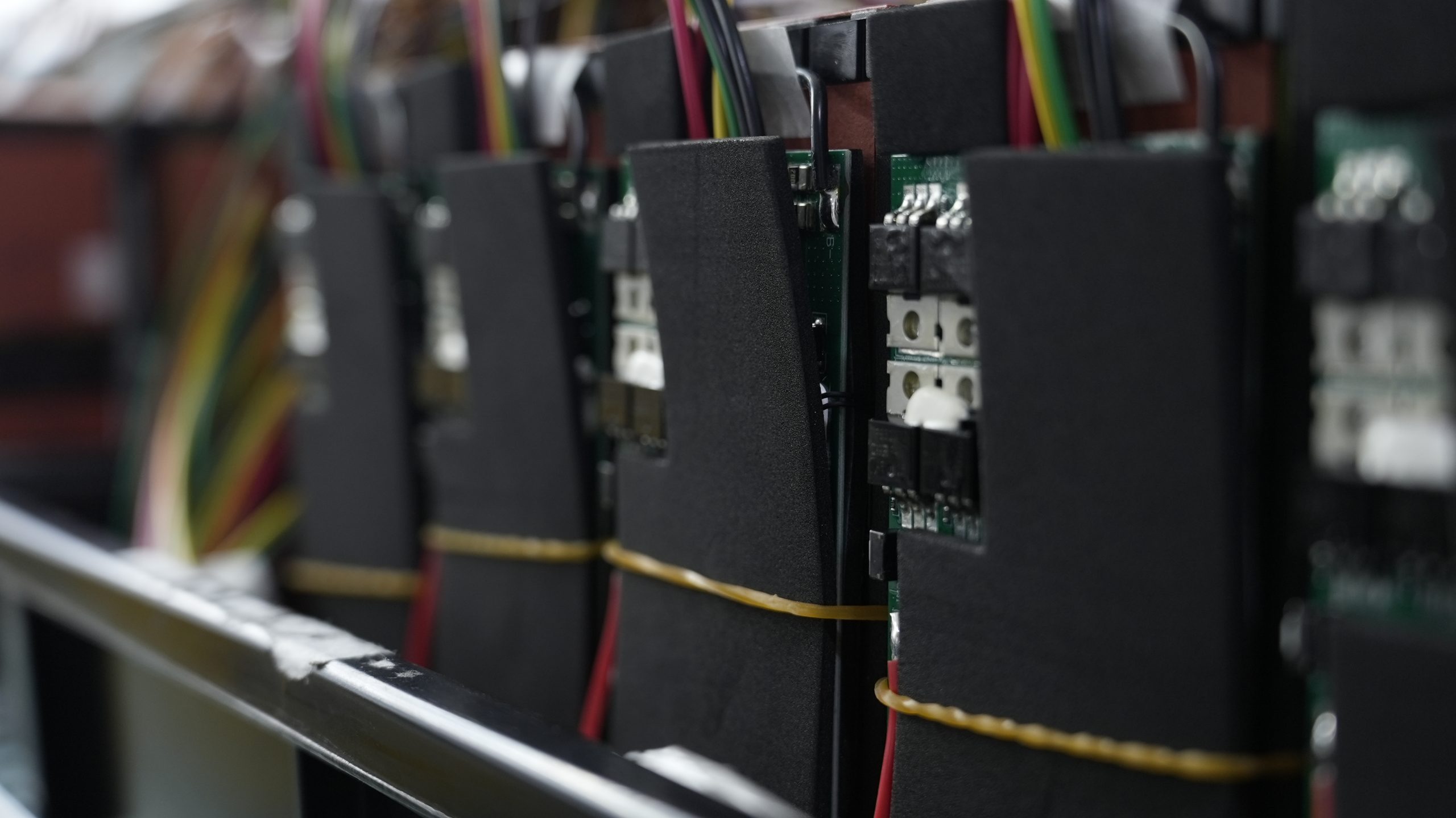
When you select a battery for an insulin pump, you must consider several critical factors. The right choice ensures reliable drug delivery and supports advanced diabetes treatment, such as hybrid and closed-loop systems. You need a battery that delivers consistent power, supports long-term use, and meets strict safety standards.
Here is a summary of the main criteria medical device manufacturers use when choosing a battery for insulin pumps:
Criteria | Description |
|---|---|
Reliability and Durability | The battery must perform reliably and last through years of continuous operation. |
Energy Density and Longevity | High energy density supports compact designs and long intervals between replacements. |
Safety Concerns | The battery must resist leaks, overheating, and explosions, and be biocompatible for human use. |
Regulatory Compliance | The battery must meet international standards, such as ISO 13485, for medical devices. |
You must also consider energy density and cycle life. A high energy density battery allows for a smaller, lighter insulin pump, which improves comfort for people living with diabetes. Long cycle life means fewer replacements, which reduces interruptions in insulin delivery and supports continuous diabetes management.
Tip: Choose a battery with a proven track record in medical applications to minimize the risk of device failure and ensure safe, uninterrupted drug delivery.
1.2 Compatibility, Safety, and Medical Grade Standards
You must ensure that the battery is compatible with the insulin pump’s electronics and meets all medical-grade requirements. Compatibility affects not only performance but also patient safety. If you use a battery that does not match the device’s specifications, you risk device malfunction and interruptions in insulin delivery.
Safety is a top priority. Overheating, leakage, or swelling can compromise insulin stability and lead to dangerous interruptions in drug delivery. For example, if the battery temperature exceeds 37°C during charging, insulin can degrade, which affects the effectiveness of diabetes treatment. Excessive heat can also cause insulin fibrillation, making the drug less effective and putting patients at risk.
Medical-grade batteries must meet strict regulatory standards. Here are the main standards you need to consider:
Regulatory Standard | Description |
|---|---|
EU’s Battery Regulation | Requires batteries to be removable and replaceable at the end of service life, unless justified for safety. |
FDA Guidance | Focuses on lifecycle risk management and post-market safety for non-removable batteries. |
ISO 14971 | Requires risk management throughout the device lifecycle, including battery-related risks. |
You must also ensure the battery meets safety certifications for your target market:
Market | Core Standards | Special Requirements | Certification Process |
|---|---|---|---|
US | IEC 62133, UL 2054, IEC 60601-1, ISO 13485 | ISO 10993-1, anti-counterfeiting, UDI | Submit with FDA registration, full test reports needed |
EU | MDR Annex I, IEC 62133, IEC 60601-1 | ISO 13485 certified system | CE mark required, Notified Body review for high-risk |
China | GB 9706.1-2020, GB 8897.4-2008, GB/T 28164-2011 | CCC certification mandatory | NMPA registration, GB standard test report required |
Note: Always verify that your battery supplier provides full certification and test reports for medical-grade batteries. This step is essential for regulatory approval and patient safety.
1.3 Lithium-Ion vs. Lithium-Polymer: Pros and Cons
You will often choose between lithium-ion and lithium-polymer batteries for insulin pumps. Each chemistry has unique advantages and limitations for diabetes management and continuous drug delivery.
Here is a comparison to help you make an informed decision:
Parameter | Lithium-Polymer Battery Characteristics | Lithium-Ion Battery Characteristics |
|---|---|---|
Operating Current | Very low average operating current, ideal for continuous insulin delivery | Higher average operating current, suitable for bursts |
Voltage Sag Risk | Voltage sag possible if internal resistance is not controlled, may affect dosing consistency | Less risk of voltage sag under controlled conditions |
Swelling Behavior | Swells instead of rupturing under extreme failure, safer for wearable devices | May rupture under extreme conditions |
Temperature Sensitivity | Highly sensitive, requires strict thermal management to avoid insulin degradation | Less sensitive but still needs management |
Customization for Size | Highly customizable shapes, fits compact insulin pumps and hybrid systems | Standard shapes, less flexible for small devices |
Regulatory Compliance | Must meet IEC 62133-2, UL 2054, and other medical standards | Similar compliance, may vary by manufacturer |
Failure Rate | Low due to advanced design and manufacturing, reliable for medical use | Low but failures can be catastrophic (thermal runaway) |
Lithium-polymer batteries offer several advantages for wearable insulin pumps. Their customizable shapes allow you to design smaller, lighter devices, which is important for people living with diabetes who need discreet and comfortable solutions. Swelling behavior under failure conditions makes them safer for wearable applications, as they do not rupture violently. However, you must manage temperature carefully to prevent insulin degradation and ensure consistent drug delivery.
Lithium-ion batteries provide high energy density and robust performance. They are widely used in medical, robotics, and consumer electronics applications. However, if a failure occurs, the consequences can be severe, including thermal runaway, fire, or toxic gas release. You must implement strict battery management systems to mitigate these risks.
Tip: For hybrid and closed-loop insulin delivery systems, lithium-polymer batteries often provide the best balance of safety, size, and reliability. Always consult with your battery supplier to select the optimal chemistry for your application.
Recent advancements, such as solid-state batteries and wireless charging, continue to improve safety and convenience in medical devices. Flexible battery designs now allow for better integration into compact insulin pumps, supporting the trend toward more personalised diabetes treatment.
If you want to learn more about medical battery solutions or need a custom consultation, please contact our team.
Part2: Battery Lifetime Management and Continuous Delivery
2.1 Monitoring Battery Health and Replacement Timing
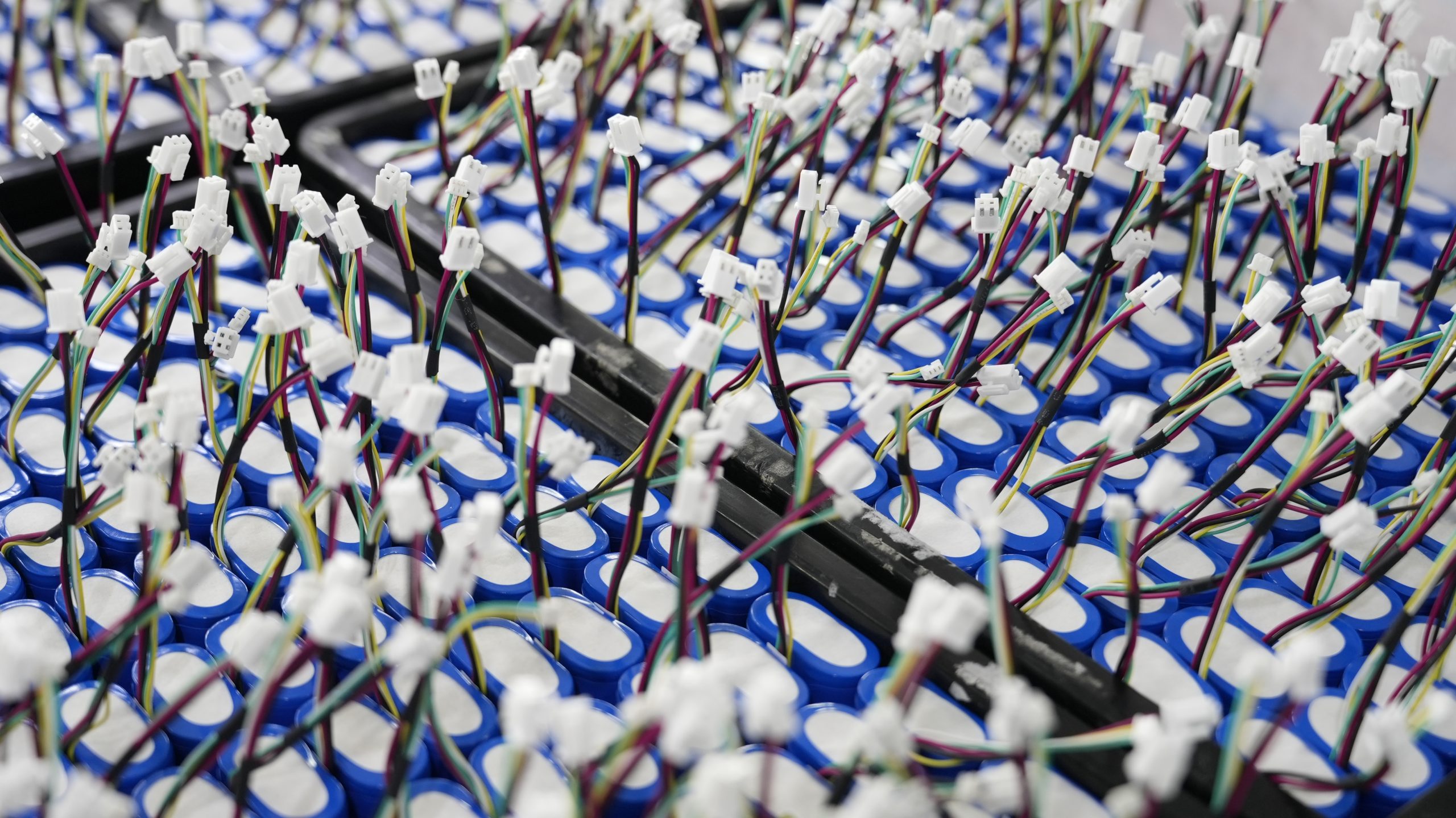
You must monitor battery health to ensure your insulin pump powered up at all times. Continuous monitoring of battery status helps you avoid unexpected interruptions in controlled delivery of insulin. Always follow manufacturer recommendations for battery type and replacement intervals. Educate your team to recognize battery alerts and alarms, especially the low battery alert, which signals the need for immediate action. Regular checks reduce the risk of persistent warnings and support safe therapy.
2.2 Storage, Handling, and Temperature Control
Proper storage and handling extend battery life and maintain safety. Store batteries within the recommended temperature range to prevent degradation:
Operating temperature: -55°C to +85°C
Avoid exposing batteries to extreme heat or cold. Handle each battery with care to prevent physical impacts that can shorten battery life or damage internal components. Use only approved storage containers and avoid mixing new and used batteries.
2.3 Troubleshooting Battery Issues and Ensuring Insulin Pump Powered Up
You may encounter several battery-related issues in insulin pumps. The table below outlines common problems and solutions:
Issue Description | Implications | Resolution |
|---|---|---|
Shorter battery life after impacts | Life-threatening failures in insulin delivery | Recall of affected pumps |
Damaged internal electronics | More frequent battery changes required | Manufacturer’s response to recall |
Low battery alarm malfunction | Risk of unexpected device powering down | FDA warning issued |
When troubleshooting, take these actions:
Action | Description |
|---|---|
Change or charge battery | Change or charge your battery upon first alert. |
Monitor blood sugar | Track glucose levels and adjust with rapid-acting insulin if needed. |
Prepare for injections | Stay ready to switch to insulin injections if the pump fails. |
Contact manufacturer | Reach out to the manufacturer if you cannot resolve the issue yourself. |
2.4 Impact on Continuous Insulin Delivery and Patient Safety
Battery failure can disrupt the controlled delivery of insulin, leading to serious health risks. Shortened battery life or physical damage may cause premature pump shutdown, increasing the risk of hyperglycemia or diabetic ketoacidosis (DKA). Between January 2023 and September 2024, over 170 cases of hyperglycemia and 11 cases of DKA in the U.S. were linked to battery failure in insulin pumps. You must monitor battery status alerts closely and have backup therapy available to prevent complications. Defective pumps can result in incorrect dosing, seizures, or even death. Regular maintenance and prompt response to battery issues protect patient safety and ensure reliable therapy.
You improve insulin pump reliability by following these best practices:
Select rechargeable batteries with proper sizing for your devices.
Monitor battery health and keep spares available.
Store batteries at recommended temperatures.
Battery Type | Typical Use Duration | Cost per Battery | Total Cost Over 30 Years |
|---|---|---|---|
Alkaline | 2–3 weeks | $0.00 | $20.79 |
Lithium | 5–7 weeks | $1.615 | $887.83 |
FAQ
What advantages do lithium-polymer battery packs offer for insulin pumps in medical applications?
Feature | Lithium-Polymer Packs | Lithium-Ion Packs |
|---|---|---|
Custom Shape | ✔️ | Limited |
Swelling Safety | ✔️ | ❌ |
Compact Integration | ✔️ | Moderate |
You gain safer, more flexible designs with lithium-polymer packs, ideal for wearable medical devices.
How can you ensure regulatory compliance when sourcing lithium battery packs for insulin pumps?
You should partner with certified suppliers like Large Power. Request full documentation and test reports. Review custom battery solutions for tailored compliance.
Where can you get expert guidance on custom lithium battery packs for medical device integration?
You can contact Large Power’s engineering team for a custom consultation. They specialize in battery solutions for medical, industrial, and IoT applications.


