

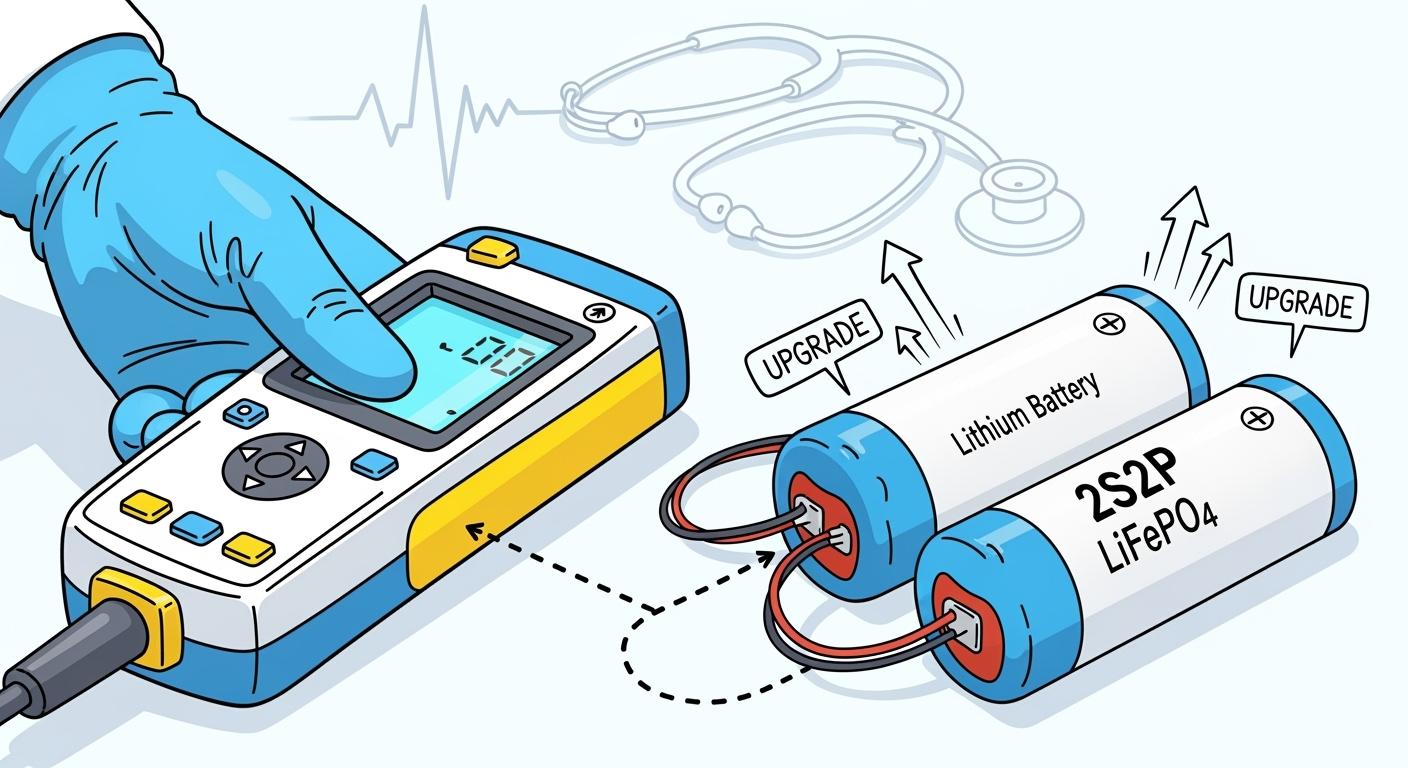
You can extend battery life in handheld blood gas analyzers by upgrading to a 2S2P lithium battery. This upgrade improves battery performance and boosts device reliability. You maintain safety and ensure uninterrupted clinical operations. You achieve longer life for your equipment, supporting continuous patient care.
Key Takeaways
Upgrade to a 2S2P lithium battery to enhance the performance and reliability of handheld blood gas analyzers.
Maintain optimal battery life by keeping the charge between 20% and 80% during use to reduce wear and extend device life.
Implement advanced power management techniques to minimize energy consumption and improve battery longevity.
Part1: Why Battery Life Matters
1.1 Impact on Clinical Workflow
You rely on handheld blood gas analyzers to deliver fast results and maintain patient care. Battery life plays a critical role in your daily operations. When battery performance drops, you face interruptions that can delay diagnostics and affect treatment decisions. You must ensure safety and reliability for every patient interaction.
Poor battery life creates significant limitations for mobile devices in healthcare settings. These limitations can negatively impact workflow efficiency in clinical environments.
You experience these challenges firsthand. You may need to pause procedures to recharge devices or replace batteries. This disrupts your workflow and reduces productivity. You depend on consistent battery life to keep your clinical team focused and efficient.
You avoid workflow interruptions by maintaining optimal battery life.
You support safety and reliability for every patient.
You reduce downtime and improve operational efficiency.
1.2 Common Battery Issues
You encounter several battery-related problems in portable medical devices. Battery degradation leads to shorter battery life and frequent charging cycles. You may notice reduced capacity, unexpected shutdowns, or slow charging rates. These issues compromise safety and device reliability.
Common Issue | Impact on Device |
|---|---|
Battery degradation | Shorter battery life |
Overheating | Safety risks |
Slow charging | Reduced productivity |
Unexpected shutdowns | Interrupted workflow |
You must address these problems to maintain device performance. You protect your equipment and ensure uninterrupted clinical operations by upgrading to advanced lithium battery packs.
Part2: 2S2P Battery Upgrade Overview

2.1 What Is 2S2P Configuration
You often see the 2S2P configuration in advanced lithium-ion battery packs. This setup uses two cells connected in series to increase voltage. Then, you connect two of these series groups in parallel to boost capacity. This structure delivers both higher voltage and greater energy storage, which is essential for portable medical devices that demand stable and reliable power.
Two cells in series: Raises voltage for device operation.
Two series groups in parallel: Increases total capacity and current handling.
Compared to simpler setups like 2S1P, the 2S2P configuration offers more capacity and better current support. This difference ensures your devices run longer and handle higher loads without interruption.
Configuration | Voltage | Capacity | Current Handling |
|---|---|---|---|
2S1P | Higher | Lower | Lower |
2S2P | Higher | Higher | Higher |
2.2 Benefits for Handheld Analyzers
You gain several advantages when you upgrade to a 2S2P lithium-ion battery pack in handheld blood gas analyzers. This configuration provides stable voltage output and improved reliability, which are critical for uninterrupted clinical use. You also benefit from greater capacity, allowing you to extend battery life and reduce the frequency of recharging.
The 2S2P setup supports consistent power delivery, even during demanding diagnostic procedures. You minimize the risk of unexpected shutdowns and maintain device readiness for every patient.
2.3 Suitability for Portable Medical Devices
You find the 2S2P configuration widely used in portable patient monitors, infusion pumps, and handheld ultrasound devices. These devices require dependable power sources to function in emergency and remote settings. The 2S2P lithium-ion battery ensures your equipment operates reliably, even during power outages or field deployments. You also benefit from a low self-discharge rate, which helps maintain charge during storage.
Required Standards | Description |
|---|---|
IEC 62133 | lithium battery global safety standard |
UN38.3 | transport safety |
IEC 60601-1 | medical electrical equipment |
ISO 13485 | medical device quality management |
RoHS/REACH | environmental compliance |
You must ensure your battery packs meet these safety and quality standards. Built-in protections, such as overcharge, over-discharge, and thermal monitoring, help you safeguard both your device and your patients. The 2S2P configuration also supports medical wearable devices, where reliability and safety are top priorities.
Part3: Advanced Battery Management for Portable Medical Devices
3.1 Power Management Controllers
You can extend the life of lithium battery packs in portable medical devices by using advanced power management controllers. These controllers reduce power consumption through programmable sleep modes and by minimizing active power draw. Devices like the MAX16164 on/off controller use only 30nA in sleep mode and 10nA in shutdown mode. This technology can increase battery life by up to 60% compared to traditional CPU sleep modes. You benefit from low quiescent current, which helps maintain battery performance and shelf life. Low noise and precision features also protect safety and signal integrity, which is critical for medical wearable devices. Isolation technologies further improve safety by allowing secure power and signal exchange.
Power management controllers:
Enable efficient power consumption strategies
Support programmable sleep modes
Minimize active power draw
3.2 Dynamic Power Scaling
You can optimize power consumption in portable medical devices by using dynamic power scaling. This method adjusts operating frequency and voltage based on workload. You reduce unnecessary energy use and slow battery degradation. Dynamic power scaling supports battery management systems by balancing performance and efficiency. You maintain safety and device readiness, even during demanding tasks. This approach also helps with predictive battery health monitoring, allowing you to monitor health and plan maintenance before failures occur.
3.3 Microcontroller Solutions
You can achieve advanced battery management by integrating microcontroller-based solutions. These systems monitor battery parameters, control charging, and estimate battery state in real time. Microcontrollers support cell balancing, which ensures uniform charging and extends battery pack lifespan. They also provide protection against overcurrent and thermal events, improving safety. The table below compares microcontroller-based battery management systems with traditional methods:
Feature | Microcontroller-Based Systems | Traditional Methods |
|---|---|---|
Real-Time Monitoring | Tracks voltage, current, temperature, and state of charge | Limited monitoring |
Dynamic Adjustment | Adjusts frequency and voltage for optimization | Fixed parameters |
Protection Mechanisms | Advanced safeguards for safety | Basic protection |
Thermal Management | Improved reliability through advanced controls | Less sophisticated controls |
Adaptive Algorithms | Optimizes performance and battery state estimation | Static algorithms |
You can learn more about battery management systems and protection circuit modules by visiting our BMS and PCM page. These solutions help you maximize battery performance, extend device life, and ensure safety in all portable medical devices.
Part4: Best Practices to Maximize Battery Life
4.1 Optimal Charging Routines
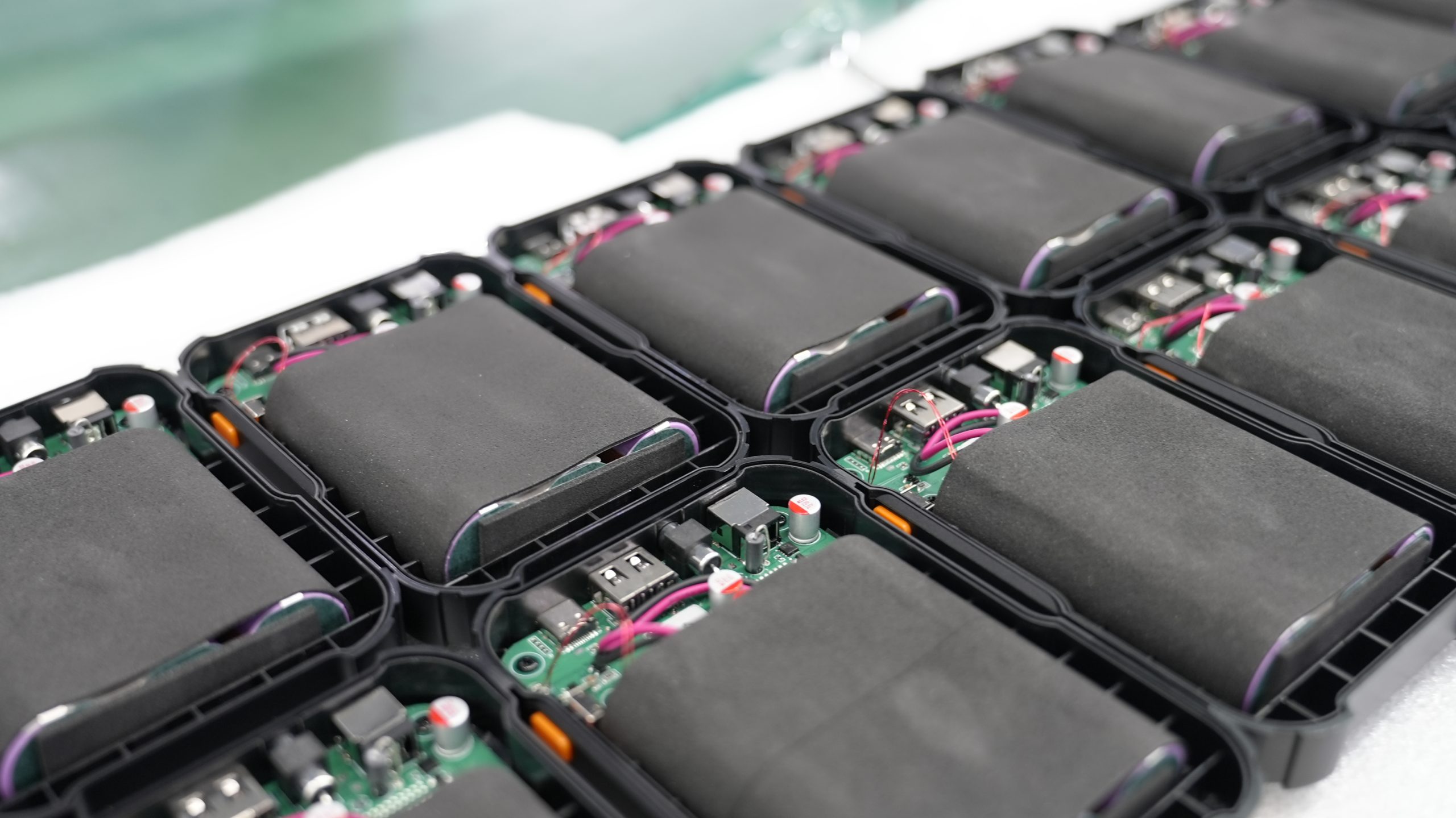
You can extend battery life in portable medical devices by adopting optimal charging routines. Research shows that lithium battery packs achieve the longest cycle life when you avoid full charges and deep discharges. You should keep the state of charge between 20% and 80% during daily use. This approach reduces stress on the cells and minimizes power consumption. You also prevent unnecessary wear, which supports battery performance and device reliability. For long-term storage, maintain a charge between 40% and 60% to further protect cell health.
Tip: Avoid leaving devices plugged in after reaching full charge. This simple habit can help you maximize battery life and reduce power consumption.
4.2 Temperature Management
You must control temperature to ensure safety and extend battery life. Abnormal temperature increases can cause performance degradation and safety risks in lithium battery packs. A Battery Thermal Management System (BTMS) helps you maintain optimal operating temperatures. The table below highlights key aspects of temperature management:
Key Aspect | Description |
|---|---|
Importance of Temperature | Temperature management is crucial for lithium-ion batteries used in portable medical devices. |
Performance Degradation | Abnormal temperature increases lead to performance degradation and safety issues. |
Required System | A BTMS is necessary to maintain optimal operating temperatures. |
You should avoid exposing batteries to extreme heat or cold. Store devices between 15°C and 25°C to prevent permanent capacity loss.
4.3 Using AC Adapters
You can reduce power consumption and extend battery life by using AC adapters during stationary operation. When you connect your handheld blood gas analyzer to an AC adapter, you minimize battery cycling and lower the risk of unexpected shutdowns. This practice also supports safety by preventing overheating during high-demand use. You should always use manufacturer-approved adapters to ensure compatibility and protect device integrity.
4.4 Storage and Maintenance
You maintain battery performance and safety by following best practices for storage and maintenance. Consider these guidelines:
Schedule preventive maintenance and replace components proactively.
Conduct regular health assessments, including diagnostics and physical inspections.
Store batteries in a cool, dry place between 15°C and 25°C.
Maintain a 40–60% state of charge for long-term storage.
Update battery management system firmware regularly.
Keep detailed records of all maintenance activities.
Protect battery terminals from short-circuits and mechanical damage.
Avoid direct sunlight and heat sources.
By following these strategies, you optimize battery performance, extend battery life, and ensure reliable operation of portable medical devices.
You extend device life and improve safety by upgrading to a 2S2P lithium battery and using advanced battery management. You reduce power consumption and support reliable clinical operations. Follow industry guidelines for safety, consumption, and compliance. Consult battery specialists for tailored support:
Service Area | Value for Your Device |
|---|---|
Battery Safety & Risk Mgmt | Expert guidance for safety and reliability |
Performance Evaluation | Life and consumption optimization |
Regulatory Compliance | Meets FDA and EU safety standards |
Quality Analysis | Ensures battery life and safety |
MRI Compatibility Testing | Verifies safety in clinical environments |
Battery Selection Support | Optimizes consumption and device life |
Devices must operate safely during battery degradation or unexpected power loss.
ISO 14971 requires risk analysis of battery hazards like thermal runaway and overcharging.
FDA mandates testing protocols for battery safety validation, including accelerated aging and abuse testing.
European MDR emphasizes post-market surveillance and clinical evaluation of battery performance.
Recent updates require cybersecurity measures for battery management systems.
For custom battery solutions, consult with industry experts Large Power to ensure optimal battery life, safety, and power consumption for your medical devices.
FAQ
What advantages does a 2S2P lithium battery pack offer for handheld blood gas analyzers?
You gain higher capacity, stable voltage, and improved reliability. This configuration supports longer device operation and reduces downtime in clinical environments.
How does Large Power support custom lithium battery solutions for medical devices?
You can partner with Large Power’s custom battery solution team. They design lithium battery packs tailored to your device’s safety, compliance, and performance needs.
How do lithium battery chemistries compare for medical device applications?
Chemistry Type | Platform Voltage | Energy Density (Wh/kg) | Cycle Life (cycles) |
|---|---|---|---|
Lithium Iron Phosphate | 3.2V | 90–120 | 2000+ |
Lithium Cobalt Oxide | 3.7V | 150–200 | 500–1000 |
Lithium Manganese Oxide | 3.7V | 100–150 | 500–1000 |


